Understanding Philips Zoom Whitening Aftercare
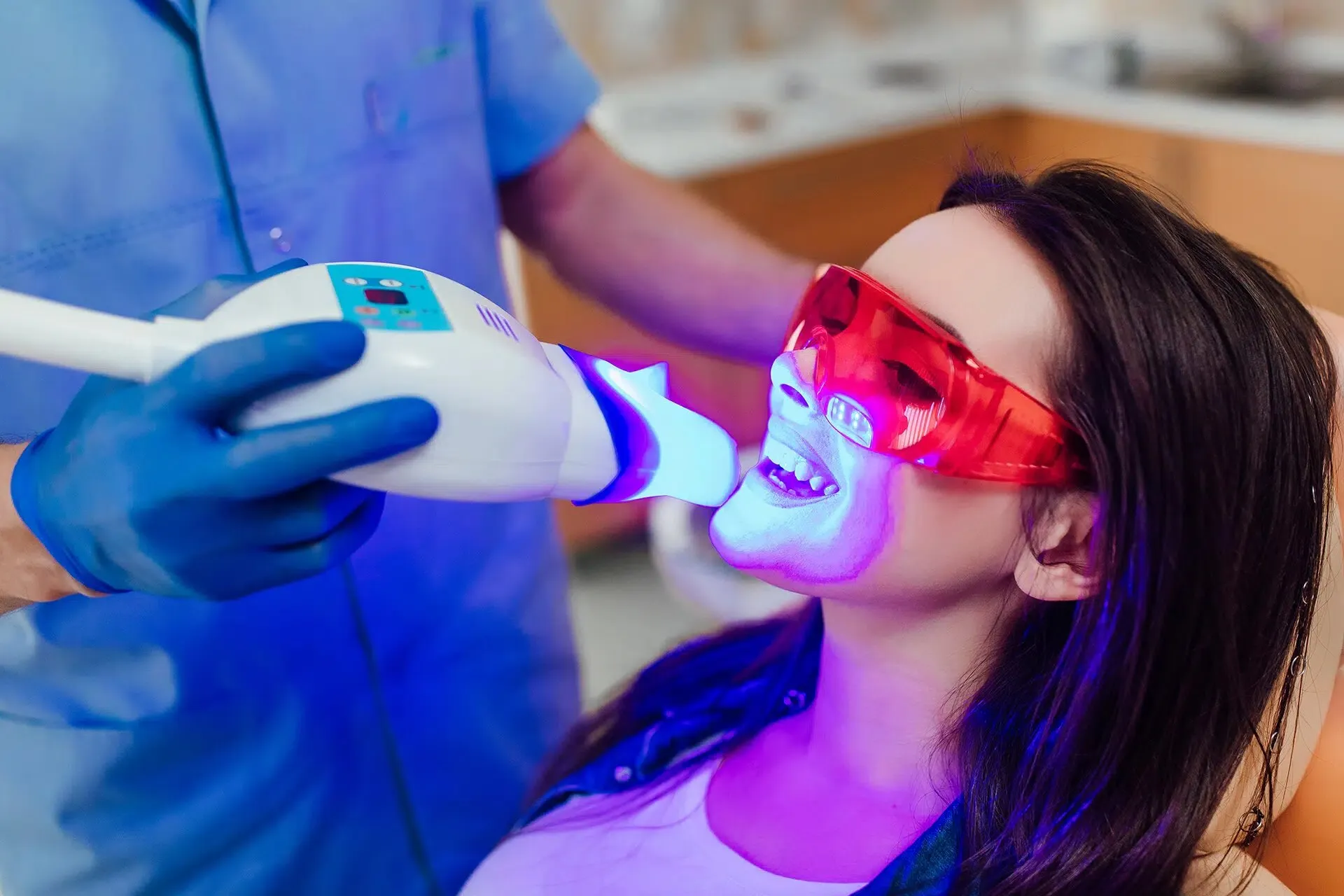
Philips Zoom whitening is a popular and effective way to brighten your smile. However, the results of this in-office procedure are significantly influenced by the aftercare you provide. Proper aftercare is crucial for maximizing the longevity of your whitening results, minimizing sensitivity, and ensuring your teeth remain healthy and vibrant. This guide provides essential tips and advice to help you navigate the aftercare process effectively.
The Importance of Aftercare
After undergoing Philips Zoom whitening, your teeth are more susceptible to staining. The enamel pores are temporarily more open, making them more vulnerable to the pigments in foods and drinks. Following the aftercare instructions diligently is not just a recommendation, it’s a necessity. It’s about protecting your investment and ensuring you enjoy your beautifully whitened teeth for as long as possible. Ignoring these guidelines can lead to faster staining, increased sensitivity, and a less satisfying overall outcome.
Foods and Drinks to Avoid

One of the most critical aspects of Philips Zoom whitening aftercare is being mindful of what you consume. Certain foods and drinks are notorious for staining teeth, and their impact is amplified in the days and weeks following the procedure. This section outlines the key items to avoid or limit to protect your new, bright smile.
The “White Diet” Explained
The “White Diet” is a temporary eating plan often recommended after teeth whitening. This diet primarily consists of white or lightly colored foods and beverages that are less likely to stain your teeth. Adhering to this diet for the first 48 to 72 hours, or as recommended by your dentist, can significantly improve the longevity of your whitening results. Examples of foods included in the White Diet includes skinless chicken or turkey, white fish, white rice, plain pasta, bananas, yogurt, and cauliflower.
Why Avoiding Staining Substances Matters
Staining substances contain pigments that can easily penetrate the porous enamel of freshly whitened teeth. Coffee, tea, red wine, dark sodas, and berries are some of the most common culprits. Avoiding these for the recommended period allows your teeth to re-mineralize and reduces the likelihood of staining. Remember, the goal is to allow the whitening treatment to fully set and to give your enamel time to recover its natural protective properties.
Oral Hygiene Practices

Maintaining excellent oral hygiene is paramount for preserving your whitening results. This involves a gentle yet effective approach to brushing, flossing, and using appropriate dental products. This section focuses on the best practices to keep your teeth clean and your smile bright.
Gentle Brushing Techniques
After whitening, your teeth may be more sensitive. It is crucial to brush gently to avoid irritating your gums and causing further sensitivity. Use a soft-bristled toothbrush and employ gentle, circular motions. Avoid applying too much pressure, as this can also damage the enamel. Brushing for two minutes, twice a day, is still recommended, but always prioritize gentleness.
Using a Soft-Bristled Toothbrush
Choosing the right toothbrush is essential. A soft-bristled toothbrush is the best option after teeth whitening. It’s gentle on your teeth and gums while still effectively removing plaque and debris. Replace your toothbrush every three months, or sooner if the bristles become frayed. This ensures optimal cleaning performance and minimizes the risk of irritation.
Whitening Toothpaste Considerations

While it may seem counterintuitive, avoid using whitening toothpastes immediately after your Zoom whitening treatment. These toothpastes often contain abrasive ingredients that can potentially damage the enamel, especially when it’s more vulnerable. Ask your dentist for a recommendation. A gentle toothpaste designed for sensitive teeth is usually the best choice during the initial aftercare period.
Sensitivity Management
Teeth sensitivity is a common side effect of teeth whitening. Fortunately, there are several steps you can take to manage and alleviate this temporary discomfort. This section provides guidance on how to cope with and reduce sensitivity.
Over-the-Counter Products
Several over-the-counter products can help manage tooth sensitivity. Toothpastes specifically designed for sensitive teeth contain ingredients like potassium nitrate or stannous fluoride, which help to block the nerve endings in your teeth. Fluoride mouthwashes can also strengthen enamel and reduce sensitivity. Always follow product instructions and consult with your dentist if sensitivity persists.
Professional Follow-Up

Your dentist can provide additional support to manage sensitivity. They may recommend prescription-strength fluoride treatments or desensitizing agents to apply to your teeth. Schedule a follow-up appointment with your dentist a few weeks after your Zoom whitening to assess your results and address any concerns. Your dentist can also provide personalized advice based on your specific needs.
Maintaining and Extending Results
Maintaining your bright smile requires ongoing effort. This section outlines strategies to help you preserve and extend the life of your whitening results. This includes both professional and lifestyle adjustments.
Regular Dental Check-ups
Regular dental check-ups are crucial for maintaining oral health and prolonging the effects of your whitening treatment. During these visits, your dentist can professionally clean your teeth, removing any surface stains. They can also assess the overall health of your teeth and gums and recommend any necessary treatments to prevent future issues. Schedule check-ups every six months, or as recommended by your dentist.
Touch-Up Whitening Options

Over time, teeth can gradually darken. Touch-up whitening treatments can help maintain your bright smile. Your dentist can provide custom whitening trays and gel for home use. These trays allow you to perform touch-up treatments periodically, keeping your teeth at their desired shade. Discuss touch-up options with your dentist to determine the best plan for you.
Lifestyle Adjustments
Certain lifestyle choices can impact the longevity of your whitening results. Limiting the consumption of staining foods and beverages, such as coffee, tea, red wine, and dark berries, is essential. Avoiding tobacco products and maintaining good oral hygiene practices can also help to prevent stains. Being proactive with these habits will greatly contribute to maintaining a vibrant smile.
The Benefits of a Bright Smile
A bright, white smile offers more than just aesthetic benefits. It can boost your confidence and improve your self-esteem. A confident smile can make a positive impression in social and professional settings. By following the aftercare instructions for Philips Zoom whitening, you are not only protecting your investment but also enhancing your overall well-being. Embrace your radiant new smile and the confidence that comes with it!