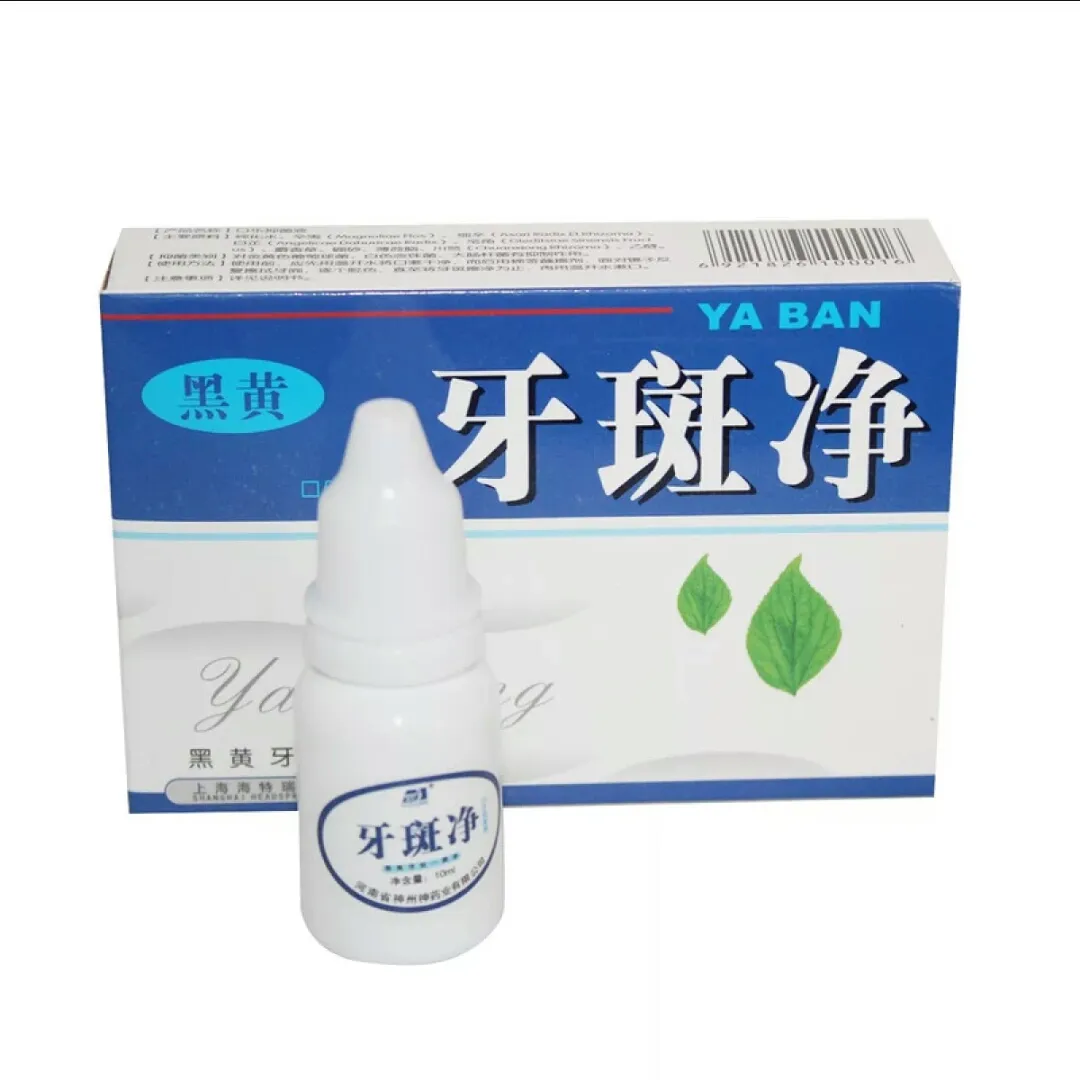
A bright, white smile is a universal sign of health, youth, and confidence. In today’s world, various methods promise to deliver dazzling results, and among them, yabanjing whitening has gained significant attention. This comprehensive guide delves into the world of yabanjing whitening, exploring its principles, benefits, processes, and aftercare. Whether you’re considering this method or simply curious, this article will provide you with the knowledge to make informed decisions and achieve that brighter, more confident smile you’ve always desired. Understanding the nuances of teeth whitening, especially with specific techniques like yabanjing, is crucial to achieving the best and safest outcomes. Let’s embark on a journey to discover how yabanjing whitening can transform your smile.
Understanding Yabanjing Whitening
What is Yabanjing Whitening?
Yabanjing whitening typically refers to a specific cosmetic dental procedure aimed at lightening the color of your teeth. This process can be performed in a dental office or with take-home kits prescribed by your dentist. The core objective is to reduce the discoloration and stains on the enamel and dentin, the inner layer of your teeth. It often involves the application of a bleaching agent, most commonly hydrogen peroxide or carbamide peroxide. The strength of the bleaching agent and the duration of the treatment can vary depending on the method used and the severity of the discoloration. Understanding this basic premise is critical as we delve deeper into the science, benefits, and practical aspects of yabanjing whitening, ensuring you can make well-informed decisions for a brighter smile. Various factors, from dietary habits to genetics, can contribute to tooth discoloration, making whitening a popular choice for many.
The Science Behind Yabanjing Whitening

The science behind yabanjing whitening revolves around the chemical reaction between the bleaching agent and the staining molecules within your teeth. The active ingredient, usually peroxide, penetrates the enamel and breaks down the stain molecules into smaller, less concentrated ones. This process effectively lightens the overall color of your teeth. The effectiveness of yabanjing whitening depends on several factors, including the concentration of the bleaching agent, the duration of the treatment, and the type and severity of the stains. For instance, extrinsic stains, those on the surface of the teeth, are generally easier to remove than intrinsic stains, which are embedded within the tooth structure. Modern dental practices use advanced techniques to maximize the efficacy and minimize potential side effects, making the procedure safer and more effective. Proper understanding of this scientific background is important to appreciate the benefits and limitations of this whitening process.
Benefits of Yabanjing Whitening
Yabanjing whitening offers several compelling benefits that attract individuals seeking a brighter smile. The most obvious advantage is improved aesthetics. Whiter teeth can significantly enhance your smile, boosting your confidence and self-esteem. A radiant smile can make a strong first impression in both personal and professional settings. Besides aesthetics, yabanjing whitening is often a relatively quick and non-invasive procedure. Compared to other cosmetic dental treatments, such as veneers or crowns, whitening is usually more affordable and less time-consuming. The results are often noticeable after just a few treatments, making it a popular choice for those wanting immediate improvements. The psychological impact of a brighter smile should not be underestimated, as it can positively influence your interactions and overall well-being. Additionally, many people find that whiter teeth can make them appear younger and healthier, further enhancing their self-image.
Achieving a Brighter Smile with Yabanjing
Preparation for Yabanjing Whitening
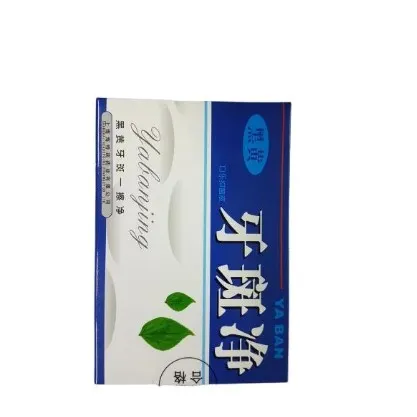
Before undergoing yabanjing whitening, proper preparation is crucial for optimal results and to minimize potential complications. A comprehensive dental examination is essential to ensure your teeth and gums are healthy. Your dentist will check for cavities, gum disease, and other oral health issues that could impact the effectiveness of the whitening treatment. If any problems are detected, they will need to be addressed before proceeding. Your dentist may also professionally clean your teeth to remove plaque and tartar, ensuring the bleaching agent can effectively reach the tooth surface. This cleaning process removes surface stains and enhances the whitening results. You’ll also need to discuss your expectations and any sensitivity concerns with your dentist to determine the most suitable whitening method and product. Furthermore, your dentist will likely take your dental history and discuss your dietary habits to provide personalized recommendations.
The Yabanjing Whitening Process
The yabanjing whitening process typically involves either in-office treatments or at-home kits, each with its own procedures. In-office whitening is often quicker, utilizing stronger bleaching agents under professional supervision. The dentist will apply a protective barrier to your gums to prevent irritation before applying the whitening gel to your teeth. A special light or laser may be used to accelerate the bleaching process, enhancing the results. The process is usually completed within an hour or two, with multiple sessions often recommended. At-home kits usually involve custom-fitted trays provided by your dentist or over-the-counter trays, filled with a lower concentration of bleaching gel. You wear the trays for a specified amount of time each day, usually for several weeks, to achieve the desired level of whitening. It is essential to follow your dentist’s instructions precisely, as improper use can lead to ineffective results or sensitivity. The choice between in-office and at-home whitening depends on individual needs, preferences, and the severity of tooth discoloration.
Post-Whitening Care
After yabanjing whitening, proper aftercare is essential to maintain your results and prevent sensitivity. You may experience some temporary sensitivity to hot and cold foods and drinks, which is normal. Your dentist might recommend a toothpaste specifically designed for sensitive teeth to alleviate discomfort. It’s crucial to avoid staining foods and drinks, such as coffee, tea, red wine, and berries, for at least the first few days after the treatment. Smoking should also be avoided, as it can stain your teeth and reduce the effectiveness of the whitening. Regular dental check-ups and cleanings are essential to maintain your oral health and the brightness of your smile. Following your dentist’s recommendations for post-whitening care will help you achieve the best and longest-lasting results from your yabanjing whitening treatment.
Maintaining Your White Smile
Dietary Considerations
Your diet plays a significant role in maintaining the results of your yabanjing whitening. Certain foods and beverages can stain your teeth and reverse the whitening effect over time. To keep your smile bright, limit your intake of items known for staining, such as coffee, tea, red wine, dark-colored sodas, and berries. When consuming these items, try to do so in moderation and rinse your mouth with water afterward. Incorporate foods that naturally help clean and whiten your teeth, like apples, celery, and carrots, into your diet. These foods stimulate saliva production, which helps wash away food particles and neutralize acids that can contribute to staining. Additionally, ensure you’re getting enough calcium and other nutrients to support strong and healthy teeth. Being mindful of your dietary choices is critical in prolonging the effects of your whitening treatment and keeping your smile radiant.
Oral Hygiene Practices
Consistent and effective oral hygiene is the cornerstone of maintaining a white smile after yabanjing whitening. Brush your teeth at least twice a day with a whitening toothpaste that contains fluoride, which helps strengthen enamel and protect against stains. Flossing daily removes plaque and food particles from between your teeth, where brushing cannot reach, preventing discoloration. Consider using an antibacterial mouthwash to further reduce plaque and bacteria. Regular dental check-ups and professional cleanings are essential for maintaining your oral health and removing surface stains that brushing alone cannot eliminate. Your dentist may recommend specific products or techniques to help you keep your teeth white. Additionally, avoid smoking and chewing tobacco, as these habits can quickly stain your teeth and compromise your oral health. By adhering to a diligent oral hygiene routine, you can significantly extend the life of your whitening results and enjoy a bright, healthy smile for years.
Common Questions About Yabanjing Whitening

Is Yabanjing Whitening Right for Me?
Determining whether yabanjing whitening is right for you involves assessing your individual needs and circumstances. If you have healthy teeth and gums but are unhappy with the color of your teeth due to stains or natural discoloration, you are likely a good candidate. However, yabanjing whitening may not be suitable for everyone. It is generally not recommended for individuals with extensive dental work, such as fillings or crowns, as the whitening agents will not affect these materials. Pregnant or breastfeeding women should also avoid teeth whitening treatments. People with severe tooth sensitivity or gum disease should consult with their dentist before undergoing whitening. It’s essential to have realistic expectations about the results, as the degree of whitening can vary depending on the type and severity of stains. A consultation with your dentist will help you assess your suitability and determine the most appropriate whitening method for your specific needs.
Potential Side Effects and Risks
While yabanjing whitening is generally a safe procedure, it’s important to be aware of potential side effects and risks. The most common side effect is temporary tooth sensitivity, which can last for a few days after the treatment. Some individuals may also experience mild gum irritation. These effects are usually temporary and can be managed with over-the-counter pain relievers or desensitizing toothpaste. In rare cases, excessive use of whitening products can lead to enamel erosion. Following your dentist’s instructions carefully is crucial to minimize these risks. Individuals with pre-existing dental conditions or sensitivity should discuss these concerns with their dentist before undergoing the procedure. Choosing a qualified dental professional who uses safe and effective methods will significantly reduce the likelihood of adverse effects. Understanding these potential risks allows you to make an informed decision and take the necessary precautions to ensure a positive experience.
In conclusion, yabanjing whitening can be a transformative process, offering a pathway to a brighter, more confident smile. From understanding the science behind it to adopting proper aftercare, this comprehensive guide has equipped you with the knowledge needed to navigate this popular cosmetic procedure. Remember to consult with your dentist to determine if yabanjing whitening is right for you and to ensure the best possible outcome. With the right preparation, process, and maintenance, you can unlock the potential for a dazzling smile and enjoy the enhanced self-esteem that comes with it.