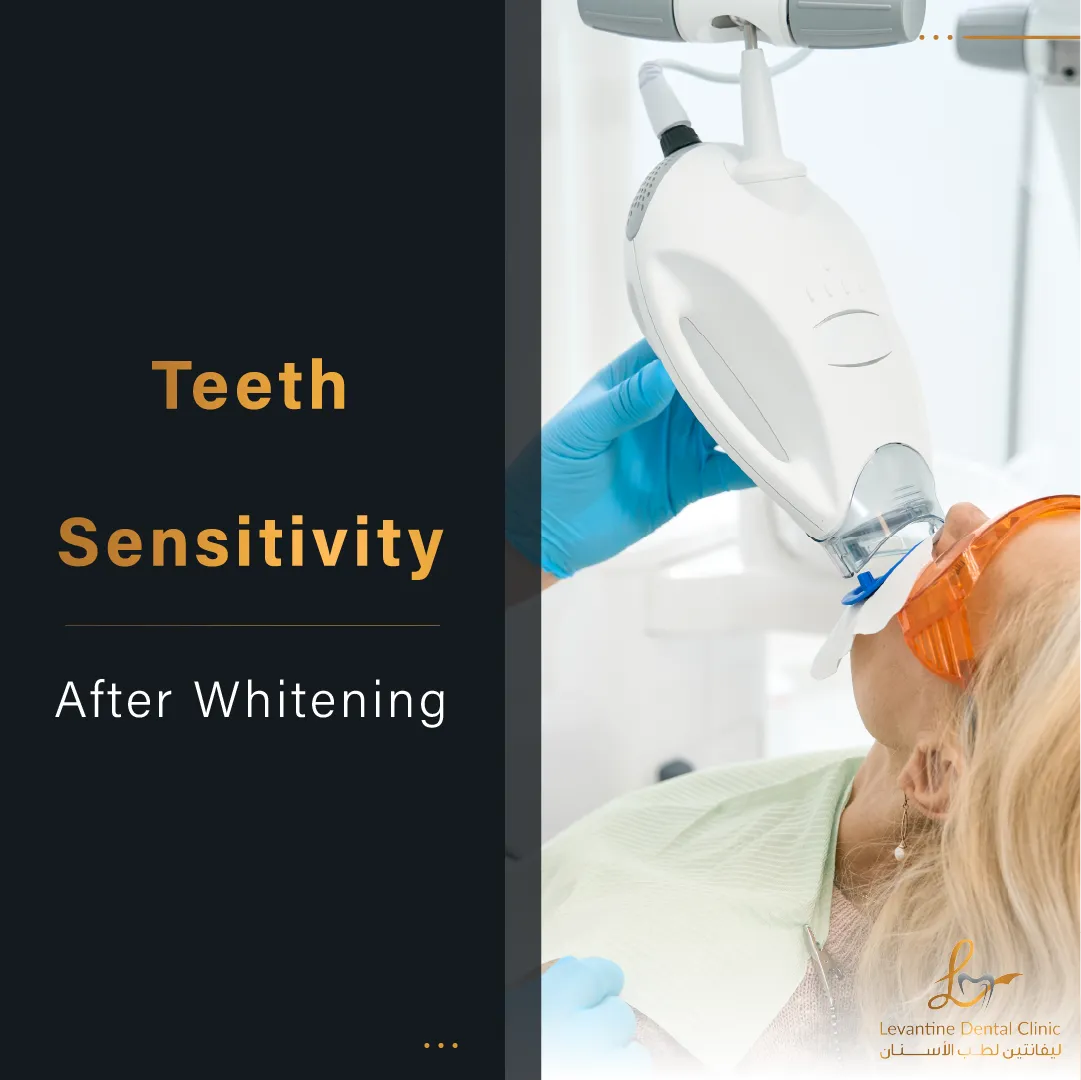
Understanding Tooth Sensitivity After Whitening
Tooth sensitivity after whitening is a common temporary side effect experienced by many individuals seeking a brighter smile. While the prospect of achieving whiter teeth is exciting, it’s essential to understand the potential discomfort that might accompany the process. This sensitivity manifests as a sharp, transient pain or discomfort in the teeth, often triggered by cold or hot temperatures, sugary foods, or even air. It arises because the whitening agents used in these treatments can penetrate the enamel and dentin of the teeth, affecting the nerve endings within. Recognizing the nature of this sensitivity is the first step in managing it effectively and ensuring a positive whitening experience. Understanding the causes and duration can help you prepare and take necessary precautions.
What Causes Tooth Sensitivity After Whitening
The primary culprit behind tooth sensitivity after whitening is the whitening agent itself, which typically contains ingredients like hydrogen peroxide or carbamide peroxide. These chemicals work by breaking down the stains on your teeth. However, this process can also affect the tooth’s structure, leading to sensitivity. The degree of sensitivity varies depending on several factors, but the underlying cause remains the same: the temporary alteration of the tooth’s protective layers and the subsequent irritation of the nerve endings. Various factors can influence this, including the concentration of the whitening agent and the individual’s dental health history.
The Role of Hydrogen Peroxide

Hydrogen peroxide is the workhorse in most teeth whitening products. It is a strong oxidizing agent that penetrates the enamel and dentin, breaking down stain molecules and lightening the tooth’s color. However, this process can also lead to the opening of the dentinal tubules, tiny channels that connect the enamel surface to the tooth’s nerve. When these tubules are exposed, the nerve endings become more susceptible to external stimuli, resulting in the sensation of sensitivity. The higher the concentration of hydrogen peroxide, the more significant the potential for sensitivity, but the quicker and more pronounced the whitening effect might be.
Enamel and Dentin Sensitivity
The enamel is the hard, protective outer layer of the tooth, while dentin lies beneath the enamel and contains microscopic tubules that lead to the tooth’s pulp, where the nerves and blood vessels reside. Whitening agents can cause temporary dehydration of the enamel, making it more porous, and allowing the whitening chemicals to more easily reach the dentin. This increased permeability, coupled with the direct contact of the whitening agents with the dentin tubules, heightens the chance of nerve stimulation and leads to the common experience of sensitivity. The health and thickness of your enamel play a crucial role in how sensitive your teeth become, with thinner or damaged enamel increasing the likelihood of sensitivity.
Top 5 Factors Influencing Sensitivity Duration
The duration of tooth sensitivity after whitening isn’t the same for everyone. Several factors play a role in how long this sensitivity lasts. These factors range from the strength of the whitening product used to your oral health. Recognizing these influencing factors will help you get prepared and reduce the discomfort experienced during and after the whitening process. Understanding these will help in better preparing yourself for the process and manage your expectations regarding potential discomfort.
Whitening Product Strength

The concentration of the active whitening agent, typically hydrogen peroxide or carbamide peroxide, is a significant factor. Stronger products often lead to quicker whitening results but can also cause more intense and prolonged sensitivity. Professional in-office whitening treatments use higher concentrations than at-home kits, potentially leading to more sensitivity, albeit under the controlled supervision of a dentist. When choosing a whitening product, be mindful of the concentration and consider your sensitivity threshold. If you’re prone to sensitivity, start with a lower-concentration product and gradually increase the strength if needed.
Individual Tooth Sensitivity
Every individual’s teeth react differently to whitening treatments. Some people have naturally more sensitive teeth due to thinner enamel, receding gums, or pre-existing dental conditions. For others, the dentin tubules might be more exposed, increasing sensitivity. Your genetic makeup and overall oral health significantly influence how your teeth respond to whitening agents. Understanding your own teeth’s sensitivity level is important for making informed decisions. If you’re uncertain, consulting your dentist is the best way to gauge your sensitivity level and choose a suitable whitening approach.
Whitening Method Used
The method of whitening, whether in-office treatments, take-home trays, or over-the-counter strips, also affects sensitivity duration. In-office procedures often involve higher-concentration solutions and can sometimes cause more immediate sensitivity. At-home trays and strips, on the other hand, typically use lower concentrations and provide more gradual results. The frequency of application also plays a role; more frequent use increases the chances of experiencing sensitivity. The specific instructions provided with your chosen method should be followed carefully to minimize any unwanted side effects. Consulting with your dentist will help you select the best option for your needs.
Pre-existing Dental Conditions

Individuals with pre-existing dental issues, such as cavities, gum disease, or cracked teeth, are more prone to sensitivity. These conditions can expose the dentin and nerve endings, making the teeth more vulnerable to the whitening agent. It’s essential to address any dental problems before undergoing whitening treatments. Your dentist can assess the health of your teeth and recommend appropriate treatments to minimize sensitivity. Ignoring these pre-existing issues will not only worsen the sensitivity but could also lead to more significant dental complications.
Post-Whitening Care
How you care for your teeth after whitening significantly impacts sensitivity duration. Following your dentist’s or the product’s instructions is crucial. This includes using sensitivity toothpaste, avoiding trigger foods, and maintaining good oral hygiene. The post-whitening care contributes to how quickly your teeth recover and how long any sensitivity lasts. Proper care includes avoiding harsh brushing and flossing, which can further irritate your teeth. Be patient, as your teeth will become less sensitive over time as long as you follow the recommended care.
Average Duration of Tooth Sensitivity
The duration of tooth sensitivity after whitening can vary widely, but there are general timelines to keep in mind. For most people, the sensitivity is temporary and resolves within a few days to a couple of weeks. However, some might experience sensitivity for a shorter or longer period depending on the factors discussed. Knowing what to expect can help you prepare and seek appropriate remedies if needed. Understanding the timelines involved can ease your concerns and help you enjoy the benefits of your brighter smile more comfortably.
Short-Term Sensitivity

Many individuals experience short-term sensitivity, which typically lasts from a few hours to a few days after the whitening treatment. This type of sensitivity is often mild and can be managed with over-the-counter products or simple lifestyle adjustments. It is a normal response to the whitening process and generally subsides as the teeth recover. If your sensitivity falls into this category, you can usually continue with your daily activities without significant discomfort. Maintaining good oral hygiene and avoiding trigger foods can help speed up the recovery time.
Long-Term Sensitivity
In some cases, sensitivity can persist for longer periods, extending beyond a few weeks. This can happen if the whitening treatment is particularly intense or if the individual has pre-existing dental issues. While less common, long-term sensitivity can be concerning and may require professional dental intervention. If the sensitivity persists, consulting your dentist is crucial to identify any underlying issues and determine appropriate treatment. Your dentist can evaluate your oral health and recommend specific strategies to alleviate the sensitivity and prevent further complications.
Managing Tooth Sensitivity After Whitening
Fortunately, several effective strategies can help manage tooth sensitivity after whitening, allowing you to enjoy the benefits of a brighter smile with minimal discomfort. These strategies involve simple lifestyle adjustments and over-the-counter remedies. Implementing these strategies can make the post-whitening experience significantly more comfortable and ensure that you can smile with confidence. Taking these steps will not only relieve your symptoms but also protect your oral health.
Using Sensitivity Toothpaste

Sensitivity toothpaste is specially formulated to block the dentinal tubules, reducing the nerve’s exposure to irritants. It contains ingredients like potassium nitrate, which helps desensitize the nerves. Using sensitivity toothpaste before, during, and after whitening can significantly reduce discomfort. Regular use, as directed on the packaging, can provide relief within a few days to a couple of weeks. This simple adjustment to your oral care routine can make a significant difference in your comfort level during the whitening process. If you are sensitive to teeth whitening, start using this at least two weeks before the procedure.
Fluoride Treatments
Fluoride strengthens tooth enamel and reduces sensitivity by blocking the dentinal tubules. Your dentist can provide professional fluoride treatments or recommend fluoride-containing products for home use. These treatments help remineralize the enamel and make it less porous. Fluoride treatments are particularly beneficial immediately after whitening, when the teeth are most vulnerable. Using fluoride treatments can provide a protective layer, reducing sensitivity and improving your overall oral health. Consult your dentist about the fluoride options and the frequency of use.
Avoiding Trigger Foods and Drinks
Certain foods and drinks can exacerbate tooth sensitivity. These include very hot or cold beverages, sugary foods, and acidic items. Avoiding these triggers can significantly reduce discomfort during the sensitivity period. Instead of hot coffee, try lukewarm tea; avoid ice cream and prefer room-temperature options. By being mindful of your diet, you can prevent unnecessary pain and promote faster recovery. This is a temporary adjustment, but it makes a significant difference in comfort while your teeth recover after whitening. Avoiding these foods ensures a quicker recovery time and a more pleasant experience.
When to Seek Professional Help

While most tooth sensitivity after whitening is temporary and manageable, there are situations when you should consult your dentist. If the sensitivity is severe, persists for an extended period, or is accompanied by other symptoms like pain or swelling, it’s important to seek professional advice. Your dentist can assess the underlying cause and recommend appropriate treatments, such as stronger desensitizing agents or other interventions. Early intervention can prevent more severe dental issues. Regular dental checkups are crucial for monitoring your oral health and ensuring that any problems are addressed promptly. Listen to your body, and don’t hesitate to seek professional help if you have any concerns.