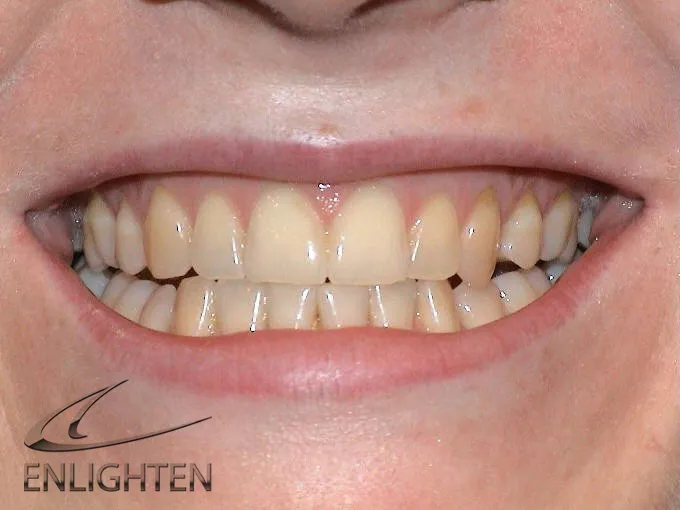
Understanding Teeth Whitening
Teeth whitening has become a popular cosmetic procedure for those seeking to enhance their smiles. The process aims to lighten the color of your teeth, removing stains and discoloration, and improving your overall appearance. Many factors contribute to the color of your teeth, including genetics, age, diet, and lifestyle choices. There are various methods available, from over-the-counter products to professional treatments, each offering different levels of effectiveness and convenience. Understanding the basics of teeth whitening is the first step in achieving a brighter, more confident smile, allowing you to make informed decisions about the best approach for your specific needs and goals. This guide explores the various aspects of teeth whitening, helping you navigate the options and achieve the best possible results.
How Teeth Whitening Works
Teeth whitening works by using bleaching agents to break down the stains and discoloration on your teeth. The active ingredients in most whitening products are hydrogen peroxide or carbamide peroxide. These compounds penetrate the enamel and dentin, the layers of your teeth, and break down the stain molecules. The concentration of the bleaching agent determines the effectiveness and speed of the whitening process. Over-the-counter products usually contain lower concentrations, while professional treatments use higher concentrations for faster and more dramatic results. The process is essentially a chemical reaction that alters the color of the tooth structure, making them appear whiter. Different methods may also utilize light or lasers to accelerate the whitening process and enhance the results.
The Science Behind Tooth Discoloration

Tooth discoloration occurs due to a combination of intrinsic and extrinsic factors. Extrinsic stains are on the surface of the tooth and are often caused by food, drinks (such as coffee, tea, and red wine), and smoking. These stains can be removed with brushing, professional cleaning, and whitening products. Intrinsic stains are within the tooth structure itself and are often caused by aging, trauma, medications (like tetracycline), or excessive fluoride exposure. These stains are more difficult to remove and usually require professional whitening treatments. Understanding the cause of discoloration is crucial in choosing the most effective whitening method. Professional dentists can assess the type and severity of the stains to recommend the best course of action for optimal results.
Top 5 Instant Whitening Tips
Achieving a brighter smile doesn’t always require extensive professional treatments. Several effective methods can provide instant whitening results, helping you feel more confident in your appearance. These tips are practical, easy to implement, and can significantly enhance your smile. Combining these tips can maximize the whitening effect and help you achieve the desired level of brightness. It is important to consult with a dentist to determine the best approach for your oral health and the type of staining you have.
Tip 1 Use Whitening Toothpaste
Whitening toothpaste is a great way to start your whitening journey. These toothpastes typically contain mild abrasives that help remove surface stains. They are also formulated with ingredients that can enhance the whitening effect. Regular use can lead to noticeable improvements in the brightness of your teeth. Choosing a whitening toothpaste can be an easy and affordable way to incorporate whitening into your daily routine. For best results, it is recommended to use it twice a day, as part of your regular oral hygiene.
How Whitening Toothpaste Works

Whitening toothpastes work primarily by removing surface stains through mild abrasion. They also contain special ingredients like hydrogen peroxide, which helps to whiten your teeth by breaking down the stain molecules. The abrasives gently scrub away stains caused by food, drinks, and tobacco. The effectiveness of whitening toothpaste varies depending on the formulation and the type of stains. Consistent use over time can lead to gradual but noticeable improvements. Always follow the instructions on the toothpaste package and consult your dentist about the best product for your needs.
Tip 2 Try a Whitening Rinse
Whitening mouthwashes are another easy addition to your oral care routine. They help to whiten teeth and freshen breath. They often contain hydrogen peroxide, a key whitening ingredient, which penetrates the enamel to lighten teeth. The rinse helps remove food particles and bacteria, contributing to a cleaner mouth and a brighter smile. Using a whitening rinse daily can enhance the effects of whitening toothpaste and other treatments. Make sure to follow the instructions on the product label and consult with your dentist to make sure the product is right for you.
Benefits of Using a Whitening Rinse
Whitening rinses provide several benefits beyond just whitening. They help to kill bacteria, prevent plaque buildup, and reduce the risk of gingivitis. The hydrogen peroxide in the rinse helps to whiten teeth, breaking down stains and discoloration. Regular use can lead to a noticeable improvement in your smile. A whitening rinse is an effective and easy way to maintain oral hygiene and enhance your smile. It works in tandem with other treatments to boost your whitening efforts. Select a rinse based on your individual dental needs and preferences, and consult with your dentist for guidance.
Tip 3 Utilize Over-the-Counter Strips

Teeth whitening strips are a convenient and popular method for teeth whitening. They are thin, flexible strips coated with a whitening gel, typically containing hydrogen peroxide. Strips are easy to use at home and can provide visible results within a few days to weeks. They are relatively affordable and available in many drugstores and online. Strips offer a targeted approach, applying the whitening agent directly to the surface of the teeth. These can be a good option for those looking for a convenient and effective way to brighten their smile.
Effectiveness of Whitening Strips
Whitening strips can effectively remove surface stains and lighten teeth color. The hydrogen peroxide in the strips penetrates the enamel, breaking down stain molecules. The effectiveness varies depending on the concentration of the peroxide and the duration of use. Results are usually noticeable after a few days of use and can continue to improve over time. The strips are most effective on teeth with mild to moderate staining. For more severe discoloration, professional treatments might be more effective. Always follow the manufacturer’s instructions for the best results.
Tip 4 Consider a Whitening Pen
Whitening pens are a convenient and portable option for teeth whitening. They are designed for easy application, allowing you to target specific areas of your teeth. The pens typically contain a whitening gel that is applied directly to the tooth surface. Whitening pens are ideal for touch-ups or addressing isolated stains. They’re often a good choice for on-the-go whitening, providing a quick and easy way to maintain a brighter smile. Using a pen can be a practical way to enhance your smile between more extensive treatments.
How to Apply a Whitening Pen

Applying a whitening pen is usually straightforward. First, brush and floss your teeth thoroughly. Dry your teeth with a tissue to ensure the gel adheres properly. Twist the pen to dispense the gel onto the applicator brush. Apply a thin layer of the gel to the surface of your teeth, avoiding contact with your gums. Keep your mouth open for the recommended time, usually a few minutes, and avoid eating or drinking during this period. After the recommended time, rinse your mouth and repeat the application as needed. Follow the instructions provided by the manufacturer for optimal results.
Tip 5 Schedule a Professional Treatment
For the most dramatic and immediate results, consider a professional teeth whitening treatment. Dentists offer various in-office whitening procedures that use stronger bleaching agents than over-the-counter products. These treatments are performed under controlled conditions, ensuring both safety and effectiveness. Professional whitening can address severe stains and discoloration, providing significant improvements in a single session. It is a great option for anyone seeking a brighter smile quickly and effectively. Always consult your dentist to determine if professional whitening is the right choice for you.
Benefits of Professional Whitening
Professional whitening offers several advantages over at-home methods. The treatments use higher concentrations of bleaching agents, providing faster and more effective results. Your dentist can customize the treatment to address your specific needs and the type of staining you have. They can also protect your gums and other soft tissues from the bleaching agents. In-office treatments often include desensitizing agents to reduce any potential sensitivity. Professional treatments are performed in a safe and controlled environment, ensuring optimal results while minimizing the risk of side effects. This approach is ideal for individuals seeking the most significant improvements in the shortest amount of time.
Maintaining Your White Smile

Once you’ve achieved your desired level of whitening, maintaining your results is crucial. This involves a combination of good oral hygiene practices and lifestyle choices. Following these guidelines can help extend the life of your white smile and prevent new stains from forming. Consistent care and attention will help ensure your teeth remain bright and healthy. It is essential to incorporate these practices into your daily routine to enjoy a long-lasting, radiant smile. Regular dental checkups and cleanings are also essential for maintaining optimal oral health and the appearance of your teeth.
Best Practices for Long-Term Whitening
To maintain a white smile, brush your teeth twice a day with a whitening toothpaste, and floss daily. Use a whitening mouthwash to help remove stains and freshen your breath. Consider using a straw when drinking staining beverages like coffee or tea. Avoid smoking and tobacco products, as they are major causes of tooth discoloration. Schedule regular dental checkups and cleanings to remove any surface stains and maintain your oral health. Following these practices will help keep your teeth bright and prevent future staining. Routine maintenance and care are vital for the long-term success of your whitening efforts.
Foods and Drinks to Avoid
Certain foods and drinks can stain your teeth and compromise your whitening results. Limit your consumption of coffee, tea, and red wine, which are known for causing discoloration. Avoid dark-colored sodas, fruit juices, and sports drinks. Be cautious with highly pigmented foods like berries, tomato sauce, and curry. If you consume these items, rinse your mouth with water immediately afterward. Regular consumption of these items can contribute to staining. By reducing these items from your diet you can preserve your whiter smile for longer.
When to See a Dentist

It’s important to consult with your dentist before starting any teeth whitening treatment. They can assess the health of your teeth and gums and recommend the best approach for your specific needs. See your dentist if you experience tooth sensitivity or gum irritation during whitening. Report any unusual changes to your dentist. Schedule regular checkups and professional cleanings to maintain your oral health. Your dentist can provide professional advice and guidance to achieve and maintain a bright, healthy smile. Regular dental visits ensure your teeth remain healthy and your whitening efforts are effective and safe.