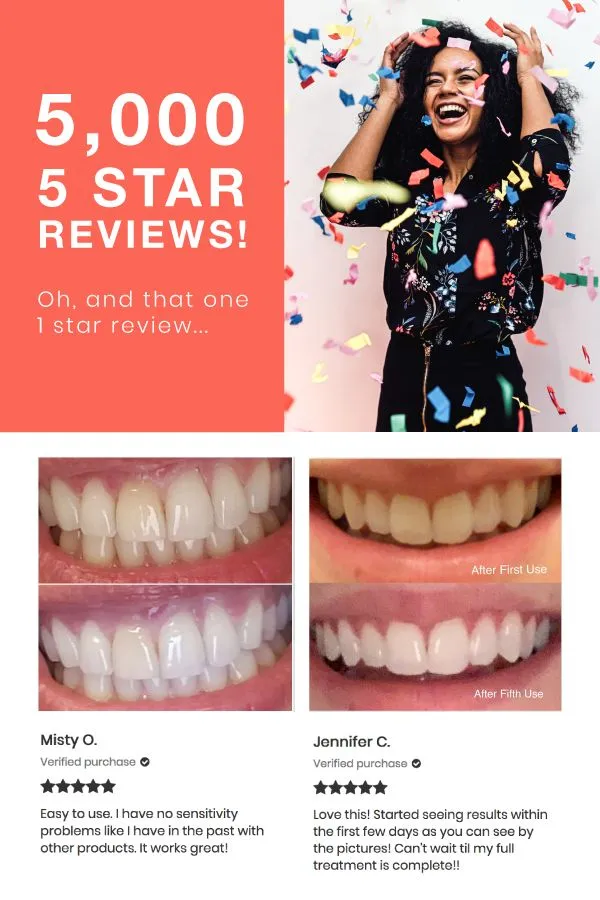
A brighter, more confident smile is a universal desire, and whitening strips have emerged as a popular and accessible solution. These convenient strips promise to transform your smile in the comfort of your own home, offering a cost-effective alternative to professional treatments. But how do they work, and what do you need to know to achieve the best results? This comprehensive guide will explore everything you need to know about whitening strips, from their benefits and science to choosing the right product, proper application, and maintaining your dazzling new smile. Get ready to discover how to unlock a brighter, more radiant you with the help of whitening strips.
Understanding Whitening Strips Benefits
Whitening strips offer several key advantages that contribute to their popularity. First and foremost is their convenience. Unlike professional treatments that require dental appointments, whitening strips can be used anytime, anywhere, fitting seamlessly into your daily routine. They are also significantly more affordable than in-office procedures, making them accessible to a wider audience. Furthermore, whitening strips are generally easy to use, with straightforward instructions that even beginners can follow. They provide a noticeable improvement in tooth whiteness, boosting your confidence and enhancing your overall appearance. The ability to achieve visible results within days or weeks makes them a fast and effective solution for those seeking a brighter smile. These benefits, combined with their widespread availability, make whitening strips a go-to choice for those seeking a brighter smile.
How Whitening Strips Work
Whitening strips use a bleaching agent, typically hydrogen peroxide or carbamide peroxide, to penetrate the enamel and dentin layers of your teeth. These agents break down the stains and discoloration that accumulate over time due to factors like food, beverages, and aging. When the strip is applied to the teeth, the bleaching agent comes into direct contact with the stained areas. The active ingredients react with the discolored molecules, breaking them down into smaller, less visible particles. This process gradually lightens the overall shade of the teeth. The concentration of the bleaching agent and the duration of application determine the effectiveness of the whitening process. The process can vary depending on the product, with some strips offering faster results than others. Consistent use, as directed, is crucial to achieving the desired outcome of a brighter, whiter smile.
The Science Behind Teeth Whitening

At a microscopic level, tooth enamel is porous, allowing stains to penetrate and accumulate over time. These stains can originate from various sources, including pigmented food and drinks, such as coffee, tea, and red wine, as well as from tobacco use. The active ingredients in whitening strips, primarily hydrogen peroxide or carbamide peroxide, are oxidizing agents. They work by releasing oxygen molecules that react with the stain molecules within the enamel. This oxidation process breaks down the larger stain molecules into smaller, colorless ones. As the smaller molecules are less visible, the overall appearance of the teeth becomes whiter. The effectiveness of this process depends on the concentration of the active agent, the duration of application, and the individual characteristics of the teeth. Understanding this process allows you to appreciate how whitening strips can effectively combat the accumulation of stains and restore your smile’s natural brilliance.
Choosing the Right Whitening Strips
Selecting the right whitening strips can feel overwhelming given the wide array of products available. It’s important to consider several factors to ensure you choose a product that is effective and safe for your teeth. First, evaluate the concentration of the active ingredient, usually hydrogen peroxide. Higher concentrations may yield faster results but can also increase the risk of sensitivity. Consider the duration of treatment; some strips require daily use for several weeks, while others offer shorter, more intensive courses. Check for the ADA (American Dental Association) Seal of Acceptance, which indicates that the product has been evaluated for safety and effectiveness. Also, research customer reviews and testimonials to gauge other users’ experiences with the product. The shape and fit of the strips are also crucial; ensure they cover your teeth comfortably and adhere well. Consider your specific needs and preferences, such as sensitivity levels and desired results, when making your decision. Careful consideration of these factors will help you select the best whitening strips for your individual needs.
Factors to Consider When Selecting Strips
When selecting whitening strips, consider the concentration of hydrogen peroxide, the active bleaching agent. Products with higher concentrations may produce faster results, but they can also increase the likelihood of tooth sensitivity and gum irritation. The treatment duration is also important. Some strips require daily application for several weeks, while others offer shorter courses. Evaluate the ADA Seal of Acceptance, which indicates the product has been tested and meets certain standards for safety and effectiveness. Read customer reviews to see how others have experienced the product, taking note of any common issues or positive feedback. The shape and fit of the strips are essential for effective whitening. They should comfortably adhere to your teeth and cover the visible surfaces without overlapping onto the gums. Take into account your sensitivity levels and any pre-existing dental conditions. Some products are specifically designed for sensitive teeth. Choosing the right whitening strips involves balancing effectiveness, safety, and individual needs to achieve the best outcome.
Types of Whitening Strips Available

The market offers a variety of whitening strips, each designed to cater to different needs and preferences. Standard whitening strips are the most common type, offering a balance between effectiveness and ease of use. They typically contain a moderate concentration of hydrogen peroxide and are applied once or twice a day for a specified period. Sensitive teeth whitening strips are formulated with a lower concentration of the active ingredient, minimizing the risk of sensitivity. These strips are an excellent choice for individuals who experience discomfort with stronger products. Express whitening strips provide faster results, often using a higher concentration of the bleaching agent or a more advanced delivery system. These strips are suitable for those who want quicker outcomes but should be used with caution. Professional-strength whitening strips, sometimes available through dentists, contain even higher concentrations of hydrogen peroxide for maximum whitening power. These are best used under professional guidance. When selecting, consider the types available and the type that best fits your personal needs and desired results.
Step-by-Step Guide to Using Whitening Strips
Using whitening strips effectively involves following a clear set of steps. Begin by brushing your teeth gently to remove any food particles and plaque. However, avoid brushing immediately before applying the strips; wait for about 30 minutes to prevent potential sensitivity. Open the whitening strip package and carefully peel the strips away from the backing. Apply the longer strip to your upper teeth and the shorter strip to your lower teeth, ensuring that the gel side adheres to the teeth. Gently press the strips onto your teeth, molding them to the contours of your smile. Leave the strips on for the recommended duration, usually 30 minutes to an hour, as specified in the product instructions. Once the time is up, carefully remove the strips and dispose of them properly. Rinse your mouth with water to remove any remaining gel. Avoid eating or drinking for at least 30 minutes after application to allow the whitening process to continue. By following these steps, you can maximize the effectiveness of your whitening strips and achieve a brighter smile.
Preparing Your Teeth for Whitening
Preparing your teeth before using whitening strips is crucial for ensuring optimal results and minimizing potential side effects. Start by brushing your teeth gently with a soft-bristled toothbrush to remove plaque and debris. Avoid using an abrasive toothpaste that can irritate your gums or increase sensitivity. Flossing before applying the strips can also help by removing any food particles trapped between your teeth. However, it’s best to wait approximately 30 minutes after brushing before applying the strips. This allows the enamel to re-harden, reducing the risk of sensitivity. If you have any pre-existing dental issues, such as cavities or gum disease, consult your dentist before starting any whitening treatment. They can address any concerns and advise you on whether whitening strips are suitable for you. Those with sensitive teeth may want to consider using a toothpaste designed for sensitivity for a few weeks before starting the whitening process to help minimize discomfort. The key to effective preparation is a clean and healthy mouth, making your teeth ready for the whitening process.
Applying the Strips Correctly

Proper application is vital for the effectiveness and safety of whitening strips. After preparing your teeth, carefully peel the strips from the backing, handling them gently to avoid tearing them. Apply the longer strip to your upper teeth and the shorter strip to your lower teeth. Ensure the gel side of the strips adheres directly to your teeth, avoiding contact with your gums as much as possible to minimize irritation. Gently press the strips onto your teeth, molding them to the contours of your smile. The strips should cover the visible surfaces of your teeth comfortably. Do not overlap the strips onto your gums. Once applied, avoid eating, drinking, or smoking during the application period, as these activities can reduce the effectiveness and increase the risk of staining. Follow the product instructions carefully for the recommended duration, typically 30 minutes to an hour, depending on the product. After the application period, carefully remove the strips and dispose of them. By following these steps, you will maximize the effectiveness of your whitening strips and protect your gums.
Post-Treatment Care for Optimal Results
After using whitening strips, proper post-treatment care is essential for maximizing results and protecting your newly whitened smile. After removing the strips, rinse your mouth with water to remove any remaining gel residue. Avoid brushing your teeth immediately after, as the enamel is slightly more porous during this time. Wait for at least 30 minutes before brushing. For the first few days after treatment, avoid consuming foods and drinks that can stain your teeth, such as coffee, tea, red wine, berries, and dark sauces. Using a toothpaste formulated for sensitive teeth can help minimize any discomfort or sensitivity. Maintaining a consistent oral hygiene routine, including brushing twice a day and flossing daily, is essential for keeping your teeth bright and healthy. Consider using a whitening toothpaste to maintain your results. Regular dental check-ups and cleanings will help you maintain the bright, white smile you’ve worked so hard to achieve. Careful attention to post-treatment care will help you maintain the results.
Tips for Maintaining Your White Smile
Maintaining your bright, white smile requires a proactive approach to oral care and lifestyle habits. Good oral hygiene is foundational. Brush your teeth twice a day for two minutes each time, using a fluoride toothpaste. Floss daily to remove plaque and food particles from between your teeth, preventing stains and promoting gum health. Regular dental check-ups and cleanings are crucial for maintaining your results, as your dentist can remove any surface stains and monitor your oral health. Be mindful of your diet, and limit your consumption of foods and drinks that stain teeth, such as coffee, tea, red wine, and berries. If you do consume these items, rinse your mouth with water immediately afterward. Consider using a straw for beverages to minimize contact with your teeth. Quit smoking and avoid other tobacco products, as they contribute significantly to tooth discoloration. Consider using a whitening toothpaste or mouthwash as part of your routine to help maintain your results. By integrating these tips into your daily life, you can enjoy your beautiful, white smile for a long time.
Oral Hygiene Habits

Maintaining optimal oral hygiene is the cornerstone of a bright, healthy smile. The most critical habit is brushing your teeth at least twice a day for two minutes each time. Use a soft-bristled toothbrush to avoid damaging your enamel and gums. A fluoride toothpaste helps to strengthen your teeth and protect against cavities. Flossing daily is also essential to remove plaque and food particles from between your teeth, where a toothbrush cannot reach. This helps to prevent tooth decay and gum disease, which can negatively impact the appearance of your smile. Using an antimicrobial mouthwash can further reduce bacteria in your mouth, contributing to overall oral health. Regular dental check-ups and cleanings are also vital. Your dentist can identify any potential issues early on and remove any plaque or tartar buildup that brushing and flossing may miss. Following these oral hygiene habits will not only help to keep your teeth white but will also contribute to your overall health and well-being. Consistency in these habits is key to long-term success and a radiant smile.
Avoiding Staining Foods and Drinks
One of the most effective ways to maintain your bright, white smile is to be mindful of the foods and drinks you consume. Certain items are notorious for staining teeth due to their high pigment content. Coffee and tea, both dark-colored beverages, can stain your teeth over time. Red wine, rich in tannins and chromogens, is another significant culprit. Berries, especially blueberries, blackberries, and raspberries, contain pigments that can easily stain your teeth. Dark sauces, such as soy sauce and balsamic vinegar, can also contribute to discoloration. To minimize staining, you can limit your consumption of these items, and when you do consume them, be sure to rinse your mouth with water afterward. Using a straw when drinking dark beverages can also help to reduce direct contact with your teeth. Including calcium-rich foods in your diet, such as milk, yogurt, and cheese, can help to strengthen your teeth and make them less susceptible to staining. Being aware of these staining agents and adopting strategies to minimize their impact is crucial for maintaining the brilliance of your whitened smile.
Potential Side Effects and How to Manage Them
While whitening strips are generally safe, it’s essential to be aware of potential side effects and how to manage them. The most common side effect is tooth sensitivity, which can manifest as a temporary discomfort or sharp pain when consuming hot or cold foods and drinks. This sensitivity is usually mild and resolves shortly after completing the whitening treatment. To manage sensitivity, use a toothpaste designed for sensitive teeth, which contains ingredients that help to block the tubules in the enamel. Avoid overusing the strips and follow the instructions carefully. Gum irritation is another potential side effect, often caused by the bleaching agent coming into contact with the gums. This can result in redness, swelling, or soreness. To prevent gum irritation, ensure that the strips are properly applied, avoiding contact with the gums. If irritation occurs, rinse your mouth with water and avoid using the strips until the irritation subsides. In rare cases, some individuals may experience an allergic reaction to the ingredients in the strips. If you experience any unusual symptoms, such as swelling or difficulty breathing, stop using the product and seek medical attention immediately. Understanding these potential side effects and taking appropriate measures will help you achieve a brighter smile safely.
Sensitivity and Discomfort

Tooth sensitivity is a common side effect of using whitening strips, characterized by a temporary discomfort or sharp pain when consuming hot or cold foods and drinks. This sensitivity occurs because the bleaching agent in the strips can penetrate the enamel and reach the dentin layer, which contains nerve endings. Fortunately, this sensitivity is usually mild and temporary, resolving within a few days or weeks after completing the whitening treatment. Several strategies can help manage sensitivity. Using a toothpaste specifically designed for sensitive teeth, which contains ingredients like potassium nitrate, can help to block the tubules in the enamel, reducing nerve stimulation. Avoid overusing the whitening strips; follow the product instructions carefully and do not exceed the recommended treatment duration. Take breaks between treatments if necessary. Avoid consuming acidic foods and drinks immediately after using the strips, as they can further irritate your teeth. If sensitivity becomes excessive, consult your dentist, who may recommend professional treatments to alleviate the discomfort and protect your enamel. Being aware of and proactively managing sensitivity can help ensure a more comfortable experience.
Alternatives to Whitening Strips
While whitening strips are a convenient option, several alternatives can also help you achieve a brighter smile. Whitening toothpastes contain mild abrasives and chemicals that help to remove surface stains, although they are generally less effective than whitening strips. Whitening mouthwashes can also help to lighten your teeth, but their whitening effects are usually minimal. At-home whitening kits, which typically include custom-fitted trays and a bleaching gel, offer a more potent whitening solution than strips and are available through your dentist or online. These kits allow for more precise application and can provide more noticeable results. Professional teeth whitening treatments, performed by a dentist, offer the most dramatic results. These treatments use a higher concentration of bleaching agents and can be combined with special lights to accelerate the whitening process. The best choice depends on your budget, desired results, and any sensitivity concerns you may have. Discuss the options with your dentist to determine the best solution for your specific needs. Considering these alternatives will help you explore the diverse options available and find the most effective approach to achieving your desired smile.
Professional Whitening Treatments
Professional teeth whitening treatments, performed by a dentist, offer the most effective and dramatic results for achieving a brighter smile. These treatments typically involve a higher concentration of hydrogen peroxide than over-the-counter products, resulting in faster and more significant whitening. There are several types of professional whitening treatments available. In-office whitening, where the dentist applies the bleaching agent directly to your teeth and may use a special light to accelerate the process. Custom-fitted trays can be provided to wear at home. This involves a take-home kit with custom trays and a bleaching gel, allowing you to whiten your teeth gradually over a period. The dentist will monitor your progress and address any concerns. Professional whitening offers several advantages, including the dentist’s expertise and the ability to address any underlying dental issues. This also provides the ability to use stronger whitening agents. Professional whitening treatments are the most effective option for significantly enhancing your smile. If you desire the most dramatic results, consulting your dentist is the best step.
At-Home Whitening Options

If you prefer whitening your teeth at home, several options are available that offer varying levels of effectiveness and convenience. Whitening toothpastes are a popular choice due to their accessibility and ease of use. They contain mild abrasives and chemical agents that help to remove surface stains and can improve your smile’s brightness. Whitening mouthwashes are another option, typically containing a low concentration of hydrogen peroxide or other whitening agents. They provide a slight whitening effect and can help freshen your breath. At-home whitening kits offer a more powerful whitening solution than toothpastes and mouthwashes. These kits typically include custom-fitted trays that you fill with a bleaching gel and wear for a specified period. These kits can be purchased from your dentist. When choosing an at-home whitening option, it is essential to follow the instructions carefully to ensure you achieve the desired results safely. Consider your budget, desired results, and any sensitivity concerns when making your decision. Your dentist can provide valuable guidance and help you select the best option for your needs, ensuring that your whitening journey is both effective and safe.
Conclusion
Whitening strips offer a convenient and accessible way to achieve a brighter smile. They have become a popular choice, providing a noticeable improvement in tooth whiteness and boosting your confidence. Understanding the science behind how they work, choosing the right product, using them correctly, and maintaining good oral hygiene are all key to achieving the best results. While whitening strips provide a great solution, always be aware of potential side effects and consider alternatives like professional treatments or at-home kits if needed. By following the guidelines outlined in this guide, you can confidently embark on your journey to a more radiant smile, enjoying the many benefits that whitening strips have to offer. Remember to consult with your dentist for personalized advice and to ensure that whitening strips are right for you. With a commitment to proper use and ongoing oral care, you can unlock the confidence and beauty of a brighter, more dazzling smile.