Whitening Strips & Brushing: 5 Key Facts
Achieving a brighter smile with whitening strips is a popular cosmetic dentistry choice, but knowing the correct oral hygiene practices is key to maximizing results and protecting your dental health. A common question that arises among whitening strip users is: When can you brush your teeth after using these strips? The timing of your brushing routine plays a vital role in the effectiveness of the whitening process and the overall well-being of your teeth. Understanding the science behind this, and following some simple guidelines, can help you maintain both a dazzling smile and healthy teeth.
Fact 1: Timing is Everything
The first and perhaps most crucial fact is that timing is everything when it comes to brushing your teeth after using whitening strips. The immediate post-application period is a sensitive time for your teeth, and what you do during this window can significantly impact the results. Brushing too soon can potentially reduce the effectiveness of the whitening treatment and even cause damage. The substances in the strips, designed to whiten, require a certain amount of time to work their magic without interference from other oral hygiene activities. The timing of your brushing directly influences the absorption of the whitening agents into the enamel and therefore, the outcome of the treatment.
Why Wait After Strips

The main reason to wait before brushing after using whitening strips relates to the interaction between the active ingredients in the strips and your teeth. Whitening strips often contain hydrogen peroxide or similar bleaching agents. These agents work by penetrating the enamel to break down stains and discolored molecules. Immediately after applying the strip, the enamel is temporarily more porous. Brushing at this point can remove the whitening agents prematurely, reducing their ability to penetrate and lighten your teeth effectively. The porous nature of the enamel also makes your teeth more susceptible to damage from brushing.
The Science Behind It
Scientifically, the process involves the interaction of the whitening agent with the organic matrix of the tooth enamel. The bleaching agent oxidizes the stain molecules. This reaction breaks down these molecules, making them less visible and thereby lightening the appearance of your teeth. Brushing can disrupt this chemical process, reducing the overall effectiveness of the whitening treatment. For the best results, the whitening agents need to remain on the teeth for a specific period. Brushing during this period interferes with the process, so it is best to wait. The time allows the active ingredients to work effectively without any disruption.
Fact 2: The Role of Enamel
Enamel, the hard, outermost layer of your teeth, plays a pivotal role in the effectiveness of whitening strips and how you should approach brushing afterward. Enamel is a protective barrier, and its integrity is essential to your overall oral health. Understanding how whitening strips affect enamel is key to optimizing your teeth-whitening routine. When using whitening strips, you are essentially interacting with the enamel at a molecular level. The ingredients in the strips work to penetrate and alter the staining molecules within the enamel. This interaction, though designed to enhance the appearance of your teeth, can temporarily change the enamel’s properties.
How Strips Affect Enamel

During the whitening process, the enamel becomes more susceptible. The active ingredients in the whitening strips can cause a temporary increase in the porosity of the enamel. This means the surface of your teeth may become slightly more vulnerable to external factors. When the enamel is in this state, brushing can lead to increased sensitivity, and potentially, a reduction in the whitening agent’s effectiveness. The enamel’s temporary porous state also increases the chance of surface damage from abrasive brushing. Therefore, it’s important to be gentle with your oral hygiene practices immediately after using the strips.
The Importance of Remineralization
After using whitening strips, the process of remineralization becomes critically important. Remineralization is the natural process where minerals, such as calcium and phosphate, are redeposited into the enamel. This process strengthens and restores the enamel, making it more resistant to decay and sensitivity. After using whitening strips, the enamel can benefit from this remineralization process. Waiting before brushing allows the enamel to recover and re-establish its protective barrier. Using fluoride toothpaste can help this process. It is also essential to maintain a balanced diet rich in minerals and vitamins to support this.
Fact 3: Best Practices for Brushing
When it comes to brushing after whitening strips, the techniques and tools you use can have a significant impact on the health of your teeth and the longevity of your bright smile. Adopting the correct approach to brushing ensures that you do not interfere with the whitening process or cause unnecessary harm. Your choice of toothpaste and brushing technique are vital to maximizing your whitening results and protecting your enamel. Using a soft-bristled toothbrush is an easy change that can have a great impact on your overall oral health. Furthermore, gentle and thorough brushing techniques can avoid the risk of enamel erosion and help prevent any increased sensitivity.
Choosing the Right Toothpaste

The type of toothpaste you use is crucial for maintaining the health of your teeth. Opt for a toothpaste that is specifically formulated for sensitive teeth. These toothpastes usually contain ingredients like potassium nitrate or strontium chloride that can help reduce tooth sensitivity. Avoid toothpastes with harsh abrasives, as these can wear down the enamel, especially when the teeth are more vulnerable after whitening. Look for a toothpaste with fluoride. Fluoride helps in strengthening the enamel and protecting against decay. This becomes even more important after using whitening strips. Consider a toothpaste that doesn’t have whitening agents in it, this helps to prevent over-whitening and potential sensitivity.
Gentle Brushing Techniques
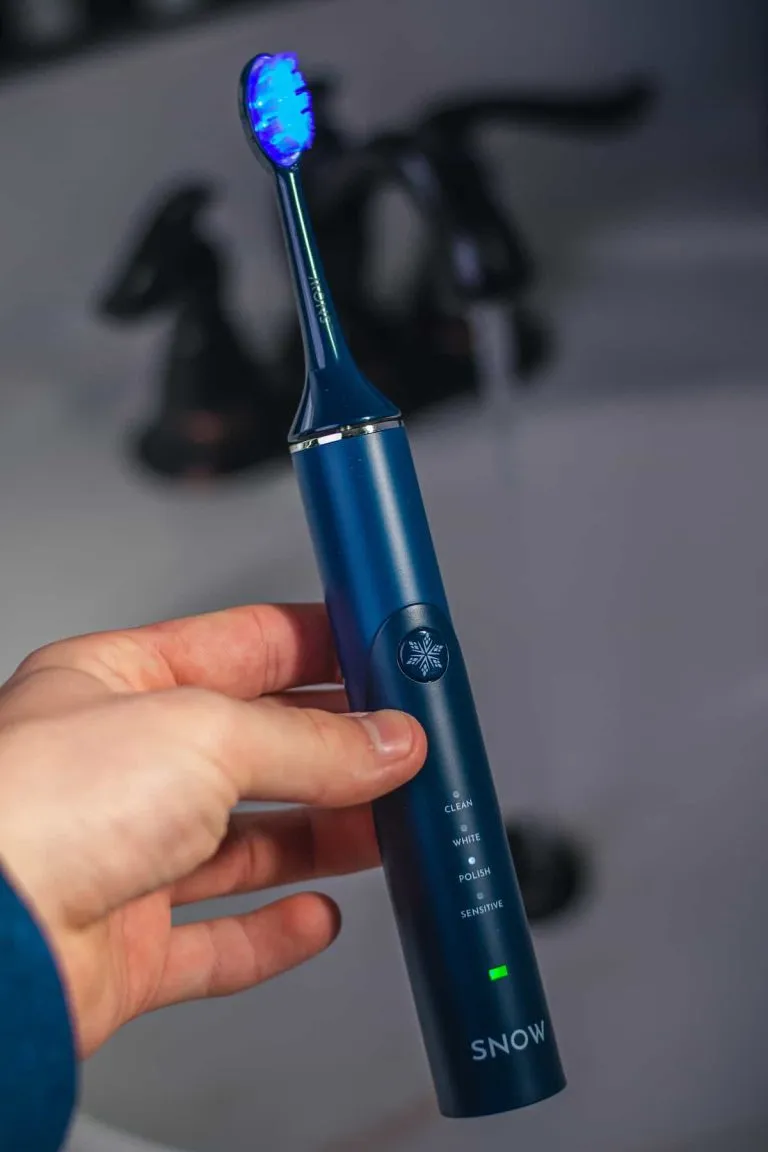
Gentle brushing techniques are essential, especially after using whitening strips. Brush your teeth with a soft-bristled toothbrush. This helps to minimize abrasion on the enamel. Use a gentle, circular motion instead of a harsh back-and-forth scrubbing motion. Be sure to apply minimal pressure when brushing. Excessive pressure can damage the enamel and gums. Focus on thoroughly cleaning each tooth surface, including the front, back, and chewing surfaces. Brush for at least two minutes, making sure to reach every area of your mouth. Consider using an electric toothbrush, especially one with a pressure sensor, to avoid over-brushing. By adopting these practices, you can protect your enamel and maximize the benefits of your whitening treatment.
Fact 4: Potential Risks of Brushing Too Soon
Brushing your teeth too soon after using whitening strips can lead to several negative consequences. Understanding these risks will help you make informed decisions about your oral hygiene routine and protect the health and appearance of your teeth. One of the major risks associated with brushing too soon is an increase in tooth sensitivity. Another potential risk is erosion and damage to your enamel. The enamel becomes more porous during the whitening process and therefore more susceptible to abrasive forces, such as those produced by brushing. Being aware of the risks and following the recommended guidelines will help you to mitigate any negative outcomes and ensure you achieve and maintain a brilliant, healthy smile.
Increased Sensitivity

One of the immediate side effects of brushing too soon after using whitening strips is the potential for increased tooth sensitivity. The active ingredients in whitening strips can temporarily dehydrate the teeth, making the enamel more sensitive. Brushing at this time can exacerbate the sensitivity because it increases the rate at which the whitening agents are removed. This can result in a sharp, short-lived pain or discomfort when consuming hot, cold, sweet, or acidic foods and drinks. Allowing your teeth to remineralize and rehydrate before brushing is crucial to minimizing sensitivity. Using toothpaste formulated for sensitive teeth can provide added protection and relief.
Erosion and Damage
Brushing too soon after using whitening strips can also lead to enamel erosion and damage. The enamel becomes slightly more porous during the whitening process, making it more vulnerable to the mechanical action of brushing. Aggressive brushing or the use of abrasive toothpastes at this time can wear down the enamel, leading to long-term damage and increased sensitivity. This damage can make your teeth more susceptible to decay and other dental problems. It’s best to be gentle and wait for an appropriate period after applying whitening strips before brushing. Choosing a soft-bristled toothbrush and using a gentle brushing technique are essential to protect your enamel from damage.
Fact 5: Optimal Wait Time Before Brushing
Determining the optimal waiting time before brushing after using whitening strips involves considering the general guidelines and individual factors. Following these recommendations will help you make the best choices for your oral hygiene. As previously stated, brushing immediately after applying whitening strips is generally not recommended. The wait time allows the active ingredients in the strips to work effectively and minimizes the risk of sensitivity or enamel damage. In addition to the general recommendations, several individual factors may affect the appropriate wait time for you. By considering these factors, you can tailor your oral hygiene routine to your specific needs and ensure the best possible results from your whitening treatment.
The General Recommendation

The standard recommendation for waiting before brushing after using whitening strips is typically around 30 minutes to an hour. This allows the whitening agents to work effectively on your teeth without any interference from your toothbrush and toothpaste. During this time, avoid eating or drinking anything other than water, as certain foods and drinks can stain your teeth or reduce the effectiveness of the whitening treatment. Follow the instructions on your whitening strip packaging, as some products may have specific recommendations. However, if you experience increased sensitivity, it is best to wait even longer before brushing, or consult your dentist for personalized advice.
Individual Factors to Consider
Several individual factors can influence the best waiting time before brushing. These include your current level of tooth sensitivity, the type of whitening strips you’re using, and your overall oral health. If you have sensitive teeth, it’s advisable to wait longer than the general recommendation before brushing. Your teeth will be more vulnerable. The active ingredients and the concentration of hydrogen peroxide, which is found in the whitening strips, will also impact how long you should wait. If you have any dental work, such as fillings or crowns, be sure to consult your dentist, as these can sometimes react differently to whitening treatments. Following your dentist’s advice is a great way to tailor your routine to fit your specific needs.
Conclusion
In summary, brushing your teeth after using whitening strips requires careful consideration to protect your teeth and maximize the effectiveness of the whitening treatment. Understanding the science behind the interaction of whitening agents with your enamel, the role of brushing, and the associated risks is key. The recommended wait time before brushing is generally 30 minutes to an hour, although this can vary based on individual factors. By following best practices, choosing the right products, and brushing gently, you can enjoy a brighter smile while maintaining excellent oral health. When in doubt, consult with your dentist to tailor your routine to your specific needs and ensure the best possible results. Prioritizing the timing of brushing is a small change that can make a big difference in achieving and maintaining a healthy and dazzling smile.