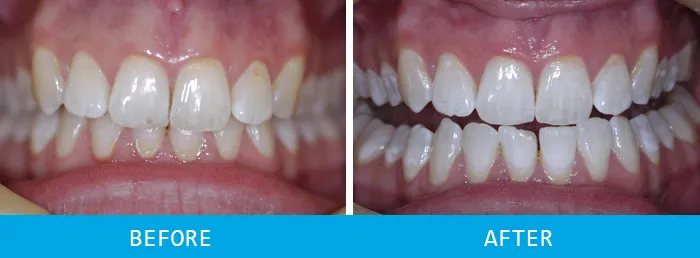
Understanding Whitening Strips
Whitening strips have become a popular and convenient method for enhancing the brightness of your smile. These thin, flexible strips are coated with a whitening agent, typically hydrogen peroxide or carbamide peroxide, and are designed to be applied directly to the teeth. The active ingredients in the strips penetrate the enamel, breaking down the stains and discoloration that accumulate over time from things like coffee, tea, and tobacco. The convenience of whitening strips is a major draw, as they can be used at home without the need for a dentist’s appointment, making them an accessible option for many individuals seeking a whiter smile. The ease of use and the relatively low cost contribute to their widespread popularity.
How Whitening Strips Work
The process behind how whitening strips function is quite straightforward. The whitening agent, usually peroxide, reacts with the stained molecules within the tooth enamel. This chemical reaction breaks down the bonds that hold these stain molecules together, effectively lightening the appearance of the teeth. As the peroxide penetrates the enamel, it oxidizes the stain particles, resulting in a brighter, whiter smile. The effectiveness of the strips depends on several factors, including the concentration of the whitening agent, the duration of application, and the frequency of use. Consistent use, as directed by the product instructions, is crucial to achieving the desired results. Understanding this mechanism helps users appreciate the science behind the product’s effectiveness and how it contributes to achieving a brighter smile.
Ingredients in Whitening Strips

The primary active ingredient in most whitening strips is hydrogen peroxide or carbamide peroxide. Hydrogen peroxide is a strong oxidizing agent, which means it can break down stain molecules. Carbamide peroxide, on the other hand, is a more stable form of peroxide that breaks down into hydrogen peroxide when it comes into contact with water. These ingredients are responsible for the teeth-whitening action. Additionally, whitening strips contain inactive ingredients that serve various purposes, such as providing the adhesive properties that allow the strips to adhere to the teeth, and also include flavoring agents, and stabilizers to maintain the effectiveness of the active ingredients. It is important to check the label for any potential allergens or sensitivities before using whitening strips.
The Role of Brushing in Oral Hygiene
Brushing plays a pivotal role in maintaining good oral hygiene. Its primary function is to remove plaque and food debris from the teeth and gums, preventing the buildup of bacteria that can lead to cavities, gingivitis, and other dental problems. When you brush, the bristles of your toothbrush physically scrub the surfaces of your teeth, dislodging food particles and disrupting the bacterial colonies that form plaque. Regular brushing also helps to stimulate the gums, promoting healthy blood circulation and preventing gum disease. Furthermore, brushing helps to freshen breath by removing odor-causing bacteria. To maximize the benefits, brushing should be done at least twice a day for two minutes each time, using fluoride toothpaste and proper brushing techniques.
The Importance of Proper Brushing Techniques
The technique you use while brushing your teeth is just as important as the act of brushing itself. Proper brushing involves using a soft-bristled toothbrush and holding it at a 45-degree angle to the gum line. Gently move the toothbrush in small, circular motions, ensuring that you reach all surfaces of each tooth, including the front, back, and chewing surfaces. Applying too much pressure can damage the enamel and irritate the gums, leading to sensitivity and potential dental problems. Take your time and make sure to brush each section of your mouth thoroughly. Don’t forget to brush your tongue to remove bacteria and freshen breath. Proper brushing techniques are essential for maintaining good oral health and maximizing the effectiveness of teeth whitening treatments.
Timing Your Brushing After Whitening Strips

One of the most important things to know after using whitening strips is when to brush your teeth. It’s generally recommended to avoid brushing immediately after removing the strips. The whitening strips temporarily soften the enamel, making it more susceptible to damage from the abrasive action of brushing. Brushing right after the strips can also disrupt the whitening process and potentially reduce the effectiveness of the treatment. The best practice is to wait at least 30 minutes to an hour after removing the strips before brushing your teeth. This allows the enamel to re-harden and minimizes the risk of any adverse effects.
Why You Shouldn’t Brush Immediately
Brushing immediately after using whitening strips can have several negative consequences. The primary concern is the potential for increased tooth sensitivity. As the enamel is slightly softened during the whitening process, brushing can cause microscopic damage and increase sensitivity to hot and cold foods and drinks. Another reason to avoid immediate brushing is that the abrasive action of the toothbrush and toothpaste can interfere with the whitening agents, reducing their effectiveness. The fluoride in toothpaste can also interfere with the whitening process if used too soon after treatment. By waiting, you give your enamel a chance to recover and allow the whitening agents to work optimally, leading to better and more comfortable results.
Waiting Time Before Brushing
The ideal waiting time before brushing after using whitening strips is generally considered to be around 30 minutes to an hour. This allows the enamel to re-harden, reducing the risk of sensitivity and potential damage. Waiting also gives the whitening agents time to fully penetrate the enamel and work their magic. If you are concerned about the taste or feel of the strips, you can rinse your mouth gently with water after removing them. Avoid using mouthwash immediately after the strips, as it can also interfere with the whitening process. Patience is key to getting the best results and maintaining healthy teeth. Following this guideline will help you achieve a brighter smile while protecting your oral health.
Alternatives if You Need to Brush Sooner

While it’s best to wait, there are alternatives if you feel the need to brush sooner than the recommended time. If you have lingering residue from the strips or a strong aftertaste, you can gently rinse your mouth with water. You can also use a non-abrasive, fluoride-free toothpaste and brush very gently, avoiding excessive pressure. Another option is to use a soft-bristled toothbrush and brush without toothpaste at all. These methods minimize the risk of enamel damage and allow you to freshen your mouth without interfering with the whitening process. However, remember to still wait as long as possible before brushing to allow the whitening agents to work effectively. Using these alternatives can help you maintain a clean feeling without compromising the benefits of your whitening treatment.
Potential Risks of Brushing Too Soon
Brushing too soon after using whitening strips can increase the risk of several dental issues. The most common is increased tooth sensitivity. The enamel is slightly softened during the whitening process, making your teeth more vulnerable to the abrasive action of brushing. This can lead to discomfort and sensitivity to hot and cold foods and drinks. Another risk is the potential for enamel erosion, which can weaken the teeth and make them more susceptible to cavities. Brushing too soon can also reduce the effectiveness of the whitening treatment, as the abrasive action can disrupt the whitening agents. In extreme cases, aggressive brushing immediately after whitening can even cause gum irritation. Always prioritize your oral health by following the recommended waiting time before brushing and using gentle techniques.
Protecting Your Enamel
Protecting your enamel is crucial for maintaining good oral health and achieving a bright, healthy smile. To protect your enamel, avoid brushing immediately after using whitening strips. Use a soft-bristled toothbrush and brush gently, minimizing pressure. Choose a toothpaste that is designed for sensitive teeth, as it often contains ingredients to help strengthen enamel. Limit the consumption of acidic foods and drinks, such as citrus fruits and sodas, as they can erode enamel over time. If you experience tooth sensitivity, consult your dentist. Regular dental check-ups and professional cleanings are essential for maintaining strong, healthy enamel. By taking these steps, you can protect your enamel and enjoy the benefits of teeth whitening without compromising your oral health.
Maximizing Whitening Results

To maximize the effectiveness of your whitening treatment, follow the manufacturer’s instructions carefully. Apply the whitening strips as directed, paying attention to the recommended wear time and frequency of use. Avoid eating or drinking anything other than water during the treatment period to prevent staining. Consider incorporating other teeth-whitening products, such as whitening toothpaste, into your oral hygiene routine. Maintain a healthy diet and limit the consumption of stain-causing foods and drinks, such as coffee, tea, and red wine. Schedule regular dental check-ups and cleanings to help maintain your bright, white smile. With a combination of proper technique and good habits, you can successfully achieve and maintain a beautiful, white smile.
The Best Brushing Practices
The best brushing practices are key to maintaining a healthy, bright smile. Always use a soft-bristled toothbrush and replace it every three to four months, or sooner if the bristles become frayed. Brush your teeth for at least two minutes, twice a day, using gentle, circular motions. Make sure to reach all surfaces of your teeth, including the front, back, and chewing surfaces. Use fluoride toothpaste, and brush your tongue to remove bacteria and freshen breath. Don’t brush too hard, as this can damage your enamel and gums. Consider using an electric toothbrush for more effective plaque removal. Floss daily to remove food debris and plaque from between your teeth. Proper brushing techniques combined with flossing and regular dental check-ups are the cornerstones of good oral hygiene.
Other Oral Care Tips
Besides brushing and flossing, there are other important aspects of oral care to consider. Use mouthwash to kill bacteria and freshen breath, but avoid using it immediately after brushing or using whitening strips, as it can interfere with the whitening process. Maintain a healthy diet and limit your consumption of sugary snacks and drinks, which can contribute to cavities. Drink plenty of water to stay hydrated and help rinse away food particles. Avoid tobacco products, as they can stain your teeth and increase your risk of oral health problems. Schedule regular dental check-ups and professional cleanings every six months. Following these additional oral care tips will help you maintain a healthy, beautiful smile and overall oral health.
Flossing and Mouthwash

Flossing is a crucial part of a comprehensive oral hygiene routine, as it removes plaque and food particles from between your teeth, where your toothbrush can’t reach. Floss daily, using gentle movements to avoid damaging your gums. Mouthwash can be used to further reduce bacteria and freshen breath. When using mouthwash, make sure to follow the instructions on the bottle, and avoid using it immediately after brushing or using whitening strips. As mentioned previously, it can interfere with the whitening process. For best results, use mouthwash at a different time than brushing, such as after lunch or before bed. By incorporating flossing and mouthwash into your daily routine, you will improve your overall oral health and maintain a fresh, clean feeling.
Maintaining Your White Smile
Maintaining a white smile requires consistent effort and attention to your oral hygiene habits. After completing your whitening treatment, continue to brush your teeth at least twice a day for two minutes each time, using proper techniques. Floss daily to remove plaque and food debris from between your teeth. Limit the consumption of stain-causing foods and drinks, such as coffee, tea, red wine, and berries. Consider using whitening toothpaste to help maintain the brightness of your smile. Avoid tobacco products. Schedule regular dental check-ups and cleanings to remove any surface stains and monitor your oral health. Following these steps will help you maintain your beautifully whitened smile for a long time, boosting your confidence and overall well-being.