Understanding Whitening Strips and Their Impact
Whitening strips have become a popular choice for achieving a brighter smile at home. They are convenient, relatively affordable, and offer noticeable results. However, understanding how these strips work and how they interact with your daily oral hygiene routine is crucial for maximizing their effectiveness and minimizing potential side effects. This comprehensive guide delves into the science behind whitening strips, the importance of proper timing after brushing, and best practices to ensure a safe and effective teeth-whitening experience. Before you begin, make sure your teeth are in good condition and consult with your dentist for personalized advice.
The Science Behind Whitening Strips
Whitening strips primarily use a bleaching agent, typically hydrogen peroxide or carbamide peroxide, to lighten the enamel of your teeth. These agents penetrate the enamel and break down the stains caused by food, drinks, and aging. The concentration of the active ingredient varies among different brands and products, directly impacting the whitening power. The higher the concentration, the quicker the results, but also the higher the risk of sensitivity. Therefore, selecting a product appropriate for your individual needs and sensitivity level is essential. Consistent use, as directed on the product packaging, is key to seeing the desired results. The active agents target the discolored molecules within the enamel, causing them to oxidize and lighten the teeth.
How Whitening Strips Work

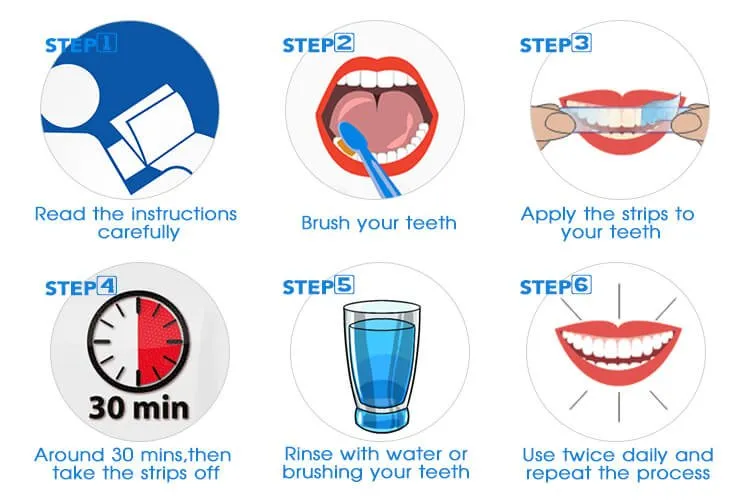
Whitening strips work by adhering to the surface of your teeth and delivering a bleaching agent directly to the enamel. The active ingredient, usually hydrogen peroxide or carbamide peroxide, seeps into the enamel and breaks down stain molecules. The strips are designed to maintain contact with the teeth for a specified duration, ensuring sufficient time for the bleaching agent to work effectively. The process involves several steps: First, you apply the strips according to the product’s instructions. Next, the active ingredient penetrates the enamel. Over time, the stain molecules are broken down and the teeth appear whiter. Finally, you remove the strips and rinse your mouth. The effectiveness depends on the concentration of the active ingredient, the duration of use, and the type of stains present. Regular use, as directed, is crucial for achieving optimal results. Remember to consult with your dentist for personalized advice and to address any potential concerns.
Key Ingredients in Whitening Strips
The primary active ingredients in whitening strips are hydrogen peroxide and carbamide peroxide. Hydrogen peroxide is a stronger bleaching agent and often used in professional teeth-whitening treatments. Carbamide peroxide breaks down into hydrogen peroxide over time. These peroxides react with the stained molecules within the enamel to lighten the teeth. The concentration of these agents varies among different products, with higher concentrations generally yielding faster results but also increasing the potential for sensitivity. Other ingredients commonly found in whitening strips include: Polyvinylpyrrolidone (PVP) to help the strips adhere to your teeth, flavorings to improve the taste, and stabilizers to maintain the product’s efficacy. Understanding the ingredients and their roles will help you choose the right product for your needs.
The Importance of Oral Hygiene
Maintaining good oral hygiene is fundamental to overall health and critical for successful teeth whitening. Proper oral hygiene involves brushing your teeth twice a day, flossing daily, and using an antimicrobial mouthwash. Brushing removes plaque and food particles that can lead to tooth decay and gum disease. Flossing removes plaque and food from areas that a toothbrush cannot reach, like between the teeth. Mouthwash helps reduce bacteria and freshen breath. Regular dental check-ups and professional cleanings are equally important for maintaining oral health. These practices not only keep your teeth healthy but also prepare them for whitening treatments. Good oral hygiene ensures that the whitening agents can effectively reach and treat the stains, resulting in a brighter, healthier smile.
Why Brushing is Essential for Oral Health

Brushing your teeth is the cornerstone of good oral hygiene. It removes plaque, a sticky film of bacteria that forms on teeth, which can cause cavities and gum disease. Brushing also helps remove food particles, preventing them from feeding bacteria and producing acids that damage tooth enamel. Regular brushing, using a fluoride toothpaste, strengthens the enamel and helps to remineralize teeth, making them more resistant to decay. Effective brushing techniques include using a soft-bristled toothbrush and gently brushing all surfaces of each tooth, including the front, back, and chewing surfaces. Brushing for two minutes twice a day is generally recommended. Incorporating flossing and mouthwash into your daily routine complements brushing and promotes optimal oral health.
The Role of Toothpaste in the Equation
Toothpaste plays a significant role in oral hygiene and can affect the whitening process. Most toothpastes contain abrasive agents that help remove surface stains. Fluoride in toothpaste strengthens tooth enamel and protects against cavities. When combined with whitening strips, the abrasive nature of certain toothpastes, especially those with high abrasivity, can potentially cause increased sensitivity or irritation. It is often recommended to brush your teeth with a regular toothpaste, without whitening properties, before using whitening strips to avoid potential adverse effects. Consider using a toothpaste specifically designed for sensitive teeth, which generally have lower abrasivity. Always rinse your mouth thoroughly after brushing to remove any remaining toothpaste residue before applying whitening strips. The type of toothpaste you use can influence the effectiveness of your whitening treatment and the overall health of your teeth.
When to Use Whitening Strips After Brushing
The timing of using whitening strips after brushing is crucial for optimal results and to minimize potential side effects. It’s generally recommended to wait at least 30 minutes to an hour after brushing your teeth before applying whitening strips. This waiting period allows the saliva to wash away the toothpaste residue. Toothpaste can act as a barrier, preventing the whitening agent from fully contacting the tooth surface. Furthermore, some toothpastes contain ingredients that can reduce the effectiveness of the whitening strips or increase sensitivity. Rinsing your mouth thoroughly after brushing, before applying the strips, helps remove any remaining toothpaste. Adhering to these guidelines can help you get the best results from your whitening strips while protecting your teeth from unnecessary irritation.
The Recommended Waiting Time

The recommended waiting time between brushing and applying whitening strips is typically 30 minutes to one hour. This waiting period is essential for several reasons. First, it allows time for saliva to neutralize the effects of toothpaste residue. Second, the abrasive agents in some toothpastes can interfere with the whitening process, making it less effective. Third, brushing can temporarily make the enamel more porous, increasing the risk of sensitivity if whitening agents are applied immediately. Waiting also allows the mouth’s pH to rebalance, creating a more favorable environment for the whitening strips to work. Following this waiting period ensures the whitening strips work efficiently and minimizes the chance of experiencing side effects like tooth sensitivity or gum irritation.
Factors That Can Affect the Waiting Time
Several factors can influence the ideal waiting time between brushing and applying whitening strips. The type of toothpaste is a significant factor. Toothpastes with high abrasivity or those containing strong flavorings may require a longer waiting period. Individual sensitivity to whitening agents also plays a role. People with sensitive teeth may need to wait longer to minimize discomfort. If you experience sensitivity, consider using a toothpaste designed for sensitive teeth and extending the waiting time. The concentration of the bleaching agent in the whitening strips can also be a factor; higher concentrations may warrant a longer waiting period. Always read and follow the specific instructions provided with your whitening strips. These instructions often account for these variables.
Impact of Toothpaste Type
The type of toothpaste you use significantly impacts the effectiveness and comfort of your whitening treatment. Toothpastes with high abrasivity, designed to remove surface stains, can increase tooth sensitivity and irritation when used shortly before whitening strips. Fluoride toothpastes are beneficial for enamel strength, but the residue can interfere with the whitening process if not thoroughly rinsed away. Whitening toothpastes, while designed to brighten teeth, can also contain ingredients that reduce the efficacy of the whitening strips. Therefore, it is often recommended to use a regular toothpaste, or a toothpaste designed for sensitive teeth, before applying whitening strips. Thorough rinsing after brushing is vital to eliminate any toothpaste residue, ensuring the whitening strips can work effectively on your teeth. Always refer to the product instructions for guidance.
Individual Sensitivity Considerations

Individual sensitivity plays a crucial role in determining the best approach to using whitening strips. People with sensitive teeth or gums may experience more discomfort, such as tooth sensitivity or gum irritation, if the strips are used too soon after brushing. If you have sensitive teeth, it’s advisable to extend the waiting period between brushing and applying the strips. Using a toothpaste specifically formulated for sensitive teeth can also help. Monitor your teeth and gums for any signs of irritation, and adjust your routine accordingly. Some individuals may find they need to use the strips for shorter periods or less frequently. If sensitivity persists, consult with your dentist. They can provide personalized recommendations based on your specific needs and sensitivity level. Always prioritize your comfort and oral health.
Tips for Optimizing Your Whitening Routine
Optimizing your whitening routine involves several steps to ensure effectiveness and comfort. Always read and follow the manufacturer’s instructions on the whitening strips. Wait the recommended time, usually 30 minutes to an hour, after brushing before applying the strips. Use a regular toothpaste or a toothpaste designed for sensitive teeth. Rinse your mouth thoroughly after brushing to remove any toothpaste residue. Consider applying the strips at a time of day when you can avoid eating or drinking anything other than water for at least an hour. Avoid using whitening strips excessively, as this can increase sensitivity. If you experience any discomfort, stop using the strips and consult with your dentist. Combining these steps will help you achieve the best results while protecting your teeth and gums.
Brushing Techniques for Maximum Effectiveness
Proper brushing techniques enhance the effectiveness of both your daily oral hygiene and your whitening treatment. Use a soft-bristled toothbrush to avoid damaging your enamel and gums. Hold your toothbrush at a 45-degree angle to your gum line and brush in gentle, circular motions. Brush all surfaces of your teeth: the outer, inner, and chewing surfaces. Be sure to reach the back teeth. Brush for at least two minutes, twice a day. Consider using a timer or brushing for a specific amount of time for each quadrant of your mouth. Avoid brushing too hard or using excessive pressure, as this can wear down enamel and cause gum recession. Replacing your toothbrush every three months, or sooner if the bristles become frayed, ensures optimal cleaning. Proper brushing is fundamental for oral health and sets a solid foundation for teeth whitening.
Maximizing Whitening Strip Results

To maximize the results of your whitening strips, consistency and proper preparation are key. Follow the product instructions meticulously, including the recommended usage duration and frequency. Ensure you wait the appropriate time after brushing your teeth before applying the strips. Maintain good oral hygiene by brushing, flossing, and using mouthwash. Avoid consuming foods and drinks that can stain your teeth, such as coffee, tea, red wine, and dark berries, especially during the whitening process. Consider using a straw for beverages to minimize contact with your teeth. Follow up your whitening treatment with regular dental check-ups and cleanings to maintain your bright smile. Maintaining a healthy lifestyle and proper oral care habits enhances and prolongs the effects of teeth whitening.
Common Mistakes to Avoid
Avoiding common mistakes can help you achieve better results and prevent complications with teeth whitening. A critical mistake is using whitening strips immediately after brushing your teeth, as the toothpaste residue can interfere with the whitening process. Another mistake is using strips for longer than the recommended time, which can lead to increased sensitivity. Failing to read and follow the product instructions is a common oversight that may result in less effective results. Overusing whitening strips is another common error, which can damage your enamel and increase your risk of sensitivity. Ignoring signs of irritation, such as gum inflammation or tooth sensitivity, and continuing to use the strips is also a mistake. Always address any concerns or discomfort with your dentist to ensure the safe and effective use of whitening strips.
Potential Side Effects and How to Manage Them
While whitening strips are generally safe, they can cause some side effects. Tooth sensitivity is the most common side effect, characterized by a sharp, temporary pain when consuming hot or cold foods and drinks. Gum irritation, or inflammation of the gum tissue, may also occur. To manage these side effects, reduce the frequency or duration of your whitening treatments. Use a toothpaste designed for sensitive teeth. Avoid using whitening strips for several days if you experience significant discomfort. If the sensitivity or irritation persists, consult your dentist. They can provide guidance and may recommend a desensitizing treatment or adjustments to your whitening routine. It is important to be proactive about managing any side effects.
Sensitivity and Discomfort

Tooth sensitivity and discomfort are potential side effects of using whitening strips. Sensitivity often manifests as a sharp pain or discomfort when consuming hot, cold, sweet, or acidic foods and drinks. This occurs because the bleaching agents in the whitening strips can temporarily increase the porosity of your tooth enamel. Mild sensitivity is common, but severe or persistent pain requires attention. If you experience sensitivity, reduce the frequency or duration of the whitening treatments. Use a toothpaste for sensitive teeth, which contains ingredients that help to block the tubules in your teeth, reducing sensitivity. Avoid acidic foods and drinks. If the sensitivity does not improve, seek advice from your dentist.
Best Practices for Minimizing Side Effects
Several strategies can help minimize the side effects associated with teeth whitening strips. Always read and follow the manufacturer’s instructions carefully. Use a toothpaste for sensitive teeth both before and after applying the strips. Avoid excessive use of whitening strips; follow the recommended frequency and duration. Wait the recommended time after brushing before applying the strips, usually 30 minutes to an hour. If you experience sensitivity, reduce the treatment duration or frequency. Consider consulting your dentist before starting your whitening routine, especially if you have sensitive teeth or gum issues. Applying a fluoride treatment after whitening may help strengthen your enamel and reduce sensitivity. Monitoring your teeth and gums for any signs of irritation is also essential. By following these practices, you can maximize the benefits of whitening while minimizing the risks.
Alternatives to Whitening Strips
Several alternatives to whitening strips are available, catering to different preferences and needs. Whitening toothpaste, which contains mild abrasives or chemical agents, can help remove surface stains and maintain a brighter smile. Whitening gels, applied with custom trays, offer more controlled and often more potent whitening. Over-the-counter whitening trays typically involve applying a bleaching gel to a tray that fits over your teeth. Whitening pens are another convenient option, allowing for spot treatments throughout the day. Professional teeth whitening, performed by a dentist, offers the most dramatic results and is often the safest option, as your dentist can monitor the process. The best alternative will depend on your individual needs, sensitivity level, and desired results. Before choosing a whitening method, consult your dentist.
Professional Teeth Whitening Options
Professional teeth whitening, performed by a dentist, provides the most effective and safest method for achieving a significantly brighter smile. Dentists use stronger bleaching agents than those available over the counter, which can produce more dramatic results in a shorter time. The process typically involves isolating the teeth with a protective barrier and applying a high-concentration hydrogen peroxide gel. This gel is often activated with a special light or laser to accelerate the whitening process. Before the procedure, your dentist will assess your oral health and address any existing dental issues. They can also monitor your teeth and gums during the treatment, minimizing any potential side effects. Professional whitening is an excellent choice if you want a fast, effective, and safe way to significantly whiten your teeth. Following the procedure, your dentist may provide at-home maintenance instructions.
Other At-Home Whitening Methods
Besides whitening strips and professional treatments, several other at-home options can help brighten your smile. Whitening toothpastes, which contain mild abrasives or bleaching agents, can remove surface stains and maintain a brighter shade. Whitening gels, used with custom trays, offer more controlled and potentially more potent results. Over-the-counter whitening trays are a convenient choice, allowing for consistent treatment. Whitening pens are portable and easy to use for touch-ups. While these methods may not offer the same dramatic results as professional whitening, they can be effective for maintaining or improving your teeth’s appearance. Before using any at-home whitening method, always read and follow the instructions carefully, and consult with your dentist to determine the most suitable approach.