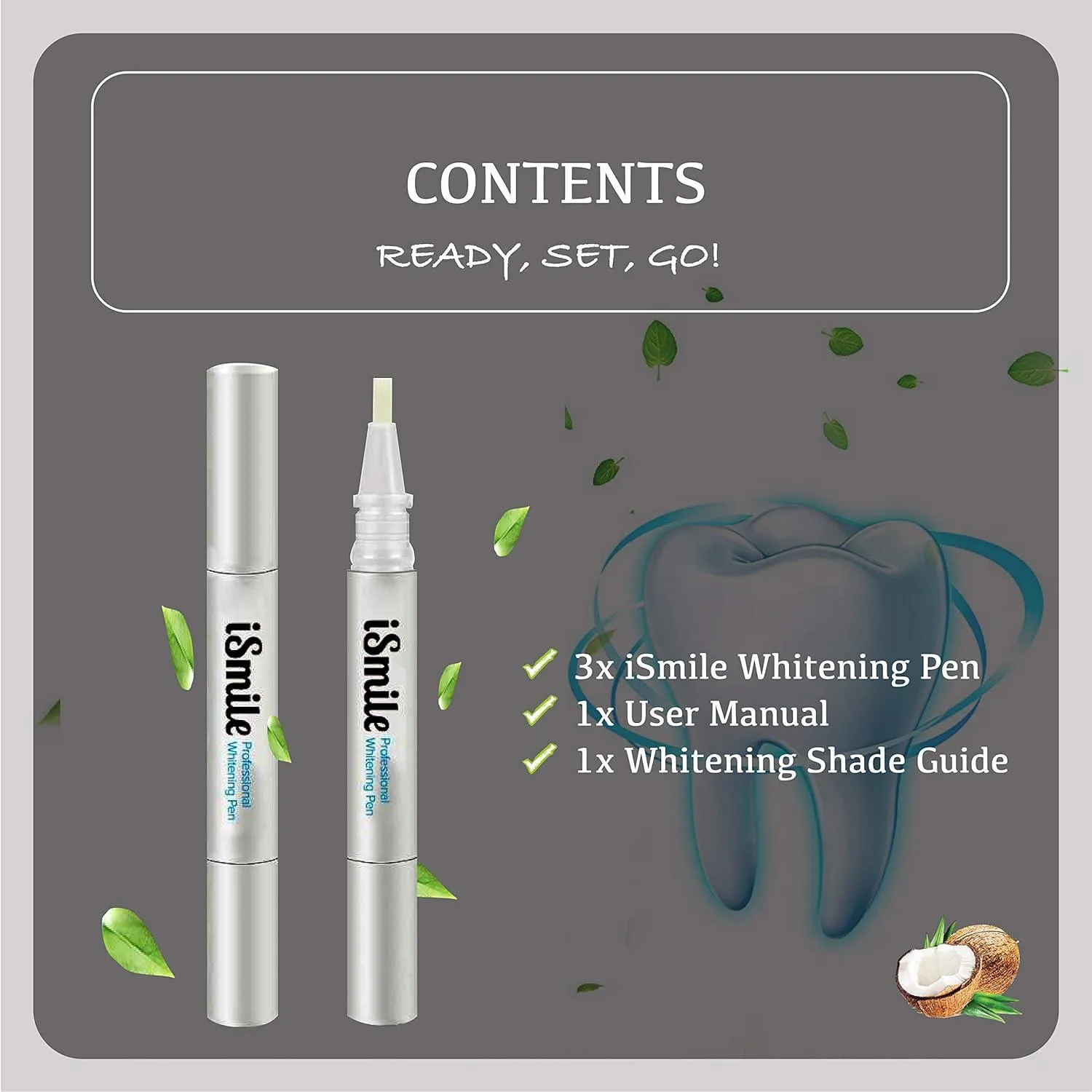
What is a Whitening Pen
A whitening pen is a convenient and portable teeth-whitening product designed to help brighten your smile. These pens typically contain a whitening agent, often a form of peroxide, that helps to remove stains and discoloration from the surface of your teeth. The compact design makes them easy to use on the go, allowing for quick touch-ups throughout the day. Unlike some more intensive whitening treatments, whitening pens are generally intended for surface stains and are a popular choice for maintaining a bright smile. The user applies the whitening gel directly to their teeth, following the product’s instructions for best results. Whitening pens offer a simple way to enhance the appearance of your teeth and boost your confidence.
The Core Ingredients in a Whitening Pen
Understanding the ingredients in a whitening pen is crucial for making an informed decision about which product to use. The active ingredients work to break down the stains on your teeth, while other components ensure the product is safe, effective, and palatable. The core ingredients are formulated to deliver the desired whitening effects while minimizing any potential side effects. Paying close attention to the ingredient list allows consumers to choose products that align with their specific needs and preferences, particularly those with sensitivities or concerns about certain chemicals. These key ingredients are what make the whitening pen a powerful tool in achieving a brighter, more confident smile, making it a staple for many people’s daily dental hygiene routine.
Hydrogen Peroxide

Hydrogen peroxide is a common and effective ingredient in many whitening pens due to its strong oxidizing properties. This means it can break down stain molecules, effectively removing discoloration from tooth surfaces. The concentration of hydrogen peroxide can vary, influencing the whitening power and the potential for sensitivity. Higher concentrations may provide quicker results but also increase the risk of sensitivity. It works by penetrating the enamel and reacting with the discolored molecules inside the teeth. It is a key ingredient in many professional teeth whitening treatments as well. This oxidizing action is what lightens the overall appearance of the teeth and contributes to a brighter smile, helping to restore the natural color.
Carbamide Peroxide
Carbamide peroxide is another common ingredient in whitening pens, often used as an alternative to hydrogen peroxide. When carbamide peroxide comes into contact with water, it breaks down into hydrogen peroxide and urea. This slower release of hydrogen peroxide can be gentler on the teeth, making it suitable for those with sensitive teeth. This gradual release of the active whitening agent allows for a more sustained action over time, which can be advantageous for consistent results. Its ability to whiten teeth effectively without causing excessive sensitivity makes it a popular choice for a range of whitening products. Carbamide peroxide contributes to a more comfortable whitening experience while still delivering noticeable improvements in tooth appearance.
Glycerin
Glycerin, a clear, odorless liquid, is frequently used in whitening pens as a humectant and stabilizer. Its primary role is to help maintain the gel’s consistency and prevent it from drying out. Glycerin also acts as a solvent, helping to dissolve the active whitening ingredients and ensure they spread evenly over the teeth’s surface. This helps the whitening agents work effectively, contributing to consistent results across the treated areas. Moreover, glycerin can help to protect tooth enamel by creating a barrier that helps to retain moisture, which is important for overall dental health. This ingredient plays a crucial role in maintaining the product’s effectiveness and ease of use. Its properties ensure that the active ingredients are delivered efficiently and provide a comfortable application.
Water

Water is often a primary component in whitening pen formulations, acting as a solvent and carrier for the active ingredients. It helps to dissolve other components, creating a homogenous mixture that can be easily applied to the teeth. Water plays a crucial role in ensuring that the whitening agents spread evenly across the tooth surface, thus allowing for consistent whitening. In addition to its solvent properties, water helps to dilute the other ingredients, which contributes to reducing any potential irritation or sensitivity. The presence of water ensures that the whitening pen is both effective and comfortable to use. Its ability to mix and carry the active ingredients efficiently is fundamental to the product’s overall performance and the user’s experience.
Flavoring Agents
Flavoring agents are included in whitening pens to improve the taste and make the product more palatable. Common flavors include mint, citrus, and other fruit-based options, which help to mask the often bitter or harsh taste of the active whitening ingredients, such as hydrogen peroxide or carbamide peroxide. These agents not only enhance the user experience but also encourage more consistent use of the product. A pleasant taste can make the application process more enjoyable, increasing the likelihood that users will incorporate the pen into their daily routine. These flavoring ingredients ensure that the whitening experience is as pleasant as it is effective, thus ensuring consistent use and better results.
5 Ingredients in Whitening Pens for a Brighter Smile
Beyond the core ingredients, additional components can enhance a whitening pen’s effectiveness and safety. These include stabilizers that maintain the formula’s integrity, preservatives that extend shelf life, and other agents to improve the product’s texture and application. The right combination of ingredients ensures the whitening pen works efficiently while also being gentle on the teeth and gums. These additional ingredients are carefully selected to ensure optimal performance and user comfort. This holistic approach is critical for delivering a positive user experience, making whitening pens a convenient and effective solution for brighter, healthier smiles. Focusing on the complete ingredient list will provide the best results.
Hydrogen Peroxide for Whitening

Hydrogen peroxide is the workhorse of many whitening pens, with its ability to penetrate the enamel and break down stain molecules. Its oxidizing properties are highly effective in removing discoloration caused by coffee, tea, wine, and other staining agents. The concentration of hydrogen peroxide directly affects the whitening power, with higher concentrations often yielding faster results. However, this also increases the potential for tooth sensitivity. Many formulas are designed to strike a balance between effectiveness and safety, ensuring noticeable whitening without causing excessive discomfort. Always follow the manufacturer’s instructions regarding usage frequency and application to minimize any potential side effects. Hydrogen peroxide is a cornerstone of teeth whitening, its effectiveness is well-documented and widely used.
How Carbamide Peroxide Works
Carbamide peroxide offers a gentler approach to whitening compared to hydrogen peroxide. When it comes into contact with water, it slowly releases hydrogen peroxide, providing a more sustained and controlled whitening action. This gradual release reduces the likelihood of immediate sensitivity, making it suitable for those with sensitive teeth. The process breaks down the stains deep within the enamel, gradually lightening the teeth’s overall appearance. Carbamide peroxide ensures that whitening happens over time with less irritation. This controlled release mechanism is designed to balance effectiveness with comfort. It is a reliable option for those seeking a less aggressive whitening solution, providing an excellent balance of safety and results.
The Role of Glycerin in Whitening
Glycerin contributes to the success of a whitening pen by acting as a humectant, which helps to maintain the gel’s consistency and prevent it from drying out. It also ensures the active whitening agents are evenly distributed across the tooth surface. Glycerin helps the formula to adhere to the teeth for the required time. By ensuring that the active ingredients remain in contact with the teeth for the desired duration, glycerin helps to optimize the whitening process. It is a key ingredient for both ease of use and effectiveness. Glycerin also acts as a solvent, ensuring that all ingredients work synergistically. The role of glycerin helps to ensure the whitening process is both effective and comfortable.
Water, the Silent Hero

Water serves as a foundational element in whitening pens, acting as a solvent and a carrier for the other active ingredients. It ensures that the whitening agents are evenly dispersed and delivered efficiently to the teeth. Water’s role in dissolving and mixing the other components is essential for the product’s effectiveness. It helps to dilute the active ingredients, which can minimize potential sensitivity. The uniform distribution of the whitening agents, thanks to water, ensures consistent results across the entire surface of the teeth. Water is a vital component in ensuring the usability, safety, and effectiveness of the whitening pen.
The Importance of Flavoring Agents
Flavoring agents play a critical role in enhancing the user’s experience by masking the often harsh taste of the whitening ingredients. Pleasant flavors like mint or citrus make the application process more enjoyable. This encourages users to adhere to their whitening routine more consistently. Flavoring agents ensure that the whitening experience is as pleasant as it is effective. This results in better adherence and noticeable improvements in the brightness of your smile. The careful selection of flavoring agents is essential for creating a positive and sustainable whitening experience, making it easier for users to maintain their dental hygiene.
Choosing the Right Whitening Pen
Selecting the right whitening pen involves considering several factors to ensure it meets your specific needs and expectations. The concentration of the active whitening agent is a crucial consideration, as it affects both the speed and the potential for sensitivity. Those with sensitive teeth should opt for lower concentrations or products containing carbamide peroxide, which releases hydrogen peroxide more slowly. Additionally, look for products with ingredients that are gentle on your enamel and gums. Reading reviews and researching brands can provide valuable insights into the product’s effectiveness and user experience. Always consult with a dentist for personalized advice on the best whitening pen option. A well-informed choice will lead to the best results.
Reading the Whitening Pen Label

Carefully reading the label of a whitening pen is essential to understanding its ingredients and proper usage. The label lists the active and inactive ingredients, providing transparency about what you’re applying to your teeth. It also details the concentration of the active whitening agents. This information is critical for evaluating the product’s potential effectiveness and the risk of sensitivity. The label also includes instructions for use, which must be followed to ensure safe and effective whitening. Pay close attention to the expiration date and any specific warnings or precautions listed. Reviewing the label empowers you to make informed decisions and use the whitening pen correctly. This helps maximize results while minimizing potential side effects. Understanding the label ensures that you use the product safely and effectively.
Things to Avoid in a Whitening Pen
When selecting a whitening pen, it’s important to be aware of ingredients to avoid to ensure safety and effectiveness. Steer clear of products with high concentrations of hydrogen peroxide if you have sensitive teeth. Some whitening pens may contain artificial additives or unnecessary chemicals, which can cause irritation or allergic reactions. Always check the ingredients list for any components you may be sensitive to. It is best to choose pens from reputable brands that prioritize quality and safety. A good product will avoid harsh chemicals that could damage enamel. It is essential to choose a product that suits your sensitivity and overall dental health to achieve the best results.
Whitening Pen Application and Use
Proper application and use of a whitening pen are crucial for achieving optimal results and minimizing potential side effects. Start by brushing your teeth thoroughly to remove any surface debris, then dry your teeth with a clean cloth or tissue. Apply the whitening gel evenly across the surface of your teeth, ensuring full coverage. Most pens require you to hold the pen and twist the base to release the gel. Avoid eating or drinking for the recommended time, as specified in the product instructions. Following the instructions carefully will ensure that the whitening agents are in contact with your teeth for the optimal amount of time. Proper application and adherence to the instructions are essential for the effectiveness and the best possible outcome.
How to Apply the Whitening Pen

Applying a whitening pen correctly ensures effective and even whitening results. After brushing and drying your teeth, hold the pen with the brush tip facing your teeth. Twist the base of the pen until the gel starts to appear on the brush. Gently apply a thin layer of the gel to each tooth, covering the entire surface. Be careful to avoid getting the gel on your gums, as this can cause irritation. Once applied, keep your mouth open for the recommended time to allow the gel to work. Follow the product instructions carefully to maintain the safety and efficacy of the product. Consistent and correct application will maximize the whitening effect and lead to a brighter smile.
Frequency of Use
The frequency of use for a whitening pen varies depending on the product and the individual’s needs. Most pens recommend using the product once or twice a day for a specified period, such as a week or two, or as directed by your dentist. Overuse can lead to tooth sensitivity and other adverse effects. It is essential to adhere to the product’s instructions regarding frequency of use. Some pens may suggest maintenance applications after the initial whitening period to maintain results. Always monitor your teeth for any signs of sensitivity or irritation and adjust your usage accordingly. Consistent use as directed is vital to achieve the best results, however, caution must be taken to avoid overuse and potential side effects.
Whitening Pen Benefits
Whitening pens offer several benefits, making them a popular choice for those seeking a brighter smile. They are incredibly convenient and portable, allowing for easy application anytime, anywhere. Whitening pens are generally more affordable than professional whitening treatments. They can be an effective solution for removing surface stains and improving the overall appearance of your teeth. The ease of use makes them a great choice for touch-ups and maintaining a bright smile on the go. This ease of use helps to improve self-confidence by providing a quick and accessible method to brighten teeth. The convenience, affordability, and effectiveness of whitening pens contribute to a positive user experience.
Potential Side Effects of Whitening Pen
While whitening pens are generally safe, some potential side effects can occur. Tooth sensitivity is a common side effect, especially with higher concentrations of hydrogen peroxide. Gum irritation can also occur if the whitening gel comes into contact with the gums. In some cases, individuals may experience mild irritation or discomfort. Following the product instructions carefully and avoiding overuse can minimize these risks. If you experience persistent sensitivity or irritation, it’s essential to stop using the pen and consult your dentist. Understanding the potential side effects allows users to take precautions. Being aware helps to ensure a positive and safe whitening experience.
Alternatives to Whitening Pens
If whitening pens aren’t the right fit, several alternatives are available. Whitening toothpaste can help remove surface stains and maintain a brighter smile. Professional teeth whitening, performed by a dentist, offers more dramatic results and is often recommended for deeper stains. Over-the-counter whitening strips provide a convenient alternative, and many people find them to be effective. For those seeking natural alternatives, activated charcoal and baking soda are sometimes used, although their effectiveness can vary. Consulting with your dentist can help you determine the best option based on your needs and dental health. These alternatives allow for a customized approach, catering to different needs and preferences. Careful consideration ensures that you achieve the best results in the safest and most comfortable way.