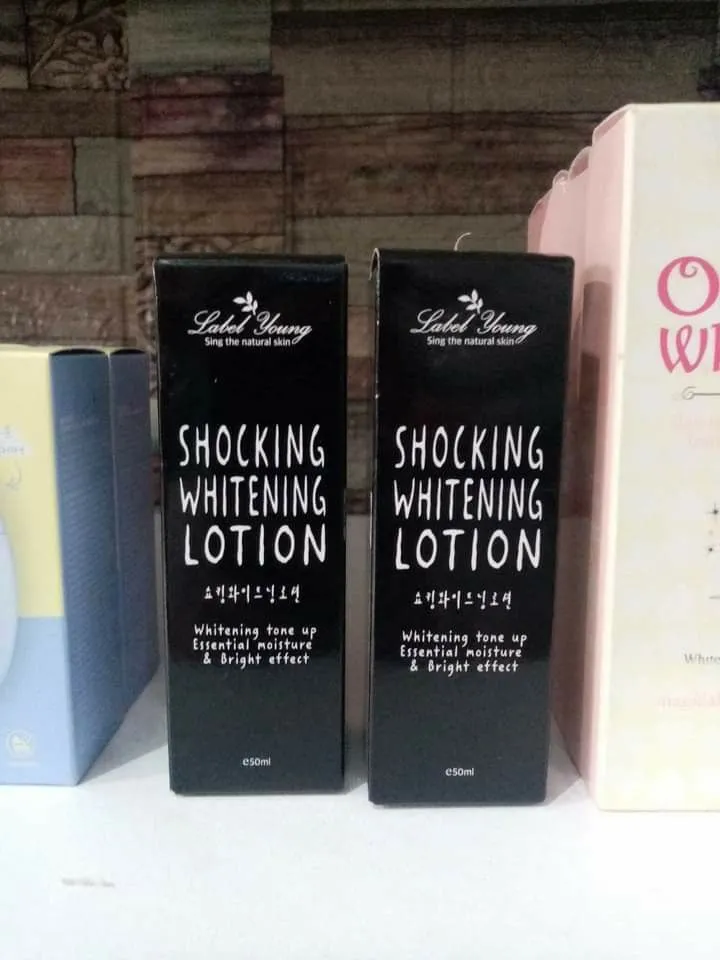
The quest for brighter, more even-toned skin has led many to explore the world of whitening lotions. These products promise to reduce the appearance of dark spots, hyperpigmentation, and overall skin dullness. But what exactly is whitening lotion, and how does it work? This comprehensive guide will delve into the facts, separating truth from myth and providing you with the knowledge you need to make informed decisions about incorporating whitening lotion into your skincare routine. Understanding these products is key to achieving the radiant complexion you desire. This guide is designed to provide a balanced perspective, covering everything from the science behind whitening to practical advice on choosing and using these lotions effectively. By the end, you’ll be well-equipped to navigate the world of whitening lotions with confidence.
What is Whitening Lotion
Whitening lotion, also known as skin-lightening lotion or brightening cream, is a cosmetic product designed to reduce the melanin content in the skin, thereby making it appear lighter. These lotions typically target areas of hyperpigmentation, such as dark spots caused by sun damage, acne scars, or hormonal changes. The goal isn’t necessarily to drastically change your natural skin tone but rather to even out the complexion and reduce the appearance of discoloration. Different formulations exist, each employing a variety of active ingredients that interact with the skin’s pigment-producing cells (melanocytes) to achieve these effects. Many whitening lotions aim to gently inhibit melanin production, offering a gradual and controlled approach to skin brightening. This approach helps to minimize the risk of adverse reactions and ensures a more natural-looking result. The ultimate aim is to promote a clearer, more luminous skin appearance, enhancing overall skin health and confidence.
The Science Behind Whitening Lotion
The effectiveness of whitening lotion hinges on its ability to influence melanin production. Melanin is the pigment responsible for skin color, and its production is influenced by various factors, including sun exposure, genetics, and hormones. Whitening lotions work by targeting different stages of melanin synthesis. These products often contain ingredients that interfere with the enzyme tyrosinase, which is crucial for melanin production. By inhibiting tyrosinase, the formation of new melanin is reduced, leading to a gradual lightening of the skin. Some lotions also contain ingredients that accelerate the exfoliation of existing pigmented cells, helping to remove dark spots and reveal brighter skin underneath. This dual approach, targeting both melanin production and removal, is often the most effective strategy for achieving visible results. Understanding this science helps you to better evaluate the effectiveness of different products and manage your expectations.
How Whitening Works

Whitening lotions employ several mechanisms to lighten skin. The primary approach involves inhibiting tyrosinase, the enzyme that catalyzes the production of melanin. Ingredients like hydroquinone (though controversial and often restricted), kojic acid, and arbutin work by blocking tyrosinase, thus reducing melanin synthesis. Another method involves promoting the exfoliation of existing pigmented cells, which accelerates the removal of dark spots. Ingredients like AHAs (alpha hydroxy acids) and BHAs (beta hydroxy acids) help to exfoliate the skin, revealing brighter skin layers underneath. Some lotions also contain antioxidants that protect the skin from free radical damage, which can contribute to hyperpigmentation. The combination of these mechanisms provides a multifaceted approach to skin lightening, offering a comprehensive solution for achieving a more even skin tone. Consistent use of these lotions is often necessary to achieve and maintain the desired results, as melanin production is a continuous process.
Key Ingredients to Look For
When choosing a whitening lotion, pay close attention to the active ingredients. Hydroquinone, though highly effective, is controversial due to potential side effects and is often regulated. Kojic acid, derived from fungi, is a milder tyrosinase inhibitor. Arbutin, a natural derivative of hydroquinone, is another option that is generally gentler. Vitamin C (ascorbic acid) is a potent antioxidant that can also help lighten skin by inhibiting melanin production and protecting against free radicals. Niacinamide, a form of vitamin B3, can reduce hyperpigmentation and improve skin tone. AHAs like glycolic and lactic acid are effective exfoliants that can promote skin cell turnover, thereby reducing the appearance of dark spots. Always check the ingredient list carefully and choose products with ingredients that are suitable for your skin type and concerns. Additionally, patch-test new products before applying them to larger areas of your skin.
Top 7 Facts About Whitening Lotion
Fact 1: The Types of Whitening Lotion

Whitening lotions come in various formulations, each designed for different skin types and concerns. There are lotions, creams, gels, and serums. Lotions are generally lighter and suitable for oily or combination skin. Creams are richer and better for dry skin. Gels are often lightweight and can be effective for targeting specific areas. Serums, with their concentrated formulas, can deliver potent ingredients to deeper layers of the skin. The choice depends on your skin type and the specific ingredients you are looking for. For instance, those with sensitive skin might prefer lotions or creams with gentler ingredients like arbutin or niacinamide, while those with acne-prone skin might opt for a gel or serum with AHAs. Always consider your skin’s needs when selecting a product.
Fact 2: Whitening Lotion and Sun Protection
Using sunscreen is paramount when incorporating whitening lotions into your skincare routine. Many whitening ingredients can make your skin more sensitive to the sun. UV exposure can worsen hyperpigmentation and counteract the effects of whitening treatments. Therefore, applying a broad-spectrum sunscreen with an SPF of 30 or higher every day is essential. Reapply sunscreen every two hours, especially when exposed to direct sunlight. Consider using a whitening lotion that includes built-in sun protection for added convenience, but remember that this is not a substitute for a dedicated sunscreen. Protect your skin from further damage by consistently using sunscreen to maintain the benefits of your whitening lotion and prevent new dark spots from forming. Sun protection is not just an add-on it is a core component of successful whitening.
Fact 3: Potential Side Effects
While whitening lotions can be effective, they may also cause side effects. Common side effects include skin irritation, redness, and dryness. Some ingredients, like hydroquinone, can cause more severe reactions, such as ochronosis (a permanent bluish-black discoloration of the skin) with prolonged use. Always perform a patch test before applying a new product to your entire face or body. If you experience any adverse reactions, discontinue use immediately and consult a dermatologist. Using products with gentler ingredients, such as arbutin or vitamin C, can minimize the risk of side effects. Follow the product instructions carefully, and do not overuse whitening lotions. If you have sensitive skin or pre-existing skin conditions, consult a dermatologist before using these products to ensure they are safe for you.
Fact 4: Who Should Use Whitening Lotion

Whitening lotions are most suitable for individuals with hyperpigmentation issues, such as dark spots, acne scars, or uneven skin tone. They can be beneficial for those seeking to even out their complexion and achieve a brighter appearance. People with sun-damaged skin or those experiencing age spots may also find these products helpful. However, it’s essential to understand that whitening lotions are not for everyone. Those with very sensitive skin should exercise caution and choose products with gentle ingredients. Individuals with certain skin conditions, such as eczema or rosacea, should consult a dermatologist before using whitening lotions. It’s equally important to have realistic expectations: whitening lotions can improve skin tone, but they may not completely eliminate all forms of discoloration.
Fact 5: How to Choose the Right Lotion
Choosing the right whitening lotion involves several considerations. First, identify your skin type: oily, dry, combination, or sensitive. Select products formulated for your skin type to avoid breakouts or excessive dryness. Review the ingredient list carefully and look for active ingredients known for skin-lightening properties, such as arbutin, kojic acid, vitamin C, or niacinamide. Consider the concentration of the active ingredients and start with a lower concentration if you have sensitive skin. Read reviews from other users to gauge product effectiveness and potential side effects. Consult with a dermatologist or skincare professional for personalized recommendations, especially if you have underlying skin conditions. Always perform a patch test before applying the lotion to your entire face or body. Ensure that the product you select includes sun protection, or that you are prepared to use a separate sunscreen.
Fact 6: Application Tips
Proper application is crucial for maximizing the effectiveness of your whitening lotion. Start with a clean face, washing away any makeup, dirt, or impurities. Apply a small amount of the lotion to the affected areas, or as directed on the product label. Gently massage the lotion into your skin using upward circular motions. Be consistent with your application, following the product’s recommended usage frequency (usually once or twice daily). Always apply sunscreen during the day, regardless of whether the lotion contains SPF. Be patient; results typically appear gradually over several weeks or months. Avoid over-application, as this may increase the risk of side effects. If you’re using other skincare products, layer them in the correct order: cleanse, tone, serum, lotion, and sunscreen. Regular exfoliation can also help the lotion penetrate the skin more effectively, but don’t over-exfoliate.
Fact 7: Realistic Expectations

It is essential to have realistic expectations when using whitening lotion. While these products can significantly improve skin tone and reduce the appearance of dark spots, they do not offer instant results. Results typically appear gradually, over weeks or months, depending on the ingredients and the severity of the hyperpigmentation. Whitening lotions cannot completely change your natural skin tone. The aim is to even out the complexion and reduce discoloration, leading to a brighter, healthier appearance. Factors like sun exposure, genetics, and skin type influence the results. Consistency in using the lotion, combined with proper sun protection, is key to achieving the best outcomes. Manage your expectations and focus on the long-term benefits, such as improved skin clarity and overall skin health, rather than seeking a drastic, immediate change.
Myths and Misconceptions About Whitening Lotion
Several myths and misconceptions surround whitening lotions. One common myth is that these lotions bleach the skin. In reality, they work by inhibiting melanin production or promoting exfoliation, not by bleaching. Another misconception is that whitening lotions are only for people with dark skin. These products can benefit anyone seeking to even out their skin tone and address hyperpigmentation, regardless of their natural skin color. Many believe that results are immediate; however, it takes time and consistency to see noticeable improvements. There’s a misconception that all whitening lotions contain harmful ingredients. While some products may contain potentially harmful ingredients, many contain safe and effective ingredients like vitamin C and niacinamide. Always research and choose products from reputable brands. Understanding these myths helps to make informed decisions and set realistic expectations.
Conclusion
Whitening lotions can be a valuable addition to a skincare routine for those seeking to address uneven skin tone and hyperpigmentation. By understanding the science behind these products, the key ingredients to look for, and the importance of sun protection, you can make informed choices and achieve the results you desire. Remember to choose products suitable for your skin type, use them consistently, and manage your expectations. Consulting with a dermatologist can provide personalized recommendations and ensure that you use whitening lotions safely and effectively. With the right approach, whitening lotions can contribute to a brighter, more radiant complexion, enhancing your overall skin health and confidence.