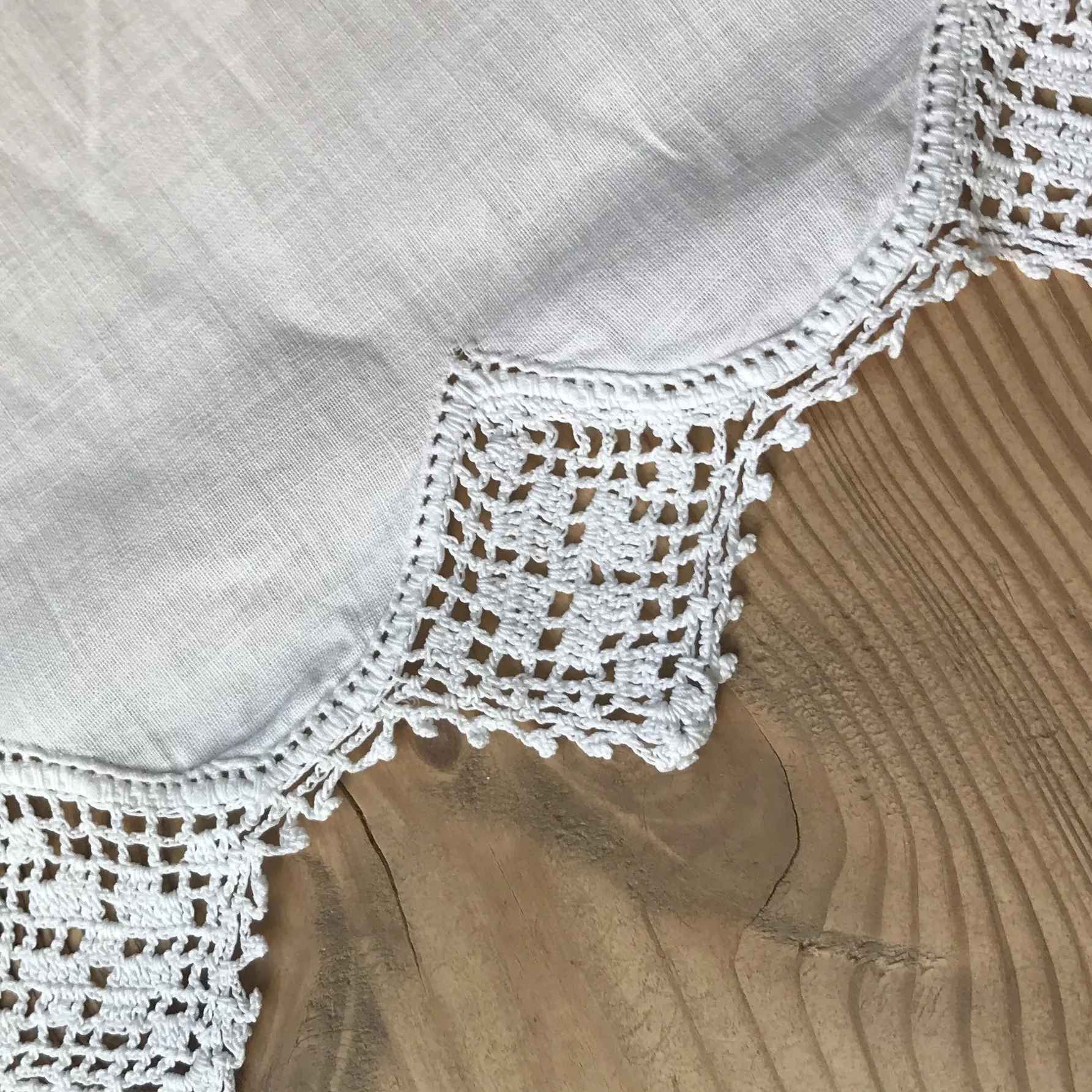
Vintage linens, with their delicate weave and historical charm, hold a special place in our homes. However, the passage of time often leaves these treasures looking less than their best. Yellowing, stains, and general discoloration can diminish their beauty, making them appear old and tired. But there’s good news! Whitening vintage linens is entirely possible, and with the right techniques, you can restore their original brilliance. This guide provides you with step-by-step instructions and expert advice to bring your vintage linens back to life, ensuring they continue to grace your home with their elegance and history. From understanding the challenges to employing effective whitening methods, we’ll cover everything you need to know to achieve stunning results.
Understanding Vintage Linens and Their Challenges
Before diving into the whitening process, it’s essential to understand why vintage linens discolor in the first place. This knowledge helps you choose the most appropriate cleaning methods and avoid damaging your precious textiles. Vintage linens, unlike modern fabrics, often have unique compositions and have endured years of use and storage. These factors contribute to the challenges of restoring them to their former glory. Careful handling and the right approach are crucial to prevent further damage and ensure the longevity of your cherished items. Let’s explore the common causes of discoloration and how they affect your vintage linens.
Why Do Vintage Linens Discolor
Several factors contribute to the yellowing and staining of vintage linens. The primary culprits include exposure to light, improper storage, and the natural aging of the fabric. Over time, the fibers of the linen can break down, leading to discoloration. Additionally, environmental factors like humidity and the presence of dust or pollutants can accelerate the process. Understanding these underlying causes is vital in developing an effective cleaning strategy. Each factor leaves a unique mark on the fabric, and some may require a more specialized approach. Knowing the root of the problem helps you to approach the restoration with precision and care, avoiding methods that might further damage the item.
Factors Contributing to Yellowing

Prolonged exposure to sunlight is a significant contributor to the yellowing of vintage linens. Ultraviolet (UV) rays can break down the fibers and cause them to discolor. Improper storage, such as storing linens in damp or poorly ventilated areas, can encourage the growth of mold and mildew, resulting in unsightly stains and a yellowed appearance. The presence of acidic elements in the storage environment, like acidic paper or wooden boxes, can also accelerate the deterioration process. Furthermore, natural oils and residues from use can oxidize over time, contributing to yellowing. These factors, individually or in combination, can significantly impact the appearance of your vintage linens.
Fabric Types and Their Impact
The type of fabric significantly impacts how it ages and responds to cleaning. Linen, known for its strength and durability, generally holds up well over time, but it can still discolor. Cotton, another common material, tends to yellow more readily due to its higher cellulose content, which is more susceptible to oxidation. Silk and other delicate fabrics require extra care, as they can be damaged by harsh chemicals or aggressive cleaning methods. Knowing the fabric composition is crucial to choosing the right cleaning techniques. Check the item label if you can, or test a small, inconspicuous area with your chosen cleaning method before treating the entire piece. (See image of linen fabric types)
Pre-Whitening Preparation Steps
Before you begin the whitening process, proper preparation is essential to ensure the best results and protect your vintage linens from damage. This involves assessing the condition of the fabric, performing gentle washing techniques, and, most importantly, testing for colorfastness. Careful preparation minimizes the risk of unforeseen issues and maximizes the chances of successfully restoring your linens. A little extra time spent on preparation now can save you from irreversible damage later. This section outlines the essential steps to prepare your vintage linens for the whitening process.
Assessing the Linen’s Condition

Thoroughly inspect your vintage linens for any existing damage, such as tears, weak spots, or severe stains. Note the fabric composition and any special details, such as embroidery or embellishments, that might require extra care. Gently feel the fabric to assess its texture and overall integrity. If there are fragile areas, you may need to hand-wash the item to avoid damage. The better you understand the linen’s condition, the better you can tailor your approach. Before starting the cleaning process, a detailed assessment will help you prevent further damage and choose the most appropriate cleaning methods. (See image of vintage linens initial condition)
Gentle Washing Techniques
Before attempting any whitening treatments, gently wash your vintage linens to remove loose dirt and surface stains. Use a mild detergent specifically designed for delicate fabrics. Fill a basin with cool or lukewarm water, add the detergent, and gently agitate the linens by hand. Avoid using hot water, as it can cause the fabric to shrink or damage delicate fibers. Rinse thoroughly to remove all traces of the detergent. Squeeze out excess water gently, taking care not to twist or wring the fabric, which could distort its shape or damage the fibers. For machine washing, use the delicate cycle and a laundry bag to protect the linens. (See image of washing vintage linens)
Testing for Colorfastness
Before applying any whitening agent, it’s crucial to test the colorfastness of your vintage linens. Choose a small, inconspicuous area, like a seam or hem, and apply a small amount of your chosen whitening solution. Let it sit for the recommended time, and then rinse the area thoroughly. Check for any color changes or bleeding. If the test area shows no adverse effects, you can proceed with treating the entire item. This step is especially important for items with dyes or embroidery, as some vintage dyes may not be colorfast. Always err on the side of caution and test before applying any solution to the entire item.
Effective Whitening Methods Revealed
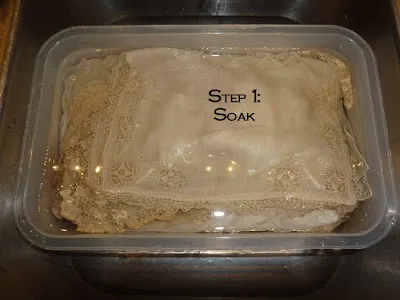
Once your vintage linens are prepared, you can proceed to whiten them using various effective methods. The best approach depends on the severity of the discoloration, the fabric type, and your preference for natural versus commercial solutions. Each method has its strengths and limitations, so choose the one that best fits your needs. From the power of sun bleaching to the gentle touch of baking soda and vinegar, we’ll explore several proven techniques to restore your linens to their pristine condition. Remember to always follow the instructions carefully and test each method on a small, hidden area before applying it to the entire item.
The Power of Sun Bleaching
Sun bleaching is a natural and effective method for whitening vintage linens. The sun’s ultraviolet rays act as a gentle bleaching agent. After washing your linens, hang them outside on a sunny day. Spread the fabric out flat or drape it over a clothesline, ensuring it gets direct sunlight. Turn the linens periodically to ensure even exposure. This process can take several hours or a full day, depending on the intensity of the sun and the severity of the discoloration. Sun bleaching is particularly effective for removing yellowing and brightening the fabric. However, be cautious of overexposure, as it can weaken fibers. Monitor the process and bring the linens inside when they reach the desired level of whiteness. (See image of sun bleaching linens)
Using Baking Soda and Vinegar
Baking soda and vinegar offer a gentle yet effective way to whiten and refresh vintage linens. Start by adding a half cup of baking soda to the washing machine along with your linens. Wash the linens on a gentle cycle in cool water. After the wash cycle is complete, rinse the linens thoroughly. In a separate basin or washing machine compartment, mix equal parts of white vinegar and water. Add the washed linens to the vinegar solution and let them soak for about 30 minutes. The vinegar helps to neutralize odors, soften the fabric, and remove any remaining residue. Rinse the linens again and then hang them to dry. This method is especially good for removing musty odors and brightening the fabric, however, it’s best to use this with white linens only. (See image of baking soda and vinegar whitening)
Hydrogen Peroxide for Whitening

Hydrogen peroxide is a mild bleaching agent that can effectively whiten vintage linens. Mix a solution of 3% hydrogen peroxide with water (use a ratio of 1 part hydrogen peroxide to 8 parts water). Soak your linens in this solution for up to an hour. For stubborn stains, apply hydrogen peroxide directly to the stain and let it sit for a few minutes before rinsing. After soaking or spot-treating, wash the linens as usual. Hydrogen peroxide is effective in removing stains and brightening white fabrics. Ensure you test the solution on an inconspicuous area first to avoid any adverse reactions. It’s a great alternative to harsh chemicals, but always use caution and follow the instructions carefully. (See image of hydrogen peroxide linen)
Commercial Whitening Products and Their Use
Commercial whitening products can be effective, but always use them with caution and follow the manufacturer’s instructions. Choose products specifically designed for delicate fabrics or vintage items. Read labels carefully to ensure the product is suitable for your fabric type and does not contain harsh chemicals that could damage your linens. Test the product on a small, hidden area before applying it to the entire item. Always dilute the product as directed and avoid using excessive amounts. After washing with a commercial whitener, rinse your linens thoroughly to remove all traces of the product. Commercial whiteners can be convenient but remember to always use them cautiously and to follow the instructions to avoid damage to your vintage linens.
How to Maintain and Care for Whitened Linens
Once you’ve successfully whitened your vintage linens, it’s important to maintain their brightness and prevent future discoloration. Proper care and storage are essential to preserve their beauty for years to come. Regular washing, careful storage, and mindful use can significantly extend the life of your linens and keep them looking their best. The following tips will help you protect your investment and enjoy your beautifully whitened vintage linens for many years to come.
Regular Washing and Storage Tips
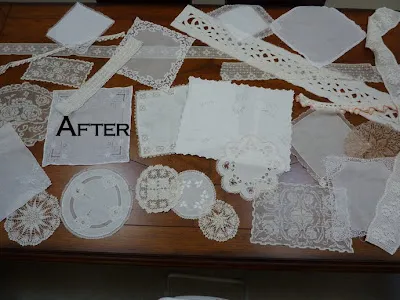
Wash your linens regularly to prevent dirt and stains from accumulating. Use a mild detergent and wash them in cool or lukewarm water. Avoid using bleach, as it can weaken the fibers over time. Always rinse thoroughly to remove all detergent residue. When storing your linens, choose a cool, dry, and dark place to prevent yellowing. Avoid storing them in direct sunlight or in damp environments. Use acid-free tissue paper to wrap your linens, which will protect them from light, dust, and yellowing. Avoid storing linens in plastic bags, which can trap moisture. Consider storing your linens in a breathable cotton or linen bag. (See image of storing whitened linens)
Preventing Future Discoloration
To prevent future discoloration, avoid prolonged exposure to direct sunlight. If you hang your linens outside to dry, turn them periodically. Store your linens in a dark, dry place away from humidity. Use acid-free storage materials such as tissue paper or archival boxes. When using your linens, handle them with clean hands to avoid transferring oils or dirt. If you notice any stains, treat them promptly to prevent them from setting. Regularly inspect your linens for any signs of discoloration or damage. By following these tips, you can significantly extend the life of your vintage linens and maintain their pristine condition for years to come.
Conclusion
Whitening vintage linens is a rewarding process that can restore the beauty and elegance of your cherished textiles. By understanding the causes of discoloration, preparing your linens carefully, and employing effective whitening methods, you can achieve remarkable results. Remember to always test your cleaning solutions on a small, inconspicuous area, follow instructions carefully, and prioritize the preservation of your vintage treasures. With the right care and attention, your vintage linens can continue to grace your home with their timeless beauty for generations to come. Embrace the journey of restoration and enjoy the satisfaction of bringing these historic pieces back to their original splendor.