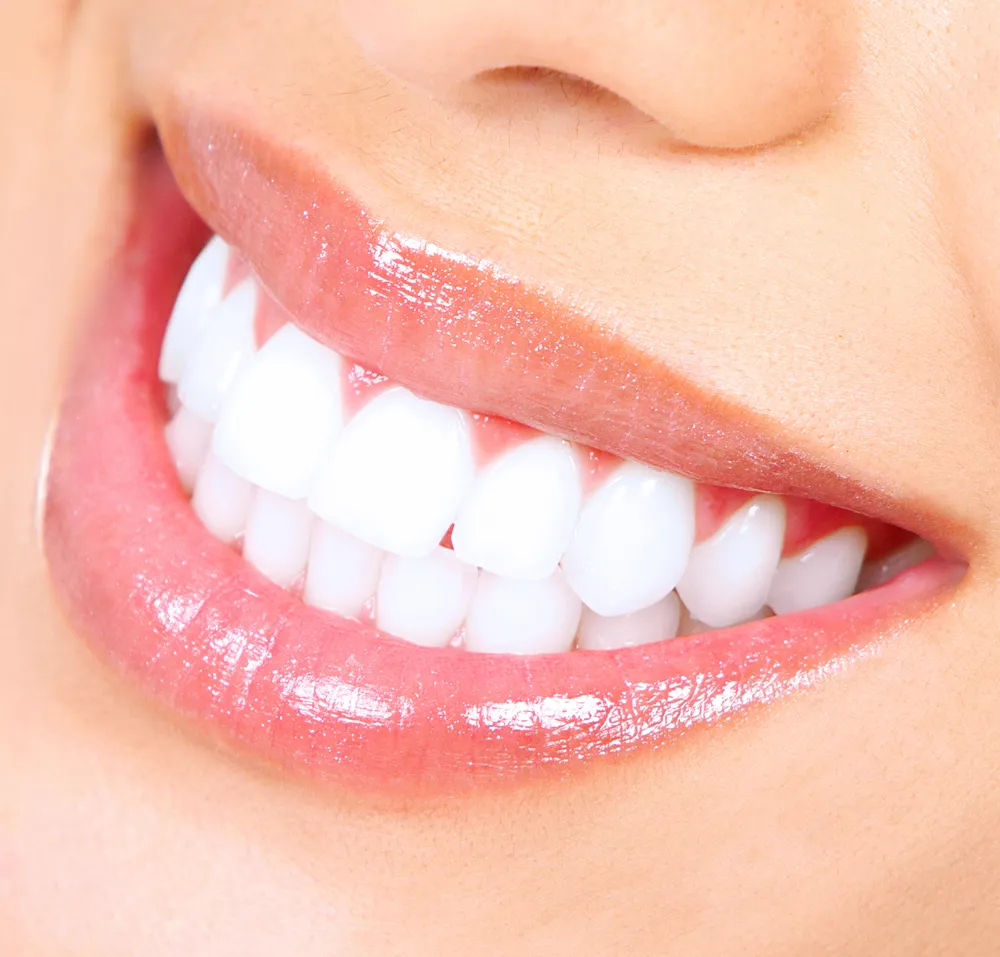
Understanding Teeth Whitening
Teeth whitening is a popular cosmetic procedure aimed at lightening the color of your teeth and removing stains. Over time, our teeth can become discolored due to various factors, impacting our smile’s brightness. Understanding the causes of discoloration and the available whitening methods is the first step toward achieving a dazzling, white smile. Various methods can be utilized to combat discoloration and improve the overall aesthetic appeal of your teeth. This comprehensive guide will provide valuable insights into the best ways to whiten your teeth fast and effectively, helping you make informed decisions about your oral health.
What Causes Tooth Discoloration
Tooth discoloration results from a combination of factors. External stains, internal changes, and aging all play significant roles. Knowing the reasons behind the color changes helps you choose the right whitening method and prevent future staining. The color of your teeth may vary from person to person, and each person’s teeth can experience color changes. Several habits may lead to discoloration, and knowing these causes will help you take the right steps to avoid them. Stains may develop on the surface (extrinsic) or inside the tooth (intrinsic) and may affect one tooth or multiple teeth.
Foods and Drinks that Stain Teeth

Certain foods and drinks contain pigments (chromogens) that can adhere to the enamel and cause staining. Regular consumption of these substances can lead to significant discoloration over time. Common culprits include coffee, tea, red wine, berries, and dark-colored sauces. These food items have the potential to cause staining, which is why it’s important to be mindful of what you consume and the frequency of your intake. These color-rich substances can easily adhere to your enamel, leading to less than desirable aesthetics. It is very important to keep in mind that even healthy foods like blueberries may affect the color of your teeth.
Lifestyle Choices Affecting Tooth Color
Smoking and tobacco use are major contributors to tooth discoloration, with nicotine and tar leaving behind stubborn stains. Additionally, poor oral hygiene, infrequent dental cleanings, and the use of certain medications can also impact the color of your teeth. The choices we make in our daily lives, like whether we choose to smoke or how we maintain our oral hygiene, all contribute to the color and health of our teeth. Avoiding tobacco products and maintaining a consistent oral hygiene routine can make a great difference to your smile.
Top 7 Methods for Teeth Whitening
With various teeth whitening methods available, it’s crucial to know the options and choose the best fit for your needs and preferences. From over-the-counter products to professional treatments, there are many ways to enhance your smile. The methods vary in effectiveness, cost, and convenience, so evaluating them based on your unique situation is essential. The following methods are some of the most popular ways to brighten your teeth, ranging from simple changes to professional treatments that will significantly enhance your smile and oral hygiene. Remember to consult with your dentist before starting any whitening procedure.
Whitening Toothpaste

Whitening toothpastes are an accessible and affordable option for brightening your teeth. They contain mild abrasives and/or chemicals that help remove surface stains. These toothpastes are readily available and an easy way to start whitening. While not as effective as professional treatments, they can improve the appearance of your smile over time. Regular use as part of your daily routine can enhance your oral hygiene practices and contribute to a healthier mouth. Whitening toothpastes can be a good option for maintaining the results of professional whitening or removing new stains.
How Whitening Toothpaste Works
Whitening toothpastes work through different mechanisms. Some use mild abrasives to physically scrub away surface stains, while others contain chemical agents, like hydrogen peroxide or baking soda, to help break down stains. These are mild but effective at removing discoloration. By removing stains and polishing the tooth surface, these toothpastes can enhance the appearance of your teeth. The effectiveness depends on the type of stains and the frequency of use, but the outcome can be a noticeably brighter smile. Different brands use different methods, so it is important to choose the right toothpaste that suits your needs.
Effectiveness and Limitations
Whitening toothpastes are most effective at removing surface stains from coffee, tea, and tobacco. They are not effective on intrinsic stains, such as those caused by medications or dental trauma. The results are usually subtle and gradual, and they may not be as dramatic as other whitening methods. The effectiveness is also affected by the duration of use and your oral hygiene practices. Always follow the instructions on the product, and remember that these toothpastes are designed to be used as a maintenance method. If you want fast whitening, other alternatives may be better.
Over-the-Counter Whitening Strips

Whitening strips are thin, flexible strips coated with a hydrogen peroxide-based whitening agent. They are easy to use and offer a more concentrated whitening treatment than toothpaste. These strips conform to the shape of your teeth, ensuring even application of the whitening agent. They are a popular choice for people looking to achieve noticeable results at home. Following the instructions carefully is essential for achieving optimal results. The ease of use, coupled with their relatively low cost, makes whitening strips a popular option for whitening.
How to Use Whitening Strips
Using whitening strips involves a few simple steps. First, brush and floss your teeth to remove any food particles. Then, peel the strips from the backing and apply them to your teeth, following the instructions on the package. Make sure to align the strips with your gum line and avoid touching your gums to minimize irritation. Wear the strips for the recommended time (typically 30 minutes), and then remove and discard them. Rinse your mouth to remove any remaining gel. Consistent use is key to achieve optimal results; always follow the instructions provided with the product.
Pros and Cons of Whitening Strips
Whitening strips are convenient, affordable, and often provide visible results within a few weeks. They are available over-the-counter, making them easily accessible. However, they may cause temporary tooth sensitivity or gum irritation in some users. The whitening effect might not be as dramatic as professional treatments. Also, they may not whiten teeth evenly, and the results might not be long-lasting. Before starting using the strips, it is very important to take into consideration the potential downsides and consult with your dentist if you have any concerns about the product.
At-Home Whitening Kits

At-home whitening kits offer a comprehensive approach to teeth whitening, providing a more intensive treatment than strips or toothpaste. These kits usually contain a whitening gel (with a higher concentration of hydrogen peroxide than strips), custom-fit trays, and sometimes a desensitizing toothpaste. The custom-fit trays are designed to ensure that the whitening agent comes into contact with the entire surface of the teeth, maximizing effectiveness. They are suitable for users who want a more effective whitening experience at home. Using a whitening kit requires following the instructions very carefully to ensure both safety and optimal results.
Components of a Whitening Kit
A typical at-home whitening kit includes the whitening gel (usually containing a higher concentration of hydrogen peroxide), custom-fit trays (made from molds of your teeth), and instructions for use. Some kits also include a desensitizing toothpaste to help manage sensitivity. The gel is applied to the trays, which are then placed over the teeth for the recommended time. The trays are designed to fit your teeth perfectly, ensuring even distribution of the whitening gel. All of these components work together to provide an effective and convenient way to whiten teeth at home. Careful adherence to the instructions is very important to achieving the best results.
Safety and Efficacy of Kits
When used according to the instructions, at-home whitening kits are generally safe and effective. However, they can cause temporary tooth sensitivity or gum irritation, especially if the gel comes into contact with the gums. It’s important to follow the manufacturer’s recommendations and consult with your dentist to determine if the kit is right for you. The efficacy of these kits varies depending on the concentration of the whitening agent and the duration of use. Consulting with a dentist will help ensure that you choose a product that matches your needs and your expectations and minimizes potential risks.
Professional Teeth Whitening

Professional teeth whitening, performed by a dentist, provides the most effective and long-lasting results. The dentist uses a higher concentration of whitening agents and may also use specialized lights or lasers to accelerate the whitening process. These treatments are usually the most expensive. The benefits of professional teeth whitening include immediate results, minimal risk of side effects (when performed by a professional), and customized treatment plans. This method is recommended for people looking to achieve a significant color change and are looking for the best result, but this is not for everybody.
In-Office Whitening Procedures
In-office whitening involves the dentist applying a high-concentration whitening gel to your teeth. The dentist may use a special light or laser to activate the gel and accelerate the whitening process. The entire procedure typically takes about an hour, and you can see immediate results. Before the procedure, the dentist will assess your oral health and determine if you are a suitable candidate. The process is very quick and is usually followed by a set of instructions to ensure you maintain the results. This is the most effective way to whiten teeth, but it is also the most expensive.
Cost and Benefits of Professional Whitening
Professional teeth whitening is more expensive than at-home methods, but it provides superior results and is performed under the supervision of a dentist. The benefits include a significantly brighter smile, immediate results, and a customized treatment plan. The cost varies depending on the location and the specific procedures performed. Before considering any whitening procedure, you should consult with your dentist to see if this procedure is the right one for you. The investment is justified when you take into account the effectiveness and the long-term outcomes.
Teeth Whitening with Activated Charcoal

Activated charcoal is a popular natural remedy for teeth whitening. It works by absorbing surface stains and is often used in toothpaste or as a powder. While it can help remove some surface stains, it may not be as effective as other whitening methods. The appeal of activated charcoal lies in its natural origin and its ease of use. People who are looking for a more natural approach often choose this method. Regular use can help remove stains, but it is important to keep in mind that activated charcoal is not a substitute for professional dental care.
How to Use Activated Charcoal
To use activated charcoal, you can either brush your teeth with charcoal powder or use a toothpaste containing activated charcoal. If using the powder, wet your toothbrush, dip it into the charcoal, and brush your teeth gently for 2-3 minutes. Rinse your mouth thoroughly afterward. Activated charcoal can be messy, so be careful when using it to avoid staining clothing or surfaces. It is important to not swallow the product. With regular use and the correct implementation, activated charcoal can help to remove some of the surface stains from the teeth. Make sure to discuss the procedure with your dentist before starting.
Effectiveness and Safety of Charcoal
The effectiveness of activated charcoal for teeth whitening is debated. While some users report seeing improvements, scientific evidence supporting its effectiveness is limited. Furthermore, activated charcoal can be abrasive and may damage enamel if used too aggressively. Using charcoal frequently, without appropriate precautions, may affect the natural protective layer of your teeth. Consult your dentist before using activated charcoal, and use it with caution. It is important to understand both the benefits and the limitations before deciding whether to use it.
Oil Pulling for Teeth Whitening
Oil pulling is an ancient Ayurvedic practice that involves swishing oil in your mouth to remove bacteria and toxins. Some people believe that oil pulling can also whiten teeth, though scientific evidence is limited. The method involves swishing a tablespoon of oil, typically coconut oil, in your mouth for 15-20 minutes. While the primary goal of oil pulling is to promote oral health, some believe that it can also contribute to teeth whitening by reducing bacteria and removing stains. Oil pulling is a simple and natural method for people interested in improving their oral hygiene.
The Process of Oil Pulling
To perform oil pulling, take a tablespoon of oil (usually coconut oil) and swish it in your mouth for 15-20 minutes. The oil should be pulled and pushed through your teeth, ensuring that it reaches all areas of your mouth. After 15-20 minutes, spit out the oil and rinse your mouth with water. It is important not to swallow the oil, as it will contain bacteria and toxins. The process is most effective when done on an empty stomach, ideally in the morning. Regular practice will lead to the best results; the duration should not exceed 20 minutes.
Benefits and Considerations of Oil Pulling
Oil pulling may help reduce bacteria, improve gum health, and freshen breath. However, the evidence supporting its teeth-whitening benefits is limited. Some people report a slight improvement in tooth color, but these results are not as dramatic as other methods. Additionally, it may not be suitable for everyone, and it should not replace regular dental care. Oil pulling, in combination with other teeth whitening procedures, may lead to a slightly brighter smile, but you must understand the limitations and possible downsides.
Dietary Adjustments for Whitening
Diet plays a significant role in maintaining a white smile. Consuming stain-causing foods and drinks can undo the effects of whitening treatments. Understanding the impact of dietary choices on your teeth is crucial for maintaining a bright smile. This includes knowing which foods to include and those to avoid. Making adjustments to your diet can help you achieve and maintain a brighter smile. The benefits of dietary choices include healthier teeth, a brighter smile, and better oral hygiene. Choosing the correct foods can enhance the results of other whitening methods.
Foods to Include for a Brighter Smile
Certain foods can help naturally clean and whiten your teeth. These include crunchy fruits and vegetables, such as apples, carrots, and celery, which act as natural abrasives. Dairy products like milk and cheese contain calcium, which strengthens enamel. Consuming these foods can also promote saliva production, which helps to wash away food particles and prevent stains. Including these foods in your diet can contribute to a healthier and whiter smile. The effect will be more visible when combined with other whitening methods.
Foods to Avoid for Stain Prevention
To prevent tooth stains, limit your intake of foods and drinks that contain chromogens. This includes coffee, tea, red wine, berries, and dark-colored sauces. Avoiding these substances, or consuming them in moderation, will help maintain the results of your teeth whitening treatments. Using a straw can also help reduce contact with your teeth. When consuming food that causes stains, make sure to brush your teeth soon after. Being mindful of these food items will help you protect your smile from unwanted discoloration.
Maintaining Your White Smile
Once you’ve achieved a brighter smile, it’s important to maintain it. This involves consistent oral hygiene practices, regular dental check-ups, and avoiding habits that can cause staining. The effort you put in after teeth whitening is essential to protect your investment and to ensure a long-lasting, dazzling smile. You can also prevent issues, such as tooth decay, with regular dental check-ups. Maintaining your bright smile does not require very big adjustments and you can integrate it into your daily life. These practices are designed to help you achieve the best results.
Oral Hygiene Routine
A consistent oral hygiene routine is essential for maintaining a white smile. Brush your teeth at least twice a day with a whitening toothpaste, and floss daily to remove plaque and food particles. Rinsing with an antibacterial mouthwash can also help to prevent stains and remove bacteria. These simple steps will make a significant difference. Make sure to follow the recommended brushing duration, and do not forget to replace your toothbrush regularly. The combination of all three components makes it essential to good oral hygiene.
Regular Dental Check-ups
Regular dental check-ups and cleanings are critical for maintaining a white smile and overall oral health. Your dentist can remove any plaque or tartar buildup that can contribute to staining. They can also identify and treat any underlying issues, such as cavities or gum disease, that might affect your smile. Professional cleanings, along with check-ups, will help you maintain a healthy mouth, and prevent the formation of problems. Always follow the instructions from your dentist and maintain your routine.
Avoiding Staining Habits
Avoiding habits that can cause tooth staining, such as smoking and excessive consumption of stain-causing foods and drinks, is vital for maintaining your white smile. If you smoke, consider quitting to improve your oral health and overall wellbeing. Limit your intake of coffee, tea, red wine, and other substances that can stain your teeth. It’s essential to be mindful of your choices and make conscious decisions to preserve your bright smile. Avoiding these habits can significantly extend the lifespan of your white teeth.