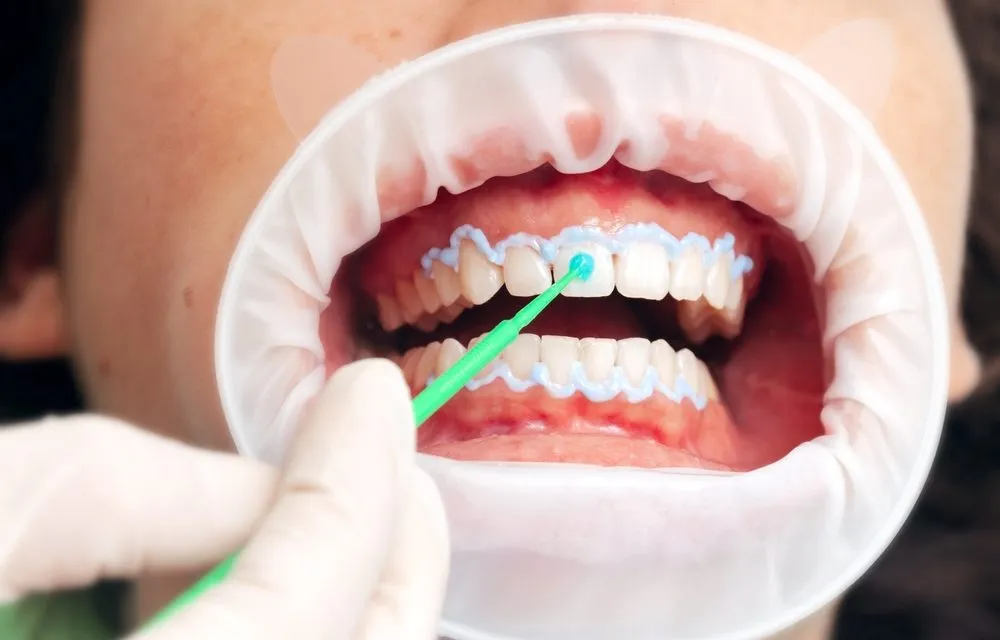
What is Hydrogen Peroxide Rinse
Hydrogen peroxide, a common household item, is a chemical compound with the formula H2O2. It is a clear liquid that acts as a mild antiseptic and has a bleaching effect. This bleaching property makes it useful for teeth whitening. When used as a rinse, hydrogen peroxide can help to remove stains and discoloration from the surface of the teeth. It’s readily available at most drugstores and comes in various concentrations, making it an accessible option for those seeking to brighten their smiles. It is important to understand its properties and how it interacts with your teeth before use. The key lies in understanding its concentration and how it should be safely applied to avoid potential harm and to maximize its teeth-whitening effects. The effectiveness of hydrogen peroxide in whitening teeth has been a subject of research, with studies suggesting it can be a practical method when used correctly.
How Does Hydrogen Peroxide Whiten Teeth
The teeth-whitening action of hydrogen peroxide is due to its oxidation properties. When hydrogen peroxide comes into contact with the teeth, it releases oxygen. This oxygen then reacts with the stain molecules present on the enamel surface and within the dentin. The reaction breaks down the stain molecules into smaller, less noticeable components, which makes the teeth appear whiter. The effectiveness of this process depends on the concentration of the hydrogen peroxide solution and the duration of its contact with the teeth. Lower concentrations used for shorter periods are generally safer, reducing the risk of side effects. The process, however, is not an instantaneous fix; consistent use is required to observe significant changes. It’s a gentle method that works over time, gradually lightening the shade of the teeth and restoring their natural brightness.
Understanding the Whitening Process

The whitening process involves the chemical reaction between hydrogen peroxide and the organic components of tooth stains. These stains can originate from various sources, including coffee, tea, red wine, and tobacco. The oxidation process breaks down these stains, effectively removing them from the teeth. The enamel’s porosity allows the hydrogen peroxide to penetrate the tooth’s surface, facilitating this reaction. The degree of whitening depends on several factors, including the concentration of hydrogen peroxide, the duration of application, and the type and severity of the stains. It is important to understand that this process primarily targets surface stains and is less effective on intrinsic stains that lie deeper within the tooth structure. Regular use, combined with proper oral hygiene, enhances the overall whitening outcome and promotes healthier teeth.
Step-by-Step Guide to Using Hydrogen Peroxide Rinse
Using hydrogen peroxide rinse effectively requires a structured approach. First, brush and floss your teeth thoroughly to remove food particles and debris. This prepares the teeth for the hydrogen peroxide rinse. Next, pour a small amount of hydrogen peroxide (usually about a capful, or roughly 1-2 tablespoons) into a cup. Ensure that you use a concentration of 3% hydrogen peroxide, which is commonly found in drugstores, for safety. Swish the solution around your mouth for approximately 30 to 60 seconds, making sure it contacts all surfaces of your teeth. After swishing, spit out the solution and rinse your mouth with water. Avoid swallowing the hydrogen peroxide, as it can cause stomach upset. Repeat this process once or twice daily, ideally after brushing, to achieve the best results. It is crucial to adhere to the recommended duration and frequency to prevent potential side effects.
Choosing the Right Hydrogen Peroxide
When selecting hydrogen peroxide for teeth whitening, the concentration is key. Always opt for a 3% hydrogen peroxide solution, which is readily available and considered safe for oral use. Higher concentrations, typically found in professional whitening treatments, should be avoided unless under the direct supervision of a dentist, as they can cause significant harm. Check the product label to ensure it is the correct concentration and free from any additives that could be harmful if swallowed. It’s advisable to purchase hydrogen peroxide from a reputable source to guarantee product quality and safety. Always store the hydrogen peroxide in its original container, away from direct sunlight and heat, to maintain its effectiveness and prevent degradation. Regular monitoring of the expiration date is also essential; using expired hydrogen peroxide may reduce its effectiveness.
Dilution and Concentration Guidelines

For optimal safety, diluting the 3% hydrogen peroxide solution with water is a good practice, especially for those with sensitive teeth. Mixing equal parts hydrogen peroxide and water can reduce the concentration and the potential for irritation. This dilution helps to make the rinse gentler while still providing effective whitening. It is important to maintain the ratio consistently when preparing each rinse. If you experience any discomfort or sensitivity, consider further diluting the solution by increasing the water proportion. It’s crucial to note that diluting the solution may slightly reduce its whitening potency, so adjusting the duration and frequency of rinsing may be necessary to achieve the desired results. Always observe your oral health and adjust the dilution as needed to suit your specific sensitivity level.
Proper Application Techniques
The way you apply the hydrogen peroxide rinse is important for both safety and effectiveness. After brushing and flossing, pour the diluted hydrogen peroxide solution into your mouth. Swish the solution vigorously, making sure it reaches all surfaces of your teeth. Pay particular attention to areas with visible stains or discoloration. Ensure that you do not swallow any of the solution, as it could cause stomach upset. During the rinsing process, try to keep the solution in contact with your teeth for the recommended time (30-60 seconds). Avoid excessive swishing, which could lead to unnecessary irritation. After rinsing, spit out the solution thoroughly. Rinse your mouth with plain water to remove any remaining hydrogen peroxide residue. This thorough rinsing minimizes the risk of any potential side effects.
The Right Way to Rinse
The technique of rinsing with hydrogen peroxide is crucial for maximizing its benefits while minimizing risks. The best way to rinse involves a consistent and thorough approach. After pouring the solution into your mouth, swish it gently but persistently around all teeth surfaces. It is essential to ensure that the solution contacts the front, back, and chewing surfaces of your teeth. Pay extra attention to areas where discoloration is most noticeable. Maintain the recommended rinsing time (30-60 seconds) to allow the hydrogen peroxide to effectively break down stains. Avoid vigorous swishing, which might cause irritation to the gums and soft tissues. After the designated time, spit out the solution entirely and rinse your mouth with water. This final rinse removes any remaining hydrogen peroxide residue, ensuring that the mouth remains clean and safe.
Duration and Frequency

The duration and frequency of using hydrogen peroxide rinse should be carefully managed to optimize results and minimize potential harm. It is generally recommended to rinse with hydrogen peroxide for 30 to 60 seconds. For frequency, limit the use to once or twice daily, preferably after brushing. Overuse can increase the risk of tooth sensitivity and gum irritation. Consistency is key; regular use within these guidelines is more effective than infrequent, prolonged use. It’s essential to monitor your teeth for any adverse reactions, such as increased sensitivity or gum inflammation. If any of these symptoms arise, reduce the frequency or concentration of the hydrogen peroxide rinse. Consulting with your dentist about the appropriate usage of hydrogen peroxide, based on your specific oral health condition, is always advisable.
What to Expect after Using Hydrogen Peroxide
After using a hydrogen peroxide rinse, you might notice some immediate and gradual changes. Initially, your mouth might feel cleaner, and you could experience a slight tingling sensation. Over time, with regular use, you should see a gradual lightening of your teeth. This whitening effect, however, is often subtle and may not be as dramatic as with professional treatments. It is also possible to experience some temporary sensitivity to hot or cold foods and drinks. If this occurs, it typically subsides within a few days. In some cases, you may experience mild gum irritation. If this persists, reduce the frequency of the rinse or consult with your dentist. Regular monitoring of your teeth’s appearance and sensitivity will help you assess the effectiveness and suitability of the hydrogen peroxide rinse for your needs.
Potential Side Effects and Precautions
While hydrogen peroxide rinse can be a beneficial teeth-whitening method, it is crucial to be aware of potential side effects and take necessary precautions. The most common side effect is tooth sensitivity, which can range from mild to moderate and is usually temporary. Gum irritation, characterized by redness or inflammation, can also occur, particularly with overuse. In rare cases, prolonged use can lead to the erosion of tooth enamel, increasing the risk of cavities and other dental problems. To minimize risks, always use the recommended concentration (3% diluted) and duration, and avoid swallowing the solution. If you experience persistent sensitivity or irritation, discontinue use and consult your dentist. Individuals with pre-existing dental issues, such as cavities or gum disease, should consult a dentist before using hydrogen peroxide rinse.
Sensitivity and Irritation

Tooth sensitivity and gum irritation are common side effects of hydrogen peroxide rinse and warrant careful attention. Tooth sensitivity often manifests as a sharp, temporary pain when consuming hot, cold, sweet, or acidic foods or drinks. It occurs because the hydrogen peroxide can temporarily affect the tooth enamel. Gum irritation, on the other hand, is typically characterized by redness, swelling, or tenderness in the gums. To manage these side effects, reduce the concentration of hydrogen peroxide by diluting it further with water. Shorten the rinsing time or reduce the frequency of use. Using a toothpaste designed for sensitive teeth can help alleviate discomfort. If the sensitivity or irritation persists or worsens, it’s crucial to consult your dentist. They can assess the situation and recommend appropriate solutions or alternative teeth whitening methods.
When to Avoid Hydrogen Peroxide Rinse
Certain conditions and situations warrant avoiding the use of hydrogen peroxide rinse to prevent potential harm. People with significant gum disease or active cavities should not use hydrogen peroxide rinse without first consulting a dentist. This is because the chemical can exacerbate these conditions. Individuals with sensitive teeth or a history of tooth sensitivity should also proceed with caution, as hydrogen peroxide can increase sensitivity. It is advisable to avoid hydrogen peroxide rinse immediately after dental procedures such as fillings, extractions, or teeth whitening, as it might interfere with the healing process or cause irritation. Pregnant or breastfeeding women should consult their healthcare provider before using any teeth-whitening products. Always seek professional dental advice if you are unsure about the suitability of hydrogen peroxide for your oral health.
Alternative Teeth Whitening Options
If hydrogen peroxide rinse isn’t suitable or you’re seeking alternative teeth whitening methods, several options are available. Over-the-counter whitening toothpastes and strips often contain a lower concentration of peroxide or other whitening agents and can be a gentler option. Professional teeth whitening treatments by a dentist, such as in-office bleaching or custom-fitted trays with stronger bleaching agents, can yield more dramatic results. Other methods include using whitening pens and gels, which can be applied directly to the teeth. For those seeking more natural approaches, coconut oil pulling and the use of baking soda may also provide some whitening effects. However, their effectiveness is typically less significant. It’s always a good idea to discuss these options with your dentist to determine the best and safest approach for your specific dental needs.