What is Wheatgrass and Why Use It?
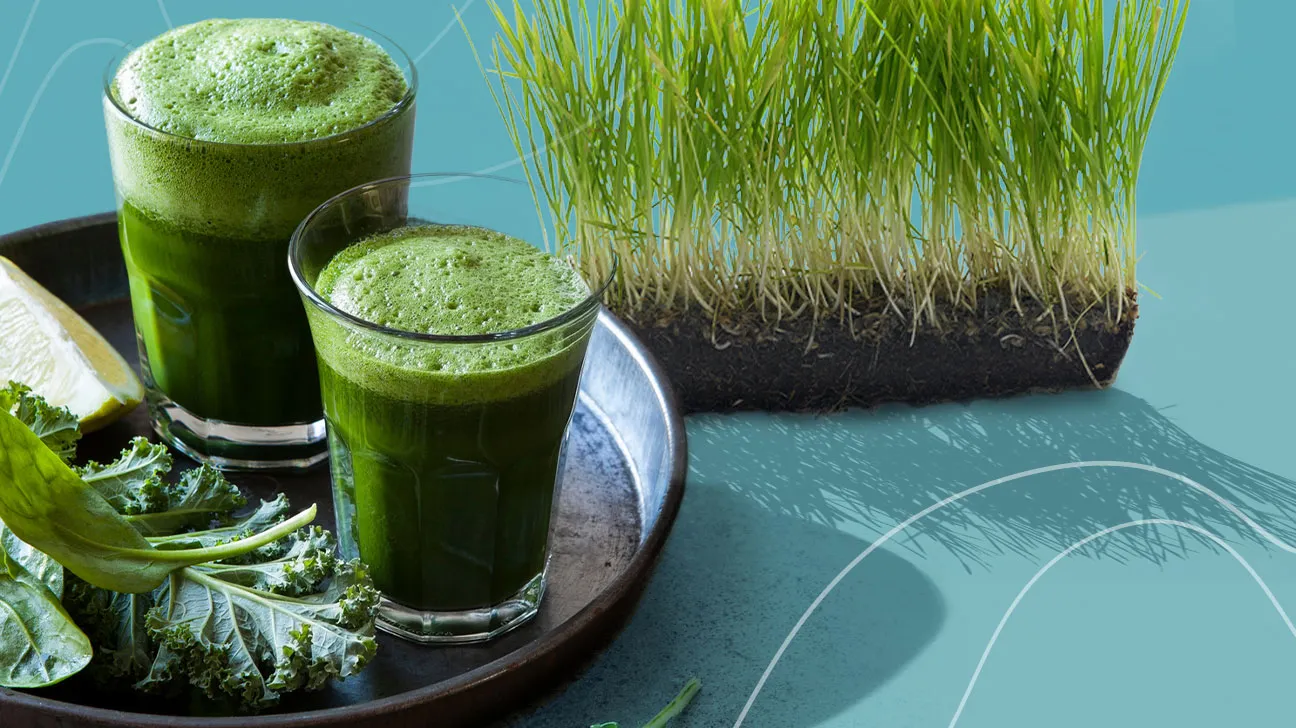
Wheatgrass, the young shoots of the wheat plant, is a nutritional powerhouse celebrated for its numerous health benefits. Rich in vitamins, minerals, amino acids, and chlorophyll, it’s often consumed as a juice or supplement. But, did you know that wheatgrass is increasingly being recognized for its potential in teeth whitening? People are turning to natural alternatives in growing numbers, and wheatgrass offers a promising avenue for a brighter smile. Using wheatgrass to whiten teeth aligns with a holistic approach to health, utilizing the power of nature to improve your oral hygiene. Its natural properties make it an appealing option for those seeking a gentler alternative to conventional teeth whitening treatments, which often involve harsh chemicals that can lead to sensitivity or other side effects.
The Science Behind Wheatgrass Teeth Whitening
The whitening properties of wheatgrass can be attributed to its high chlorophyll content, a natural pigment that acts as a powerful antioxidant. Chlorophyll helps to neutralize acids and reduce inflammation, which can contribute to stained teeth. Furthermore, wheatgrass contains a variety of essential minerals, such as calcium and magnesium, which support overall oral health. These minerals help to strengthen tooth enamel, making teeth more resistant to staining and decay. While scientific research specifically on wheatgrass for teeth whitening is still emerging, the anecdotal evidence and the known properties of its components provide a compelling basis for its use. Its effectiveness hinges on its ability to gently lift stains and promote a healthier oral environment, resulting in naturally whiter teeth over time. The impact of chlorophyll in neutralizing acids that can damage enamel is a key factor in understanding its whitening mechanism.
How Wheatgrass Whitens Teeth

Wheatgrass whitens teeth through a combination of its antioxidant and mineral-rich composition. The chlorophyll in wheatgrass helps to break down stains from the surface of the teeth, such as those caused by coffee, tea, and other foods. The gentle abrasive quality of wheatgrass can also help to remove surface stains. The minerals in wheatgrass, like calcium, strengthen the enamel and make the teeth less susceptible to staining. When applied to teeth, wheatgrass works to both clean and protect. It helps in gently lifting away surface stains without the harshness of some chemical treatments. This dual-action approach makes wheatgrass a promising natural remedy for teeth whitening, leading to a brighter smile. The approach differs from conventional methods, emphasizing the natural process of stain removal and enamel strengthening.
Preparing Wheatgrass for Whitening
Preparing wheatgrass for teeth whitening involves selecting high-quality wheatgrass and properly processing it to maximize its benefits. Ideally, fresh wheatgrass juice is the best option, as it contains the most active compounds. If fresh juice is not available, wheatgrass powder can be used as a convenient alternative, providing similar benefits. When selecting wheatgrass, look for a vibrant green color, which indicates a high chlorophyll content. The leaves should be free from any signs of yellowing or wilting. To prepare fresh wheatgrass juice, wash the leaves thoroughly and use a juicer to extract the juice. If you’re using wheatgrass powder, mix a small amount with water to create a paste. This paste can then be applied to your teeth. Following these preparation steps ensures you’re using the most effective form of wheatgrass for teeth whitening, maximizing the potential for brighter and healthier teeth.
Step by Step Wheatgrass Whitening Guide
Step 1 Sourcing High-Quality Wheatgrass

The first step in using wheatgrass for teeth whitening is to source high-quality wheatgrass. This can be in the form of fresh wheatgrass, wheatgrass juice, or wheatgrass powder. Fresh wheatgrass can often be found at health food stores or local farmers’ markets. When purchasing fresh wheatgrass, ensure that the leaves are a vibrant green color and free from any signs of yellowing or mold. Wheatgrass juice is a convenient alternative and can be purchased at many health food stores or juice bars. If you choose wheatgrass powder, opt for a brand that is organic and free from additives. The quality of your wheatgrass directly impacts the effectiveness of the whitening process. Always check the source and ensure that you are using a reliable and high-quality product to maximize the benefits.
Step 2 Preparing the Wheatgrass Paste
Once you have your wheatgrass, the next step is preparing it for application. If you are using fresh wheatgrass, juice it using a juicer. Collect the fresh juice in a clean container. For wheatgrass powder, mix a small amount (about a teaspoon) with enough water to form a thick paste. Ensure that the paste has a smooth consistency, free of lumps. This paste will be your whitening agent. If you want to enhance the whitening effect, you can add a pinch of baking soda to the paste, but use it sparingly, as excessive use can be abrasive. Mix everything thoroughly to create an even mixture. The right consistency will allow for easy application and effective contact with your teeth. Preparing the paste correctly sets the stage for the whitening process to work efficiently, providing the best results.
Step 3 Applying the Wheatgrass to Your Teeth
With the paste ready, the next step is applying it to your teeth. Using a clean toothbrush, apply a thin layer of the wheatgrass paste to your teeth, ensuring that all surfaces are covered. Let the paste sit on your teeth for about 5-10 minutes. Avoid swallowing the paste, as it can have a strong taste. While the paste is on your teeth, it’s working to lift away stains and remove impurities. You may feel a slight tingling sensation, which is normal. Make sure to keep your mouth slightly open to avoid accidental swallowing. This application allows the wheatgrass to interact with your teeth, initiating the whitening process. This step is crucial for the efficacy of wheatgrass in brightening your smile and requires careful and patient application.
Step 4 Rinsing and Aftercare

After the wheatgrass paste has sat on your teeth, the final step is rinsing and aftercare. Thoroughly rinse your mouth with water to remove all traces of the paste. Brush your teeth with your regular toothpaste to ensure all remnants are cleared. It’s essential to ensure that all wheatgrass residue is removed, as it can cause a lingering taste. Avoid eating or drinking anything for at least 30 minutes after rinsing to allow the wheatgrass to continue working. This rinsing and aftercare process helps to finalize the teeth whitening treatment, ensuring you maintain the best results. Consistent rinsing and aftercare practices contribute to long-term dental health and brighter teeth.
Benefits of Wheatgrass Teeth Whitening
Wheatgrass teeth whitening offers several notable benefits. It’s a natural approach, free from harsh chemicals commonly found in commercial whitening products, making it a safer option for those with sensitive teeth. It is gentle on the enamel and gums, reducing the risk of irritation or discomfort. In addition to whitening, wheatgrass can improve overall oral health by promoting gum health and reducing inflammation due to its antioxidant properties. This leads to a healthier mouth and a brighter smile simultaneously. Using wheatgrass can also be more cost-effective than professional whitening treatments or expensive over-the-counter products. These benefits make wheatgrass an appealing choice for those seeking a natural, affordable, and health-conscious approach to teeth whitening.
Other Natural Teeth Whitening Methods
Apart from wheatgrass, several other natural methods can help whiten teeth. Baking soda, used as a paste, is a mild abrasive that can help remove surface stains. Coconut oil pulling, an ancient Ayurvedic practice, involves swishing coconut oil in the mouth to remove bacteria and toxins that can cause discoloration. Activated charcoal, known for its absorptive properties, can also be used to brush teeth, helping to lift stains. Hydrogen peroxide, in low concentrations, is another option, but it should be used cautiously as it can cause sensitivity. While these methods may offer some whitening benefits, results vary depending on the individual and the severity of the stains. It is essential to research and, if necessary, consult a dental professional before trying any new teeth whitening method.
Potential Side Effects and Considerations
While wheatgrass is generally safe, some potential side effects and considerations exist. Some individuals may experience a mild sensitivity or tingling sensation during the whitening process. It is rare, but it’s possible to have allergic reactions, especially if you have allergies to grasses. For those with existing dental issues or sensitive teeth, it’s advisable to consult a dentist before starting wheatgrass teeth whitening. Always use wheatgrass in moderation. Overuse can potentially cause abrasion. The effects of wheatgrass on teeth whitening are not as pronounced as some professional treatments, so manage your expectations. By being aware of these potential issues, you can use wheatgrass safely and effectively to whiten your teeth. Always consult a dentist if you experience any adverse reactions or have concerns about using wheatgrass for teeth whitening.
Maintaining Your Whitened Smile
Once you achieve a brighter smile with wheatgrass, it’s crucial to maintain it. Regular brushing and flossing are essential for removing plaque and preventing new stains. Limit your intake of stain-causing foods and beverages, such as coffee, tea, and red wine. Regular dental check-ups and cleanings are also vital for maintaining oral health and a bright smile. Consider using wheatgrass regularly as a part of your oral hygiene routine to help maintain your results. By incorporating these practices, you can keep your teeth white and healthy for the long term. Maintaining your whitened smile takes dedication and consistent effort. Following these guidelines ensures you can enjoy the benefits of your brighter smile for a long time.