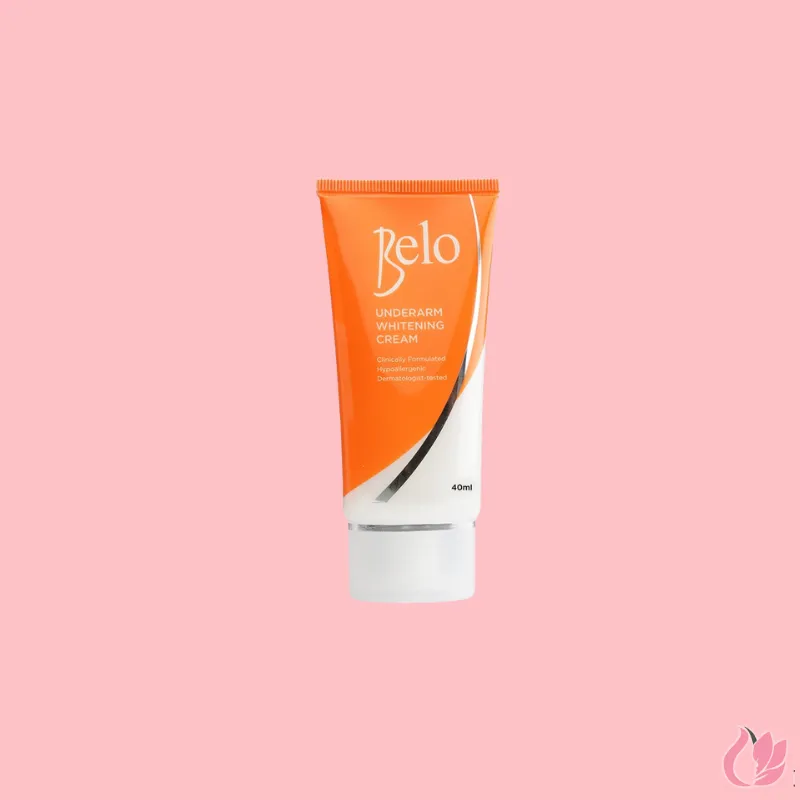
Understanding Underarm Discoloration
Underarm discoloration is a common cosmetic concern affecting people of all skin tones. It manifests as darker skin in the underarm area, which can be caused by various factors, ranging from simple lifestyle choices to underlying medical conditions. While generally harmless, underarm darkness can affect self-esteem and confidence. Understanding the causes is the first step towards effective treatment and prevention. Dr. Vicki Belo, a renowned dermatologist, emphasizes a holistic approach to address this issue, combining professional treatments with at-home care for optimal results. It’s crucial to identify the specific causes in your case to create a tailored plan.
Common Causes of Underarm Darkness
Several factors can contribute to the darkening of underarm skin, often working in combination. Recognizing these causes can help you avoid them or mitigate their effects. From simple habits to more complex issues, a comprehensive understanding of the causes is essential for creating an effective whitening strategy. Dr. Belo’s approach always begins with a thorough assessment to pinpoint the root causes before recommending any treatments, ensuring the most personalized and effective approach.
Shaving and Its Impact

Shaving is a frequent culprit behind underarm discoloration. The repeated friction and irritation from shaving can lead to inflammation and, subsequently, hyperpigmentation, where the skin produces more melanin, resulting in darker patches. Using dull razors exacerbates this issue, causing micro-cuts and increasing the chances of irritation. Shaving often removes only the top layer of hair, leaving the roots intact and potentially causing ingrown hairs, which can further lead to inflammation and darkness. Dr. Belo suggests alternatives to shaving and proper shaving techniques to minimize the impact.
Use of Harsh Deodorants
Certain deodorants and antiperspirants contain ingredients that can irritate the sensitive skin of the underarms. Alcohol, fragrances, and aluminum-based compounds are common irritants that can trigger inflammation and darkening. The constant application of these products, especially on freshly shaved skin, can exacerbate the problem. Dr. Belo recommends choosing gentle, hypoallergenic deodorants that are free of harsh chemicals. She also advises patch-testing new products before regular use to identify potential irritants, helping to minimize the chances of adverse reactions and discoloration.
Friction from Clothing
Tight clothing, particularly fabrics that don’t breathe well, can cause friction in the underarm area, leading to irritation and discoloration. The constant rubbing of fabric against the skin can create inflammation, which, in turn, stimulates melanin production. Synthetic materials, such as polyester, are more likely to cause friction and trap heat and moisture, creating a breeding ground for bacteria and increasing irritation. Dr. Belo suggests wearing loose-fitting, breathable clothing made from natural fibers like cotton to minimize friction and promote better air circulation.
Vicki Belo’s Top 5 Underarm Whitening Tips

Dr. Vicki Belo, with her extensive experience in dermatology and cosmetic treatments, offers a comprehensive approach to underarm whitening. Her methods blend professional treatments with effective at-home care, providing a pathway to brighter, smoother underarms. These are the core strategies that form the foundation of her approach, each designed to tackle different aspects of the problem and deliver noticeable results. The combination of these techniques, as recommended by Dr. Belo, provides a holistic solution for underarm whitening.
Tip 1 Chemical Peels
Chemical peels are a cornerstone treatment in Dr. Belo’s arsenal for underarm whitening. These peels use chemical solutions to exfoliate the top layers of the skin, removing dead cells and stimulating new cell growth. This process helps to reduce hyperpigmentation and reveal the lighter, fresher skin underneath. Dr. Belo uses a range of peels tailored to the individual’s skin type and the severity of the discoloration, ensuring safe and effective results. Regular chemical peels can significantly improve the appearance of dark underarms.
How Chemical Peels Work
Chemical peels work by applying a controlled chemical solution to the skin, which causes the outer layers to peel off. As the skin heals, it produces new cells, resulting in a smoother and more evenly toned appearance. The specific chemicals used (such as glycolic acid, salicylic acid, or trichloroacetic acid) and their concentrations vary based on the skin type and the desired outcome. The exfoliation also helps to remove accumulated dead skin cells, which can contribute to darkness and uneven texture. Following the treatment, proper aftercare is vital to support the healing process.
Benefits of Chemical Peels

Chemical peels offer multiple benefits beyond just whitening. They improve skin texture by reducing the appearance of fine lines and wrinkles and can also help to minimize pores. In the context of underarm whitening, they directly target hyperpigmentation, reducing the dark patches. The stimulation of new cell growth also contributes to overall skin health, making the underarms look and feel smoother and more refreshed. Peels also help to increase the absorption of other topical treatments, maximizing their effectiveness.
Tip 2 Laser Treatments
Laser treatments represent another advanced approach for underarm whitening, favored by Dr. Belo for their precision and effectiveness. Lasers target the melanin in the skin, breaking it down to reduce discoloration. This method offers a more direct and controlled treatment than chemical peels, making it suitable for deeper pigmentation. Dr. Belo uses various laser technologies, customizing the treatment based on the individual’s skin type and the specific nature of their underarm darkness. Laser treatments are also known for their ability to stimulate collagen production.
Types of Laser Treatments
Several types of lasers are used for underarm whitening, each with unique characteristics. Intense Pulsed Light (IPL) is a popular choice, which delivers a broad spectrum of light to target pigment. Fractional lasers are another option; these create micro-injuries in the skin to stimulate new collagen and reduce pigmentation. The specific laser chosen depends on the skin type and the depth of the discoloration. Dr. Belo carefully assesses each patient to determine the most suitable laser treatment, ensuring the best possible results with minimal side effects. Advanced laser technologies provide precise targeting and reduce the risk of damage to surrounding tissues.
Effectiveness of Laser Treatments

Laser treatments are highly effective for underarm whitening, particularly for individuals with deeper or more stubborn pigmentation. The lasers’ ability to precisely target melanin allows for significant improvement in skin tone and texture. Many patients experience a noticeable reduction in darkness after a few sessions, with the skin becoming brighter and smoother. The long-term effectiveness of laser treatments can be enhanced by combining them with proper skincare and maintenance, as recommended by Dr. Belo. Maintenance sessions are sometimes necessary to sustain the results.
Tip 3 Topical Whitening Creams
Topical whitening creams play a key role in at-home underarm care, complementing professional treatments and helping to maintain results. These creams contain active ingredients that inhibit melanin production, lighten existing pigmentation, and brighten the skin. Dr. Belo emphasizes the importance of using the right products, which are formulated with safe and effective ingredients. Regular use, combined with a consistent skincare routine, can significantly improve the appearance of underarm skin and prevent future discoloration.
Ingredients to Look For
When choosing a topical whitening cream, it’s essential to look for specific ingredients known for their effectiveness and safety. Ingredients like kojic acid, arbutin, vitamin C, and niacinamide are highly regarded for their ability to lighten skin and reduce hyperpigmentation. These ingredients work by either inhibiting the production of melanin or promoting the shedding of pigmented skin cells. Dr. Belo recommends creams with these ingredients, along with other soothing agents that can help to prevent irritation and maintain the skin’s natural moisture balance.
How to Apply Creams

Proper application is crucial to ensure the effectiveness of topical whitening creams. Dr. Belo advises applying the cream to clean, dry underarms once or twice a day, following the product instructions. Consistent use is essential to see results. It is also advisable to apply the cream evenly across the entire underarm area to avoid uneven lightening. Incorporating the cream into your daily skincare routine and combining it with other recommendations, such as gentle exfoliation, will enhance the overall outcome. If any irritation occurs, discontinue use and consult with a dermatologist.
Tip 4 Professional Treatments
Beyond chemical peels and laser treatments, Dr. Vicki Belo offers other professional treatments tailored for underarm whitening. These treatments provide alternative solutions for individuals who may not be suitable candidates for peels or lasers or those seeking additional support. Professional treatments often involve a combination of methods to provide a comprehensive approach to underarm care, addressing both the symptoms and the underlying causes of discoloration. Dr. Belo’s clinic offers a range of advanced and specialized therapies to cater to various needs.
Microdermabrasion
Microdermabrasion is a minimally invasive procedure that Dr. Belo uses to exfoliate the top layer of skin. It involves using a device with a special abrasive tip to gently remove dead skin cells and stimulate the production of new cells. This treatment helps to improve skin texture and reduce the appearance of discoloration. Microdermabrasion can be particularly beneficial for those with mild to moderate underarm darkness, as it promotes smoother, brighter skin. The procedure is generally painless, and there is minimal downtime. Regular microdermabrasion sessions can contribute to lasting improvements in underarm appearance.
Underarm Whitening Facials

Underarm whitening facials are a popular choice for a comprehensive approach to underarm care. These facials typically include a combination of exfoliation, gentle cleansing, and the application of specialized serums and masks. The goal is to brighten and hydrate the skin while addressing pigmentation issues. Dr. Belo’s underarm whitening facials often incorporate ingredients known for their skin-lightening properties, such as vitamin C and other antioxidants. These treatments leave the underarms feeling refreshed, rejuvenated, and visibly lighter. Facials are usually customized based on an individual’s skin type and the severity of their discoloration.
Tip 5 Maintaining Results
Maintaining the results of underarm whitening treatments requires consistent effort and adherence to a proper skincare regimen. Dr. Belo emphasizes the importance of adopting long-term practices to prevent the recurrence of discoloration and keep the underarms looking their best. This involves a combination of good hygiene, choosing the right products, and avoiding factors known to cause darkening. By following Dr. Belo’s recommendations, individuals can enjoy the lasting benefits of their whitening treatments and maintain their confidence.
Proper Hygiene Practices
Proper hygiene is fundamental to maintaining bright and healthy underarms. Dr. Belo recommends washing the underarms daily with a gentle, non-irritating cleanser to remove sweat, bacteria, and product buildup. Exfoliating the area a few times a week can also help to remove dead skin cells and prevent ingrown hairs. It’s also important to dry the underarms thoroughly after showering or bathing, as moisture can contribute to bacterial growth and potential discoloration. Proper hygiene practices contribute to overall skin health and enhance the effectiveness of whitening treatments.
Choosing the Right Deodorant

Choosing the right deodorant is crucial for preventing underarm discoloration. Dr. Belo advises selecting deodorants that are free from harsh chemicals, fragrances, and alcohol, which can irritate the skin. Opting for hypoallergenic formulas and those that contain ingredients like aloe vera or other soothing agents can help to minimize the risk of irritation and darkening. If you are prone to underarm sensitivity, consider using a deodorant specifically formulated for sensitive skin. Dr. Belo recommends conducting a patch test before using a new deodorant to ensure it suits your skin.
Additional Tips for Underarm Care
Beyond the core treatments and tips provided by Dr. Belo, additional practices can contribute to healthier, brighter underarms. These supplementary steps complement the primary recommendations, amplifying the results and promoting overall skin wellness. Integrating these additional tips into your routine will help you achieve and maintain optimal results.
Exfoliation and Its Importance
Regular exfoliation is crucial for removing dead skin cells, which can contribute to underarm darkness. Gently exfoliating the underarms one to three times a week helps to promote skin cell turnover, improve skin texture, and allow whitening products to penetrate more effectively. Use a gentle exfoliating scrub or a soft washcloth to prevent irritation. Dr. Belo recommends avoiding harsh scrubs and excessive scrubbing, as this can damage the skin and worsen the condition. Consistent exfoliation enhances the effectiveness of other treatments and keeps the skin smooth.
Moisturizing the Underarms
Maintaining proper moisture levels is essential for healthy underarm skin. Dry skin can be more prone to irritation and can exacerbate discoloration. After showering or exfoliating, apply a gentle, fragrance-free moisturizer to hydrate the skin. This helps to soothe and protect the underarms, creating a favorable environment for skin cell repair and regeneration. Using a moisturizer with ingredients like hyaluronic acid or ceramides can help to retain moisture and keep the skin supple. Dr. Belo emphasizes the importance of hydration as a key element of a comprehensive underarm care routine.
When to See a Dermatologist
While many at-home remedies and over-the-counter products can address underarm discoloration, consulting a dermatologist, like Dr. Vicki Belo, is essential for optimal results and to rule out any underlying medical conditions. If you experience severe discoloration, persistent irritation, or if home treatments do not yield the desired results, seeking professional advice is necessary. A dermatologist can provide an accurate diagnosis, recommend suitable treatments, and help you create a tailored skincare plan. Consulting with a dermatologist ensures a safe and effective approach to achieving brighter, healthier underarms. Don’t hesitate to seek professional help when needed.