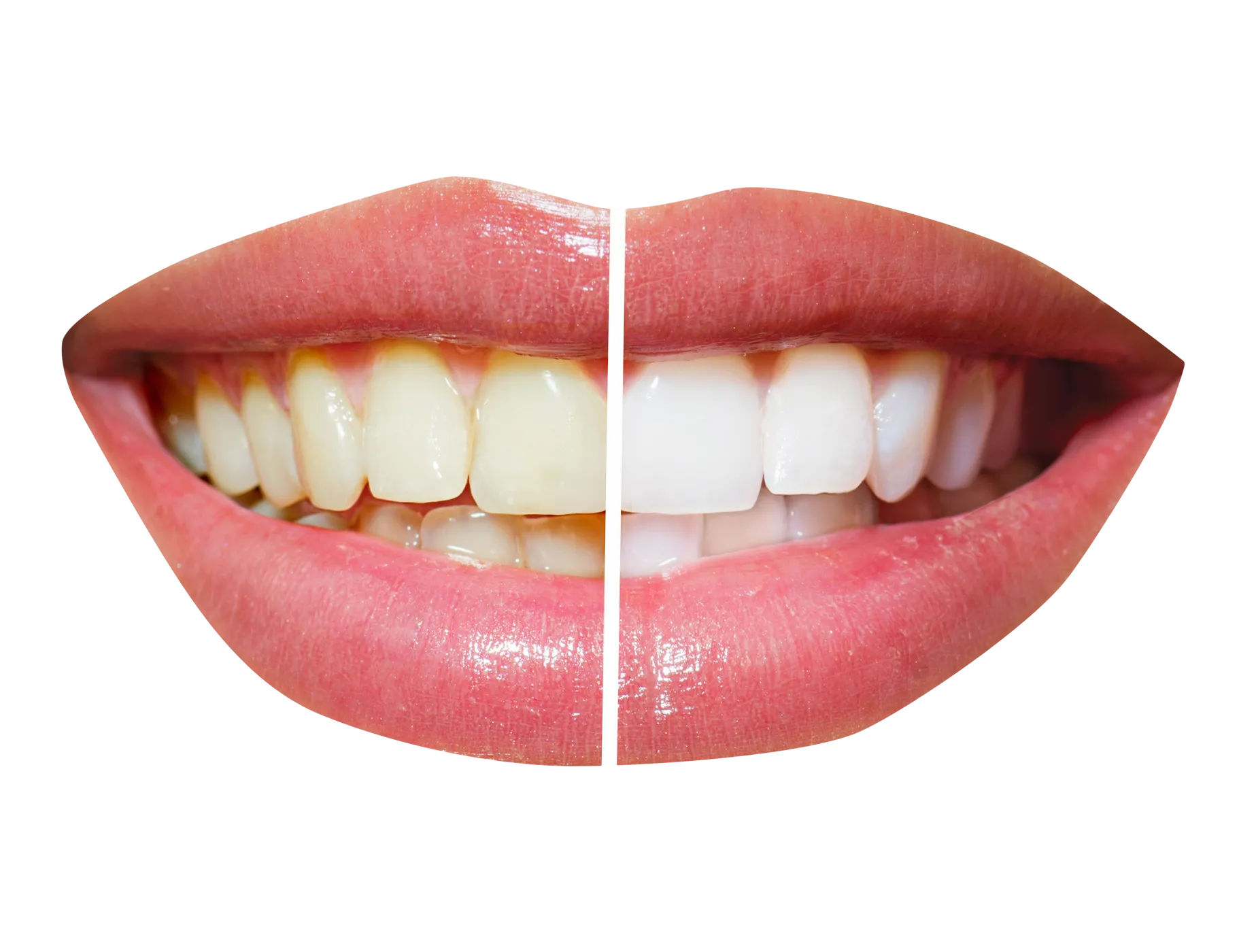
What is Transparent Teeth Whitening
Transparent teeth whitening is a cosmetic dental procedure designed to lighten the color of your teeth and remove stains and discoloration. This process can significantly improve the appearance of your smile, boosting your confidence and overall oral health. Unlike some other whitening methods, transparent teeth whitening focuses on achieving a natural and clear result, making your teeth look brighter without an artificial or overly bleached appearance. It is a popular choice for those seeking a non-invasive way to enhance their smile, addressing issues caused by aging, diet, smoking, or other factors. The treatments available range from at-home kits to professional procedures performed by dentists, catering to various needs and preferences. This ensures that individuals can select the most appropriate method to achieve their desired level of brightness and maintain optimal oral hygiene.
How Transparent Teeth Whitening Works
The effectiveness of transparent teeth whitening lies in its ability to penetrate the enamel and dentin of your teeth. Whitening agents, typically containing hydrogen peroxide or carbamide peroxide, break down the stain molecules that cause discoloration. The concentration of these agents and the duration of the treatment determine the degree of whitening achieved. The process is designed to be gradual, allowing for a natural-looking transformation. Various methods exist, each using different delivery systems to apply the whitening agent to the teeth. These include custom-fitted trays for at-home use, which ensure even distribution and contact with the teeth, and professional applications that can be more potent and yield faster results. Both methods work on the same principle but vary in intensity and the level of supervision by a dental professional.
The Science Behind Transparent Teeth Whitening
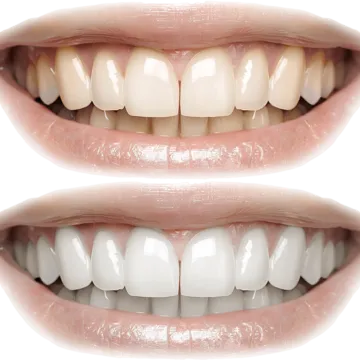
The active ingredients in teeth whitening products, primarily hydrogen peroxide and carbamide peroxide, work through a process called oxidation. These chemicals break down into molecules that penetrate the enamel, reaching the discolored areas within the tooth. Once inside, these molecules react with the stain compounds, breaking them apart and dissolving them. This action effectively removes the stains and lightens the overall color of the teeth. The effectiveness of the process is influenced by several factors, including the concentration of the whitening agent, the duration of application, and the individual’s tooth structure. Dentin, the layer beneath the enamel, also plays a crucial role, as the whitening agents must reach this layer to achieve the desired results. Understanding the science behind the procedure allows for a more informed approach to selecting and using teeth whitening products.
The Different Types of Whitening Treatments
There are several options for transparent teeth whitening, each offering different levels of convenience, cost, and effectiveness. The choice of treatment depends on individual needs, preferences, and the severity of the staining. Treatments range from simple at-home kits to more advanced in-office procedures. Some options offer immediate results, while others require several weeks of consistent use. Consulting with a dentist is essential to determine which type of whitening treatment is most suitable for you, taking into account the condition of your teeth and your oral health history. The key is to find a method that delivers the desired aesthetic outcome while being safe and comfortable for the individual. The availability of various treatments ensures that everyone can find an appropriate solution for their teeth whitening needs.
At-Home Whitening Kits
At-home whitening kits are a popular option for their convenience and affordability. These kits typically include whitening gel, custom-fit or pre-made trays, and instructions for use. The gel contains a lower concentration of the whitening agent than professional treatments, making them safer for unsupervised use. While at-home kits are effective for mild to moderate staining, they may not provide the same dramatic results as professional treatments. It’s essential to follow the instructions carefully to avoid irritation or uneven whitening. Consistent use, as directed, is crucial to achieving the best results. These kits are available over the counter or can be prescribed by a dentist. Consulting with a dentist before using an at-home kit ensures they are safe for your specific oral health situation.
Professional Whitening Options

Professional teeth whitening, performed by a dentist, offers the most effective and immediate results. Dentists use higher concentrations of whitening agents and can also employ techniques like laser whitening to accelerate the process. The dentist will first examine your teeth to ensure you are a good candidate for the treatment. The process typically involves applying the whitening gel to the teeth, often followed by the use of a special light or laser to activate the gel. Professional whitening can significantly lighten your teeth in just one or two sessions. Although it is a more expensive option than at-home kits, professional whitening is generally considered safer due to the supervision of a dental professional, who can also address any potential sensitivity issues. Furthermore, professional whitening offers long-lasting and more dramatic results, providing a complete solution for severe discoloration and staining.
Benefits of Choosing Transparent Teeth Whitening
Transparent teeth whitening offers numerous benefits beyond simply improving the appearance of your smile. It can significantly boost your self-esteem and confidence, allowing you to feel more comfortable and outgoing in social situations. A brighter smile can make you look younger and healthier, positively impacting your personal and professional life. The overall improvement in your smile can also lead to better oral hygiene practices, as you become more invested in maintaining your newly whitened teeth. Choosing this method provides a clear and natural result, avoiding the overly bright or artificial appearance that some other whitening methods may produce. This ensures a refreshed look while preserving the original characteristics of your teeth. The ability to remove stains and discoloration gives the teeth a fresh, bright look, which helps in overall oral health.
Achieving a Brighter Smile
Achieving a brighter smile through transparent teeth whitening involves carefully selecting the treatment that best suits your needs and following the prescribed instructions diligently. Whether you opt for an at-home kit or professional treatment, consistency is crucial to achieving optimal results. Regular maintenance, including good oral hygiene practices, such as brushing and flossing, and avoiding staining foods and drinks, is also important for maintaining your brightened smile. It’s also important to manage expectations; results vary depending on the individual’s tooth color and type of staining. However, transparent teeth whitening is a safe and effective way to significantly enhance the look of your teeth and boost your overall confidence. Consistent care and maintenance are key to long-lasting effects, ensuring that the whiteness lasts for an extended period.
Boosting Your Confidence

The impact of transparent teeth whitening extends beyond just improving the appearance of your teeth; it can significantly boost your self-confidence. Having a brighter, more attractive smile can influence how you perceive yourself and how others perceive you. It can lead to increased self-esteem, making you feel more comfortable in social interactions and improving your overall outlook. A confident smile makes you feel more comfortable, and it gives you the courage to be more open and expressive. It helps create a more positive self-image. People with brighter teeth often report feeling more successful and more inclined to take on new opportunities. This transformative effect makes transparent teeth whitening a worthwhile investment in your overall well-being.
Cost Considerations and Budgeting
The cost of transparent teeth whitening varies depending on the type of treatment chosen. At-home kits are generally more affordable, while professional treatments are more expensive. When considering costs, it’s important to factor in the long-term value of the investment. A brighter smile can enhance your self-esteem and make you feel more confident. Understanding the differences in costs will help you make the best decision, fitting your budget and aesthetic needs. Consider that the initial cost of a professional procedure might be higher, but the results are more dramatic and long-lasting. Moreover, some dental insurance plans may cover a portion of the cost of teeth whitening if it is deemed medically necessary. Proper research into the various payment options will help ensure that the teeth whitening treatment fits your financial situation.
The Average Cost of Treatments
The average cost of transparent teeth whitening varies widely. At-home kits, available over the counter, can cost anywhere from $20 to $100. These kits are a budget-friendly option. Professional whitening treatments, performed by a dentist, typically range from $300 to $1,000 or more, depending on the method used. The cost may also depend on factors such as the dentist’s location and the severity of the tooth discoloration. Laser whitening, for example, is often at the higher end of this price range. Always get a detailed quote from your dentist before starting the procedure. Doing so will help you understand the exact costs involved and allow you to plan your budget accordingly.
Finding Affordable Options

There are several ways to find affordable transparent teeth whitening options. At-home kits are an excellent choice for budget-conscious individuals, offering a cost-effective solution for minor staining. Another option is to look for dental practices that offer promotions or payment plans. You can also explore dental schools and teaching hospitals, which often provide whitening treatments at a reduced cost under the supervision of experienced professionals. Make sure you consult with your dentist. Discussing your financial constraints with your dentist can help find a customized solution. Remember to weigh the cost against the quality of the treatment to ensure you receive satisfactory results while managing your budget.
Maintaining Your Results
Maintaining the results of transparent teeth whitening requires a proactive approach. Proper oral hygiene practices are key. Regular brushing and flossing are crucial to remove plaque and prevent stains. Using a whitening toothpaste can help maintain the brightness of your teeth. Additionally, avoiding or limiting consumption of staining foods and drinks, such as coffee, tea, red wine, and berries, will prevent the recurrence of discoloration. Regular dental check-ups and professional cleanings are essential for removing surface stains and ensuring the long-term health of your teeth. Consider follow-up treatments to maintain your desired level of whiteness. The long-term success of teeth whitening depends on adopting and sticking to good oral hygiene habits.
Tips for Long-Lasting Whiteness
To ensure long-lasting whiteness, it’s important to implement several key strategies. The first step is maintaining excellent oral hygiene. This includes brushing your teeth at least twice a day for two minutes each time, using fluoride toothpaste, and flossing daily to remove plaque and food particles that contribute to staining. Limiting the consumption of staining foods and drinks is another important step. If you do consume these items, rinse your mouth with water immediately afterward. Consider using a straw when drinking beverages that can stain your teeth, such as coffee or tea. Regular dental check-ups and professional cleanings are also essential for removing surface stains and ensuring your teeth stay bright.
Foods and Drinks to Avoid

Certain foods and drinks can readily stain your teeth, counteracting the effects of teeth whitening. Coffee and tea, especially dark varieties, are notorious for staining. Red wine is another significant offender. Dark-colored sodas and fruit juices also contain pigments that can cause discoloration. Berries, such as blueberries, blackberries, and cherries, are also known to stain teeth. Soy sauce, balsamic vinegar, and other darkly colored sauces can also contribute to staining. If you can’t avoid these items, consider rinsing your mouth with water immediately after consumption to minimize the impact. Brushing your teeth soon after eating or drinking these items can also help. These dietary adjustments are crucial to maintaining the results of transparent teeth whitening.
Potential Risks and Side Effects
While transparent teeth whitening is generally safe, it is essential to be aware of the potential risks and side effects. The most common side effect is tooth sensitivity, which can occur because the whitening agents open up the pores in the enamel, allowing the whitening agents to penetrate and irritate the nerves. Gum irritation is another common issue. Overuse or misuse of whitening products can lead to inflammation of the gums. In rare cases, some individuals may experience an allergic reaction to the whitening agents. It is essential to consult with a dentist before starting any teeth whitening treatment to understand these risks and choose the most suitable and safe method. Following the dentist’s instructions carefully can reduce the potential side effects.
Common Side Effects
The most common side effects of transparent teeth whitening include temporary tooth sensitivity and gum irritation. Tooth sensitivity occurs because the whitening agents can penetrate the enamel and reach the nerves in the teeth. This can be triggered by cold or hot foods and drinks. Gum irritation can manifest as redness, swelling, and soreness, especially if the whitening agent comes into contact with the gums. In most cases, these side effects are mild and temporary, resolving within a few days after the treatment. However, if the sensitivity or irritation persists or becomes severe, it is essential to consult your dentist. The dentist can suggest desensitizing toothpaste or adjustments to the treatment plan to minimize discomfort.
When to Consult a Dentist

It is important to consult a dentist before starting any transparent teeth whitening treatment. A dentist can assess your oral health, determine the cause of your tooth discoloration, and recommend the most appropriate whitening method. Consulting a dentist is also crucial if you experience any side effects, such as severe tooth sensitivity or gum irritation. They can provide guidance and adjust the treatment plan to minimize discomfort. If you have existing dental work, such as fillings, crowns, or veneers, a dentist can advise you on how whitening will affect these restorations. Regular dental check-ups are also essential to ensure your teeth and gums remain healthy, making it possible to get the best and safest results from the whitening treatments.