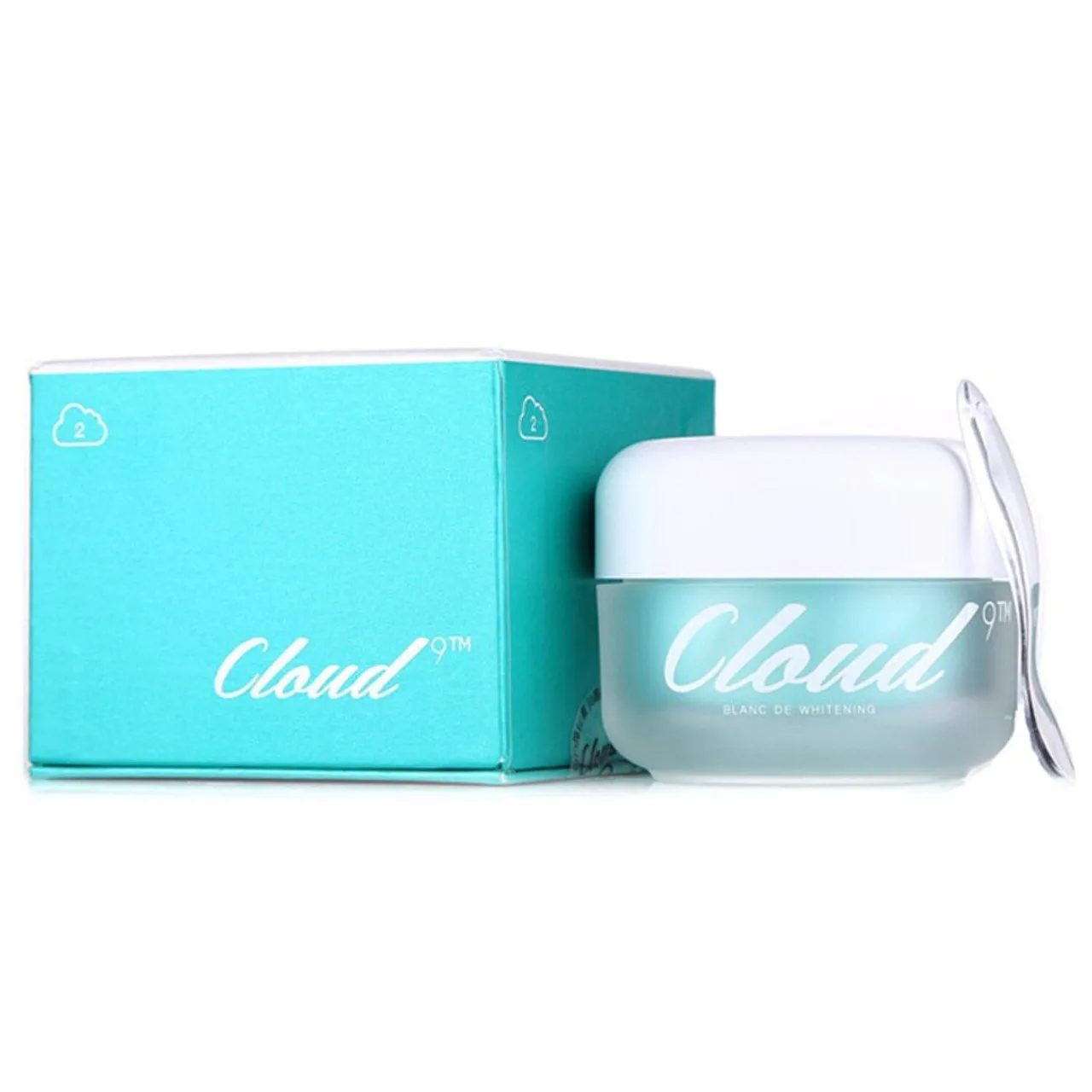
The Power of Topical Whitening Creams
Topical whitening creams have become increasingly popular as a solution for various skin concerns, from uneven skin tone to dark spots and hyperpigmentation. These creams offer a non-invasive way to achieve a brighter, more radiant complexion, often with visible results. But with so many products on the market, understanding their benefits and how they work can be a challenge. This article delves into the top 5 benefits of using topical whitening creams, providing you with the knowledge you need to make informed decisions about your skincare routine. We’ll explore how these creams can transform your skin and boost your confidence.
Benefit 1 Enhanced Skin Brightness
One of the most sought-after benefits of topical whitening creams is enhanced skin brightness. These creams work to lighten the skin by reducing the production of melanin, the pigment responsible for skin color. This leads to a more luminous and youthful appearance. The active ingredients in these creams, such as hydroquinone, kojic acid, and vitamin C, target the melanocytes, the cells that produce melanin. By inhibiting melanin production, the creams help to fade existing dark spots and prevent new ones from forming, resulting in a brighter and more even complexion. Regular use can noticeably improve skin radiance.
Understanding Hyperpigmentation

Hyperpigmentation is a common skin condition characterized by dark patches or spots on the skin. It occurs when melanin is overproduced, leading to an uneven skin tone. This can be triggered by various factors, including sun exposure, hormonal changes, inflammation, and skin injuries. Understanding the root causes of hyperpigmentation is crucial for selecting the right topical whitening cream. Many creams are designed to address specific types of hyperpigmentation, such as post-inflammatory hyperpigmentation (PIH) or melasma, offering targeted solutions for optimal results. Proper diagnosis and choosing the correct cream will improve the effectiveness of treatment.
How Whitening Creams Work
Topical whitening creams work through various mechanisms to reduce melanin production and promote skin lightening. Some ingredients, like hydroquinone, act as tyrosinase inhibitors, which means they block the enzyme tyrosinase that is essential for melanin synthesis. Other ingredients, such as vitamin C, have antioxidant properties that help to protect the skin from damage and promote cell turnover. Exfoliating ingredients, like alpha-hydroxy acids (AHAs), can also be included to remove dead skin cells, revealing brighter skin underneath. The combination of these actions leads to a gradual but noticeable improvement in skin brightness and a more even skin tone. It is essential to follow the cream instructions carefully to prevent any adverse effects.
Benefit 2 Reduced Appearance of Dark Spots
Dark spots, also known as age spots or sunspots, are a common sign of aging and sun damage. Topical whitening creams are highly effective in reducing their appearance. By inhibiting melanin production and promoting cell turnover, these creams help to fade existing dark spots and prevent new ones from forming. Ingredients like hydroquinone and kojic acid directly target the melanin-producing cells, while antioxidants like vitamin C protect the skin from further damage. Regular application of a whitening cream can significantly diminish the visibility of dark spots, leading to a more even skin tone and a more youthful appearance. Consistent use of sunscreen is essential to protect the skin and maximize the cream’s benefits.
Causes of Dark Spots

Dark spots are primarily caused by an overproduction of melanin due to various factors. Sun exposure is the most significant contributor, as UV rays stimulate melanin production to protect the skin. Hormonal changes, such as those during pregnancy (melasma), can also trigger dark spots. Skin inflammation, like that caused by acne or injuries, can lead to post-inflammatory hyperpigmentation (PIH). Genetics also play a role, as some individuals are more prone to developing dark spots than others. Understanding the causes can help you take preventive measures, such as using sunscreen, to minimize the risk of developing dark spots and selecting the right cream for your specific skin needs.
Ingredients to Look For
When choosing a topical whitening cream, it is crucial to look for specific ingredients that are proven to be effective. Hydroquinone is a potent skin-lightening agent, but it should be used under the guidance of a dermatologist. Kojic acid, derived from fungi, inhibits melanin production. Vitamin C is a powerful antioxidant that brightens skin and protects against damage. Niacinamide helps to reduce inflammation and even skin tone. Other ingredients like arbutin and licorice extract can also be beneficial. Always read the ingredient list carefully and consider your skin type and sensitivities before making a purchase. Consulting with a dermatologist can provide guidance on the best ingredients for your skin.
Benefit 3 Even Skin Tone
One of the primary goals of using topical whitening creams is to achieve a more even skin tone. These creams work by addressing the uneven distribution of melanin, which causes skin discoloration and patches. By inhibiting melanin production and promoting cell turnover, whitening creams help to create a more uniform complexion. Regular use can reduce the appearance of dark spots, acne scars, and other blemishes, resulting in a smoother, more balanced skin tone. A consistent skincare routine that includes a topical whitening cream, sunscreen, and other products can further enhance these results, promoting a healthy and radiant glow.
Achieving a Uniform Complexion

Achieving a uniform complexion involves more than just lightening the skin; it requires addressing the underlying causes of uneven skin tone. Topical whitening creams work best when combined with other skincare practices. Regular exfoliation helps to remove dead skin cells and promote cell turnover, revealing brighter skin underneath. Sunscreen is essential to prevent further sun damage and the formation of new dark spots. A balanced diet, proper hydration, and a healthy lifestyle can also contribute to a more even skin tone. Consistent effort and a well-rounded skincare routine are crucial for long-term results.
Ingredients and Their Role
The ingredients in a topical whitening cream play a crucial role in achieving an even skin tone. Hydroquinone, a powerful skin-lightening agent, is often used to reduce dark spots and hyperpigmentation. Kojic acid, derived from fungi, inhibits melanin production, while vitamin C is an antioxidant that brightens skin and protects against damage. Niacinamide, a form of vitamin B3, helps to reduce inflammation and improve skin tone. Arbutin and licorice extract also have skin-lightening properties. When choosing a cream, consider the ingredients and their specific roles in addressing uneven skin tone and overall skin health.
Benefit 4 Improved Skin Texture
In addition to lightening the skin and evening out the tone, topical whitening creams can also improve skin texture. Many creams contain ingredients that promote cell turnover, such as AHAs (alpha-hydroxy acids), which help to exfoliate the skin and reveal a smoother surface. This can reduce the appearance of fine lines, wrinkles, and acne scars, leading to a more youthful and radiant complexion. Improved skin texture also enhances the absorption of other skincare products, making them more effective. Regular use of a whitening cream can lead to a noticeable improvement in the overall feel and appearance of your skin, contributing to a more confident and healthy look.
The Science Behind Skin Texture

Skin texture refers to the overall smoothness and appearance of the skin’s surface. Factors such as age, sun damage, and skin conditions can impact skin texture, leading to unevenness, fine lines, and wrinkles. The skin’s natural cell turnover process slows down with age, causing dead skin cells to accumulate on the surface, which can make the skin appear dull and rough. Topical whitening creams that contain exfoliating ingredients, like AHAs, help to speed up this process, removing dead skin cells and promoting the growth of new, healthy skin cells. This results in a smoother, more refined skin texture and a more youthful appearance.
How Whitening Creams Help
Topical whitening creams improve skin texture through several mechanisms. Exfoliating ingredients, such as AHAs and BHAs (beta-hydroxy acids), gently remove dead skin cells, unclog pores, and stimulate collagen production. Retinoids, another common ingredient, also promote cell turnover and reduce the appearance of fine lines and wrinkles. Antioxidants, like vitamin C, protect the skin from environmental damage and promote collagen synthesis, further improving skin texture. By combining these actions, topical whitening creams can help you achieve smoother, more radiant skin. Consistent use, along with other skincare practices, can lead to long-term improvements in skin texture and overall skin health.
Benefit 5 Boosted Confidence and Self-Esteem
The improvements in skin appearance offered by topical whitening creams can have a significant impact on a person’s confidence and self-esteem. Skin issues, such as dark spots, uneven skin tone, and blemishes, can often lead to feelings of self-consciousness and a lack of self-assurance. When these issues are addressed and the skin becomes brighter, more even, and smoother, many people experience a boost in their self-esteem. Feeling good about your appearance can positively influence your social interactions, work performance, and overall well-being. The journey to achieving healthier skin with the help of a topical whitening cream can be empowering and rewarding.
The Psychological Impact of Skin Health

Skin health is closely linked to mental well-being. Skin conditions can have a profound psychological impact, leading to anxiety, depression, and social withdrawal. When the skin is clear, even-toned, and healthy, it can significantly improve a person’s self-perception and confidence. Taking care of your skin and seeing positive results from a topical whitening cream can boost self-esteem and promote a more positive self-image. This, in turn, can lead to improved social interactions, a greater sense of well-being, and an overall enhanced quality of life. Prioritizing skincare is an investment in both physical and mental health.
Real-Life Success Stories
Many individuals have experienced remarkable transformations in their skin appearance and confidence through the use of topical whitening creams. These success stories often involve individuals who have struggled with hyperpigmentation, dark spots, or uneven skin tone. By consistently using a topical whitening cream, along with other skincare practices like sunscreen and exfoliation, they have achieved noticeable improvements in their skin. These results include reduced dark spots, a more even skin tone, and a brighter complexion. These success stories not only demonstrate the effectiveness of topical whitening creams but also serve as inspiration for others seeking to improve their skin health and boost their self-confidence. The key lies in consistency and choosing the right product for your skin type.
In conclusion, topical whitening creams offer numerous benefits, from enhanced skin brightness and reduced dark spots to improved skin texture and boosted confidence. By understanding the causes of skin discoloration and the ingredients to look for, you can select a cream that meets your specific needs. While results may vary, the consistent use of a topical whitening cream, combined with a comprehensive skincare routine, can lead to significant improvements in your skin’s appearance and your overall well-being. Always consult with a dermatologist before starting any new skincare regimen.