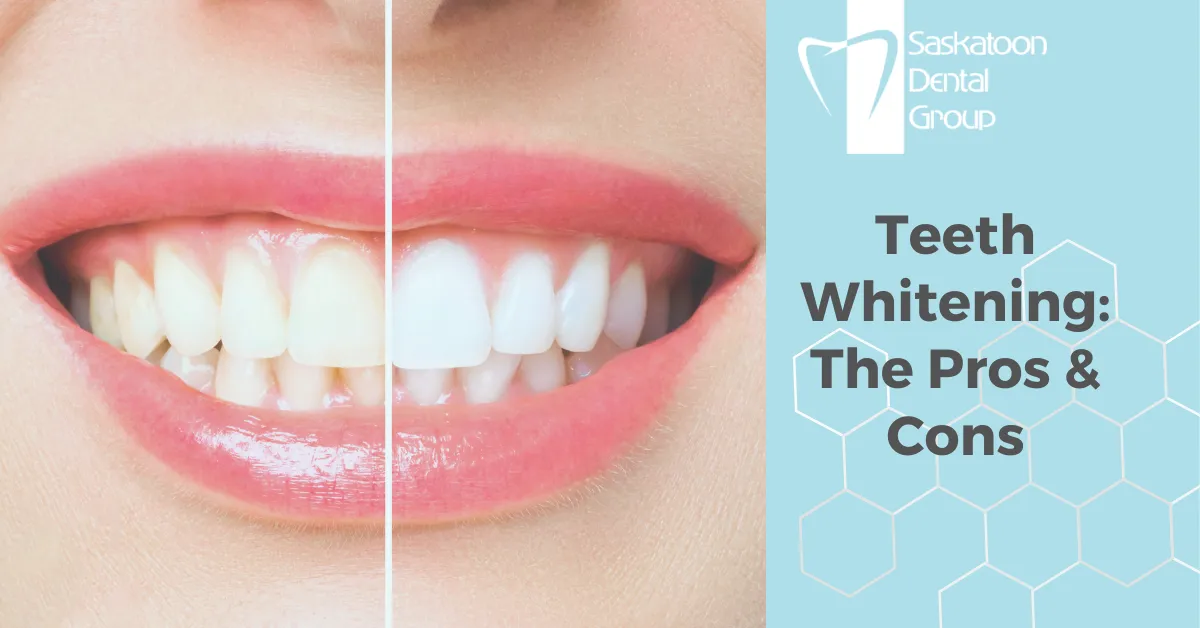
The Tooth Whitening Debate Is It Safe?
The quest for a brighter, whiter smile has led many people to explore tooth whitening options. From professional treatments to over-the-counter products, the market is saturated with solutions promising dazzling results. However, beneath the allure of a perfect smile lies a crucial question is tooth whitening bad for your teeth? While the process can be highly effective, it’s essential to understand the potential risks and benefits before embarking on this cosmetic journey. This article delves into the details of tooth whitening, exploring various methods, potential dangers, and ways to minimize any negative impacts, ensuring you can make an informed decision about your oral health.
Understanding Tooth Whitening Methods
Tooth whitening treatments vary significantly, each utilizing different methods and strengths to achieve a lighter shade of enamel. These methods can generally be categorized into three main types in-office whitening, at-home whitening kits, and whitening toothpastes. The choice of method depends on factors such as the desired degree of whitening, the sensitivity of your teeth, and your budget. It is also important to consider the potential side effects associated with each method. Understanding these different options is the first step toward making a well-informed decision about whether or not tooth whitening is right for you. This section provides a concise overview of the most common methods, helping you understand their mechanisms and evaluate their suitability.
In-Office Whitening

In-office whitening, performed by a dentist, is the most intensive form of tooth whitening. It involves the application of a high-concentration bleaching agent, often containing hydrogen peroxide, to the teeth. The dentist may use special lights or lasers to accelerate the whitening process. The procedure typically takes about an hour and can produce dramatic results in a single session. Because of the higher concentration of the bleaching agent, in-office whitening can be more effective and yield quicker results compared to at-home methods. However, the intensity of the treatment also means a higher potential for side effects, such as tooth sensitivity and gum irritation, making professional oversight essential.
At-Home Whitening Kits
At-home whitening kits offer a more convenient and often more affordable alternative to in-office treatments. These kits typically include custom-fitted trays and a lower-concentration bleaching gel, allowing you to whiten your teeth in the comfort of your home. The trays are designed to fit your teeth precisely, ensuring the bleaching agent comes into contact with the tooth surfaces effectively. While at-home kits are generally less potent than in-office treatments, they still require careful application and adherence to instructions to avoid potential risks. The duration of treatment and the degree of whitening achieved can vary, depending on the product and your individual tooth characteristics.
Whitening Toothpastes
Whitening toothpastes offer a more subtle approach to tooth whitening. They typically contain mild abrasives or chemical agents that help remove surface stains, making teeth appear brighter. Unlike professional treatments and at-home kits, whitening toothpastes do not change the intrinsic color of the teeth. They work primarily by removing stains caused by foods, drinks, and smoking. While they may provide a noticeable improvement in the appearance of your teeth, the whitening effects are usually less dramatic. It is important to select a whitening toothpaste that is gentle on enamel to avoid excessive abrasion, which can lead to sensitivity and long-term damage to the teeth.
The 7 Surprising Facts About Tooth Whitening Dangers

While tooth whitening can significantly improve the appearance of your smile, it’s crucial to be aware of the potential dangers. These risks, while not always severe, can affect oral health and comfort. From increased sensitivity to potential long-term damage, understanding these factors is key to making an informed decision. Here are seven surprising facts about the potential downsides of tooth whitening, helping you weigh the pros and cons before undergoing treatment. Being aware of these facts can help you make a decision that prioritizes the health and well-being of your teeth.
Fact 1 Tooth Sensitivity
Tooth sensitivity is one of the most common side effects of tooth whitening. The bleaching agents used in whitening treatments can penetrate the enamel and reach the dentin, the layer beneath the enamel that contains nerve endings. This can lead to heightened sensitivity to hot and cold foods and drinks, causing discomfort or pain. The intensity of sensitivity varies depending on the concentration of the bleaching agent, the duration of treatment, and individual tooth characteristics. While sensitivity is often temporary, lasting a few days to a few weeks after treatment, it can be a significant inconvenience. Using toothpaste designed for sensitive teeth can help alleviate this discomfort.
Fact 2 Gum Irritation
Gum irritation is another common side effect, especially if the bleaching agent comes into contact with the gums. This can happen during in-office whitening if the protective barriers aren’t perfectly applied or with at-home kits if the trays don’t fit properly. The high concentration of chemicals can cause the gums to become inflamed, red, and sore. In severe cases, the gums may even develop blisters or sores. Proper application techniques and the use of custom-fitted trays are essential to minimize gum irritation. If irritation occurs, it’s important to rinse the mouth thoroughly and, if necessary, consult with a dentist.
Fact 3 Enamel Erosion

Overuse or misuse of tooth whitening products can lead to enamel erosion. While enamel is the hardest substance in the human body, it can be gradually worn away by harsh chemicals or abrasive ingredients in whitening products. When the enamel erodes, the underlying dentin becomes exposed, making the teeth more susceptible to sensitivity, decay, and discoloration. This is particularly a concern with frequent or prolonged use of over-the-counter whitening products, especially those with high concentrations of bleaching agents. Regular dental check-ups and following the instructions carefully can help to protect the enamel.
Fact 4 Allergic Reactions
Although less common, allergic reactions to tooth whitening products are possible. These reactions can manifest as skin rashes, swelling, itching, or other signs of hypersensitivity. The specific ingredients in the bleaching agents or the tray materials can trigger allergic responses. If you experience any symptoms of an allergic reaction after using a whitening product, it’s essential to discontinue use immediately and consult with your dentist or a healthcare professional. The specific ingredients causing the allergic reaction can then be identified and avoided in future treatments.
Fact 5 Uneven Whitening
Uneven whitening can occur due to several factors, including variations in enamel thickness, the presence of dental work like fillings or crowns, and the type of stains present. Teeth with thinner enamel or those with existing dental work may not respond to whitening treatments in the same way as the surrounding teeth. This can result in an uneven appearance, with some teeth appearing significantly whiter than others. Additionally, certain types of stains, such as those caused by tetracycline antibiotics, are more difficult to remove and can lead to inconsistent results. In such cases, alternative cosmetic dental treatments may be more appropriate.
Fact 6 Tooth Discoloration

Paradoxically, tooth whitening can sometimes lead to tooth discoloration over time. This is often due to the increased porosity of the enamel after treatment. The bleaching process can temporarily make the enamel more porous, making it easier for stains to penetrate. Without proper care, such as avoiding staining foods and drinks and maintaining good oral hygiene, the teeth may become discolored again. Additionally, some whitening treatments, especially those that are not professionally supervised, may not address the underlying causes of the discoloration, leading to a recurrence of stains.
Fact 7 Potential Health Risks
While the direct health risks of tooth whitening are generally considered low, some potential concerns exist. There is some debate over whether the chemicals used in whitening treatments could pose long-term health risks, especially if ingested or used frequently. Additionally, for individuals with existing dental problems like untreated cavities or gum disease, whitening treatments can exacerbate these issues. It is crucial to have a thorough dental examination before starting any whitening treatment. Discussing any health concerns with your dentist can help minimize any potential risks and ensure a safe and effective whitening experience.
Minimizing Risks and Maximizing Benefits
To minimize the risks associated with tooth whitening and maximize the benefits, it’s essential to take a proactive approach. This involves consulting with a dentist, selecting the right whitening method for your specific needs, and carefully following all instructions. By taking these steps, you can achieve a brighter smile while protecting your oral health. It’s about balancing the desire for cosmetic enhancement with the responsibility of maintaining healthy teeth and gums. This approach can help make the tooth whitening experience successful and safe.
Consulting a Dentist

Before undergoing any tooth whitening treatment, consulting with a dentist is crucial. A dentist can assess the overall health of your teeth and gums, identify any existing issues, and recommend the most appropriate whitening method for your specific needs. They can also evaluate the underlying causes of tooth discoloration and provide personalized advice based on your oral health history. Professional guidance ensures that you understand the potential risks and benefits, helping you to make an informed decision. The dentist can also provide professional whitening treatments or supervise at-home treatments, minimizing the chances of complications and maximizing the effectiveness of the whitening process.
Choosing the Right Whitening Method
Selecting the right tooth whitening method is essential to achieve the desired results while minimizing potential risks. Factors to consider include the current condition of your teeth, the degree of whitening you desire, and your budget. In-office whitening provides the most dramatic and rapid results but also carries a higher risk of sensitivity and gum irritation. At-home whitening kits offer a balance of convenience and effectiveness, while whitening toothpastes provide a more subtle approach. Consulting your dentist is essential to identify which method best suits your needs and oral health. Always consider the potential side effects and be prepared to adjust your approach if any issues arise.
Following Instructions Carefully
Following instructions carefully is vital for minimizing risks and ensuring the effectiveness of tooth whitening treatments. Whether you’re using an at-home kit or receiving in-office treatment, adherence to the recommended guidelines is critical. This includes following the prescribed treatment duration, applying the product as directed, and avoiding any potential irritants. Overuse of whitening products can lead to increased sensitivity, enamel erosion, and other adverse effects. If you experience any unusual symptoms, such as increased sensitivity or gum irritation, it’s important to discontinue use and consult your dentist immediately. Following the instructions will help you achieve a brighter smile safely and effectively.
Alternatives to Tooth Whitening

If you’re concerned about the potential risks of tooth whitening, several alternative options can improve the appearance of your smile. These include dental veneers, which are thin shells of porcelain or composite resin bonded to the front of the teeth, and dental bonding, which involves applying a tooth-colored resin to the teeth to correct imperfections. Another option is teeth cleaning by your dentist to remove surface stains. These alternatives may be better suited if you have particularly sensitive teeth or are concerned about the long-term effects of whitening treatments. Consulting with your dentist can help you decide which of these alternatives is best for your individual needs and goals.