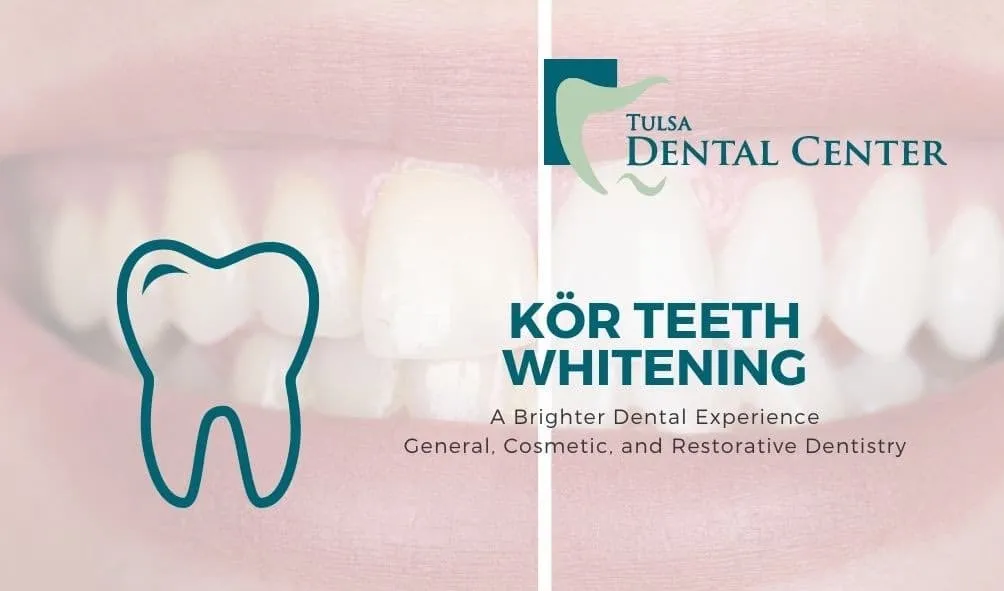
What is Teeth Whitening
Teeth whitening is a cosmetic dental procedure designed to lighten the shade of your teeth. It’s a popular choice for those looking to enhance their smile and boost their confidence. The process involves using bleaching agents to remove stains and discoloration from the enamel, the outer layer of the teeth. Over time, teeth can become stained due to various factors such as aging, consuming staining foods and drinks (coffee, tea, red wine), and smoking. Teeth whitening offers a solution to reverse these effects, resulting in a brighter, more youthful-looking smile. The effectiveness of teeth whitening can vary depending on the individual and the type of treatment used, but it’s generally a safe and effective way to improve the appearance of your teeth. It is important to consult with a dentist to determine the best teeth whitening options for your specific needs and dental health condition.
Types of Teeth Whitening Procedures
There are several types of teeth whitening procedures available, each offering different levels of convenience, cost, and effectiveness. These procedures range from professional treatments performed by dentists to over-the-counter products available for home use. The best method for you will depend on your individual needs, the severity of your tooth discoloration, and your budget. Understanding the different options can help you make an informed decision and choose the most suitable whitening procedure for your smile. Consulting with a dental professional is crucial to receive a personalized recommendation and ensure safe and effective results. Considering the various types available is essential for achieving the desired outcome.
In-Office Teeth Whitening

In-office teeth whitening is a professional procedure performed by a dentist in a dental clinic. This method typically involves the use of a high-concentration bleaching agent, often containing hydrogen peroxide, which is applied to the teeth. The dentist will protect your gums and other soft tissues before applying the whitening solution. A special light or laser may be used to activate the bleaching agent and accelerate the whitening process. In-office whitening provides immediate results, often lightening teeth several shades in a single visit. This procedure is ideal for those seeking rapid and significant improvement in their smile’s brightness. The professional setting ensures safety and effectiveness, with the dentist closely monitoring the process to minimize any potential sensitivity or side effects. Generally, this approach yields more noticeable results than take-home kits, providing an efficient solution for patients looking for a quick smile transformation.
Take-Home Teeth Whitening Kits
Take-home teeth whitening kits offer a more convenient and cost-effective alternative to in-office procedures. These kits typically include custom-fitted trays, created by a dentist based on impressions of your teeth, and a bleaching gel. The gel is applied to the trays, which are then worn for a specified amount of time each day or night, as directed by the dentist. The concentration of the bleaching agent is usually lower than that used in-office treatments, making them gentler on the teeth and gums. Take-home kits provide a gradual whitening effect over several days or weeks. This approach allows for flexibility, as you can whiten your teeth in the comfort of your own home, fitting the treatment into your daily routine. While the results may take longer to achieve compared to in-office treatments, they offer a practical and affordable way to brighten your smile. It’s crucial to follow your dentist’s instructions closely to ensure safe and effective results and minimize any potential sensitivity.
Over-the-Counter Teeth Whitening Products
Over-the-counter teeth whitening products are readily available at drugstores and supermarkets, offering a range of options for at-home teeth whitening. These products include whitening toothpaste, strips, and gels, providing an accessible entry point for those looking to brighten their smile. Whitening toothpastes often contain mild abrasives and chemicals that help remove surface stains. Whitening strips are thin, flexible strips coated with a peroxide-based whitening agent that adheres directly to the teeth. Whitening gels are applied using trays, similar to take-home kits, but often with a lower concentration of the bleaching agent. Over-the-counter products are generally less potent than professional treatments, leading to less dramatic results but also a lower risk of sensitivity. When using these products, it is essential to follow the product’s instructions carefully to achieve the best results and avoid potential side effects. While over-the-counter options can provide a noticeable improvement in tooth whiteness, it is always advisable to consult a dentist to ensure the products are safe and suitable for your teeth and gums.
Cost of Teeth Whitening in Tulsa, OK

The cost of teeth whitening in Tulsa, OK, can vary significantly depending on the type of treatment chosen, the dentist’s fees, and the specific needs of the patient. In-office whitening procedures, which offer the fastest results, typically have a higher cost. Take-home whitening kits, customized by a dentist, are generally more affordable. Over-the-counter products represent the most cost-effective option. However, the level of effectiveness and the speed of results also vary with the cost. The price can also be affected by any additional services required, such as a dental cleaning before the procedure or the need for custom-fitted trays. It’s always a good idea to discuss the cost and payment options with your dentist during your consultation. Understanding the price breakdown can help you make an informed decision and choose a teeth whitening solution that fits your budget and your whitening goals. Comparing prices between different dental clinics can help you find the best value for the treatment you desire.
Factors Affecting Teeth Whitening Cost
Several factors influence the cost of teeth whitening, impacting how much you will pay for the procedure. The type of whitening treatment is a primary factor, with in-office treatments typically being more expensive due to the advanced technology and expertise required. The dentist’s experience and location can also affect the price. Dentists with more experience or those in high-cost areas may charge more for their services. The overall condition of your teeth and the presence of any existing dental work, such as fillings or crowns, can also impact the cost. These may need to be addressed or replaced to match the new shade of your whitened teeth, potentially increasing the overall expenses. Lastly, the use of any additional services, like a pre-whitening cleaning, will add to the total cost. Being aware of these factors allows you to plan your budget effectively and make informed decisions.
What to Expect During Teeth Whitening
During in-office teeth whitening, the dentist will begin by protecting your gums and lips with a protective barrier. The whitening agent, typically a high-concentration hydrogen peroxide gel, is then applied to the teeth. A special light or laser is often used to enhance the bleaching effect. The procedure usually involves multiple applications, each lasting about 15-20 minutes. You can expect to see noticeable results immediately after the treatment. Take-home whitening involves wearing custom-fitted trays filled with a whitening gel for a set amount of time each day or night, as directed by your dentist. It’s important to follow the dentist’s instructions closely. You may experience temporary sensitivity in your teeth during the whitening process, regardless of the method you use. It’s essential to maintain regular dental check-ups and adhere to your dentist’s guidelines. The overall experience is relatively straightforward, with the goal of achieving a brighter and more radiant smile. Consult your dentist for any concerns you may have throughout the process.
Benefits of Teeth Whitening in Tulsa, OK

Teeth whitening offers numerous benefits, extending beyond cosmetic enhancements. The most obvious benefit is a brighter, more confident smile. This improvement in appearance can boost self-esteem and positively impact social interactions. A whiter smile can also make you look younger and healthier. Beyond aesthetics, teeth whitening can act as a motivator for better oral hygiene practices. Once you’ve invested in whitening your teeth, you may be more inclined to maintain good habits to preserve your brighter smile. The process can also make you more aware of your oral health, prompting you to seek regular dental check-ups and cleanings. In Tulsa, OK, where appearances and self-image are often valued, teeth whitening can be a worthwhile investment in your overall well-being, providing both aesthetic and psychological advantages. Consult with a trusted dentist to discover the best teeth whitening procedure for your individual needs and reap these rewards.
Who is a Good Candidate
Generally, individuals with stained or discolored teeth are good candidates for teeth whitening. This procedure is most effective for those with staining caused by aging, food, drinks like coffee and tea, and tobacco use. People with healthy gums and teeth are ideal candidates. Those with dental work, such as fillings, crowns, or veneers, should be aware that the whitening treatment will not change the color of these restorations. Consulting a dentist is important to assess your suitability for the procedure and to determine the best approach based on the cause and extent of your tooth discoloration. It’s also important to consider individuals with sensitive teeth, who may need a gentler whitening treatment to minimize discomfort. Your dentist will assess your specific situation to determine the most appropriate teeth whitening treatment.
How to Maintain Your Bright Smile
Maintaining a bright smile after teeth whitening requires a commitment to good oral hygiene and lifestyle choices. Avoid or minimize the consumption of staining foods and drinks, such as coffee, tea, red wine, and dark-colored berries. Quit smoking and avoid other tobacco products, as they are major contributors to tooth discoloration. Brush your teeth twice a day with a whitening toothpaste and floss daily to remove plaque and prevent stains from setting in. Consider using a straw when drinking staining beverages to minimize direct contact with your teeth. Schedule regular dental check-ups and cleanings to keep your teeth healthy and remove any surface stains. Your dentist may also recommend touch-up treatments to maintain your desired level of brightness. By following these steps, you can prolong the effects of your teeth whitening treatment and enjoy a beautiful, radiant smile for years to come.