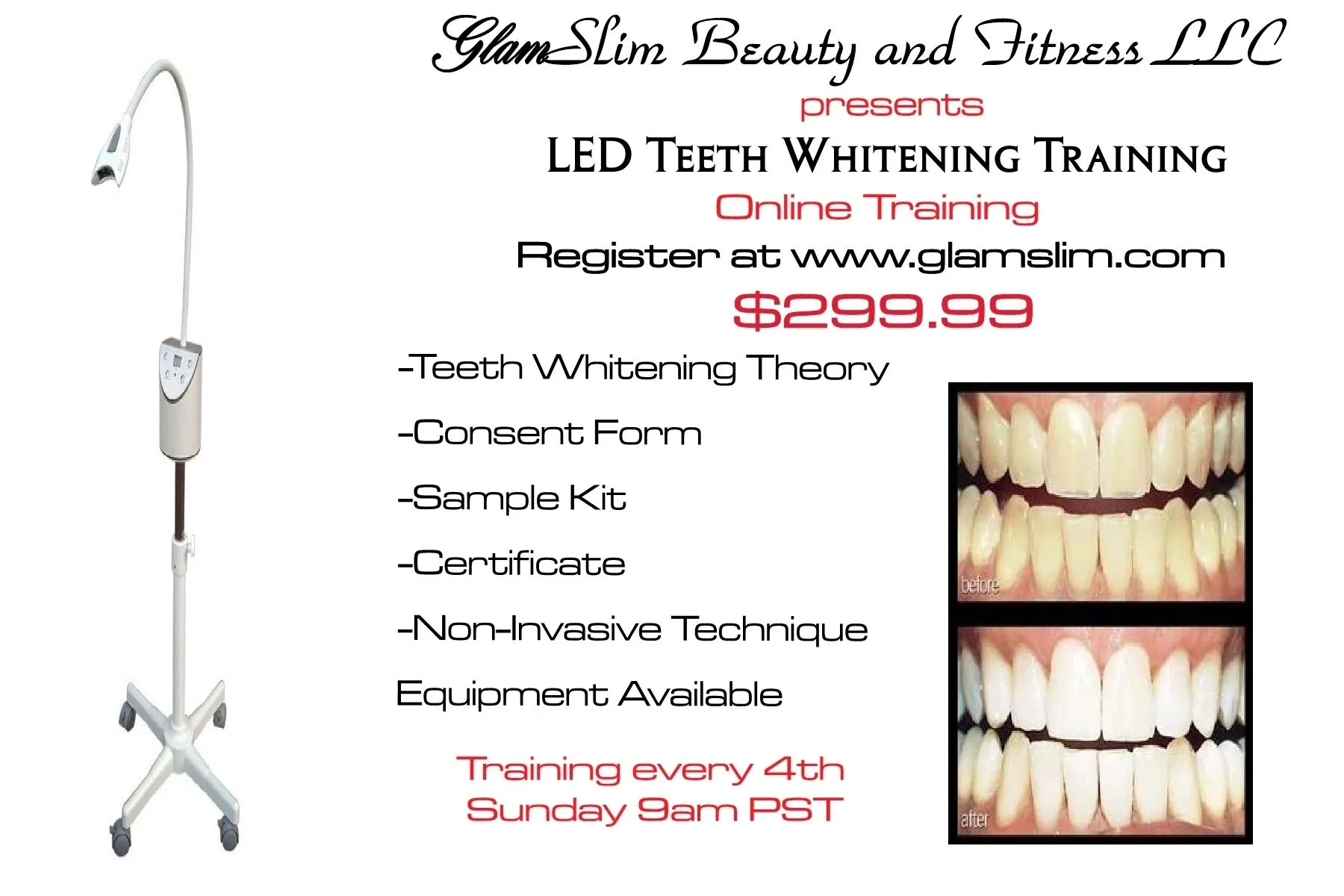
What is Teeth Whitening Training?
Teeth whitening training courses are designed to equip individuals with the knowledge and skills necessary to safely and effectively perform teeth whitening procedures. These courses cover various aspects of the process, from understanding the science behind tooth discoloration to mastering different whitening techniques and safety protocols. The training is essential for anyone looking to offer teeth whitening services, ensuring they can provide clients with safe, effective, and professional treatments. This field is continuously evolving, so staying updated with the latest methods and technologies is vital for practitioners. Proper training not only improves technical abilities but also boosts confidence and ensures the highest standards of patient care and satisfaction. Furthermore, teeth whitening training often includes elements of patient communication and ethical considerations, which are critical for building trust and providing excellent service.
Benefits of Teeth Whitening Training
The benefits of undertaking teeth whitening training are numerous, extending beyond simply learning a new skill. First and foremost, it ensures patient safety by providing a comprehensive understanding of the procedures, potential risks, and how to mitigate them. Proper training also leads to improved treatment outcomes, allowing practitioners to achieve better and more consistent results for their clients. This, in turn, enhances client satisfaction and builds a strong reputation for the service provider. Furthermore, completing a teeth whitening training course can open up new career opportunities or improve existing ones, as it adds to a professional’s skillset and marketability. Many courses also offer certification, which is often a requirement for performing these services, making them essential for legal and ethical practice. Finally, continuous professional development through training helps practitioners stay updated with the latest industry advancements, enabling them to offer cutting-edge treatments and stay competitive.
Types of Teeth Whitening Training Courses

Teeth whitening training courses come in various forms, each tailored to different learning preferences and professional needs. The most common types include in-office training, online courses, and hybrid programs that combine both online and in-person components. In-office training typically provides hands-on experience under the supervision of experienced professionals, allowing for immediate feedback and practical application. Online courses offer flexibility and are often more affordable, providing access to educational materials and virtual demonstrations. Hybrid programs offer the best of both worlds, combining the convenience of online learning with the practical experience of in-person sessions. The choice of course type often depends on individual learning styles, available time, and the level of practical experience required. Regardless of the format, ensure the course curriculum covers key topics such as anatomy, whitening techniques, safety protocols, and ethical considerations to ensure comprehensive training.
In-Office Teeth Whitening Training
In-office teeth whitening training offers a hands-on, immersive learning experience directly within a clinical setting. This type of training is invaluable because it allows trainees to observe and participate in real-world scenarios, guided by experienced professionals. Participants get to practice techniques on actual patients or training models under direct supervision, receiving immediate feedback and corrections. This practical approach helps build confidence and refine skills more effectively than theoretical learning alone. In-office training often covers advanced techniques and the use of professional-grade equipment, which may not be accessible in other training formats. The environment fosters a deeper understanding of patient interaction, treatment planning, and the management of potential complications. Furthermore, in-office training can provide networking opportunities with established practitioners, leading to mentoring and career support. It ensures trainees are well-prepared to provide high-quality teeth whitening services in a professional setting.
Online Teeth Whitening Training
Online teeth whitening training provides a flexible and accessible alternative to in-person courses. These courses are typically delivered through pre-recorded video lectures, interactive modules, and downloadable resources, allowing students to learn at their own pace and from any location. The convenience of online training is a major advantage, especially for those with busy schedules or limited access to physical training facilities. Online courses often cover a wide range of topics, including the science of teeth whitening, different treatment methods, safety protocols, and patient communication techniques. While online training may lack the hands-on experience of in-office programs, many courses include virtual demonstrations and opportunities for online quizzes or assessments to test knowledge. It’s important to choose an online course that offers comprehensive content and includes a certification upon completion, demonstrating competence and building credibility. This can be a cost-effective way to gain essential knowledge and skills in teeth whitening.
Hands-on Training: What to Expect

Hands-on training is a crucial element of any teeth whitening course, offering the opportunity to apply theoretical knowledge in a practical setting. Participants can expect to practice various whitening techniques on training models or, in some cases, real patients under the supervision of experienced trainers. This hands-on experience allows trainees to develop the necessary motor skills and gain confidence in performing procedures safely and effectively. The training often includes demonstrations of different whitening methods, such as the use of bleaching trays, laser whitening, and other professional treatments. Trainees will typically learn about patient assessment, including the selection of appropriate whitening products and dosages. The trainers provide guidance on avoiding common mistakes and managing potential complications, ensuring trainees can handle real-world scenarios. Hands-on training also provides an opportunity to ask questions, receive personalized feedback, and refine techniques, making it an essential component for developing practical skills and expertise in the field.
Curriculum and Modules in Teeth Whitening Training
A comprehensive teeth whitening training curriculum typically covers several essential modules to provide a well-rounded education. These modules often begin with an introduction to the science of teeth whitening, including the mechanisms of tooth discoloration and the chemical reactions involved in the whitening process. The curriculum progresses to explore various whitening techniques, such as the use of bleaching trays, in-office treatments with hydrogen peroxide or carbamide peroxide, and the application of laser or light-activated systems. Safety protocols are a critical component, including the proper use of protective equipment, patient selection and screening, and the management of potential side effects. Training also covers aspects of patient communication and marketing, guiding practitioners on how to discuss treatment options with clients, manage expectations, and promote their services ethically. Other modules may focus on legal and ethical considerations, including obtaining informed consent and adhering to professional standards. Finally, some curricula include modules on business management and practice development, providing the skills needed to run a successful teeth whitening business.
Anatomy and Physiology
A thorough understanding of dental anatomy and physiology is fundamental for anyone undertaking teeth whitening training. This knowledge provides a solid foundation for understanding how teeth function and how whitening treatments interact with the tooth structure. The training modules typically cover the structure of the tooth, including the enamel, dentin, and pulp, and their respective roles in the whitening process. Trainees learn about the microscopic anatomy of the enamel, which influences how whitening agents penetrate the tooth surface. Understanding the physiology of the tooth helps practitioners anticipate potential complications and modify treatment plans accordingly. This knowledge enables professionals to assess the health of the teeth before treatment, identify any underlying conditions, and tailor the whitening approach to the specific needs of the patient. In addition, a solid understanding of anatomy and physiology ensures that practitioners can explain the procedures to patients with confidence, answer their questions accurately, and promote patient safety.
Whitening Products and Techniques

Teeth whitening training provides an in-depth exploration of various whitening products and techniques, ensuring that practitioners can offer a range of treatments tailored to individual patient needs. The training covers the different types of whitening agents, including hydrogen peroxide and carbamide peroxide, detailing their concentrations, application methods, and mechanisms of action. Trainees learn about the use of custom-fitted bleaching trays, which are typically used for at-home whitening treatments, and the proper methods for their fabrication and use. The curriculum also delves into in-office whitening procedures, which often involve higher concentrations of whitening agents and the use of specialized equipment like LED or laser light systems to accelerate the whitening process. Trainees are educated on the selection of appropriate whitening products based on factors such as the patient’s dental health, the degree of discoloration, and their lifestyle. Practical sessions allow participants to practice these techniques, learn how to avoid common mistakes, and understand the best practices for achieving optimal results while ensuring patient safety and comfort.
Safety Protocols and Best Practices
Safety protocols are a cornerstone of teeth whitening training, emphasizing the importance of patient well-being and preventing potential complications. The training covers the proper use of personal protective equipment (PPE), such as gloves, eyewear, and protective barriers, to minimize the risk of contamination and protect both the practitioner and the patient. Trainees are taught about pre-treatment assessments, including patient health history reviews, oral examinations, and the identification of contraindications to teeth whitening, such as sensitive teeth, gum disease, or other dental conditions. The curriculum also includes detailed instructions on how to apply whitening agents safely, avoiding contact with soft tissues, and monitoring for any adverse reactions during the procedure. Best practices involve effective communication with patients, providing clear instructions, and managing expectations. The training also covers post-treatment care, advising patients on how to maintain their results and manage any sensitivity. Adherence to these safety protocols and best practices is essential for providing high-quality, ethical, and legally compliant teeth whitening services.
Marketing and Business Skills
Teeth whitening training frequently incorporates marketing and business skills to help practitioners successfully promote and manage their services. Trainees are typically taught the fundamentals of creating a strong brand identity, including developing a professional website, social media presence, and marketing materials. They learn about the importance of targeting the right audience, understanding market trends, and developing effective advertising campaigns. The training also covers the principles of pricing strategies, helping practitioners determine fair and competitive rates for their services. Furthermore, business skills modules often include guidance on patient consultation, explaining the whitening process, managing expectations, and building patient rapport. The ability to communicate effectively with patients, provide excellent customer service, and handle inquiries professionally is essential for building a loyal clientele and generating positive referrals. Many courses will offer insights into practice management, including how to schedule appointments, manage inventory, and ensure smooth operation of a teeth whitening practice. Mastering these business skills enhances the professional’s overall success in this competitive field.
Choosing the Right Teeth Whitening Training Course

Selecting the right teeth whitening training course is crucial for building a successful and compliant practice. When evaluating courses, it’s important to consider the reputation and accreditation of the provider. Look for courses accredited by reputable organizations, as this ensures the curriculum meets industry standards and provides credible certification. Check the course content to make sure it covers all the necessary topics, including dental anatomy, various whitening techniques, safety protocols, and business skills. Consider the format of the course—whether it’s in-office, online, or a hybrid program—and choose one that suits your learning style and schedule. Verify if the course includes hands-on training, as this is essential for developing practical skills and confidence. It’s also important to consider the qualifications and experience of the instructors. Check for reviews and testimonials from previous students to get an idea of the course’s quality. Finally, evaluate the cost of the course, ensuring it aligns with your budget, and inquire about any additional expenses, such as supplies or certification fees.
Accreditation and Certification
Accreditation and certification are vital elements in teeth whitening training, providing assurance of course quality and professional credibility. Accreditation signifies that a training program has met specific standards set by a recognized organization, ensuring the curriculum, instructors, and facilities are of a certain standard. Choosing an accredited course helps guarantee that the training meets industry best practices and provides a comprehensive education. Upon completing an accredited course, participants typically receive a certification that validates their knowledge and skills, allowing them to legally and ethically perform teeth whitening procedures in their jurisdiction. Certification not only enhances a practitioner’s professional reputation but also offers potential clients peace of mind. It demonstrates commitment to quality and a willingness to adhere to safety guidelines. Certifications also help with insurance and may be required for employment in certain dental practices or spas. Always check the accrediting body’s reputation to verify the validity of the course.
Cost and Duration
The cost and duration of teeth whitening training courses vary significantly depending on the program’s format, depth, and accreditation. Online courses are typically more affordable, ranging from a few hundred to a couple of thousand dollars, and offer flexible durations, often allowing self-paced learning. In-office training or hybrid programs may be more expensive, potentially costing several thousand dollars, due to the provision of hands-on experience, specialized equipment, and in-person instruction. The duration of training can range from a few days to several weeks, depending on the curriculum’s intensity and the course format. When considering a course, it is advisable to compare not only the cost but also the value offered, including the quality of the content, instructor expertise, and practical experience provided. Examine whether the course includes all necessary materials, such as whitening products, and whether any additional expenses are associated with certification or ongoing professional development. Be certain that the course duration fits into your schedule, and consider the potential return on investment in terms of increased income, improved skills, and career advancement.
Hands-on Experience and Practical Training

Hands-on experience is a cornerstone of effective teeth whitening training, crucial for translating theoretical knowledge into practical skills. Practical training allows practitioners to practice various techniques under supervision, building confidence and proficiency in a controlled environment. The hands-on component usually includes practice on dental models or live patients, enabling trainees to handle real-world scenarios and refine their approach. They learn to assess patients, prepare their teeth for whitening, and apply the different whitening methods. Trainers often provide immediate feedback, helping trainees correct any errors and improve their technique. This practical experience allows trainees to understand and manage potential complications, ensuring that they can provide safe and effective treatments. Access to various whitening products and equipment during the hands-on sessions ensures that practitioners are familiar with the tools of the trade. The opportunity to interact with experienced practitioners can also provide mentoring and build a professional network. Adequate hands-on experience is essential for developing expertise and delivering high-quality teeth whitening services.
Tips for Successful Teeth Whitening Procedures
Successful teeth whitening procedures require a combination of skillful technique, patient communication, and adherence to best practices. Begin by thoroughly assessing the patient’s dental health, including the condition of their teeth and gums, as well as their overall medical history, to make sure they are suitable candidates for whitening. Discuss expectations and potential outcomes with the patient, managing their expectations realistically and explaining the process and possible side effects. Select the appropriate whitening method and product based on the patient’s specific needs and preferences. When applying the whitening agent, adhere to all safety protocols, including the use of protective barriers and careful application techniques to prevent any tissue irritation. Monitor the patient closely during the procedure, watching for any signs of sensitivity or adverse reactions, and adjust the treatment accordingly. After the procedure, provide detailed aftercare instructions, including advice on maintaining the whitening results, avoiding staining foods and drinks, and using desensitizing toothpaste if necessary. Finally, schedule follow-up appointments to evaluate the results and address any concerns the patient may have.
Common Mistakes to Avoid
To ensure successful teeth whitening outcomes, practitioners should avoid several common mistakes. A primary error is not properly assessing patients before the procedure. Always perform a thorough examination, checking for dental issues like cavities, gum disease, or existing dental work, which can impact the effectiveness of the treatment. Overlooking patient expectations is another significant mistake. It is essential to clearly explain what can be achieved with whitening and what cannot, as unrealistic expectations can lead to dissatisfaction. Improper technique in applying whitening agents can cause uneven results or increased sensitivity. Adhere strictly to the manufacturer’s instructions and use correct application methods, avoiding contact with the gums and soft tissues. Another mistake is using too high a concentration of whitening agents, especially on patients with sensitive teeth, as this can cause excessive sensitivity. Poor communication with the patient is another mistake. Ensure you explain the procedure thoroughly, answer all questions, and provide clear aftercare instructions to prevent complications. Finally, neglecting to follow safety protocols can put patients at risk. Always use protective gear and follow established guidelines for a safe and effective treatment.
Maintaining Ethical Standards

Maintaining ethical standards is paramount in teeth whitening training, ensuring patient safety, trust, and a professional reputation. It begins with obtaining informed consent from patients, ensuring they fully understand the procedure, potential risks, and expected outcomes before beginning treatment. Always be honest and transparent about the limitations of teeth whitening. Never make exaggerated claims or guarantees about the results. Maintaining patient confidentiality is another crucial aspect, protecting patient information and respecting their privacy at all times. Adhere strictly to professional guidelines and regulations set by dental boards and other regulatory bodies, complying with all legal and ethical standards. This includes avoiding any deceptive practices or misleading advertising. Prioritize patient well-being and avoid recommending treatments that are not in their best interest. It’s important to stay updated with the latest advancements in the field, participating in continuing education to ensure that you provide the best possible care. By prioritizing ethical conduct, you build trust, maintain integrity, and create a thriving and respected practice.
Continuing Education and Further Training
Continuing education is critical for staying current in the rapidly evolving field of teeth whitening. Advances in whitening techniques, products, and technologies are constantly emerging, making it essential for practitioners to update their knowledge and skills. Regular continuing education allows practitioners to learn about the latest innovations, improving treatment outcomes and patient satisfaction. Participating in workshops, seminars, and courses helps to refine existing skills and learn new techniques. It also offers opportunities to interact with peers, share experiences, and expand a professional network. Many professional organizations offer continuing education programs, often including practical hands-on sessions and expert lectures. Furthermore, staying updated on the latest research ensures that practitioners can provide evidence-based care. In addition to formal courses, staying informed through professional journals, conferences, and online resources is essential. Continuing education not only enhances a practitioner’s expertise but also demonstrates a commitment to providing the highest standard of care and adhering to ethical principles. This ongoing commitment to learning is vital for long-term success in the field of teeth whitening.