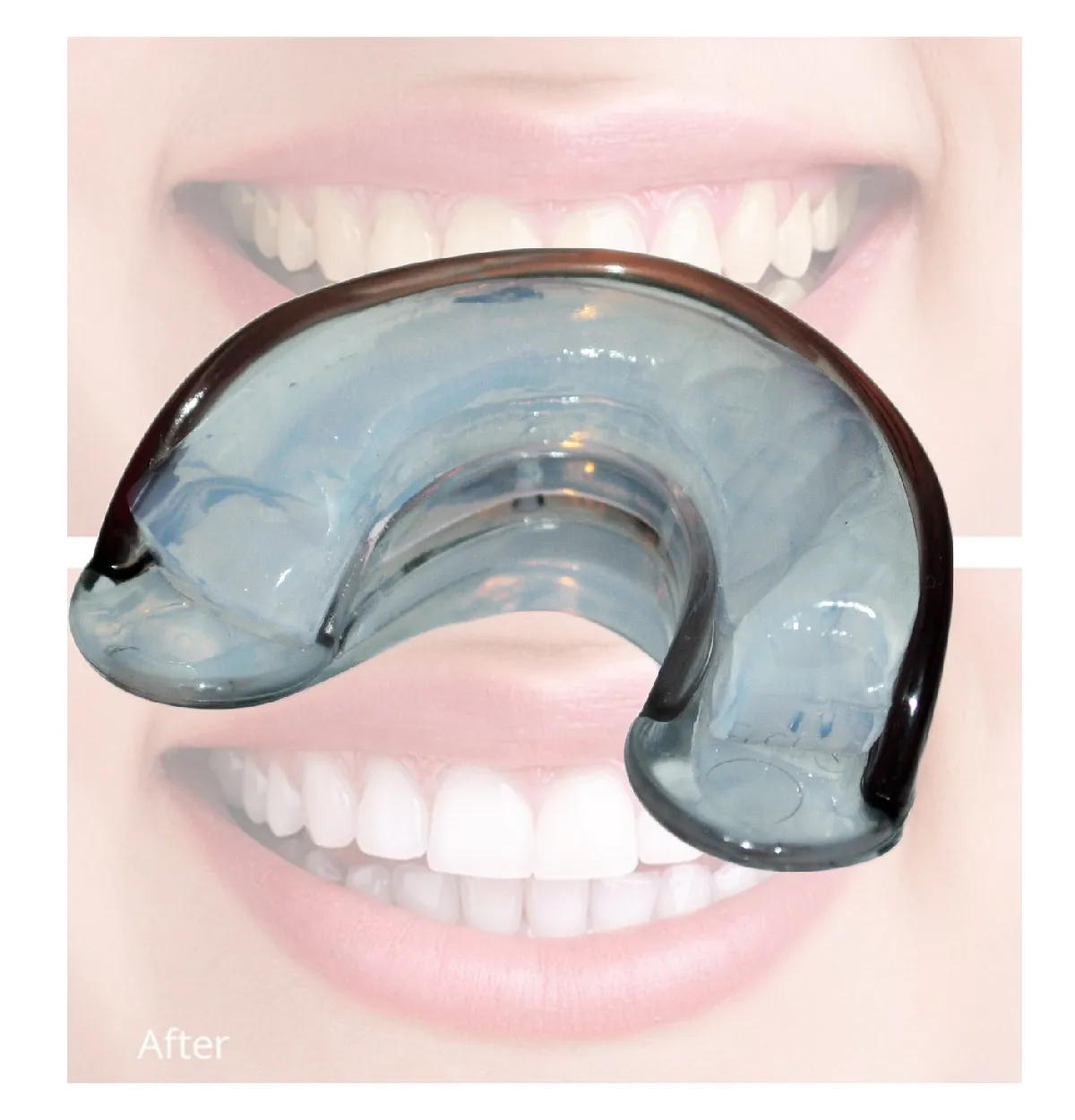
The Power of Silicone Trays for Teeth Whitening
In the quest for a brighter, more confident smile, teeth whitening has become a popular cosmetic procedure. Among the various methods available, silicone teeth trays have emerged as a convenient and effective option for achieving a dazzling smile. These trays, often used with whitening gels, offer numerous advantages, making them a preferred choice for many individuals. This article explores the top five benefits of using silicone trays for teeth whitening, delves into their functionality, provides essential maintenance tips, and compares them with other whitening methods. Whether you are new to teeth whitening or looking for an improved approach, understanding the benefits of silicone trays can help you make an informed decision about achieving your dream smile.
Enhanced Comfort and Fit
One of the primary benefits of using silicone teeth trays is the superior comfort and fit they provide. Unlike some generic or rigid trays, silicone is a flexible material that molds to the unique contours of your teeth. This customization ensures a comfortable fit, reducing any potential irritation or discomfort during the whitening process. The snug fit also helps to keep the whitening gel in close contact with the teeth, maximizing its effectiveness. Because of the flexibility of silicone, it is designed to be worn for longer periods, which is a distinct advantage over other materials. This precise fit minimizes gel leakage and enhances the overall user experience, making it easier to incorporate teeth whitening into your daily routine. The level of comfort contributes significantly to compliance, encouraging users to follow their whitening treatment consistently for optimal results.
Customized for Your Smile

Silicone trays can be custom-made to fit your specific teeth, offering an unparalleled level of personalization. Many professional teeth whitening treatments involve creating custom trays from impressions of your teeth. This ensures a perfect fit and maximizes the contact between the whitening gel and the tooth surface. A custom fit is crucial for achieving uniform whitening results, as it prevents uneven application of the gel. The customization also minimizes the risk of the gel irritating the gums. The process involves taking an accurate impression of your teeth, which a dental lab then uses to create a tray specifically designed for your mouth. This ensures a comfortable and effective whitening experience tailored to your unique dental structure. The resulting tray fits snugly, preventing the whitening gel from seeping out and ensuring every surface of your teeth receives the treatment.
Easy to Use and Clean
Silicone trays are designed for ease of use, making them an excellent option for at-home teeth whitening. The process generally involves applying the whitening gel into the tray, inserting the tray into your mouth, and wearing it for a specified period, usually a few minutes to several hours. The straightforward nature of this process means it can be easily incorporated into your daily or weekly routine, depending on your dentist’s instructions. Furthermore, cleaning silicone trays is very simple. After each use, the trays should be thoroughly rinsed with cool water and allowed to dry. Regular cleaning prevents the buildup of gel and bacteria, ensuring your oral health and the continued effectiveness of your whitening treatment. This simplicity and ease of maintenance are significant advantages, making silicone trays a practical and convenient choice for those seeking a brighter smile.
Effective Whitening Results
Silicone trays, when used with effective whitening gels, can deliver impressive results. The trays ensure the whitening gel makes consistent contact with the teeth, allowing for effective stain removal and overall brightening. The effectiveness of silicone trays is largely dependent on the quality and concentration of the whitening gel used. Most gels contain hydrogen peroxide or carbamide peroxide, which penetrates the enamel to break down stains. Consistent use of silicone trays with the recommended whitening gel, as prescribed by a dentist, typically leads to noticeable improvements in tooth shade. The close contact and uniform application of the gel facilitate this process, ensuring that all visible surfaces of the teeth are treated for consistent whitening. The effectiveness of silicone trays, combined with the ease of use, makes them a popular and reliable method for teeth whitening.
Protective Barrier for Teeth
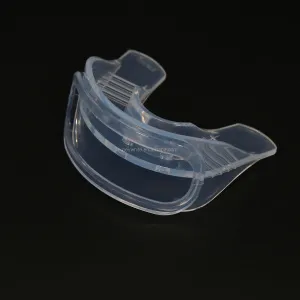
In addition to their whitening capabilities, silicone trays can also act as a protective barrier for your teeth. They help prevent the whitening gel from coming into direct contact with your gums, reducing the risk of gum irritation and sensitivity. The trays create a barrier, ensuring the gel remains on your teeth where it is needed. Furthermore, the trays can provide some protection against external factors that may cause staining, such as certain foods and drinks. While silicone trays are primarily designed for whitening, they can offer a degree of added protection and contribute to the overall health of your teeth. This protective aspect is a valuable benefit, especially for individuals with sensitive gums or those who want to minimize potential side effects during the whitening process.
How Silicone Trays Work for Whitening
The Role of the Tray
The silicone tray is the primary tool in the teeth whitening process. Its role is to hold the whitening gel in place and ensure maximum contact with the tooth surfaces. The custom fit of the tray is crucial for preventing the gel from leaking and ensuring all areas of the teeth are treated evenly. The tray also protects the gums and soft tissues from the bleaching agent, reducing the risk of irritation or sensitivity. By maintaining the whitening gel in close contact with the teeth, the silicone tray allows the active ingredients to work efficiently, dissolving stains and brightening the enamel. The overall design and fit of the tray are essential to the effectiveness of the entire whitening process, helping to achieve consistent and satisfying results.
The Whitening Gel
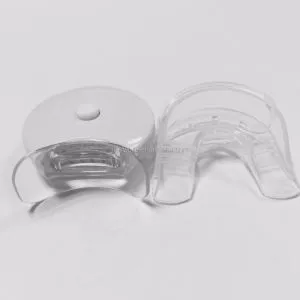
The whitening gel is the active component of the teeth whitening process. The primary ingredients in these gels are hydrogen peroxide or carbamide peroxide. These compounds break down into oxygen molecules that penetrate the enamel and dentin to oxidize the stain molecules, effectively removing discoloration and brightening the teeth. The concentration of the active ingredient varies depending on the product and the treatment being used. Professional-grade gels typically have a higher concentration of peroxide, resulting in faster and more noticeable results, while over-the-counter products have lower concentrations to ensure safety. The efficacy of the gel is dependent on its quality, concentration, and how well it is applied and maintained against the tooth surface.
Application Process
The application process involves several key steps. First, the teeth need to be cleaned and dried. Next, the whitening gel is applied to the tray, usually along the front surfaces where the teeth will sit. The tray is then carefully inserted into the mouth, ensuring it fits snugly. The tray is worn for the time recommended by your dentist or the product instructions. This period can range from a few minutes for more concentrated gels to several hours or even overnight for lower concentration gels. During this time, the gel works to break down stains. After the treatment is complete, the tray is removed, and the mouth is rinsed to remove any residual gel. Consistent application, as directed, is necessary to see visible results and maintain them. Always consult with a dental professional before starting the process.
Maintaining Your Silicone Trays
Cleaning Your Trays
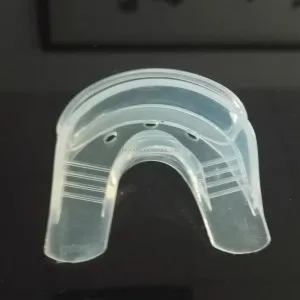
Proper cleaning of silicone trays is essential to maintain hygiene and ensure their longevity. After each use, the tray should be rinsed thoroughly with cool water to remove any remaining gel or residue. Avoid using hot water, which could warp the silicone material. You can also gently clean the trays with a soft toothbrush and mild soap, but ensure you rinse thoroughly to remove all traces of soap. Regularly cleaning prevents the build-up of bacteria and gel, and helps maintain their effectiveness. Always store the trays in a clean, dry place, away from direct sunlight and extreme temperatures. This simple yet important step will help keep your trays in good condition.
Storing Your Trays
Proper storage of your silicone teeth trays is as important as cleaning. After cleaning and drying the trays, store them in a clean, dry place, away from direct sunlight and heat. Avoid placing them near any items that could damage or deform the material. Many whitening kits come with a storage case designed specifically for the trays. Utilizing this case is an effective way to protect the trays from dust, debris, and potential damage. Keeping them stored correctly will help maintain their shape, and cleanliness and extend their lifespan. Ensure they are kept away from children and pets to prevent any accidental ingestion or damage.
When to Replace Your Trays
Over time, silicone trays may wear down or become less effective. The lifespan of a silicone tray depends on several factors, including how frequently it is used, how well it is maintained, and the quality of the material. Signs that it is time to replace your trays include cracks, tears, or any distortion of shape that affects the fit. If the tray no longer fits comfortably or securely, it may not effectively deliver the whitening gel to your teeth. Consult with your dentist if you notice any damage or discomfort. Your dentist can evaluate the condition of your trays and recommend replacements, ensuring your teeth whitening process remains safe and effective. Regularly inspecting your silicone trays helps maintain their effectiveness and contributes to a healthier and brighter smile.
Comparing Silicone Trays with Other Methods
Professional Whitening Options
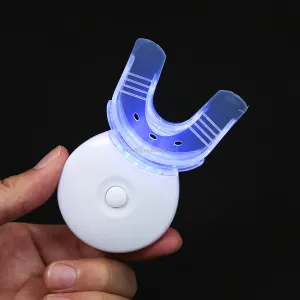
Professional teeth whitening offers more intensive treatment performed in a dental office. These treatments often use higher concentrations of whitening agents and specialized techniques, such as laser or light activation, to accelerate the whitening process. Professional treatments can provide dramatic results in a single visit. However, they are typically more expensive than at-home options. While professional whitening can be highly effective, silicone trays, when used correctly, can provide comparable results over time, particularly when customized and combined with professional guidance. It is important to consider the intensity of the whitening needed, the time commitment, and the budget when comparing professional whitening with silicone tray use.
Over the Counter Alternatives
Over-the-counter (OTC) teeth whitening products include strips, toothpastes, and mouthwashes. These options are generally more affordable and accessible, but they also tend to be less effective than professional treatments or silicone tray-based methods. OTC products often contain lower concentrations of the active whitening agents, which may result in slower, more subtle results. While convenient, they might not be suitable for individuals with significant staining or discoloration. Silicone trays, combined with dentist-recommended gels, provide a more effective and controlled approach compared to many OTC options. It is crucial to assess your specific needs, the level of staining, and the desired outcome to choose the most appropriate whitening method.
Why Choose Silicone Trays
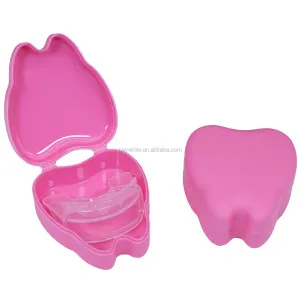
Silicone trays offer a balance between convenience, effectiveness, and cost. They are a practical option for at-home whitening, offering a good level of control and the potential for noticeable results. They are often less expensive than professional treatments, providing a cost-effective way to enhance your smile. Moreover, they are generally more effective than over-the-counter products. The comfort and custom fit of silicone trays, combined with the ability to control the strength of the whitening gel, allow individuals to tailor the process to their specific needs and sensitivities. The use of silicone trays, following a dentist’s recommendation, can provide a significant improvement in the brightness of your smile, making them a popular choice for teeth whitening.
Safety and Considerations
Material Safety
The silicone used in teeth whitening trays is generally considered safe. The material is often medical-grade, designed to be non-toxic and biocompatible, meaning it is compatible with the body. However, individuals with known allergies to silicone or related materials should consult a dentist before use. It is essential to ensure that the trays are made from high-quality, FDA-approved silicone to minimize potential risks. The manufacturing and source of the silicone are crucial to ensure the safety and reliability of the trays. Always follow the manufacturer’s instructions for use, cleaning, and maintenance to ensure the material remains safe and effective.
Potential Side Effects
Teeth whitening with silicone trays, like any whitening method, may cause side effects. The most common side effects include temporary tooth sensitivity and gum irritation. Tooth sensitivity can occur due to the bleaching agents penetrating the enamel. Gum irritation, characterized by redness or soreness, may happen if the gel comes into contact with the gums. These side effects are generally mild and temporary, often subsiding once the treatment is completed or the concentration of the whitening agent is adjusted. Using trays that fit correctly minimizes gel leakage, helping to reduce these side effects. Individuals experiencing these side effects should consult their dentist for advice on how to manage them.
Consulting Your Dentist
Before starting any teeth whitening treatment, it is essential to consult with your dentist. A dentist can assess your oral health, identify any underlying issues that need to be addressed, and recommend the most appropriate whitening method for your specific needs. Your dentist will also be able to take impressions for custom silicone trays and provide professional-grade whitening gel. They can monitor the process and provide guidance on minimizing potential side effects and achieving the best possible results. Consulting a dentist ensures the teeth whitening process is safe, effective, and tailored to your unique dental health, maximizing the benefits while minimizing any risks. Regular dental check-ups before and during treatment are highly recommended.
In conclusion, silicone trays offer numerous advantages for teeth whitening, from enhanced comfort and customized fit to effective whitening results and ease of use. They provide a convenient and cost-effective alternative to professional treatments while offering more effective results than many over-the-counter products. By understanding the benefits, proper use, and maintenance of silicone trays, you can confidently achieve a brighter, more confident smile. However, it is essential to consult with a dentist before starting any teeth whitening treatment to ensure it is safe and appropriate for your individual needs. Embrace the power of silicone trays, and take a step toward achieving the radiant smile you have always desired.