Achieving a brighter smile is a common goal, and teeth whitening strips have become a popular solution. But do they work? And more importantly, how can you get the best possible results? This comprehensive guide will walk you through everything you need to know about teeth whitening strips, from understanding how they work to maximizing their effectiveness and addressing potential side effects. Get ready to unlock the secrets to a dazzling, confident smile.
Understanding Teeth Whitening Strips
Teeth whitening strips are thin, flexible strips coated with a whitening agent, typically containing hydrogen peroxide or carbamide peroxide. They are designed to be applied directly to the teeth for a specific amount of time, allowing the whitening agent to penetrate the enamel and break down stains. These strips offer a convenient and relatively affordable way to whiten your teeth at home, without the need for professional dental treatments. It is important to understand what the product contains and its effects for the best use.
How Teeth Whitening Strips Work
The process of teeth whitening using strips involves a chemical reaction. The active ingredient, usually hydrogen peroxide or carbamide peroxide, releases oxygen molecules that penetrate the enamel. These oxygen molecules break down stain molecules, resulting in a brighter appearance. The effectiveness depends on factors like the concentration of the whitening agent, the duration of application, and the type and severity of stains. Regular and consistent use is key to achieving noticeable results. The chemicals cause a reaction that oxidizes the stains, resulting in a lighter shade of your teeth.
The Science Behind Whitening

The science behind teeth whitening involves the interaction between the whitening agent and the tooth enamel. Hydrogen peroxide and carbamide peroxide are oxidizing agents that react with the discolored molecules within the enamel. These molecules, often caused by food, drinks, and smoking, absorb light, making teeth appear stained. The oxygen released by the peroxide breaks these bonds, effectively decolorizing the stain and making the teeth appear whiter. The process doesn’t damage the enamel itself when used as directed.
Key Ingredients in Strips
The primary active ingredients in teeth whitening strips are hydrogen peroxide and carbamide peroxide. Hydrogen peroxide is the stronger of the two and provides faster results, while carbamide peroxide breaks down into hydrogen peroxide, offering a gentler approach. Other ingredients include stabilizers, flavoring agents, and adhesives to ensure the strip adheres to the teeth. The concentration of the active ingredient varies, with higher concentrations often associated with faster whitening but potentially increased sensitivity. It’s essential to choose strips with an appropriate concentration based on your sensitivity and desired outcome.
Choosing the Right Teeth Whitening Strips
Selecting the right teeth whitening strips is crucial for achieving optimal results and minimizing potential side effects. Several factors should be considered, including the type of strips, the concentration of the whitening agent, and the specific needs of your teeth. Reading reviews and consulting with your dentist can help you make an informed decision. Remember, not all strips are created equal, so choosing the correct product will have better results.
Types of Whitening Strips

There are various types of teeth whitening strips available, each with different features and benefits. Some are designed for sensitive teeth, containing lower concentrations of the whitening agent. Others offer longer wear times or use advanced technologies for enhanced whitening. Some strips cover only the front teeth, while others wrap around for more comprehensive coverage. Knowing the different types will help you pick the correct type of strip for your teeth. The type of strips you chose will influence the outcome.
Factors to Consider When Choosing
When choosing teeth whitening strips, consider your teeth’s sensitivity level, the severity of your stains, and your budget. If you have sensitive teeth, opt for strips with a lower concentration of hydrogen peroxide or carbamide peroxide. For more stubborn stains, you might need a higher concentration, but be prepared for potential sensitivity. Research different brands and read reviews to compare effectiveness and user experiences. Always check for the ADA (American Dental Association) seal of approval to ensure the product’s safety and effectiveness. Price is also an important factor, so always compare the prices and its features.
Preparing Your Teeth Before Use
Preparing your teeth before using teeth whitening strips can significantly improve the results and minimize potential side effects. Proper oral hygiene, including brushing and flossing, is essential. Avoiding foods and drinks that can stain your teeth during the whitening process will also help you maximize the effectiveness of the strips. Taking these precautions will set you up for successful and satisfying results. These steps will allow for maximum performance from the strips.
Brushing and Flossing

Before applying teeth whitening strips, brush your teeth thoroughly to remove any plaque or debris. Flossing is also crucial to eliminate food particles and bacteria between your teeth, which can hinder the whitening process. Ensure your teeth are clean and dry before applying the strips. A clean surface allows the whitening agent to make better contact with the enamel, leading to more even and effective whitening. Make sure to remove any access material from the teeth, for maximum strip adherence.
Avoiding Staining Foods and Drinks
During the teeth whitening process, it’s important to avoid foods and drinks that can stain your teeth. This includes coffee, tea, red wine, dark-colored sodas, and heavily pigmented foods like berries and curries. Smoking should also be avoided, as it can cause significant discoloration. If you consume these items, rinse your mouth with water immediately afterward. Maintaining a white diet will help you achieve the best results.
Using Teeth Whitening Strips Effectively
Proper application techniques and adherence to the recommended timing are essential for maximizing the effectiveness of teeth whitening strips. Following the instructions provided by the manufacturer is crucial. Consistency and patience are also key, as it may take several days or weeks to see noticeable results. Learning the proper techniques can improve your overall outcome.
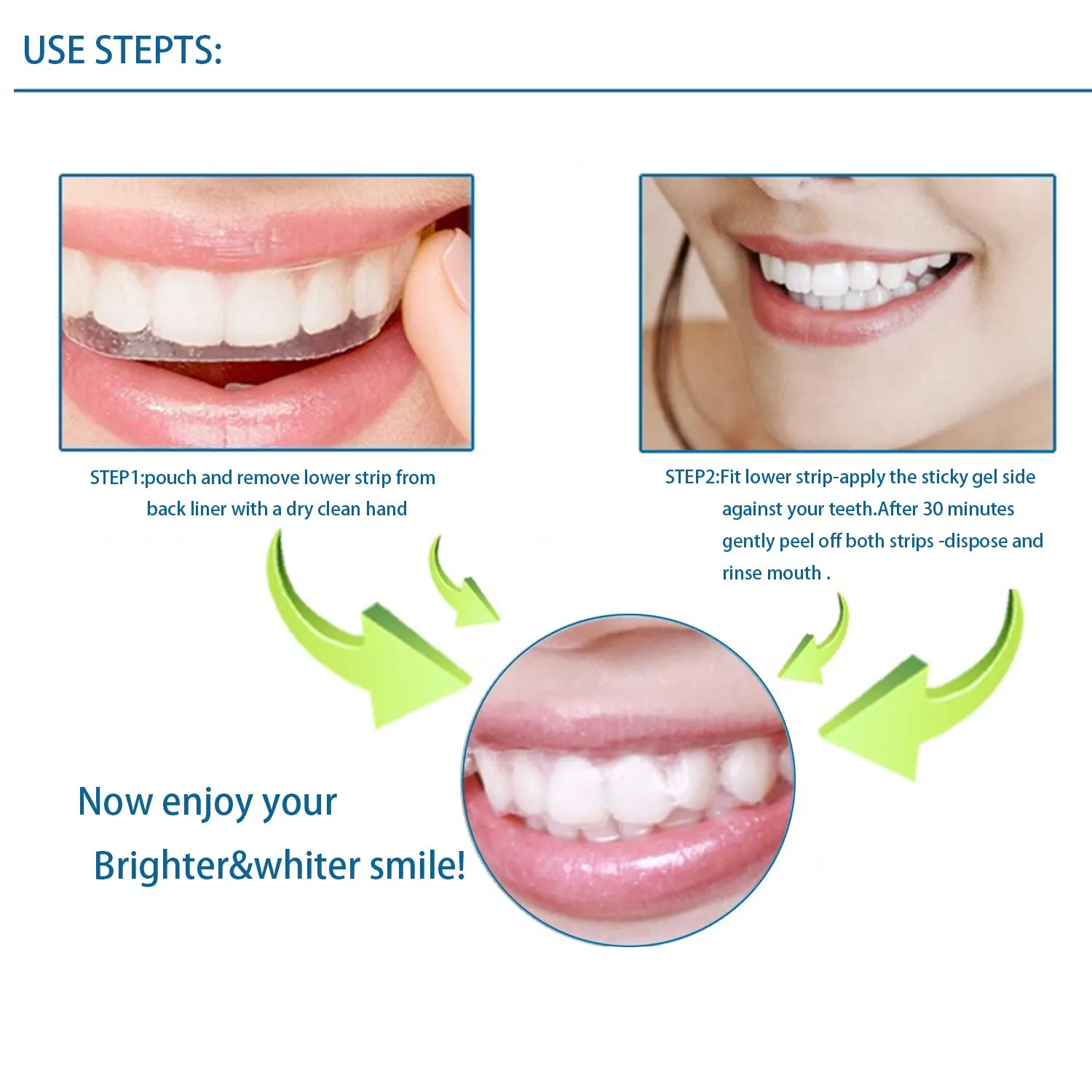
Step by Step Application Guide

- Brush and floss your teeth.
- Dry your teeth with a clean cloth or paper towel.
- Peel the whitening strip from its backing.
- Apply the strip to your teeth, ensuring it adheres to the surface, particularly the front teeth.
- Fold the excess strip over the back of your teeth.
- Leave the strips on for the recommended time (usually 30 minutes).
- Remove the strips and discard them.
- Rinse your mouth with water. Following these steps will help you achieve great results.
Proper Application Techniques
Ensure the strip covers the visible surface of your teeth, especially the front teeth. Avoid touching your gums excessively, as this can lead to irritation. Press the strip firmly against your teeth to ensure good contact. Make sure the strip is aligned properly to avoid uneven whitening. Correct application is key to both effectiveness and comfort, so take your time and follow the directions carefully. Check your application in the mirror for best results.
Timing and Duration
Adhere to the manufacturer’s recommended application time and frequency. Overuse can lead to increased sensitivity and irritation, and underuse may not provide satisfactory results. Most strips are designed for daily use for a specific number of days, typically 7 to 14. Consistency is key, so try to apply the strips at the same time each day. The length of time may vary by brand, so always follow the instructions on the package. Do not exceed the time recommended to avoid any potential damage.
Maximizing Results

To achieve the best results with teeth whitening strips, it’s crucial to be patient and consistent. Combining the use of strips with proper oral hygiene and avoiding staining foods and drinks can significantly enhance the whitening effect. Be sure to take all these steps for a perfect smile. Taking these extra steps, will allow you to enjoy a bright and confident smile.
Consistency and Patience
Teeth whitening is not an overnight process. It typically takes several days or weeks to see noticeable results. Be patient and consistent with the application of the strips. Do not get discouraged if you don’t see immediate changes. Continue using the strips as directed, and you should gradually see your teeth becoming whiter. Keeping a positive attitude and staying consistent can help you achieve a better outcome.
Maintenance for a Bright Smile
After completing a course of teeth whitening strips, it’s important to maintain your results. Continue to practice good oral hygiene, including brushing twice a day and flossing daily. Avoid or limit consumption of staining foods and drinks. Consider using a whitening toothpaste or mouthwash to help maintain your bright smile. Regular dental check-ups and cleanings will also help keep your teeth healthy and white. You can enjoy a long lasting bright smile by following these steps.
Potential Side Effects and Solutions

While teeth whitening strips are generally safe, some side effects can occur. The most common side effects include tooth sensitivity and gum irritation. However, there are several ways to manage and minimize these side effects. Understanding the potential risks will allow you to use them with the best possible outcome.
Sensitivity and Irritation
Tooth sensitivity is a common side effect of teeth whitening strips, especially those with higher concentrations of hydrogen peroxide. You may experience a temporary increase in sensitivity to hot and cold temperatures. Gum irritation is another possible side effect, which can manifest as redness or soreness. Both are usually temporary and resolve shortly after you stop using the strips. In some cases, the sensitivity is unnoticeable, but if it persists consult with your dentist.
Managing Side Effects
To manage tooth sensitivity, consider using a toothpaste designed for sensitive teeth during and after your whitening treatment. Avoid extremely hot or cold foods and drinks. If gum irritation occurs, avoid applying the strips directly to your gums and ensure they are properly placed on your teeth. If the sensitivity or irritation is severe or prolonged, discontinue use and consult with your dentist. These steps will allow you to minimize the effects of sensitivity.
Alternatives to Teeth Whitening Strips
If teeth whitening strips aren’t the right fit for you, or if you want to explore other options, several alternatives are available. These include professional teeth whitening treatments by a dentist, whitening toothpastes, and custom-fitted whitening trays. Consider these options for the best alternative for you. Talking with a dentist will help determine the best type of treatment.
In conclusion, teeth whitening strips can be an effective way to brighten your smile, but they are not the only method. By understanding how they work, choosing the right product, following the instructions, and managing any potential side effects, you can achieve impressive results. Always prioritize good oral hygiene and consider consulting your dentist for personalized advice on achieving and maintaining a healthy, white smile. With proper care and attention, you can enjoy a confident and radiant smile for years to come.