What is Teeth Whitening?
Teeth whitening is a popular cosmetic dental procedure designed to lighten the color of your teeth. This process involves bleaching the teeth to remove stains and discoloration, resulting in a brighter, more aesthetically pleasing smile. The stains can be caused by various factors, including age, the consumption of staining foods and drinks like coffee, tea, and red wine, smoking, and certain medications. The primary goal of teeth whitening is to enhance the overall appearance of your teeth and boost your self-confidence by giving you a brighter smile. This process has become increasingly common, with various options available, from professional treatments administered by dentists to at-home kits.
Benefits of Teeth Whitening
Teeth whitening offers several advantages beyond just a brighter smile. Many people experience a significant boost in their self-esteem and confidence levels after undergoing teeth whitening treatments. A whiter smile is often perceived as more attractive and youthful, which can lead to positive social interactions and improved self-image. The process can be done quite quickly, with results often visible after a single session with a dentist or after a few days of using at-home kits. Moreover, modern teeth whitening treatments are generally safe when performed by qualified professionals or when following the instructions provided in at-home kits, ensuring that the enamel of your teeth remains protected. By removing stains and discoloration, teeth whitening can make you feel more confident about showing your smile.
Boost Confidence with a Bright Smile

One of the most significant benefits of teeth whitening is the boost in self-esteem and confidence it provides. A bright, white smile can significantly impact how you perceive yourself and how others perceive you. Studies have shown that people with whiter teeth are often seen as more attractive, successful, and approachable. This increased confidence can translate into improved social interactions, greater professional success, and a more positive overall outlook on life. When you feel good about your smile, you’re more likely to smile more often, leading to a self-perpetuating cycle of positivity and enhanced self-image, so consider the impact that a brighter smile can have on your personal and professional life.
Improved Oral Hygiene
Teeth whitening can encourage better oral hygiene habits. When you invest in whitening your teeth, you’re more likely to be motivated to maintain your results by practicing good oral hygiene. This includes regular brushing, flossing, and dental check-ups. The pursuit of a brighter smile can also lead to a greater awareness of the impact of your diet and lifestyle choices on your teeth. For example, you might become more conscious of consuming staining foods and drinks like coffee, tea, and red wine, which can help you maintain your results longer. In addition to enhancing the appearance of your teeth, teeth whitening can indirectly contribute to your overall dental health by promoting a proactive approach to oral care.
Potential Drawbacks of Teeth Whitening
While teeth whitening offers many benefits, it’s essential to be aware of potential drawbacks. One of the most common side effects is tooth sensitivity, which can range from mild to moderate and usually subsides shortly after the treatment is completed. Another potential issue is gum irritation, which can occur if the bleaching agent comes into contact with your gums. Additionally, the results of teeth whitening are not permanent, and touch-up treatments may be required to maintain your desired level of brightness. There are also certain limitations to teeth whitening; for example, it may not be as effective on teeth with certain types of stains or those that have fillings, crowns, or veneers. Understanding these potential downsides can help you make an informed decision about whether teeth whitening is right for you.
Tooth Sensitivity Explained
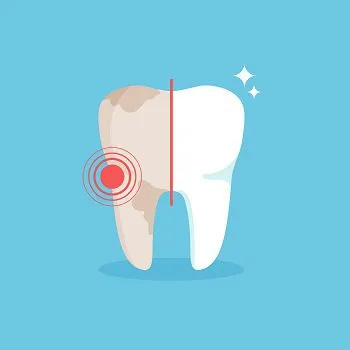
Tooth sensitivity is a common side effect of teeth whitening treatments. This occurs because the bleaching agents can penetrate the enamel and reach the dentin, which contains the nerve endings. This can lead to temporary sensitivity to hot or cold temperatures, or even pressure. The level of sensitivity varies from person to person, but it usually subsides within a few days after the treatment. Dentists often recommend using toothpaste designed for sensitive teeth to help alleviate this discomfort. Avoiding extremely hot or cold foods and drinks during the treatment period can also help. While tooth sensitivity can be a temporary inconvenience, it’s important to remember that it’s a common and generally manageable side effect of teeth whitening.
Gum Irritation and Inflammation
Gum irritation is another potential side effect of teeth whitening, especially if the bleaching agent comes into contact with the gums. This can cause redness, swelling, and discomfort. Professional whitening treatments are typically administered in a way that minimizes contact with the gums, but at-home kits may increase the risk of irritation if not used correctly. Following the instructions carefully and using a custom-fitted tray (if applicable) can help to prevent this issue. If gum irritation occurs, it usually resolves within a few days after the treatment. Rinsing with warm salt water can also help to soothe the gums and reduce inflammation. It’s important to inform your dentist of any persistent gum issues, they may recommend some treatments.
Alternatives to Teeth Whitening
If teeth whitening isn’t the right choice for you, several alternative options can improve the appearance of your teeth. Dental veneers are thin shells of porcelain that are bonded to the front of your teeth to correct discoloration, chips, or gaps. Veneers offer a long-lasting solution and can dramatically transform your smile. Another option is dental bonding, where a tooth-colored resin is applied and shaped to correct imperfections. This is a more affordable alternative to veneers but may not be as durable. Regular professional dental cleanings can also help remove surface stains and maintain the natural whiteness of your teeth. Depending on your specific needs and preferences, your dentist can help you determine the best alternative to teeth whitening.
Professional Teeth Whitening

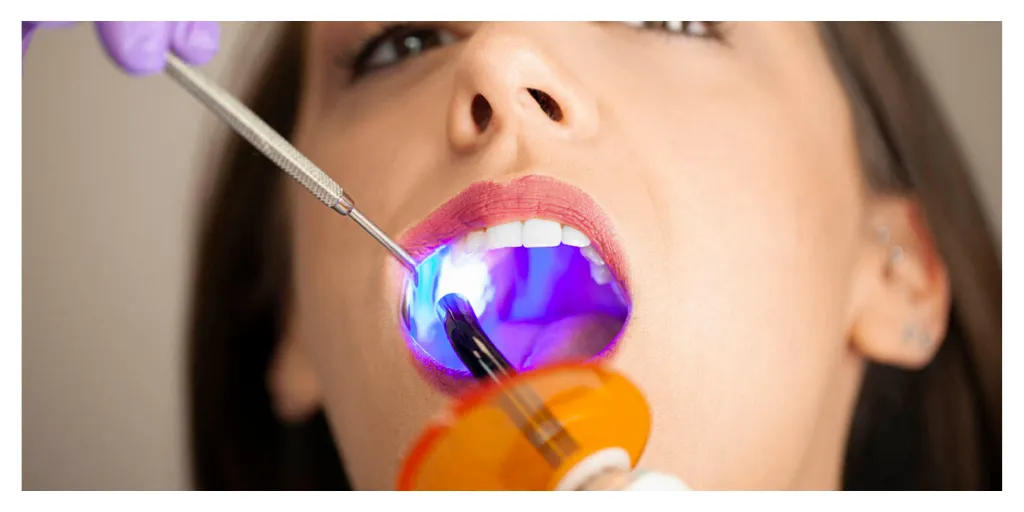
Professional teeth whitening, performed by a dentist, offers the most effective and controlled results. Dentists use higher concentrations of bleaching agents than at-home kits, leading to faster and more dramatic results. The dentist will also take precautions to protect your gums and minimize the risk of sensitivity. The procedure typically involves applying the whitening agent to your teeth and using a special light or laser to accelerate the bleaching process. In-office whitening sessions usually take about an hour and can significantly brighten your smile in a single visit. Professional teeth whitening is a safe and efficient way to achieve a noticeably whiter smile under the supervision of a trained professional. Also, your dentist will be able to monitor and manage any side effects.
At-Home Teeth Whitening Kits
At-home teeth whitening kits offer a convenient and more affordable option for brightening your smile. These kits typically contain bleaching trays and a whitening gel, which you apply to your teeth for a specified amount of time each day. At-home kits are available over-the-counter or can be prescribed by your dentist. While they generally use lower concentrations of bleaching agents than professional treatments, they can still produce noticeable results over time. It’s essential to follow the instructions carefully to avoid any potential side effects and to achieve the best possible results. If you are using at-home teeth whitening, you should speak to your dentist to make sure it is a good fit for your oral health and to know what to expect.
Making the Right Choice for Your Smile
Choosing the right teeth whitening option depends on your individual needs, preferences, and budget. Consider the level of brightness you want to achieve, your sensitivity to dental procedures, and your overall oral health. If you’re looking for the most dramatic results and have the budget for it, professional teeth whitening may be the best choice. If you are looking for a more affordable option, at-home kits can be effective. Remember that maintaining good oral hygiene is essential for preserving the results of your teeth whitening treatment. Consult with your dentist to discuss your options and determine the best approach for your smile. By carefully weighing the pros and cons and considering your unique circumstances, you can make an informed decision that will help you achieve a brighter, more confident smile.