What Orthodontists Do Beyond Braces
Orthodontists are specialists in dentistry who focus on correcting misaligned teeth and jaws. While their primary role revolves around straightening teeth with braces, aligners, and other appliances, their expertise often extends to various cosmetic procedures to enhance a patient’s smile. Many patients visit an orthodontist not only for teeth straightening but also to address other aesthetic concerns, including teeth whitening. This is because a straight, healthy smile is often complemented by brighter, whiter teeth, and orthodontists are well-equipped to provide such comprehensive care. Their understanding of oral health, tooth structure, and cosmetic dentistry makes them a suitable choice for those seeking teeth whitening alongside orthodontic treatment.
Teeth Whitening Services Offered by Orthodontists
Orthodontists often offer professional teeth whitening services to complement their orthodontic treatments. These services can vary but generally include in-office whitening and take-home whitening kits. In-office whitening involves a more concentrated bleaching agent applied by the orthodontist, yielding faster and more dramatic results. Take-home kits typically include custom-fitted trays and a lower concentration bleaching agent, allowing patients to whiten their teeth at their convenience over a specified period. The availability of these services provides patients with a convenient way to achieve a brighter, more attractive smile, enhancing the overall results of their orthodontic treatment.
The Benefits of Getting Teeth Whitening from an Orthodontist

Choosing an orthodontist for teeth whitening offers several advantages. Firstly, orthodontists have a thorough understanding of oral health and can ensure the whitening treatment is safe and effective for your specific needs. They can assess your teeth and gums to determine if whitening is appropriate, considering factors like existing dental work or tooth sensitivity. Secondly, getting whitening from an orthodontist provides a coordinated approach to your dental care. If you’re undergoing orthodontic treatment, the orthodontist can integrate the whitening process seamlessly, ensuring the best possible aesthetic outcome. Furthermore, orthodontists use professional-grade products and techniques, delivering superior results compared to over-the-counter options. Finally, they can provide personalized guidance on aftercare and maintenance, helping you maintain your bright smile for longer.
Types of Teeth Whitening Treatments Offered
Orthodontists offer various teeth whitening treatments tailored to individual needs and preferences. In-office whitening is a popular choice, involving a high-concentration bleaching agent applied directly to the teeth under professional supervision. This method typically yields immediate results, often brightening teeth several shades in a single session. Another option is take-home whitening kits, which include custom-fitted trays and a lower concentration bleaching agent. These kits allow patients to whiten their teeth at their convenience, following the orthodontist’s instructions. Orthodontists may also offer whitening toothpaste and other products as part of a comprehensive whitening plan, providing ongoing maintenance and support. The best treatment option depends on factors such as the patient’s desired results, sensitivity levels, and lifestyle.
Professional Teeth Whitening vs Over-the-Counter Options
Professional teeth whitening, offered by orthodontists, provides several advantages over over-the-counter (OTC) options. Professional treatments use stronger bleaching agents, yielding more dramatic and quicker results. Orthodontists can also customize the treatment to suit your individual needs, ensuring a safe and effective approach. OTC products, such as whitening strips and toothpastes, often contain lower concentrations of bleaching agents and may not be as effective for stubborn stains. Furthermore, OTC products may not be suitable for everyone, especially those with sensitive teeth or existing dental work. Professional whitening also includes personalized guidance and aftercare instructions from your orthodontist, maximizing the longevity of your results and minimizing potential risks.
The Process of Teeth Whitening at an Orthodontist’s Office

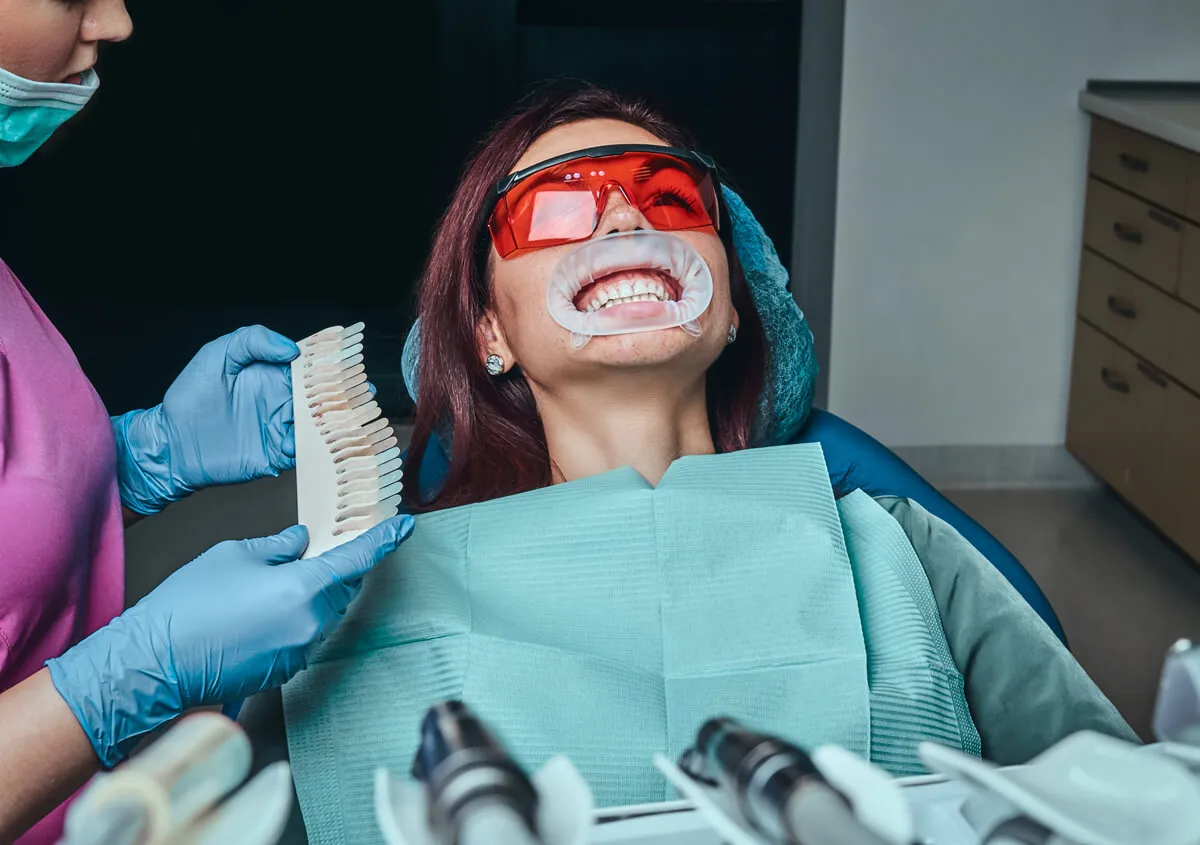
The teeth whitening process at an orthodontist’s office typically involves several steps. First, a thorough examination of your teeth and gums is conducted to assess your oral health and determine if whitening is appropriate. Next, your teeth will be cleaned to remove any plaque or surface stains, ensuring the bleaching agent can effectively penetrate the enamel. If in-office whitening is chosen, a protective barrier is applied to your gums to prevent irritation. The whitening agent is then applied to your teeth, and a special light may be used to enhance the bleaching process. After a set period, the agent is removed, and your teeth are rinsed. For take-home kits, custom-fitted trays are provided, along with instructions on how to apply the bleaching agent at home.
Pre-Whitening Preparation
Prior to undergoing teeth whitening, there are several preparatory steps to ensure the best possible outcome. Your orthodontist will conduct a comprehensive oral examination to identify any existing dental issues, such as cavities or gum disease, which need to be addressed before whitening. A professional cleaning will be performed to remove any surface stains and plaque, allowing the bleaching agent to penetrate the enamel effectively. Your orthodontist may also discuss your expectations and goals for whitening, helping you understand the realistic results you can expect. If you have sensitive teeth, your orthodontist might recommend using a desensitizing toothpaste for a couple of weeks before the procedure to minimize discomfort.
The Whitening Procedure
The whitening procedure itself varies depending on the type of treatment. In-office whitening involves the application of a high-concentration bleaching agent to your teeth, which is then activated by a special light or laser. The orthodontist will carefully monitor the process, reapplying the agent as needed to achieve the desired shade. Take-home whitening kits involve wearing custom-fitted trays filled with a lower concentration bleaching agent for a specified amount of time each day. The orthodontist will provide detailed instructions on how to use the kit and monitor your progress. Regardless of the method, the orthodontist will ensure your safety and comfort throughout the process, addressing any concerns or sensitivity you may experience.
Post-Whitening Care and Maintenance

Proper post-whitening care is essential to maintain your brighter smile. Immediately after whitening, it’s crucial to avoid foods and drinks that can stain your teeth, such as coffee, tea, red wine, and dark-colored berries. You should also avoid smoking, as it can quickly reverse the whitening effects. Your orthodontist will provide specific instructions on how to care for your teeth after the procedure, including recommendations for toothpaste and mouthwash. Regular dental check-ups and cleanings are also essential to keep your teeth healthy and maintain the results of the whitening treatment. Additionally, consider touch-up treatments as recommended by your orthodontist to keep your smile radiant.
Factors Influencing the Effectiveness of Teeth Whitening
Several factors can influence the effectiveness of teeth whitening. The type and severity of stains play a significant role; extrinsic stains caused by food and drinks respond well to whitening, while intrinsic stains, such as those caused by tetracycline or aging, may be more challenging to treat. Your natural tooth shade also impacts the outcome; teeth that are naturally more yellow tend to whiten better than those that are gray. The concentration of the bleaching agent and the duration of the treatment are also critical factors. Furthermore, your oral hygiene habits, including brushing, flossing, and regular dental check-ups, can affect the longevity of the whitening results. Following your orthodontist’s instructions and maintaining a healthy lifestyle will maximize the effectiveness of the treatment.
The Role of Orthodontic Appliances in Whitening
If you are undergoing orthodontic treatment with braces or aligners, the presence of these appliances can influence the teeth whitening process. Whitening treatments may be more challenging with braces, as the bleaching agent cannot reach the entire tooth surface evenly. Your orthodontist may recommend whitening before or after your braces are removed or suggest specific techniques to minimize uneven whitening. With aligners, the whitening process can be more straightforward, as the aligners can be used to deliver the bleaching agent to the teeth. However, it is essential to follow the orthodontist’s instructions carefully to avoid any adverse effects on the aligners or teeth. The orthodontist will tailor the whitening plan to complement your orthodontic treatment, ensuring the best possible aesthetic outcome.
Managing Sensitivity After Whitening

Tooth sensitivity is a common side effect of teeth whitening, but it is usually temporary. Orthodontists can provide strategies to manage sensitivity and minimize discomfort. They may recommend using a desensitizing toothpaste containing potassium nitrate or fluoride, which helps to block the nerve endings in your teeth. Avoiding extremely hot or cold foods and drinks for a few days after the whitening treatment can also help reduce sensitivity. Your orthodontist might also suggest using fluoride treatments or gels to strengthen your enamel and alleviate sensitivity. If the sensitivity persists or becomes severe, contact your orthodontist for further guidance and treatment options.
Cost of Teeth Whitening by Orthodontists
The cost of teeth whitening by an orthodontist can vary depending on several factors, including the type of treatment, the geographical location, and the orthodontist’s fees. In-office whitening tends to be more expensive than take-home kits due to the professional expertise and specialized equipment involved. The number of whitening sessions needed to achieve the desired results can also impact the overall cost. It’s essential to discuss the cost and payment options with your orthodontist during your consultation. Many orthodontists offer flexible payment plans or financing options to make teeth whitening more affordable. Remember to factor in the long-term benefits of a brighter smile, as well as the potential cost savings of professional whitening compared to ineffective over-the-counter products.
Finding a Qualified Orthodontist for Whitening
Choosing a qualified orthodontist is essential for safe and effective teeth whitening. When searching for an orthodontist, consider their experience and credentials. Look for an orthodontist who is board-certified and has a strong track record of successful teeth whitening treatments. Read online reviews and ask for referrals from friends, family, or your general dentist. During your consultation, ask the orthodontist about their whitening procedures, the products they use, and the potential risks and benefits. Ensure the orthodontist takes the time to understand your goals and provides personalized recommendations. A good orthodontist will prioritize your oral health and well-being, ensuring a positive and satisfying experience.
What to Ask Your Orthodontist About Whitening

During your consultation with an orthodontist, it’s important to ask relevant questions about teeth whitening to make informed decisions. Inquire about the different types of whitening treatments offered, the pros and cons of each, and which one is best suited for your needs. Ask about the specific bleaching agents used and their concentrations. Find out about the potential risks and side effects of whitening, such as tooth sensitivity, and how the orthodontist manages them. Ask about the expected results, the duration of the treatment, and the maintenance required to keep your smile bright. Also, inquire about the cost, payment options, and any aftercare instructions. By asking these questions, you can ensure you are well-informed and comfortable with the whitening process.
The Importance of Oral Health Before Whitening
Maintaining good oral health is crucial before undergoing teeth whitening. If you have any underlying dental issues, such as cavities or gum disease, they need to be addressed before whitening. The whitening agent can irritate or exacerbate these conditions, leading to discomfort or complications. Your orthodontist will conduct a thorough examination of your teeth and gums to identify any existing problems and recommend appropriate treatment. Regular brushing, flossing, and dental check-ups are essential to keep your teeth and gums healthy. A healthy oral environment ensures the whitening treatment is safe and effective and helps you achieve the best possible results. Prioritizing oral health not only enhances your smile but also contributes to your overall well-being.
Long-Term Maintenance for a Brighter Smile
Maintaining your brighter smile requires ongoing care and maintenance. After your whitening treatment, avoid foods and drinks that can stain your teeth, such as coffee, tea, red wine, and dark-colored berries. Brush and floss your teeth regularly, and use a whitening toothpaste to help remove surface stains. Consider using a straw when drinking staining beverages to minimize contact with your teeth. Schedule regular dental check-ups and cleanings to keep your teeth healthy and remove any accumulated stains. Your orthodontist may recommend touch-up treatments as needed to maintain your desired level of whiteness. By following these guidelines, you can enjoy a brighter, more confident smile for years to come.