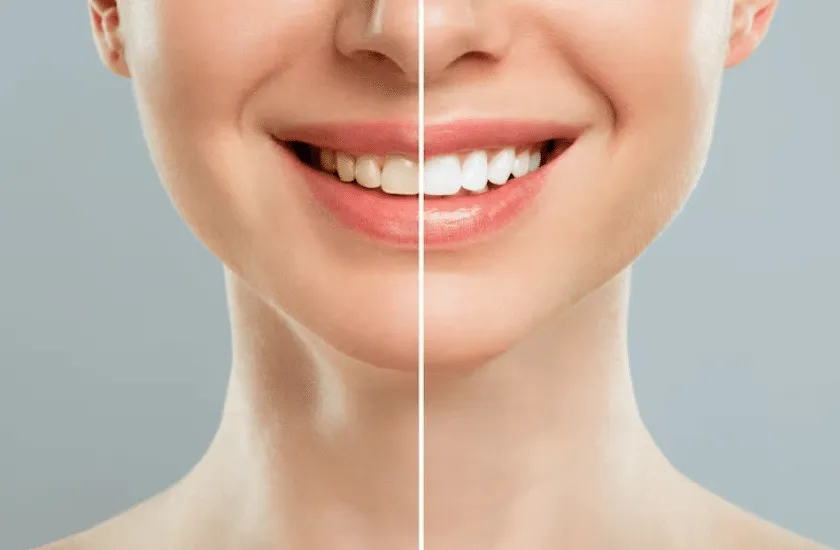
Foods to Eat After Teeth Whitening An Overview
Undergoing teeth whitening is a significant step towards achieving a brighter, more confident smile. However, the journey doesn’t end with the procedure itself. What you eat after teeth whitening plays a crucial role in maintaining and maximizing the results. Choosing the right foods can help prevent stains, protect your enamel, and ensure your teeth stay dazzling for as long as possible. This guide will walk you through the foods to embrace and those to avoid, ensuring you make informed decisions for optimal oral health. Understanding the impact of your dietary choices is essential for anyone looking to keep their teeth looking their best after a whitening treatment.
Why Diet Matters After Teeth Whitening
Immediately after teeth whitening, your enamel is more porous and susceptible to staining. This is because the whitening process opens the pores in your teeth, making them vulnerable to color pigments from food and drinks. For the first 24 to 72 hours, your teeth are particularly vulnerable. Therefore, adhering to a ‘white diet’ is crucial to prevent discoloration and maintain the whitening effect. This period allows your teeth to remineralize and rehydrate, which helps to seal the pores and reduce the risk of stains. Following the guidelines carefully will significantly impact the longevity and effectiveness of your teeth whitening results.
Foods to Eat & Why

White or Light-Colored Foods
Focusing on light-colored foods is the cornerstone of the post-whitening diet. These foods have minimal color pigments that could stain your teeth. Incorporating them into your meals ensures that you’re not inadvertently reintroducing staining agents during this critical recovery period. The following are some great choices that support your goal of maintaining a brilliant smile, allowing you to eat with confidence while protecting your teeth from unwanted discoloration.
Chicken or Turkey
Plain, skinless chicken or turkey breast is an excellent source of protein without the risk of staining. These lean meats are typically white and won’t cause any discoloration to your teeth. They are also easy to digest and provide essential nutrients that support overall health. Steaming, baking, or grilling these meats without dark sauces or marinades is ideal. Chicken and turkey also offer versatility in terms of preparation, making them a staple in a post-whitening diet.
White Rice

White rice serves as a bland but safe carbohydrate choice. It lacks the strong pigments found in other grains and is easily digestible. It provides energy without the risk of staining. Pairing white rice with other safe foods, such as chicken or turkey, can create a satisfying and teeth-friendly meal. To make it more appealing, consider adding herbs like parsley or dill for flavor, ensuring no dark sauces are added.
Pasta
Pasta is another safe carbohydrate option, provided you avoid dark sauces. Plain pasta, such as spaghetti or penne, can be a filling and versatile choice. Serve it with a creamy white sauce or olive oil and herbs. Be mindful of the ingredients in your sauce to avoid anything with strong coloring agents like tomato sauce or pesto. Pasta offers a base for a variety of light-colored toppings.
Dairy Products
Dairy products are not only teeth-friendly but also beneficial for oral health. They contain calcium, which helps strengthen your teeth. Including these in your diet can provide essential nutrients while keeping your teeth safe from staining agents.
Milk and Yogurt

Milk and yogurt are excellent choices due to their light color and high calcium content. They are gentle on your teeth and contribute to overall oral health. Unflavored yogurt is preferable, as flavored yogurts often contain added sugars and colorings. Milk can be consumed on its own or added to other safe foods, like cereal made from white rice or pasta.
Cottage Cheese
Cottage cheese provides a protein-rich option that is also light in color. It is easy to eat and can be paired with other safe foods, such as pears or bananas, for a satisfying snack. The calcium content in cottage cheese further supports the strength of your teeth, complementing the whitening treatment.
Fruits & Vegetables
Certain fruits and vegetables are acceptable due to their light color and gentle nature. These choices ensure you’re getting essential vitamins and minerals without jeopardizing your teeth whitening results.
Bananas

Bananas are a safe choice, offering natural sweetness and important nutrients. Their light color prevents any risk of staining, making them ideal for snacking. Bananas are also soft, so they won’t cause any discomfort to sensitive teeth immediately after whitening. They are a convenient and healthy option that fits well into the post-whitening diet.
Cooked Apples
Cooked apples, like in applesauce, are another viable option. Cooking them reduces the color pigment concentration, making them safer than raw apples. They provide fiber and vitamins without the risk of staining. Be sure to choose varieties without added colorings or spices to maintain the benefits of your teeth whitening treatment.
Cauliflower
Cauliflower is a versatile vegetable that poses no threat to your whitening results. Its pale color and gentle texture make it a safe choice, whether eaten raw or cooked. You can enjoy cauliflower in various forms, such as steamed, roasted, or as a base for other safe dishes, without worrying about any unwanted discoloration.
Foods to Avoid After Teeth Whitening

Avoiding certain foods is equally important to protect your newly whitened teeth. These foods contain pigments that can easily stain your teeth during the period when they are most vulnerable. Sticking to a diet that excludes these items is crucial for maximizing the longevity and effectiveness of your teeth whitening treatment.
Foods That Can Stain Teeth
Foods and drinks with intense colors should be strictly avoided. These items are notorious for causing stains and reversing the effects of teeth whitening. It’s essential to know which items to avoid and understand why, as this awareness is the first step in protecting your bright new smile.
Coffee & Tea
Coffee and tea are highly staining beverages. Their dark pigments can quickly seep into the porous enamel of your teeth, leading to discoloration. Avoiding them during the initial phase of your post-whitening diet is critical. If you must consume caffeine, consider drinking it through a straw to minimize contact with your teeth or switching to clear alternatives, such as herbal tea.
Red Wine

Red wine is another major culprit for staining teeth. Its deep red color comes from pigments that easily adhere to your enamel. Even a small amount of red wine can cause staining, so it’s best to avoid it completely during the critical post-whitening period. Opting for white wine might seem like a safe alternative, but it can still have acidity that might impact the results of your treatment.
Dark Sodas
Dark sodas, such as cola and other carbonated drinks, are highly acidic and contain dark pigments that can stain teeth. The combination of acidity and color makes them particularly damaging to newly whitened teeth. These drinks should be entirely avoided to protect your investment in teeth whitening and maintain your radiant smile.
Darkly Colored Fruits & Vegetables
Certain fruits and vegetables with intense colors can also stain your teeth. It’s important to know which ones to avoid to prevent your teeth from becoming discolored, ensuring your results last.
Berries
Berries, such as blueberries, blackberries, and raspberries, are rich in antioxidants but also contain strong pigments that can stain teeth. Their dark colors can easily be absorbed by the porous enamel, negating the effects of teeth whitening. These fruits should be avoided during the sensitive post-whitening period to maintain your bright smile.
Beets
Beets have a very strong pigment that can quickly stain teeth. Their intense color can leave a noticeable discoloration, ruining the results of your teeth whitening treatment. Any dish containing beets should be avoided until your teeth have fully remineralized and are less susceptible to staining.
Tomatoes
Tomatoes, whether raw or in sauce form, are acidic and contain pigments that can stain teeth. Their vibrant color can easily transfer to your enamel, reversing the effects of teeth whitening. Tomato-based products should be avoided. Choose instead safer alternatives to keep your smile looking bright and white.
Other Considerations
Beyond specific foods, other factors influence the success of your teeth whitening treatment. These include maintaining hydration and practicing good oral hygiene. Paying attention to these details will optimize the results of your teeth whitening and promote overall oral health.
Hydration and Oral Hygiene
Proper hydration and oral hygiene are crucial for maintaining your bright smile. Drinking plenty of water helps to rinse away food particles and saliva. Proper oral hygiene, including gentle brushing, ensures that your teeth stay healthy and free from staining agents.
Importance of Drinking Water
Drinking water is essential for several reasons after teeth whitening. It helps to keep your mouth clean by rinsing away food particles and bacteria, reducing the risk of staining. Water also aids in the rehydration of your teeth, helping to seal the enamel pores and making them less susceptible to stains. Aim to drink plenty of water throughout the day, especially after meals.
Gentle Brushing Techniques
Brushing your teeth gently is important to avoid irritating your gums or damaging your enamel after teeth whitening. Use a soft-bristled toothbrush and fluoride toothpaste. Brush gently and avoid excessive pressure. Flossing daily is also essential to remove plaque and food particles from between your teeth, preventing staining and maintaining optimal oral health.
Maintaining Your Bright Smile
Maintaining your bright smile after teeth whitening involves a combination of careful dietary choices, diligent oral hygiene, and, if necessary, occasional touch-up treatments. Adhering to the recommended diet for the first few days and weeks post-whitening is the most important step. Practicing consistent oral hygiene is crucial for maintaining the results and preventing future discoloration. With the right approach, you can enjoy a brighter, more confident smile for years to come. Regular dental check-ups and professional cleanings are also important to sustaining the results of your teeth whitening procedure.