Teeth Whitening Facts Top 5
Achieving a brighter, whiter smile is a goal for many, and teeth whitening has become a popular cosmetic procedure. But with so many options and claims, it’s important to understand the facts behind teeth whitening. This guide explores the top 5 essential facts you should know, helping you make informed decisions about your oral health and the pursuit of a dazzling smile. From understanding the science to choosing the right methods, we’ll cover everything you need to know to navigate the world of teeth whitening confidently. Let’s dive into the world of teeth whitening, demystifying the process and providing you with the knowledge you need to achieve the smile of your dreams. Discover the secrets to a radiant, confident smile that leaves a lasting impression.
Why Teeth Whitening Matters
The pursuit of a brighter smile goes beyond mere aesthetics; it significantly impacts our overall well-being. A recent study revealed that people with whiter teeth are often perceived as more successful, intelligent, and approachable. The way our teeth look plays a crucial role in our self-perception, self-esteem, and social interactions. A dazzling smile can be a powerful tool, boosting your confidence in both personal and professional settings. Whether it’s the first impression or a regular social gathering, your smile is often the first thing others notice. Therefore, the act of whitening your teeth is not just about aesthetics; it is an investment in your self-image, confidence, and the way you present yourself to the world. A brighter, whiter smile is a confidence booster.
Impact on Confidence

Confidence is key to success and happiness, and a radiant smile can significantly boost your self-esteem. A recent survey found that individuals with whiter teeth reported feeling more confident in social situations, professional settings, and even in their dating lives. This enhanced self-image can lead to improved communication skills and a more positive outlook on life. When you are confident in your smile, you are more likely to engage in conversations, make eye contact, and express yourself freely. This confidence can have a ripple effect, positively influencing your personal relationships and professional endeavors. A bright, white smile is often associated with youthfulness, health, and vitality, which further contributes to an individual’s overall sense of well-being and self-assurance. This makes teeth whitening an investment in both your appearance and your self-confidence, promoting a more positive and fulfilling lifestyle.
The Science Behind Teeth Whitening
Understanding the science behind teeth whitening is essential for making informed choices about your treatment. The process generally involves bleaching agents, most commonly hydrogen peroxide or carbamide peroxide, which penetrate the enamel of your teeth. These agents break down the stains and discolorations that accumulate over time. When these bleaching agents come into contact with the stained molecules, they trigger an oxidation process. This reaction breaks down the stain molecules into smaller, less visible components, which effectively lighten the color of your teeth. The effectiveness of teeth whitening depends on several factors, including the type of stains, the concentration of the bleaching agent, and the duration of the treatment. It is important to note that the underlying structure of your teeth is not altered; the process simply removes stains. Understanding this scientific basis allows you to appreciate the effectiveness of the procedure and make informed decisions.
How Teeth Whitening Works
Teeth whitening operates on a straightforward principle, utilizing chemical reactions to lighten the shade of your teeth. The active ingredient in most whitening products is either hydrogen peroxide or carbamide peroxide. These substances act as bleaching agents, capable of oxidizing the organic molecules responsible for stains within the tooth enamel. During a teeth whitening procedure, the bleaching agent comes into contact with the stained molecules. The oxidation process breaks down these molecules into smaller, less visible components. This reduces the intensity of the stains, resulting in a brighter, whiter appearance. The effectiveness of this process depends on the concentration of the whitening agent, the duration of exposure, and the nature of the stains themselves. Different methods, such as in-office treatments and at-home kits, employ various concentrations of these agents to achieve the desired results. Understanding this process provides a foundation for choosing the most appropriate whitening method and setting realistic expectations.
Fact 1 Understanding Whitening Options
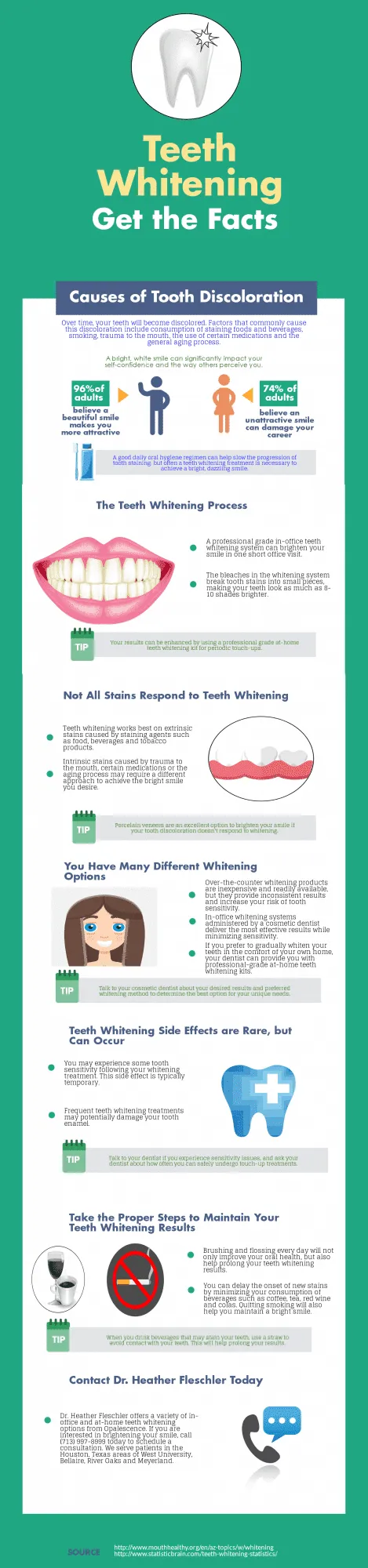
The array of teeth whitening options available can be overwhelming, but understanding the differences is key to making the best choice. Options range from professional in-office treatments to over-the-counter (OTC) products. Professional treatments, performed by a dentist, typically use higher concentrations of bleaching agents, offering faster and more dramatic results. These procedures are also tailored to your specific needs and monitored to minimize any risks. OTC products include whitening toothpaste, strips, and gels, which are generally less potent and may require more time to produce noticeable results. The primary advantages of in-office treatments include speed, safety, and professional guidance. OTC products, on the other hand, offer convenience and cost-effectiveness. The best option depends on your budget, desired results, and the current condition of your teeth. It’s always advisable to consult with a dentist to determine the most suitable option.
In-Office vs At-Home Treatments
The choice between in-office and at-home treatments boils down to your needs, priorities, and lifestyle. In-office treatments, performed by a dental professional, provide the most intensive whitening experience. These treatments use high-concentration bleaching agents that can lighten your teeth several shades in just one session. The dentist will also take precautions to protect your gums and monitor your progress. At-home treatments, such as whitening strips, gels, and trays, offer a more convenient and cost-effective approach. These methods typically use lower concentrations of bleaching agents, and you apply them yourself at home, following the instructions provided. While at-home treatments are generally more affordable, they may require several weeks or months to achieve noticeable results. Your choice should be based on the degree of whitening desired, your budget, and your willingness to commit to a consistent treatment plan. If you have sensitive teeth, in-office treatments may offer better control and supervision.
Fact 2 Types of Teeth Stains
Not all tooth stains are created equal; the type of stain significantly impacts the effectiveness of teeth whitening. Understanding the different types of stains is crucial for setting realistic expectations. There are primarily two categories of stains extrinsic and intrinsic. Extrinsic stains occur on the surface of your teeth and are usually caused by food, drinks, and lifestyle habits. These stains are generally easier to remove with teeth whitening treatments. Intrinsic stains, on the other hand, are located within the tooth structure and are often caused by aging, medications, or trauma. These stains can be more difficult to remove and may require more intensive treatments. Recognizing the type of stain you have allows you to better anticipate the results and choose the most appropriate whitening method. Consulting with a dental professional can help determine the cause of your stains and recommend the most effective treatment approach.
Extrinsic vs Intrinsic Stains

The distinction between extrinsic and intrinsic stains is fundamental to understanding teeth whitening. Extrinsic stains, visible on the surface of your teeth, are typically caused by external factors such as the consumption of coffee, tea, red wine, and tobacco use. These stains accumulate over time and are relatively easy to remove with whitening treatments. Intrinsic stains, on the other hand, originate from within the tooth structure. They can be caused by factors like aging, excessive fluoride exposure during childhood, or the use of certain medications, such as tetracycline. These stains are more deeply embedded and require a more aggressive approach to remove. Understanding the type of stain helps in setting realistic expectations and selecting the appropriate treatment. While extrinsic stains often respond well to over-the-counter products, intrinsic stains may need professional treatments. Therefore, consulting with a dentist to correctly identify the stain type is always a good idea.
Fact 3 The Whitening Process
The teeth whitening process varies depending on the chosen method, but the underlying principles remain consistent. In-office treatments typically involve the dentist applying a high-concentration whitening agent to your teeth. They may also use a special light or laser to accelerate the whitening process. Your gums are protected throughout the procedure to prevent irritation. At-home treatments, like whitening strips or custom trays, involve applying a lower concentration whitening agent for a specified duration. The process usually requires consistent use over several weeks to achieve optimal results. The exact steps and duration depend on the product or treatment method. It’s important to follow the instructions carefully to ensure safety and effectiveness. Regardless of the method, it’s essential to maintain good oral hygiene practices throughout the whitening process.
What to Expect During Treatment
Knowing what to expect during a teeth whitening treatment can help alleviate any concerns and ensure a positive experience. During an in-office treatment, you can anticipate a thorough examination of your teeth, followed by the application of a protective barrier to your gums. The whitening agent is then applied to your teeth, and a special light might be used to enhance the results. The entire procedure typically lasts from 1-2 hours, and you can often see immediate results. For at-home treatments, you’ll receive instructions on how to apply the whitening agent using strips or custom trays. The process usually involves wearing the strips or trays for a specific amount of time each day, typically for several weeks. You may experience some sensitivity in your teeth during or after treatment, but this is usually temporary. It’s important to follow all the instructions provided by your dentist or the product manufacturer for safe and effective results.
Fact 4 Maintaining Your White Smile

Maintaining your newly whitened smile requires consistent effort and adherence to good oral hygiene practices. Regular brushing, flossing, and dental checkups are essential for keeping your teeth bright. After whitening, it’s important to avoid or limit the consumption of foods and drinks that can stain your teeth, such as coffee, tea, red wine, and berries. Smoking and tobacco use should also be avoided, as they can significantly diminish the results of your whitening treatment. Consider using a whitening toothpaste or mouthwash to help maintain the brightness of your teeth. Regular dental cleanings can also help remove surface stains and keep your smile looking its best. Following these steps helps preserve your results and enjoy a radiant smile for years to come. Proper aftercare is key to prolonging the benefits of teeth whitening and maintaining your desired results. A consistent oral hygiene routine contributes greatly to the lasting success of your treatment.
Tips for Long-Lasting Results
To maximize the longevity of your teeth whitening results, several strategies can be employed. First and foremost, practice diligent oral hygiene. This includes brushing your teeth twice a day with a fluoride toothpaste and flossing daily to remove plaque and debris. Regular dental checkups and cleanings are also crucial for removing surface stains and maintaining your teeth’s brightness. Secondly, adjust your dietary habits. Minimize or avoid foods and beverages known to stain teeth, such as coffee, tea, red wine, and dark-colored fruits. If you consume these items, rinse your mouth with water immediately afterward. Thirdly, consider using a whitening toothpaste or mouthwash to help maintain the brightness of your teeth. Lastly, avoid smoking and tobacco use. By following these tips, you can extend the life of your whitening results and enjoy a confident, radiant smile for an extended period.
Fact 5 Safety and Considerations
While teeth whitening is generally safe, it’s crucial to be aware of potential side effects and considerations. The most common side effect is tooth sensitivity, which can range from mild to moderate and is usually temporary. Gum irritation can also occur, particularly with high-concentration treatments or improper application. Individuals with sensitive teeth, gum disease, or existing dental work, such as fillings or crowns, should consult their dentist before undergoing teeth whitening. It’s also important to note that teeth whitening treatments do not whiten existing dental work. Therefore, if you have fillings or crowns on your front teeth, you might need to have them replaced to match your newly whitened teeth. The safety and effectiveness of teeth whitening depend on the quality of the products and methods used, the expertise of the dental professional, and the patient’s oral health condition. Always follow the guidelines provided by your dentist and the product manufacturer.
Potential Side Effects

Understanding the potential side effects of teeth whitening is essential for making informed decisions and managing any discomfort. The most commonly reported side effect is tooth sensitivity, which can range from mild discomfort to more intense sensations. This sensitivity usually occurs during the whitening treatment and may last for a few days afterward. Gum irritation is another potential side effect, particularly if the whitening agent comes into contact with the gums. This irritation can manifest as redness or swelling. In rare cases, some individuals may experience mild throat irritation or other allergic reactions. Most side effects are temporary and resolve shortly after the treatment is completed. To minimize side effects, always follow the instructions provided by your dentist or the product manufacturer. If you experience any severe or persistent side effects, it is crucial to consult with your dentist immediately. Being aware of these potential side effects allows you to prepare and take appropriate measures for a comfortable experience.
Final Thoughts on Teeth Whitening
Teeth whitening offers a transformative solution for achieving a brighter, more confident smile. By understanding the facts about the process, including the different options, the science behind it, and the importance of maintenance, you can make informed decisions and achieve the desired results. A radiant smile can boost your self-esteem, improve your social interactions, and enhance your overall quality of life. With proper care and maintenance, you can enjoy a beautifully whitened smile for years to come. Always consult with a dental professional to determine the best whitening method for your specific needs. Embrace the opportunity to enhance your smile and unlock a more confident and vibrant you.