What Are the Disadvantages of Teeth Whitening?
Teeth whitening is a popular cosmetic procedure that promises a brighter, more confident smile. However, it’s essential to be aware of the potential downsides before undergoing treatment. While teeth whitening can be effective, it’s not without its drawbacks. Understanding these disadvantages will help you make an informed decision and discuss any concerns with your dentist. This article will delve into the top five disadvantages of teeth whitening, providing a comprehensive overview of the potential risks and side effects associated with this cosmetic procedure. By being informed, you can weigh the pros and cons and ensure you’re making the best choice for your oral health.
Sensitivity and Pain after Teeth Whitening
One of the most common side effects of teeth whitening is tooth sensitivity. This can range from mild discomfort to sharp, shooting pains, especially when consuming hot or cold foods and beverages. The whitening agents, typically hydrogen peroxide or carbamide peroxide, penetrate the enamel and can irritate the nerves within the teeth. This sensitivity is usually temporary, subsiding within a few days or weeks after the treatment. However, the intensity of the sensitivity varies from person to person, depending on factors like the concentration of the whitening agent, the duration of treatment, and the individual’s tooth sensitivity levels. Using specialized toothpaste can help with this issue
Causes of Tooth Sensitivity

Tooth sensitivity after teeth whitening occurs primarily because the whitening agents open up the pores in the enamel, allowing the irritants to reach the nerves. Additionally, if the gums recede, the roots of the teeth might become exposed, increasing sensitivity. Pre-existing conditions such as cavities, cracked teeth, or thin enamel can also amplify the sensitivity. Using high concentrations of whitening agents or undergoing frequent treatments can exacerbate the problem. It’s important to note that not everyone will experience sensitivity to the same degree, and some individuals may not experience it at all. However, understanding the causes can help you take preventive measures and manage discomfort if it arises.
How to Manage Teeth Sensitivity
Several strategies can help manage tooth sensitivity after teeth whitening. Using a toothpaste designed for sensitive teeth, containing ingredients like potassium nitrate, can help block the nerve signals that cause pain. Avoiding hot and cold foods and drinks immediately after treatment can also minimize discomfort. Your dentist might recommend fluoride treatments or gels to strengthen the enamel and reduce sensitivity. It’s crucial to follow your dentist’s instructions carefully and avoid overusing whitening products. If the sensitivity persists or becomes severe, consult your dentist for further advice. They might recommend adjustments to your whitening regimen or alternative treatments to address the issue. Proper dental care is key.
Gum Irritation and Inflammation
Another common side effect of teeth whitening is gum irritation and inflammation. This can manifest as redness, swelling, and soreness of the gums. The whitening agents can come into contact with the soft tissues of the gums, causing irritation. This is more likely to occur with at-home whitening kits, where the trays might not fit properly, or with in-office treatments where the protective barriers aren’t properly applied. The severity of gum irritation varies, ranging from mild discomfort to more pronounced inflammation. While generally temporary, it can be an unpleasant experience, impacting your overall oral comfort during the treatment period. Always inform your dentist about any discomfort.
Understanding Gum Irritation

Gum irritation from teeth whitening is caused by the direct contact of whitening agents with the gum tissue. Hydrogen peroxide, the primary whitening agent, can be harsh and cause inflammation. Ill-fitting trays in at-home kits can exacerbate this issue by allowing the gel to seep out and come into contact with the gums. In-office treatments involve stronger concentrations of the whitening agent, increasing the risk of irritation if not properly managed. Poor oral hygiene before or during the treatment can also contribute to gum inflammation. Understanding the cause helps in prevention and management. Proper tray fit and professional application are crucial to minimize this risk.
Treating Gum Irritation
If you experience gum irritation after teeth whitening, several treatments can provide relief. Rinsing your mouth with a saltwater solution several times a day can help soothe the inflamed tissues. Avoiding acidic or spicy foods and beverages can also minimize discomfort. Your dentist might recommend an over-the-counter anti-inflammatory medication or a topical ointment to reduce swelling and soreness. It is crucial to follow your dentist’s instructions and contact them if the irritation becomes severe or persistent. Ensuring proper tray fit and using products as directed can reduce the risk of this side effect. Proper oral hygiene is essential throughout the process.
Uneven Whitening and Results
One of the potential drawbacks of teeth whitening is the possibility of uneven results. This can occur if the whitening agent doesn’t penetrate uniformly throughout the tooth structure. Some teeth might whiten more quickly or more effectively than others, leading to an inconsistent appearance. Certain areas of the teeth, such as those with fillings, crowns, or veneers, won’t whiten at all, as the whitening agents only affect natural tooth enamel. This unevenness can be disappointing for patients expecting a perfectly uniform smile. The outcome can also be influenced by the type of whitening method used, as professional treatments often provide more controlled and consistent results compared to at-home kits.
Why Uneven Whitening Occurs

Uneven whitening results from several factors. The natural variation in tooth enamel thickness and density can cause some teeth to respond better to the whitening treatment than others. Stains and discoloration can be more pronounced in certain areas of the teeth, making them more resistant to whitening. Fillings, crowns, and veneers are made of materials that are not affected by whitening agents. The method of whitening, whether at-home kits or in-office procedures, can also influence the uniformity of the results. Additionally, individual habits, such as smoking or consuming staining foods and drinks, can affect the outcome. Genetics also plays a role, some people’s teeth naturally whiten more easily than others'.
Solutions for Uneven Whitening
Several strategies can address uneven teeth whitening. Your dentist can use professional whitening methods, which provide more controlled and consistent results. They can also use different concentrations of whitening agents or apply the treatment more carefully to address specific areas of the teeth. In cases where fillings, crowns, or veneers are visible, your dentist may recommend replacing these restorations to match the whitened teeth. Veneers or other cosmetic procedures can be used to correct the overall appearance. Maintaining proper oral hygiene, avoiding staining foods and drinks, and following your dentist’s recommendations can also help to optimize your results.
Cost and Maintenance of Teeth Whitening
The cost and the ongoing maintenance required for teeth whitening are significant factors to consider. The initial cost of teeth whitening can vary widely depending on the method used. In-office treatments tend to be more expensive than at-home kits, as they involve professional expertise and advanced technology. Furthermore, the results of teeth whitening are not permanent. Over time, teeth will gradually revert to their original shade or stain from lifestyle factors. Therefore, regular maintenance is needed to maintain the desired brightness. This involves periodic touch-up treatments, which incur additional costs. Understanding both the upfront and ongoing expenses is essential when considering this cosmetic procedure.
Cost Considerations

When considering the cost of teeth whitening, it’s crucial to understand the various components. In-office teeth whitening typically includes the initial consultation, professional application of the whitening agent, and any necessary follow-up visits. At-home kits usually involve the cost of the whitening trays, whitening gel, and sometimes dental impressions. The cost varies based on the dentist’s location, the type of treatment, and the number of treatments required. It’s also important to factor in the cost of maintenance treatments, which can be necessary to maintain the results over time. Comparing the costs of different whitening methods and discussing your budget with your dentist can help you make an informed decision.
Maintenance Requirements
Maintaining the results of teeth whitening requires ongoing effort. The lifespan of the results varies depending on factors like your diet, lifestyle, and oral hygiene habits. To prolong the effects of teeth whitening, it’s crucial to avoid or limit consumption of staining foods and drinks, such as coffee, tea, red wine, and dark-colored berries. Regular brushing and flossing are essential to maintain a bright smile. Your dentist might recommend periodic touch-up treatments to keep your teeth looking their best. The frequency of these touch-ups depends on your individual needs. Maintaining good oral hygiene, coupled with regular dental check-ups, can help you enjoy the benefits of teeth whitening for as long as possible.
Damage to Enamel
While teeth whitening is generally considered safe, excessive or improper use of whitening products can potentially damage the tooth enamel. Enamel is the protective outer layer of the teeth, and it can be weakened by the harsh chemicals in the whitening agents. Overuse of whitening products or using high concentrations of the active ingredients can erode the enamel, making the teeth more vulnerable to decay, sensitivity, and staining. The damage to the enamel is usually irreversible, making it crucial to follow your dentist’s instructions and use whitening products responsibly. Regular dental check-ups can help monitor the health of your enamel and detect any potential issues early on.
What is Enamel Damage?
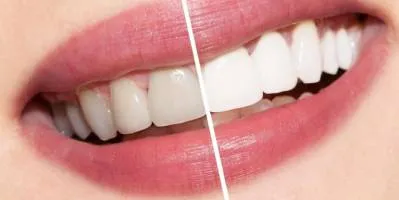
Enamel damage from teeth whitening manifests as a thinning of the enamel layer, making the teeth more porous and susceptible to staining. This can lead to increased tooth sensitivity and an elevated risk of cavities. The enamel may also appear more translucent, revealing the underlying dentin, which can give the teeth a yellowish hue. In severe cases, enamel erosion can lead to structural damage to the teeth, requiring restorative dental treatments. It’s crucial to note that enamel damage is not always immediately noticeable, and it may take time for the effects to become apparent. Proper precautions and professional guidance can minimize the risk.
Preventing Enamel Damage
To prevent enamel damage from teeth whitening, it’s essential to follow the instructions provided by your dentist or the manufacturer of the whitening products. Avoid overuse of whitening products and do not exceed the recommended treatment duration. Using a toothpaste that contains fluoride can help strengthen the enamel and protect against erosion. It is crucial to maintain a healthy diet and practice good oral hygiene habits, including regular brushing, flossing, and dental check-ups. If you experience any sensitivity or discomfort during the whitening process, consult your dentist immediately. Professional teeth whitening performed by a dentist is often the safest option, as they can monitor your teeth and adjust the treatment accordingly.
Final Thoughts on Teeth Whitening Disadvantages
Teeth whitening can be an effective way to enhance your smile, but it’s essential to be aware of the potential disadvantages. Tooth sensitivity, gum irritation, uneven results, the cost of treatment and maintenance, and potential enamel damage are all factors to consider. By understanding these risks and consulting with your dentist, you can make an informed decision and determine whether teeth whitening is right for you. Your dentist can help you choose the most appropriate whitening method, provide guidance on safe and effective use, and address any concerns you might have. Maintaining good oral hygiene, following your dentist’s instructions, and being realistic about the results will help ensure a positive experience and a brighter, healthier smile. Remember to prioritize your oral health and seek professional guidance to mitigate risks.