Teeth Whitening Cost with Insurance Overview
Achieving a brighter smile is a common goal, and teeth whitening has become a popular cosmetic procedure. However, the cost of teeth whitening can vary significantly, and understanding the factors that influence the price, along with how dental insurance plays a role, is essential. This article provides a comprehensive overview of teeth whitening costs, explores ways to save money, and guides you through the process of maximizing your insurance benefits. By understanding the various options available and how they impact your budget, you can make informed decisions and achieve a dazzling smile without breaking the bank. Remember that while a whiter smile is desirable, it’s crucial to prioritize your overall oral health and consult with a dentist to determine the best and safest teeth whitening approach for your specific needs and circumstances.
Types of Teeth Whitening Procedures
Teeth whitening procedures are available in various forms, each with its own cost implications. Understanding the different types of whitening treatments will help you make an informed choice based on your budget and desired results. The two main categories include in-office whitening, performed by a dental professional, and at-home whitening kits, which you can use in the comfort of your own home. Both options utilize bleaching agents, but the concentration and application methods differ significantly, affecting both cost and effectiveness. Your dentist can recommend the best option for you depending on the shade of your teeth.
In-Office Whitening

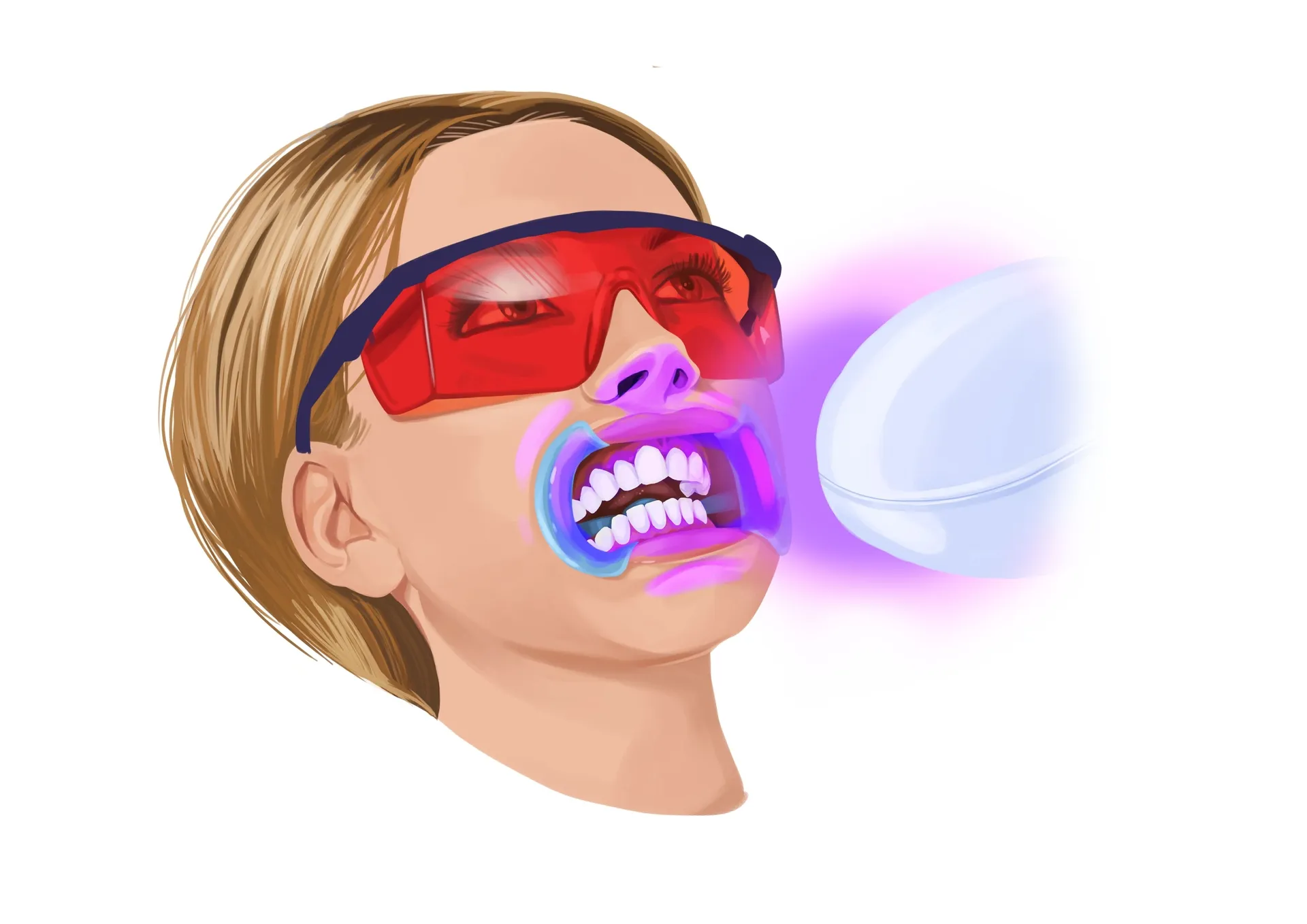
In-office teeth whitening, also known as professional teeth whitening, is a procedure conducted in a dental office under the supervision of a dentist. This method typically involves the use of a high-concentration bleaching agent, often hydrogen peroxide, applied directly to the teeth. The dentist may also use a special light or laser to enhance the whitening process. Because of the professional setting and the stronger bleaching agents used, in-office whitening generally yields faster and more dramatic results compared to at-home methods. The cost of in-office whitening is higher than at-home options. However, it is also considered the safest way to whiten your teeth, and it can be more effective for stubborn stains or significant discoloration. The cost will depend on the expertise of the dentist, and the location where you live.
At-Home Whitening Kits
At-home whitening kits offer a more budget-friendly alternative to in-office treatments. These kits typically contain lower concentrations of bleaching agents and are designed for use at home. There are several types of at-home whitening options available, including whitening strips, custom-fitted trays, and over-the-counter gels. Whitening strips are easy to use and readily available at most drugstores. Custom-fitted trays, often provided by your dentist, offer a more personalized approach and better coverage, leading to more consistent results. Over-the-counter gels and toothpastes are also available, but these usually contain even lower concentrations of whitening agents and may take longer to produce noticeable results. The cost of at-home kits varies, depending on the type and brand, but they are generally much cheaper than in-office whitening. Effectiveness depends on the type of product purchased, and how closely you follow instructions.
Cost Comparison Table
To better understand the cost differences, here’s a comparison table of common teeth whitening options. Please note that prices are estimates and can vary based on location and specific dental practices.
- In-Office Whitening Price range $500 - $1,000+ per session
- At-Home Whitening Kits: Whitening Strips $20 - $50, Custom Trays with Gel $100 - $400, Whitening Toothpaste $5 - $20
- Professional Maintenance: $50 - $100+ per tube of gel
Factors Influencing Teeth Whitening Costs

Several factors can influence the cost of teeth whitening procedures. Understanding these elements will help you anticipate the expenses and make informed decisions. The cost will depend on the factors listed below, and it’s important to shop around and seek the best value.
Location and Dentist’s Fees
The geographic location of the dental practice significantly impacts the cost of teeth whitening. Dental practices in urban areas and regions with a higher cost of living typically charge more for services, including teeth whitening, due to higher overhead costs, such as rent, salaries, and supplies. The dentist’s experience, qualifications, and reputation also influence fees. Highly experienced or specialized dentists may charge more for their services, but they can also offer more advanced techniques and a higher level of care. When researching teeth whitening options, be sure to compare prices from different dental practices in your area to find the most competitive rates.
Type of Whitening Procedure
The specific type of teeth whitening procedure you choose has a direct impact on the cost. As discussed earlier, in-office whitening is generally more expensive than at-home methods due to the use of professional-grade materials, specialized equipment, and the dentist’s expertise. At-home whitening kits, such as strips and custom trays, offer more affordable options. However, the cost can vary among different brands and products. Custom trays provided by a dentist typically cost more than over-the-counter strips but can also yield better and more consistent results. The decision on which type of whitening procedure to select should be based on your budget, desired results, and the recommendation of your dentist.
Severity of Discoloration

The severity and type of tooth discoloration affect the overall cost of teeth whitening. Individuals with more severe stains, such as those caused by tetracycline use or intrinsic discoloration, may require more extensive and costly treatments. For example, stubborn stains may necessitate multiple in-office whitening sessions or the use of stronger bleaching agents. In some cases, individuals with severe discoloration may not be good candidates for whitening and may need alternative cosmetic dental procedures, such as veneers, which are more expensive. Consulting with your dentist will help you understand the best whitening approach and the associated costs based on your specific situation.
Insurance Coverage for Teeth Whitening
Dental insurance coverage for teeth whitening is a common area of confusion, as most standard dental insurance plans consider teeth whitening a cosmetic procedure, and therefore, do not cover it. However, understanding how insurance works and exploring potential coverage options can help you reduce the out-of-pocket expenses. It’s essential to review your specific insurance plan details and consult with your insurance provider to determine the extent of your coverage.
What Dental Insurance Typically Covers
Most dental insurance plans do not cover the cost of teeth whitening procedures. However, some plans may offer limited coverage or discounts for cosmetic treatments, so it is always best to check your policy. In some cases, if the tooth discoloration is due to an underlying medical condition or trauma, some plans may cover a portion of the whitening treatment. Always verify the details with your insurance provider before proceeding with any teeth whitening procedure. In cases where teeth whitening is not covered, other dental services, such as routine check-ups and cleanings, are typically covered.
How to Maximize Insurance Benefits

Even if your insurance doesn’t cover teeth whitening directly, there are ways to maximize your benefits and potentially reduce the overall cost. Start by thoroughly reviewing your dental insurance policy to understand your coverage for preventive care, such as check-ups and cleanings. Maintaining good oral health can help prevent issues that may lead to discoloration. Consider using your dental insurance to cover other necessary dental procedures that might improve your overall oral health, allowing you to budget separately for the teeth whitening. Additionally, inquire with your dentist about any payment plans or financing options they may offer to spread the cost of treatment over time. Finally, be proactive in communicating with your insurance provider and dentist to ensure you understand your coverage and options fully.
Finding Affordable Teeth Whitening Options
Even if your budget is limited, there are still several options for teeth whitening. By exploring different avenues and comparing prices, you can achieve a brighter smile without overspending. Always consult with a dentist to determine the best approach. They may recommend different options to help make the process more budget-friendly.
Teeth Whitening Deals and Discounts
Many dental practices and cosmetic clinics offer deals and discounts on teeth whitening procedures throughout the year. Check for seasonal promotions, such as holiday specials or discounts during slower months. Some practices offer package deals that include multiple whitening sessions or a combination of services, which can provide significant cost savings. Always inquire about potential discounts when scheduling your appointment. Online platforms and coupon websites may also feature deals on teeth whitening services or at-home whitening kits. Be sure to research these options and read reviews to ensure the quality and safety of the products or services.
Payment Plans and Financing Options

If you cannot afford to pay for teeth whitening upfront, consider payment plans or financing options. Many dental practices partner with third-party financing companies to offer flexible payment plans that allow you to spread the cost of treatment over several months or years. These plans often come with low-interest rates, making it easier to manage your budget. Discuss these options with your dentist and inquire about any in-house financing options. Credit cards with low-interest rates or special healthcare financing cards are another option. Be sure to review the terms and conditions of any financing plan before committing, paying attention to interest rates, fees, and repayment schedules.
Tips to Reduce Teeth Whitening Costs
Reducing the cost of teeth whitening involves several steps. Careful planning, research, and smart choices can help you achieve a brighter smile without exceeding your budget. You can start with a consultation with a dentist, and ask the cost of each option. This will help you get an understanding of the process and cost. This will help you choose the best option for your needs, and avoid any surprises when it comes to the final costs.
Maintaining White Teeth
Once you achieve a whiter smile, taking steps to maintain the results is essential for long-term success and to avoid costly touch-ups. This is essential for extending the value of your whitening treatment. Following a good oral hygiene routine is crucial, and this includes brushing your teeth at least twice a day with a whitening toothpaste, flossing daily, and using mouthwash. Avoiding foods and drinks that stain teeth, such as coffee, tea, red wine, and certain types of berries, can help prevent discoloration. If you do consume these items, rinsing your mouth with water immediately afterward can minimize staining. Regular dental check-ups and professional cleanings will also help maintain your bright smile.
Consultation and Questions

Before you undergo any teeth whitening procedure, scheduling a consultation with a dentist is highly recommended. During the consultation, the dentist will assess your oral health, discuss your goals, and recommend the most suitable whitening treatment based on your needs. You’ll have the opportunity to ask questions about the procedures, costs, potential risks, and expected results. Asking specific questions about the cost of teeth whitening, available payment options, and whether your insurance plan offers any coverage or discounts is essential. Clear communication with your dentist will help you make informed decisions and achieve the best results for your smile.
Teeth whitening costs vary based on the procedure type, location, and the severity of the discoloration. Most dental insurance plans do not cover teeth whitening, but you can explore options like payment plans, deals, and at-home kits to save money. Maintain your white teeth by practicing good oral hygiene and avoiding stain-causing foods. Consulting with a dentist allows you to determine the best and most affordable teeth whitening options for your specific needs. With careful planning and the right approach, you can achieve a brighter smile without overspending.