Teeth Whitening After Avocado Overview
Teeth whitening is a popular cosmetic procedure that brightens your smile, but it requires careful consideration of your diet afterward. This is especially true for food and drinks that can stain your teeth, potentially undoing the whitening process. One common question that arises is ‘Can you eat avocado after teeth whitening?’ This article will delve into the complexities of this question, providing a comprehensive guide to help you maintain your newly whitened teeth while still enjoying your favorite foods. Understanding the relationship between your diet and teeth whitening results is crucial for achieving and preserving a brighter, more confident smile. We’ll explore the science behind teeth whitening, the impact of food on your teeth, and how to incorporate avocado, a nutrient-rich food, into your diet without compromising your results.
Understanding Teeth Whitening Procedures
How Teeth Whitening Works
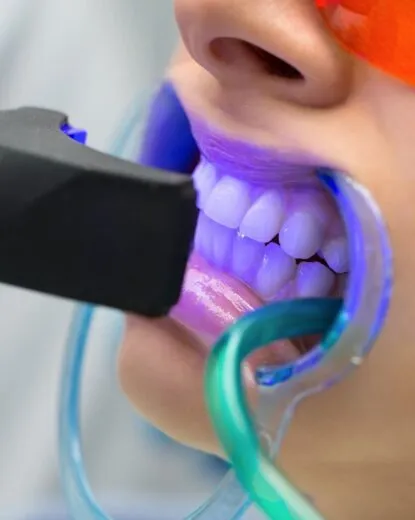
Teeth whitening involves using bleaching agents, typically hydrogen peroxide or carbamide peroxide, to break down stain molecules within the enamel of your teeth. These agents penetrate the enamel and dentin layers, reacting with the stain to make them less visible. The effectiveness of the process depends on the concentration of the bleaching agent, the duration of its application, and the individual’s tooth structure. The process does not permanently change the color of your teeth; it simply removes or lightens the stains. Post-whitening care is essential to prevent new stains from forming and to maintain the results. The goal is to minimize the intake of substances that can cause staining, allowing the whitening effect to last longer and your smile to remain radiant. Regular dental check-ups and adherence to dietary guidelines are key components of aftercare.
Types of Teeth Whitening
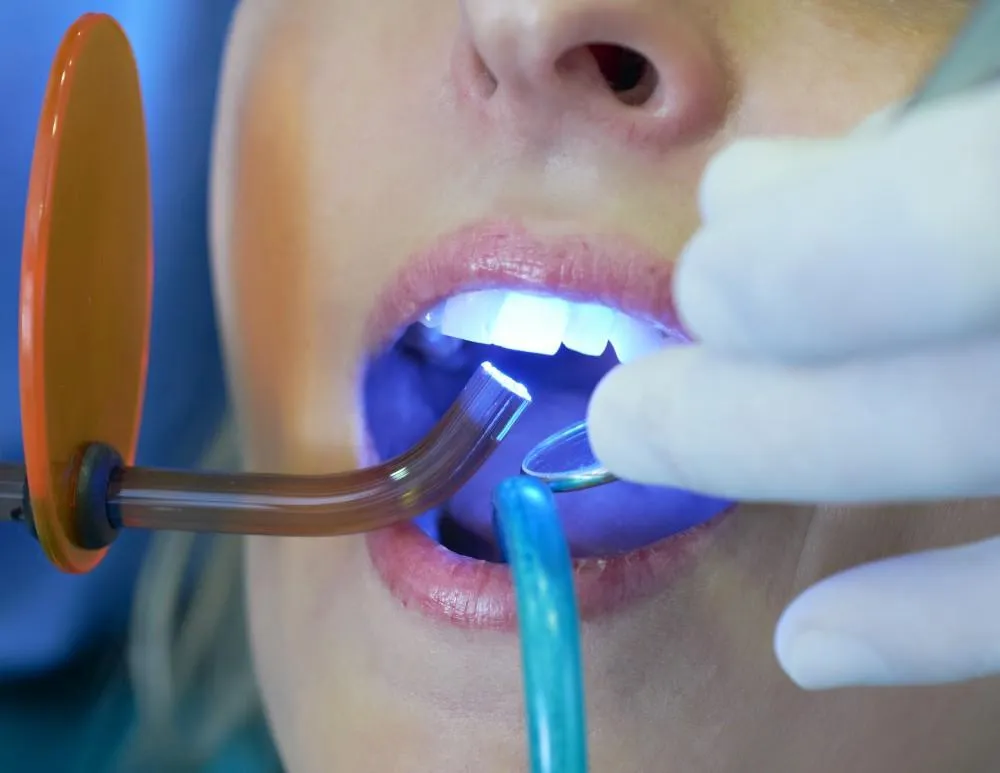
There are several teeth whitening options available, including professional treatments and at-home kits. Professional whitening, performed by a dentist, often involves higher concentrations of bleaching agents and can yield faster results. These treatments may include in-office procedures where the whitening solution is applied directly to the teeth and activated using a special light or laser. At-home kits, on the other hand, typically involve custom-fitted trays that you fill with a bleaching gel and wear for a specified amount of time each day. Over-the-counter products, like whitening strips and toothpastes, are also available but generally contain lower concentrations of bleaching agents and may take longer to show results. Choosing the right type of whitening depends on individual needs, budget, and the level of discoloration. Consulting with a dentist is always recommended to determine the best approach.
Why Diet Matters After Whitening
The Impact of Food on Teeth Shade

After teeth whitening, the enamel of your teeth becomes more porous, making them more susceptible to staining. Certain foods and drinks contain pigments that can easily be absorbed by the enamel, leading to discoloration. These pigments, known as chromogens, bind to the tooth surface and can cause yellowing or staining. The intensity of staining depends on the type of food or drink, its acidity, and how frequently you consume it. Maintaining a white smile after whitening requires careful attention to your diet and avoiding items known for causing stains. The first few days after the procedure are the most critical, as this is when your teeth are most vulnerable. Following a ‘white diet’ is recommended to help maintain your brighter smile. This includes consuming clear or white-colored foods and beverages to minimize the risk of staining.
Foods to Avoid Post-Whitening
To protect your newly whitened teeth, it’s important to avoid or limit the consumption of foods and drinks that are known to stain. This includes coffee, tea, red wine, dark sodas, and heavily pigmented juices. Berries, such as blueberries, strawberries, and raspberries, are also high in chromogens and should be avoided. Additionally, foods like soy sauce, balsamic vinegar, and curries can cause staining. The general rule is to avoid foods and drinks with intense colors or high acidity. It’s crucial to be mindful of sauces, marinades, and other food items that might contain staining agents. During the initial recovery period, sticking to a ‘white diet’ can significantly improve the longevity of your whitening results. This usually means consuming foods like white rice, pasta, chicken, fish, and dairy products. It’s a temporary diet, but it pays off by helping you achieve a lasting bright smile.
Avocado and Teeth Whitening Compatibility
Nutritional Benefits of Avocado

Avocado is a nutritional powerhouse, packed with vitamins, minerals, and healthy fats. It contains vitamins K, C, B5, B6, and E, as well as potassium and folate. The monounsaturated fats in avocado are beneficial for heart health, and the fiber content promotes digestive health. Avocados are also rich in antioxidants, which help protect the body from damage caused by free radicals. The creamy texture and mild flavor make avocado a versatile food that can be incorporated into various dishes. Consuming avocado can contribute to overall health and wellness, providing essential nutrients. However, it’s essential to consider its impact on your teeth, especially after a whitening procedure. While nutritious, the color and composition of avocado require careful consideration.
Potential Risks of Eating Avocado
While avocado is a healthy food, there are potential risks associated with eating it immediately after teeth whitening. The green color of avocado comes from chlorophyll, a pigment that could potentially stain your teeth if consumed too soon after the procedure. Furthermore, avocado has a relatively high-fat content, and the oil can potentially leave a residue on the teeth, increasing the likelihood of staining. However, the risk is not as high as with other staining foods, such as berries or coffee. The key is to consume it in moderation and with caution. It is essential to understand that individual experiences may vary, and some people may be more susceptible to staining than others. Consulting your dentist for personalized advice is always recommended to ensure the best possible outcome from your teeth whitening treatment.
How to Eat Avocado Safely After Whitening
Waiting Period Before Consumption

Generally, dentists recommend waiting at least 24 to 48 hours after teeth whitening before consuming any foods or drinks that could potentially stain your teeth. For avocado, it is advisable to err on the side of caution and wait at least 48 to 72 hours. This allows your teeth’s enamel to settle and reduces the chance of staining. During this period, it is crucial to follow a ‘white diet,’ which includes avoiding highly pigmented foods and beverages. This waiting period ensures that your teeth have time to recover and that the whitening treatment is fully effective. Following the recommended guidelines will help protect your investment and help you maintain your bright smile for a longer period. Always follow your dentist’s specific instructions, as they may vary based on the type of whitening procedure you’ve undergone.
Best Practices for Avocado Consumption
If you choose to eat avocado after the recommended waiting period, there are several ways to minimize the risk of staining. First, eat it in moderation. A small portion is less likely to cause staining than a large serving. Second, pair it with other foods that won’t stain your teeth, such as white fish or chicken. Avoid combining it with other staining foods like tomatoes or berries. Third, rinse your mouth with water immediately after eating avocado to help remove any potential residue. Brushing your teeth, if your dentist approves, can also help, but avoid brushing too aggressively, as it can damage the enamel. Use a soft-bristled toothbrush and a non-abrasive toothpaste. By following these tips, you can enjoy avocado without compromising your teeth whitening results. Regularly check your teeth to see if any staining is developing, and consult your dentist if you are concerned.
Alternatives to Avocado During Whitening
Other Food Choices

During the initial days after teeth whitening, focus on foods that are white or light in color. These include white rice, pasta, chicken, fish, and dairy products like plain yogurt or cottage cheese. You can also enjoy clear broths, cauliflower, and peeled potatoes. These foods are gentle on your teeth and less likely to cause staining. When preparing meals, avoid adding dark sauces, such as soy sauce or balsamic vinegar. Stick to light-colored seasonings like salt and pepper. Be mindful of the ingredients and colors in your meals, and prioritize clear or white foods to protect your newly whitened teeth. This temporary dietary adjustment will help you achieve the best results from your whitening treatment.
Drinks to Consider
When it comes to beverages, stick to clear or white options. Water is the best choice, as it helps keep your mouth hydrated and rinses away any potential staining particles. You can also drink clear sodas, milk, and coconut water. Avoid dark-colored drinks like coffee, tea, red wine, and dark juices. If you crave a flavored drink, consider a clear sports drink or a diluted version of a clear juice. Be careful with ice, as it can scratch your teeth if you chew on it. Remember to drink plenty of water throughout the day to maintain good oral health. Clear beverages will help you stay hydrated and protect the results of your teeth whitening procedure.
Maintaining White Teeth After Whitening
Oral Hygiene Routine

Maintaining a consistent oral hygiene routine is essential for keeping your teeth white and healthy after whitening. Brush your teeth at least twice a day with a soft-bristled toothbrush and a whitening toothpaste. Floss daily to remove plaque and food particles from between your teeth. Consider using a mouthwash that is designed to protect enamel and prevent stains. Avoid smoking and tobacco products, as they can severely stain your teeth and compromise your oral health. Regular dental check-ups and cleanings are also crucial for maintaining a bright, healthy smile. Following a diligent oral hygiene routine will help you maintain your beautiful, whitened teeth and enjoy long-lasting results.
Regular Dental Check-ups
Regular visits to your dentist are critical for maintaining the results of your teeth whitening procedure. During your check-ups, your dentist can assess your teeth, identify any potential issues, and provide professional cleanings to remove plaque and stains. They can also recommend additional whitening treatments or touch-ups if needed. Professional cleanings can help remove surface stains that might have accumulated over time, helping your teeth maintain their brightness. Your dentist can also provide guidance on the best oral hygiene practices to keep your teeth healthy and white. Schedule check-ups every six months or as recommended by your dentist. These visits are an essential part of your oral care routine, ensuring that you maintain a healthy and beautiful smile for years to come.