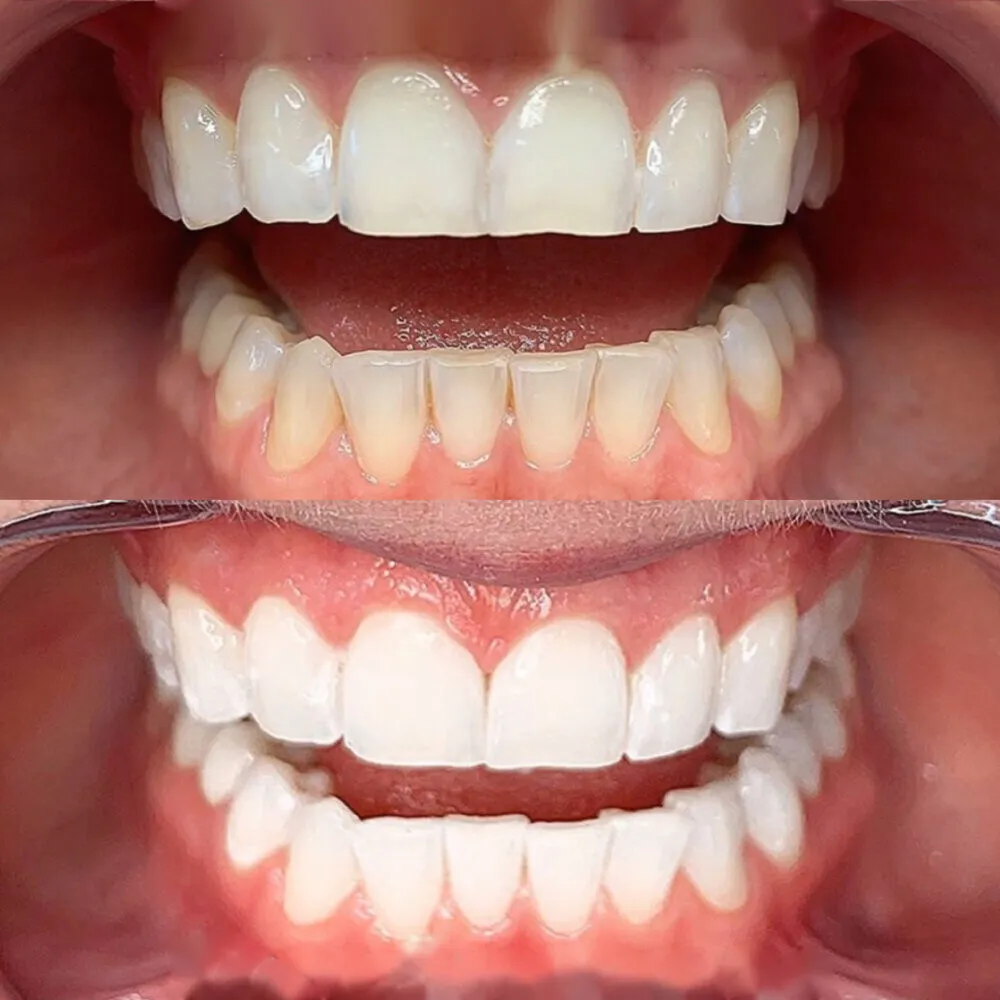
Understanding Teeth Whitening South Jersey
Teeth whitening in South Jersey has become increasingly popular, offering a quick and effective way to enhance your smile. Many residents are seeking brighter, more confident smiles, and various options cater to different needs and budgets. This guide will explore the best methods available, providing valuable insights to help you make informed decisions about achieving a radiant, white smile. This process involves removing stains and discoloration from the enamel of your teeth, making them appear significantly brighter. Understanding the underlying causes of discoloration, such as aging, dietary choices (coffee, tea, wine), and smoking, can help you better appreciate the benefits of teeth whitening. Additionally, knowing the different types of whitening treatments available is crucial for selecting the most suitable option for your specific needs and dental health.
Types of Teeth Whitening Available
Several teeth whitening options are available in South Jersey, each with its own advantages and considerations. These options primarily fall into two categories: professional in-office treatments and at-home whitening kits. Professional treatments, typically performed by a dentist, often involve stronger bleaching agents and can provide faster results. At-home kits, which can be purchased over-the-counter or prescribed by a dentist, offer convenience and affordability but may require more time to achieve desired results. The choice between these options depends on individual preferences, the severity of the staining, and your budget. Professional treatments usually involve a stronger concentration of hydrogen peroxide or carbamide peroxide, the active bleaching agents, which is why the results can be more dramatic and immediate.
In-Office Teeth Whitening

In-office teeth whitening, also known as professional teeth whitening, is a procedure performed by a dentist in their clinic. This method offers several advantages, including faster results and a higher concentration of bleaching agents. During the procedure, your dentist will apply a strong whitening gel to your teeth and may use a special light or laser to accelerate the whitening process. This process can typically be completed in a single visit, making it a convenient option for those seeking immediate results. The dentist will also take steps to protect your gums and soft tissues from irritation. This professional setting also ensures that any potential issues or complications can be addressed promptly by a trained professional. In-office whitening is ideal for people looking for a quick and effective way to dramatically whiten their teeth.
At-Home Teeth Whitening Options
At-home teeth whitening options provide greater flexibility and affordability. These options include over-the-counter whitening strips, gels, and custom-fitted trays prescribed by your dentist. Whitening strips are convenient and easy to use, offering a gradual whitening effect over several days or weeks. Whitening gels can be applied using trays that you fill with the whitening solution and wear for a specified period. Custom trays, provided by your dentist, ensure a better fit and more even application of the whitening agent. At-home treatments generally use lower concentrations of bleaching agents compared to in-office procedures, so results may take longer to appear. Proper usage, as instructed by the product label or your dentist, is crucial to achieve the desired results and avoid any potential side effects, such as tooth sensitivity or gum irritation.
Choosing the Right Teeth Whitening Method
Selecting the right teeth whitening method depends on several factors, including your specific needs, budget, and dental health. If you’re seeking immediate results and are willing to invest more, in-office whitening may be the best choice. This method offers the fastest and most dramatic results. However, if you prefer a more budget-friendly option or want the flexibility of whitening your teeth at home, at-home kits can be effective. Consulting with your dentist is crucial before deciding on any whitening treatment. Your dentist can assess your oral health, discuss your goals, and recommend the most suitable method for you. They can also address any underlying dental issues that might impact the effectiveness of the whitening treatment. The dentist will also take impressions of your teeth to create custom trays if you opt for the take-home kits.
Factors to Consider Before Whitening

Before undergoing teeth whitening, it’s essential to consider several factors that can impact the effectiveness and safety of the procedure. Your current oral health plays a significant role. Teeth whitening is most effective on teeth free from cavities, gum disease, and other dental issues. Addressing these issues before whitening will ensure optimal results and minimize potential complications. The type and severity of stains also influence your results. Surface stains, caused by coffee, tea, or smoking, tend to respond well to whitening treatments, while intrinsic stains, which originate from within the tooth, may be more challenging to remove. Discussing these considerations with your dentist can help you set realistic expectations. The dentist will explain how effective teeth whitening will be based on your specific situation.
Tooth Sensitivity and Whitening
Tooth sensitivity is a common side effect of teeth whitening. It occurs when the bleaching agents penetrate the enamel and irritate the nerves in your teeth. The level of sensitivity can vary depending on the concentration of the whitening agent and the duration of the treatment. Some individuals may experience mild sensitivity, while others may experience more significant discomfort. If you experience tooth sensitivity, your dentist may recommend using a toothpaste designed for sensitive teeth, which can help reduce the discomfort. The dentist may also suggest taking breaks during your whitening treatment to allow your teeth to recover. Proper techniques for brushing and flossing can also prevent further sensitivity. Sensitivity usually subsides a few days after completing the whitening treatment.
Cost and Budget for Teeth Whitening in South Jersey
The cost of teeth whitening in South Jersey varies depending on the method you choose. In-office whitening is generally more expensive than at-home options because of the professional services and materials involved. The price can vary depending on the dentist’s fees and the specific whitening system used. At-home whitening kits are usually more affordable, with over-the-counter options being the least expensive. Custom-fitted trays prescribed by your dentist are also available at a reasonable price. It’s essential to compare the costs of different options and consider your budget when making your decision. Many dental offices offer financing options or payment plans to make teeth whitening more accessible. Before committing to any treatment, discuss the cost and payment options with your dentist to avoid any surprises. Make sure you consider the long-term value and benefits when assessing the overall cost.
Aftercare and Maintenance for Teeth Whitening

Proper aftercare is crucial for maintaining the results of your teeth whitening treatment. After whitening, your teeth will be more susceptible to staining for a short period. Avoiding foods and drinks that can stain your teeth, such as coffee, tea, red wine, and dark-colored berries, is recommended. Maintaining good oral hygiene practices, including brushing twice a day, flossing daily, and using an alcohol-free mouthwash, will also help to preserve your bright smile. Regular dental check-ups and professional cleanings are essential for removing surface stains and maintaining your overall oral health. Consider touch-up treatments or at-home maintenance kits to keep your teeth looking their best. Follow your dentist’s recommendations for at-home maintenance to maximize the longevity of your whitening results.
Maintaining Your White Smile
To keep your smile bright and white for the long term, incorporate a few key habits into your daily routine. Regularly brushing and flossing, along with professional dental cleanings, are the foundations of good oral health. Limit your consumption of staining foods and beverages, or rinse your mouth with water after consuming them. Consider using a whitening toothpaste or mouthwash to help remove surface stains. Avoid smoking and other tobacco products, as they can significantly discolor your teeth. If you notice any new stains or changes in the color of your teeth, consult your dentist promptly. With proper care and maintenance, you can enjoy a beautiful, white smile for years to come. Remember that the longevity of your results depends on your commitment to these practices.