Understanding Sensitive Teeth Whitening
Achieving a brighter smile is a common goal, but for those with sensitive teeth, the journey can be fraught with challenges. Tooth sensitivity, characterized by sharp, sudden pain in response to certain stimuli like hot, cold, sweet, or acidic foods, can make traditional teeth whitening methods uncomfortable or even unbearable. The good news is that effective and gentle teeth whitening options are available. This article will explore the causes of tooth sensitivity, discuss safe and effective at-home whitening techniques, and provide essential tips for maintaining a healthy, dazzling smile without exacerbating your sensitivity. Remember, the key to success lies in choosing methods that are both effective and gentle on your teeth and gums, minimizing discomfort while maximizing results. The goal is to help you find the best options for you.
What Causes Tooth Sensitivity
Understanding the root causes of tooth sensitivity is crucial for choosing the right whitening approach. Tooth sensitivity occurs when the underlying layer of your teeth, the dentin, becomes exposed. Dentin contains microscopic tubules that lead directly to the nerve center of the tooth. When these tubules are exposed to external stimuli, the nerves are triggered, causing the sensation of pain. The enamel, the hard outer layer of the tooth, protects the dentin. When the enamel wears down or the gums recede, the dentin becomes exposed, increasing sensitivity. Another important factor is the health of the gums, because if the gums recede, it also leads to the exposure of the dentin. Conditions like gingivitis or periodontitis can contribute to this recession. Moreover, the use of abrasive brushing techniques or whitening products can also contribute to tooth sensitivity. Addressing the underlying causes of sensitivity is essential for long-term comfort and successful whitening.
Common Triggers of Tooth Sensitivity

Identifying the triggers that set off your tooth sensitivity is an essential step in managing the condition effectively. The most common triggers include hot and cold temperatures, which can be found in food or drinks. Sweet and acidic foods, such as citrus fruits, candies, and carbonated beverages, can also cause sensitivity by irritating the exposed dentin. Brushing your teeth too vigorously or using a hard-bristled toothbrush can wear away enamel and irritate the gums, leading to sensitivity. Certain dental procedures, like teeth whitening or fillings, may temporarily increase sensitivity. Furthermore, teeth grinding or clenching (bruxism) can damage tooth enamel, increasing the risk of sensitivity. By paying attention to what causes your teeth to hurt, you can take steps to avoid or mitigate these triggers. Awareness allows you to choose products and techniques that minimize discomfort and promote a brighter, healthier smile.
At-Home Whitening Options for Sensitive Teeth
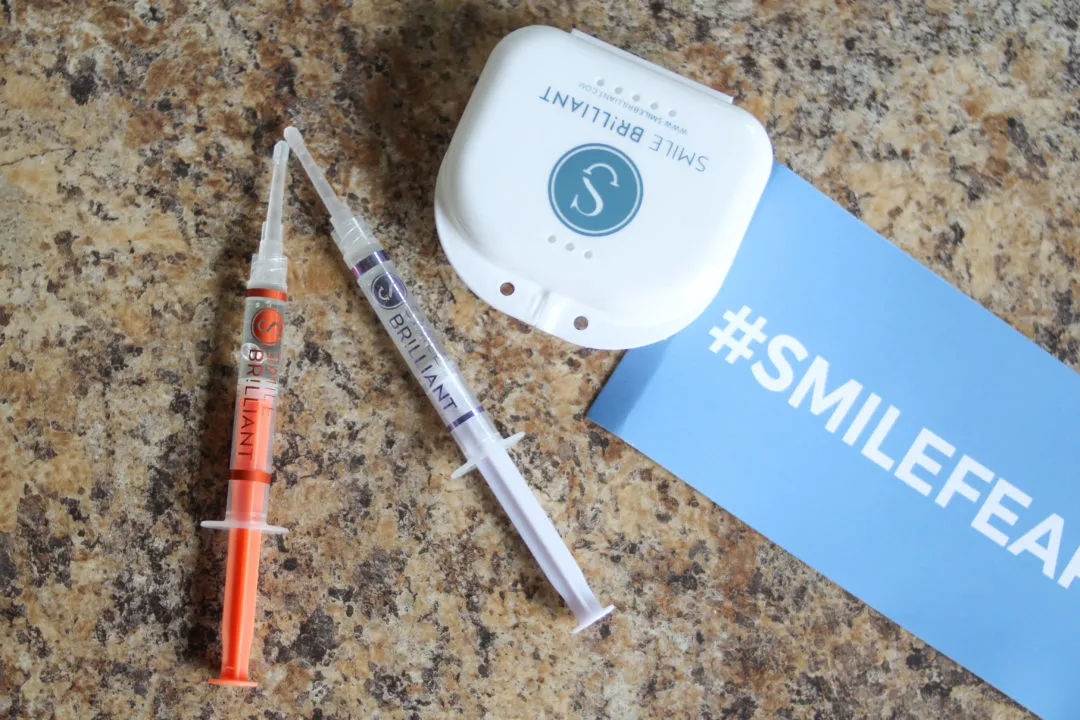
Several at-home teeth whitening options are designed to be gentler on sensitive teeth. These methods often use lower concentrations of whitening agents, such as hydrogen peroxide or carbamide peroxide. It’s essential to select products specifically formulated for sensitive teeth to minimize discomfort. Always follow the product instructions carefully and discontinue use if you experience excessive sensitivity or pain. One of the best options are whitening toothpastes. Whitening strips designed for sensitive teeth are another popular choice, providing a convenient and effective way to lighten your teeth at home. These strips typically contain a lower concentration of whitening agents than standard strips, reducing the risk of irritation. Remember that the key is to choose products specifically designed to be gentle while still providing noticeable whitening results. Taking your time and selecting suitable options will give the best results.
Whitening Toothpastes for Sensitive Teeth
Whitening toothpastes can be an accessible and often cost-effective option for improving the brightness of your smile, especially if you have sensitive teeth. These toothpastes usually contain mild abrasives that help to remove surface stains without causing excessive abrasion of the enamel. Some whitening toothpastes also contain ingredients that help to desensitize teeth, such as potassium nitrate, which blocks pain signals to the nerves. However, it is important to be patient, as whitening toothpastes generally produce results gradually. For best results, incorporate the toothpaste into your daily routine. Consider brushing gently and for the recommended two minutes, to maximize effectiveness. Also, look for toothpastes with the American Dental Association (ADA) Seal of Acceptance, which indicates that the product has been tested and proven safe and effective.
Professional-Grade Products to Consider

For those seeking more dramatic results, professional-grade whitening products can be a viable option. These products often contain higher concentrations of whitening agents than over-the-counter options. This can lead to more noticeable and faster results. You can consult with your dentist about professional-grade products that are appropriate for sensitive teeth. Your dentist can evaluate your specific needs and recommend products and methods that are both effective and safe. Moreover, they can create custom-fitted trays, which will minimize the amount of whitening solution that comes into contact with your gums, reducing the risk of irritation. Regular check-ups with your dentist are important as they can monitor your progress and address any potential issues related to sensitivity. While these products may be more effective, it is always essential to use them under the guidance of a dental professional.
Custom Tray Whitening
Custom tray whitening, provided by your dentist, offers a more tailored approach for whitening sensitive teeth at home. The process begins with your dentist taking impressions of your teeth to create custom-fitted trays. These trays are designed to fit your mouth perfectly, ensuring that the whitening gel is evenly distributed and that your gums are protected from irritation. The dentist will also provide you with a professional-strength whitening gel, which you will apply to the trays and wear for a specified period each day or night. This method offers a balance between professional results and at-home convenience. The custom fit reduces the risk of the whitening solution leaking onto your gums, minimizing sensitivity. The results are typically more consistent and predictable compared to over-the-counter options. Using custom trays under the guidance of your dentist, you can achieve a brighter smile while effectively managing tooth sensitivity.
Over-the-Counter Whitening Strips
Whitening strips are a popular and convenient at-home whitening option, readily available in most drugstores. Several brands now offer whitening strips specifically designed for sensitive teeth. These strips typically contain a lower concentration of hydrogen peroxide, the active whitening ingredient, reducing the likelihood of irritation. They are designed to be easy to use. Simply apply the strips to your teeth according to the instructions, usually for a set amount of time each day. It’s essential to follow the manufacturer’s guidelines carefully to avoid overuse, which can increase sensitivity. Though generally less potent than professional treatments, these strips can still provide noticeable whitening results over time. Be sure to choose strips with a low concentration of hydrogen peroxide and discontinue use if you experience excessive sensitivity or discomfort. Always talk with your dentist to know if this is an option for you.
Important Considerations and Tips

Several factors can influence the success and safety of teeth whitening. It’s crucial to understand these considerations to achieve the best results and minimize sensitivity. Always follow the product instructions carefully. Overuse of whitening products, regardless of the concentration, can lead to increased sensitivity and other adverse effects. Be patient and realistic about your expectations. Whitening results vary from person to person, and the process may take time. Avoid using whitening products on crowns, fillings, or veneers, as they will not whiten. Maintain good oral hygiene by brushing twice a day, flossing daily, and visiting your dentist for regular check-ups and cleanings. Consider using a desensitizing toothpaste, which can help reduce sensitivity. Finally, be mindful of your diet, as certain foods and drinks can stain your teeth. By paying attention to these tips, you can make the teeth whitening process both effective and enjoyable.
Consult Your Dentist
Before embarking on any teeth whitening treatment, it is essential to consult your dentist. They can assess the health of your teeth and gums, identify any underlying issues that may be contributing to your sensitivity, and recommend the most appropriate whitening options for your specific needs. Your dentist can also provide professional cleanings to remove surface stains and plaque, which can enhance the effectiveness of at-home whitening treatments. They can create custom trays for professional whitening. They can also monitor your progress, adjust your treatment plan if necessary, and address any concerns you may have. A professional assessment ensures that your teeth whitening experience is safe, effective, and tailored to your individual oral health. Remember, your dentist is your partner in achieving a healthy, beautiful smile.
Maintain Good Oral Hygiene
Maintaining good oral hygiene is essential for the long-term health of your teeth and gums and complements the effects of teeth whitening treatments. Brush your teeth twice a day for two minutes each time, using a soft-bristled toothbrush and a toothpaste specifically designed for sensitive teeth. Floss daily to remove plaque and food particles from between your teeth and along the gumline, where a toothbrush can’t reach. Rinse your mouth with an alcohol-free mouthwash, which can help to further remove bacteria and freshen your breath. Regular dental check-ups and professional cleanings are crucial for maintaining optimal oral health. Your dentist can remove plaque and tartar buildup, which can cause gum disease, and address any potential issues early on. These practices not only help to maintain your brighter smile but also protect your teeth from decay and other oral health problems. By incorporating these steps into your daily routine, you can enjoy a healthy, beautiful smile for years to come.
Dietary Adjustments

Making informed dietary choices can play a significant role in maintaining a bright smile and minimizing sensitivity. Certain foods and drinks are known to stain teeth, while others can irritate sensitive teeth. Limit your consumption of staining agents like coffee, tea, red wine, and dark-colored berries. If you consume these items, brush your teeth or rinse your mouth with water afterward to help remove surface stains. Avoid sugary and acidic foods, which can erode enamel and increase sensitivity. Choose foods rich in calcium, such as dairy products and leafy green vegetables, to strengthen your teeth. Drink plenty of water throughout the day to stay hydrated and help wash away food particles and bacteria. Consider incorporating crunchy fruits and vegetables, such as apples and carrots, into your diet. These foods help to naturally clean your teeth. Make smart food choices can significantly enhance the effectiveness of teeth whitening efforts and maintain a healthy, beautiful smile.
Conclusion
Whitening sensitive teeth at home is achievable with careful product selection, a thorough understanding of your oral health, and a commitment to good dental hygiene. By choosing products specifically formulated for sensitive teeth, following the instructions carefully, and consulting with your dentist, you can enjoy a brighter, more confident smile without unnecessary discomfort. Addressing the causes of tooth sensitivity, avoiding common triggers, and making healthy dietary choices can further support your efforts. Remember that patience is key, as results may take time. Regular dental check-ups, a consistent oral care routine, and a proactive approach to your dental health will provide the best results. Embracing the right techniques and maintaining a mindful approach to your teeth whitening journey, you can achieve a dazzling, healthy smile while minimizing any discomfort.