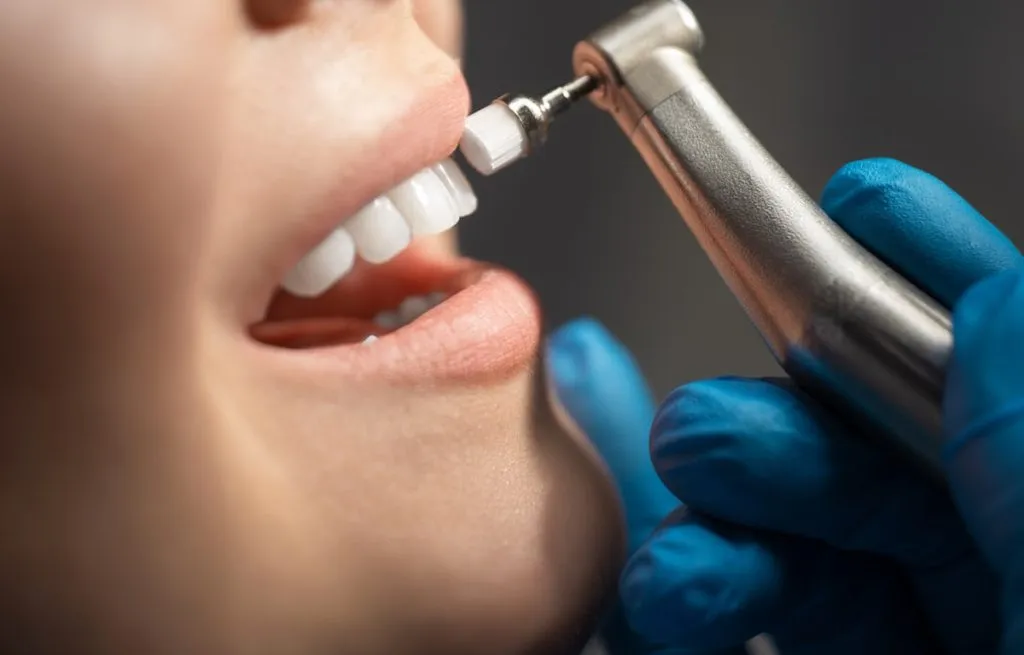
Understanding Sensitive Teeth After Whitening
Experiencing sensitive teeth after whitening is a common issue, but thankfully, it is often temporary. Tooth sensitivity arises when the enamel, the protective outer layer of your teeth, is compromised or thinned, exposing the underlying dentin. Dentin contains microscopic tubules that lead to the nerve of the tooth. Whitening treatments, whether professional or at-home, can irritate these tubules, leading to heightened sensitivity. Understanding the causes, coupled with effective home remedies and professional treatments, can significantly alleviate discomfort and restore your oral comfort. This guide offers strategies to manage and mitigate sensitivity, ensuring a brighter, healthier smile without unnecessary pain.
What Causes Sensitivity After Whitening
The main culprit behind post-whitening sensitivity is the whitening agent itself, typically hydrogen peroxide or carbamide peroxide. These chemicals penetrate the enamel to break down stain molecules. During this process, they can cause minor inflammation and irritation of the tooth’s nerve. Individuals with naturally thinner enamel or pre-existing dental issues like cavities or receding gums are more prone to increased sensitivity. The concentration of the whitening agent and the duration of its contact with the teeth also play a crucial role. Higher concentrations and longer application times tend to increase sensitivity. Moreover, the specific whitening method, such as in-office treatments versus at-home kits, can influence the intensity and duration of sensitivity.
The Whitening Process and Its Effects

Teeth whitening works by using bleaching agents to oxidize the stain molecules within the tooth enamel. This process lightens the overall color of the teeth. However, it can also temporarily dehydrate the teeth and open the dentinal tubules. This opening allows external stimuli, like cold air or sweet foods, to reach the nerves more easily, leading to the sensation of sensitivity. While this process is designed to be effective, it’s crucial to consider the impact on teeth sensitivity, as it can significantly affect your daily comfort. Proper preparation and aftercare can reduce the adverse effects and support a swift recovery from any discomfort.
Factors Influencing Tooth Sensitivity
Several factors influence the degree of sensitivity experienced after teeth whitening. Pre-existing conditions like tooth decay, cracks, or gum recession can amplify the issue. Individuals with these conditions may find their teeth more susceptible to the whitening agents. The type of whitening product used and its concentration also significantly affect sensitivity levels. Over-the-counter products typically have lower concentrations than professional treatments, potentially causing less sensitivity. The duration the whitening product is in contact with the teeth also matters. Following the manufacturer’s instructions precisely is essential to minimize potential discomfort. Genetics also play a role, influencing enamel thickness and the overall health of the teeth, which in turn, impacts sensitivity.
Effective Home Remedies for Sensitive Teeth
Fortunately, numerous home remedies can alleviate the discomfort of sensitive teeth after whitening. These simple yet effective strategies can provide relief and help your teeth recover. Incorporating these remedies into your daily routine will greatly help to manage sensitivity symptoms. From dietary adjustments to gentle brushing techniques, these home solutions offer practical ways to navigate the temporary discomfort, supporting a brighter smile while maintaining oral health. Consistency in these practices can lead to noticeable improvement and a more comfortable experience.
Saltwater Rinse for Soothing Relief

A saltwater rinse is a natural and accessible remedy that can soothe sensitive teeth. Salt has anti-inflammatory properties that can help reduce irritation in the gums and teeth. It also has antibacterial qualities, contributing to overall oral hygiene. Using a saltwater rinse can help to minimize sensitivity and promote faster healing. The effectiveness of the rinse lies in its simplicity and accessibility. This makes it an easy addition to your routine to provide relief and comfort when faced with post-whitening sensitivity.
How to Perform a Saltwater Rinse
To perform a saltwater rinse, dissolve about a teaspoon of salt in a cup of warm water. Swish the solution gently in your mouth for about 30 seconds, ensuring it reaches all areas of your mouth. Then, spit out the solution; do not swallow it. Repeat this process several times a day, especially after meals or when you experience discomfort. The warm water helps to soothe and rinse away any irritants, while the salt helps to reduce inflammation. Consistency is key; regular use of the saltwater rinse can significantly reduce sensitivity over time.
Using a Soft-Bristled Toothbrush
Switching to a soft-bristled toothbrush is crucial for sensitive teeth. Stiff bristles can be abrasive and further irritate the enamel, exacerbating sensitivity. A soft-bristled brush is gentle on the teeth and gums, removing plaque and debris without causing additional discomfort. This small change in your oral hygiene routine makes a big difference. By reducing the physical impact on your teeth, you can help to protect the enamel and minimize the potential for sensitivity. This approach is particularly important following teeth whitening, as your teeth are often more vulnerable.
Importance of Gentle Brushing Technique

Gentle brushing technique is essential to minimize sensitivity. Avoid aggressive scrubbing; instead, use small, circular motions to clean your teeth thoroughly. Applying too much pressure can wear away the enamel and damage the gums, increasing sensitivity. Focus on thoroughly cleaning each tooth, ensuring you reach all surfaces without harshness. This approach promotes effective cleaning while protecting your teeth and gums from unnecessary irritation. A gentle technique, combined with a soft-bristled brush, creates an environment conducive to recovery and supports the health of your teeth after whitening. This will help to minimize further irritation.
Desensitizing Toothpaste: A Guide
Desensitizing toothpaste is a highly effective solution for managing sensitive teeth. These toothpastes contain ingredients like potassium nitrate or stannous fluoride, which help to block the tubules in the dentin, preventing irritants from reaching the nerves. Using desensitizing toothpaste can provide immediate and long-term relief from sensitivity. Incorporating it into your daily oral hygiene routine is an easy way to protect and strengthen your teeth. When used regularly, the toothpaste builds a protective layer, making your teeth less susceptible to sensitivity. This provides comfort and supports the overall health of your teeth.
How Desensitizing Toothpaste Works
Desensitizing toothpaste works by blocking the pathways that transmit pain signals to the nerves. Potassium nitrate, a common ingredient, penetrates the dentin tubules and reduces nerve activity, thus reducing sensitivity. Stannous fluoride works by physically blocking the tubules, creating a protective barrier. For best results, apply a small amount of the toothpaste to the sensitive areas and let it sit for a minute or two before brushing. Consistent use is key, as it takes time for the protective barrier to build up and provide optimal relief. This approach provides a proactive method to alleviate discomfort, ensuring comfort.
Dietary Adjustments to Minimize Discomfort

Your diet plays a crucial role in managing sensitive teeth. Certain foods and beverages can trigger or exacerbate sensitivity. Adjusting your diet to avoid these irritants is a simple yet effective way to alleviate discomfort. Being mindful of what you eat and drink can significantly improve your comfort. This proactive approach allows you to manage symptoms and support the healing process, helping to minimize discomfort. The key is to identify and avoid foods that trigger sensitivity.
Foods to Avoid and Embrace
To minimize discomfort, avoid highly acidic foods and drinks, such as citrus fruits, carbonated beverages, and pickles. These can erode the enamel and increase sensitivity. Very hot or cold foods and drinks can also trigger pain. Instead, focus on consuming a balanced diet rich in calcium and phosphorus, which can strengthen the enamel. Include dairy products, leafy green vegetables, and lean proteins in your diet. These foods are less likely to cause irritation and provide essential nutrients for oral health. This strategy helps to reduce sensitivity and improve overall oral health.
Professional Treatments for Sensitive Teeth
If home remedies do not provide sufficient relief, or if sensitivity is severe, professional treatments by a dentist are available. Dentists offer a variety of solutions designed to address the root causes of sensitivity and provide lasting relief. These professional interventions can be particularly effective if home care alone is insufficient. Consulting with your dentist is essential to determine the best course of action. Professional treatments can significantly improve your comfort and improve the health of your teeth. This ensures a comprehensive approach to managing sensitivity.
Fluoride Treatments and Their Benefits

Professional fluoride treatments strengthen tooth enamel, making it more resistant to sensitivity. Fluoride works by remineralizing the enamel, filling in microscopic pores and creating a protective layer. This reduces the ability of irritants to reach the nerves. Dentists typically apply fluoride in the form of a gel, varnish, or foam during a dental visit. These treatments provide a concentrated dose of fluoride, which is more effective than over-the-counter products. They are a great option for fast relief and are often recommended after teeth whitening to promote enamel strength. It helps to strengthen the teeth, and reduce sensitivity and improve overall oral health.
Dental Fillings for Severe Sensitivity
In cases of severe sensitivity, particularly if the sensitivity is caused by exposed dentin or minor tooth decay, dental fillings can be necessary. Fillings physically block the tubules and protect the nerves from external stimuli. This treatment is effective in addressing the underlying causes of sensitivity. Your dentist can apply the filling material to the affected areas during a simple procedure. This procedure can rapidly reduce discomfort and prevent further damage to the tooth. Fillings provide a long-term solution for severe sensitivity, restoring comfort and supporting the health of the teeth.
Preventive Measures and Aftercare
Prevention and aftercare are critical to managing sensitivity after whitening. Taking preventative measures can minimize the risk of developing sensitivity and protect your teeth. Following the proper aftercare practices can ensure that your teeth recover quickly. By incorporating these measures into your routine, you can enjoy the benefits of teeth whitening without the discomfort associated with sensitivity. Proper care creates an environment for long-term oral health.
Choosing the Right Whitening Method

Selecting the right teeth whitening method can reduce the likelihood of sensitivity. Consult with your dentist before starting any whitening treatment to discuss your options and understand potential risks. Professional in-office whitening treatments are often more controlled and may include desensitizing agents. At-home kits with lower concentrations of hydrogen peroxide can also be gentler on your teeth. Always follow the dentist’s recommendations and carefully read the product instructions. Doing so helps to ensure you are selecting a method that balances effectiveness with minimizing the chance of sensitivity. Careful selection can help to reduce the impact.
Proper Oral Hygiene Routine
Maintaining a proper oral hygiene routine is essential for long-term oral health. This includes brushing your teeth twice a day with a soft-bristled toothbrush and using desensitizing toothpaste, especially after teeth whitening. Floss daily to remove plaque and food particles from between your teeth, as they can contribute to sensitivity. Use a fluoride mouthwash to further strengthen your enamel. Regular dental check-ups and professional cleanings can help to identify and address any potential issues early on. A consistent and thorough routine is the foundation for maintaining healthy teeth. This helps to ensure a comfortable and radiant smile. By doing this you are taking steps to maintain your oral health.