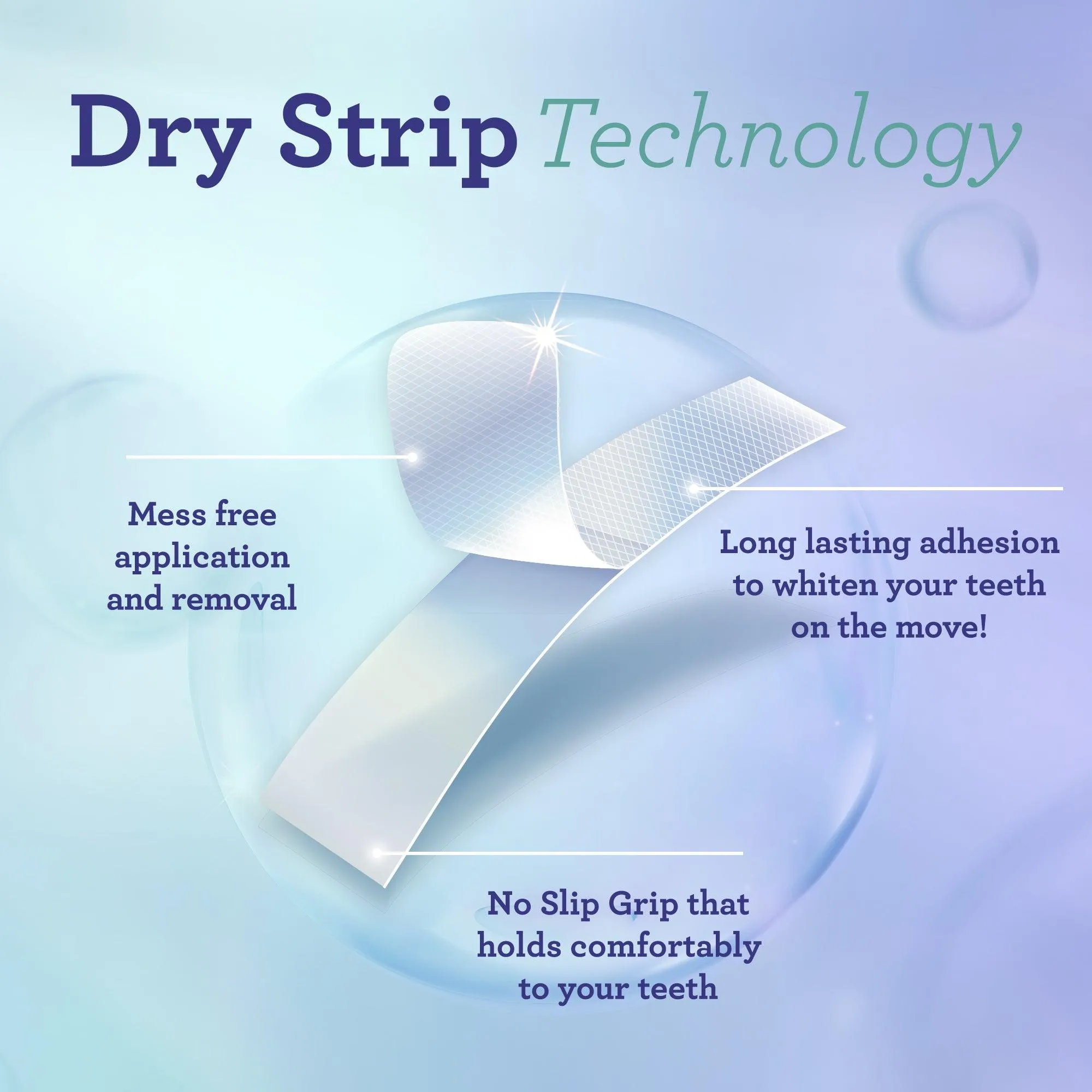
The Safety of Whitening Strips During Pregnancy
The desire for a brighter smile doesn’t disappear during pregnancy, but the safety of teeth whitening methods, especially whitening strips, becomes a significant concern. Many expectant mothers are understandably cautious about what they put into their bodies, and that includes oral care products. The primary concern with whitening strips during pregnancy revolves around the potential impact of their ingredients on the developing fetus. While some argue that the amount of active ingredients absorbed is minimal, the lack of extensive research specifically on the effects of whitening strips during pregnancy often leads to uncertainty. As a result, the safest approach usually involves consulting with a dentist and considering alternative methods to achieve a brighter smile without compromising the health of the mother or the baby.
Ingredients to Avoid in Whitening Strips
When evaluating the safety of whitening strips during pregnancy, understanding the ingredients is crucial. Certain chemicals may pose potential risks, making it essential to choose products carefully. Some substances have not been thoroughly tested for their effects on pregnant women and their developing babies, adding to the complexity of the decision-making process. Always check the product’s label and consult with a dentist or healthcare provider to make informed choices, prioritizing the health and safety of both the mother and the unborn child.
Hydrogen Peroxide and Pregnancy

Hydrogen peroxide is the primary bleaching agent in many whitening strips. The concern is whether this chemical is safe during pregnancy, as it could potentially be absorbed into the bloodstream, and subsequently reach the developing fetus. The levels absorbed from whitening strips are generally considered low. However, due to limited research specifically on this topic, many healthcare providers recommend exercising caution. In most cases, the focus remains on minimizing exposure to any potentially harmful substances during this sensitive period. The decision on whether to use hydrogen peroxide-based whitening strips during pregnancy should involve thorough consideration and consultation with a dental professional.
Other Potentially Harmful Ingredients
Besides hydrogen peroxide, some whitening strips might contain other ingredients that warrant consideration. These can include various chemicals, stabilizers, and flavorings. The long-term effects of some of these substances on pregnant women and their babies are not always well-understood. Before using any teeth whitening product, it is important to review the entire ingredient list. If there are any questionable components, seek advice from a dentist. Choosing products with fewer additives and more natural ingredients can be a safer option during pregnancy. This approach helps to minimize any potential risks, offering greater peace of mind.
Alternatives to Whitening Strips During Pregnancy
If you’re concerned about using whitening strips during pregnancy, numerous alternative methods can help you achieve a brighter smile. These options offer different levels of effectiveness and safety profiles. It’s often recommended to discuss all options with a dentist to determine the best choice for your specific needs and circumstances. Considering these alternatives helps to maintain oral health and aesthetics without exposing the developing fetus to potential risks. Some methods include: switching to whitening toothpaste, and using an electric toothbrush. Always consult with your dentist to get professional recommendations.
Professional Teeth Whitening Options

Professional teeth whitening, performed by a dentist, offers a controlled environment and expert oversight. While the safety of these treatments during pregnancy is still a subject of discussion, the dentist can use professional-grade whitening agents and take necessary precautions. The dental professional can assess the pregnant patient’s oral health and modify the treatment as needed. This can often be a safer option than using over-the-counter products. The consultation allows for a tailored approach, ensuring the patient gets the best possible outcome while prioritizing the well-being of both mother and child.
Home Remedies for Teeth Whitening
Several home remedies may help to brighten teeth, though their effectiveness varies. Some common approaches include brushing with baking soda or using activated charcoal. However, it’s essential to be cautious, as some home remedies can be abrasive and potentially damage enamel. Consulting with a dentist is vital before trying any new home remedies. The dentist can provide guidance on safe and effective methods. They can also monitor the effects of these treatments on your oral health. This approach combines at-home care with professional advice, optimizing the chances of achieving a brighter smile safely.
Potential Risks of Using Whitening Strips
Even if a whitening strip’s ingredients are generally considered safe, potential risks still exist. These are particularly important to consider during pregnancy, when sensitivity and health are paramount. Understanding these risks helps in making an informed decision about whether or not to proceed with teeth whitening during this time. The focus should always be on the health and safety of both the mother and the baby, and any concerns should be addressed with a dental professional.
Gum Irritation and Sensitivity

Whitening strips can sometimes cause gum irritation and increased tooth sensitivity. These side effects can be more pronounced during pregnancy, due to hormonal changes that often increase the sensitivity of the gums and teeth. The chemicals in the whitening strips can irritate the gum tissue, leading to redness, swelling, and discomfort. Moreover, the teeth may become more sensitive to hot or cold temperatures. If you experience these issues, discontinue use and consult your dentist. The dentist might recommend alternative methods that are gentler on your gums and teeth, such as using sensitive toothpaste or opting for professional whitening treatments.
Impact on Fetus
The potential impact of whitening strip ingredients on the fetus is a significant concern during pregnancy. While research on the effects of these products on fetal development is often limited, the primary concern revolves around the possible absorption of chemicals into the bloodstream. Even if the amounts absorbed are small, there is a lack of extensive studies on the long-term implications. In most cases, healthcare providers and dentists recommend caution. The general consensus is to err on the side of safety by minimizing the exposure of the developing fetus to any potentially harmful substances. This precaution supports healthy fetal development.
Benefits of Brighter Smile During Pregnancy
While the primary focus is often on safety, it’s important not to overlook the positive effects of a brighter smile. Maintaining good oral hygiene and achieving a visually appealing smile can boost self-esteem and overall well-being, even during pregnancy. Feeling confident about your appearance can have a ripple effect, influencing your mood and the way you interact with others. A healthy and attractive smile contributes to an enhanced sense of self and positive self-image. This can be especially beneficial for expectant mothers, who may be navigating many physical and emotional changes.
Boosting Confidence and Self-Esteem

Pregnancy brings about many changes, and maintaining or improving your appearance can boost your confidence and self-esteem. A bright smile can create a positive impact. It can make you feel good about yourself during this unique period of your life. Seeing a brighter smile in the mirror can enhance your mood and help you feel more comfortable. Prioritizing your well-being, including your appearance, can have a positive effect on your overall pregnancy experience.
Tips for Maintaining Oral Health
Regardless of your decision regarding teeth whitening, maintaining good oral health is crucial during pregnancy. Hormonal changes can increase the risk of gum disease and other oral health problems. Following a consistent oral hygiene routine and regular dental check-ups can protect your dental health and support the health of your baby. By taking good care of your teeth and gums, you’re investing in your overall well-being, and that of your child.
Brushing and Flossing Regularly
Brushing your teeth twice a day with fluoride toothpaste and flossing daily are fundamental to good oral hygiene. This removes plaque and bacteria that can cause cavities and gum disease. During pregnancy, the gums may become more sensitive, making thorough cleaning even more critical. Using a soft-bristled toothbrush and gently flossing can help prevent irritation. This daily routine is the cornerstone of oral health care, and helps safeguard against common dental issues.
Visiting the Dentist

Regular dental check-ups are essential, especially during pregnancy. Your dentist can check for any signs of gum disease or cavities and provide professional cleanings. The dentist can also advise you on safe teeth whitening options, if desired. Informing your dentist that you’re pregnant allows them to adjust the treatment to meet your specific needs. Regular visits to the dentist provide an excellent opportunity for preventative care. They help keep your teeth and gums healthy throughout your pregnancy.
The Best Time to Whiten Teeth
Considering the safety and benefits of teeth whitening during pregnancy, it’s important to think about the best time to pursue it. Many dentists recommend postponing teeth whitening treatments until after delivery. This approach ensures that any potential risks to the fetus are completely avoided. After your baby is born, you can discuss whitening options with your dentist, with a focus on those that are safe for breastfeeding mothers. While you’re pregnant, prioritizing oral health through regular brushing, flossing, and dental check-ups is recommended. These habits create a strong foundation for healthy teeth and gums during pregnancy.