Understanding Opalescence Teeth Whitening Frequency
Achieving a brighter, more confident smile with Opalescence teeth whitening is a popular choice. However, the effectiveness and safety of the treatment greatly depend on how often you use it. Understanding the right frequency is crucial to avoid potential issues such as tooth sensitivity and gum irritation, while maximizing the whitening results. This guide provides a comprehensive overview of the factors that influence how often you should use Opalescence, along with recommendations for different product types and maintenance strategies. Following these guidelines will help you achieve optimal results while ensuring the health of your teeth and gums. Remember that consistency and proper use, tailored to your individual needs, are key to a successful whitening experience.
Factors Influencing Opalescence Whitening Frequency
Several factors play a significant role in determining the appropriate frequency for Opalescence teeth whitening. These include your current tooth shade, the specific Opalescence product you are using, and any existing sensitivity levels. Recognizing and understanding these factors allows you to customize your whitening plan for optimal results. Consulting with a dental professional is also highly recommended to assess your oral health and tailor a whitening schedule that meets your specific needs. This personalized approach ensures the most effective and safest path to a brighter smile, avoiding potential complications and maximizing the benefits of Opalescence.
Your Current Tooth Shade

The starting shade of your teeth significantly influences the frequency of whitening. Individuals with darker stains or naturally more yellow teeth may require more frequent or longer whitening sessions initially. Conversely, those with relatively lighter teeth might achieve their desired shade with fewer applications. Dentists often use a shade guide to assess your current tooth color, helping to track progress and determine when to adjust your whitening frequency. It is important to note that the goal isn’t always to achieve the absolute whitest shade, but rather a shade that complements your overall appearance and is achievable without causing discomfort or damage.
The Type of Opalescence Product Used
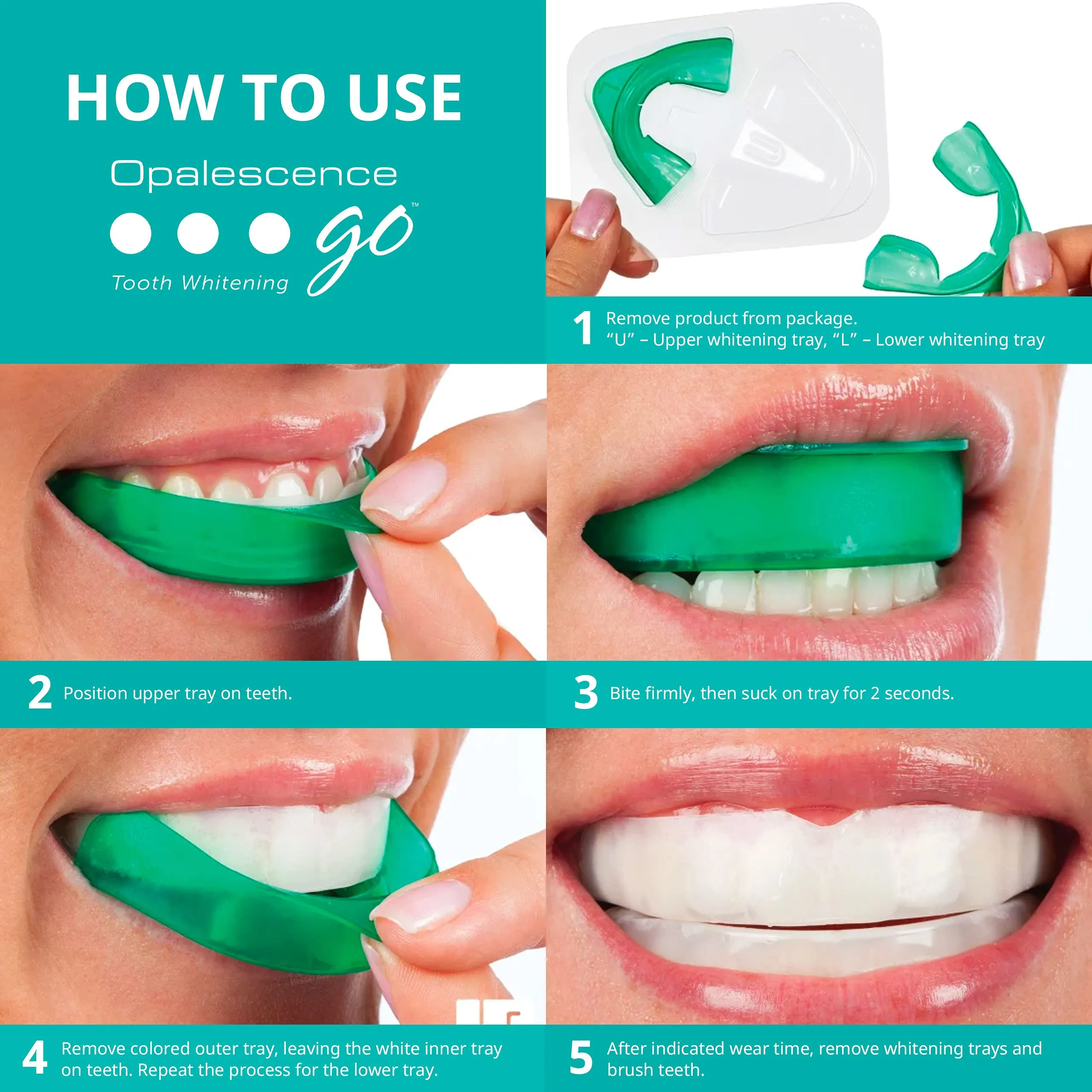
Opalescence offers a variety of whitening products, each with different concentrations of hydrogen peroxide or carbamide peroxide, the active whitening agents. The product type directly impacts the recommended frequency. For instance, Opalescence Go, designed for convenience, typically has a lower concentration and can be used more frequently. Professional-strength products like Opalescence PF, provided by dentists, may contain higher concentrations, requiring less frequent but potentially more potent applications. Understanding the specific product’s instructions and the dentist’s recommendations is essential for safe and effective whitening. Always adhere to the guidelines provided with your product, as overuse can lead to sensitivity or other complications.
Sensitivity Levels
Tooth sensitivity is a common side effect of teeth whitening. If you experience sensitivity, your whitening frequency might need to be adjusted. Some individuals are naturally more prone to sensitivity than others. Products like Opalescence PF often contain fluoride and potassium nitrate to help minimize sensitivity. If sensitivity occurs, you may need to reduce the frequency of your whitening treatments or shorten the duration of each application. Consulting your dentist is crucial to determine the best approach to manage sensitivity. They can recommend desensitizing toothpaste or other treatments. Never ignore tooth sensitivity; it is a sign that your teeth need a break from the whitening process.
The Recommended Frequency Guide

The frequency of Opalescence teeth whitening varies significantly based on the product and your individual circumstances. Always follow the instructions provided with the product or the advice of your dentist. This section provides general guidelines for common Opalescence products, but it’s important to remember that these are starting points. Adjust the frequency based on your tooth shade, sensitivity, and desired results. Regular check-ups with your dentist will help you monitor your progress and make necessary adjustments to your whitening plan. This personalized approach will ensure optimal results while protecting your oral health.
Opalescence Go
Opalescence Go is designed for convenience and ease of use, often making it suitable for more frequent application. The typical recommendation is to use the pre-filled trays for the duration specified on the product packaging, usually 15-60 minutes, once per day for a period of 5-10 days. Because of the lower concentration of the whitening agent, you can typically repeat this cycle every few months as needed to maintain your desired level of whiteness. Always assess your teeth’s sensitivity and consult with your dentist to determine if this frequency is appropriate for you.
Opalescence PF (Professional Formula)
Opalescence PF is a professional-strength formula usually provided by a dentist. Due to its higher concentration of whitening agents, it should be used under professional guidance. The typical recommendation is to apply the whitening gel using custom-fitted trays for a specific amount of time each day. Your dentist will advise on the duration and frequency based on your teeth’s condition and desired results. A common schedule might involve application for a few hours a day or overnight, for a period of 1-2 weeks, followed by maintenance as needed. Always adhere to your dentist’s instructions and monitor your teeth for sensitivity. Professional supervision is vital for ensuring safe and effective results when using stronger whitening products.
Opalescence Boost

Opalescence Boost is a chairside whitening treatment performed by a dental professional. It offers immediate results in a single visit. Since this is a professional treatment, the frequency is not something you control directly. Your dentist will determine the best course of action, usually involving one or two sessions to achieve the desired results. Following the in-office treatment, your dentist may recommend take-home maintenance options, such as Opalescence Go or PF, to sustain the whitening effect. The use of these take-home products would then follow the frequency guidelines mentioned previously.
Maximizing Results and Minimizing Risks
Achieving optimal results with Opalescence while minimizing potential risks involves adhering to specific techniques and avoiding common mistakes. Careful application, proper care before and after whitening, and a focus on oral health are essential. This section details essential practices that ensure both the effectiveness of the whitening process and the protection of your teeth and gums. Following these guidelines will contribute to a brighter, healthier smile.
Proper Application Techniques
Proper application is essential for maximizing the whitening effect and reducing risks. Always brush your teeth thoroughly before applying the whitening product to remove plaque and debris. Follow the product instructions precisely. For tray-based systems, apply a small amount of gel to each tooth compartment. Ensure the tray fits snugly and does not overflow, which can irritate the gums. For pre-filled trays, follow the directions for insertion and wear time. Avoid eating or drinking anything except water during the whitening process. Careful application ensures the whitening agent effectively contacts your teeth and minimizes contact with sensitive tissues.
Avoiding Common Mistakes

Common mistakes can reduce the effectiveness of Opalescence and increase the risk of sensitivity. Avoid using excessive amounts of gel, as this can lead to gum irritation. Do not whiten your teeth more frequently than recommended, as this can cause damage. Refrain from using whitening products if you have untreated cavities, gum disease, or other dental issues. Avoid smoking or consuming staining foods and beverages like coffee, tea, and red wine, especially immediately after whitening. Ignoring these precautions can compromise your results and potentially harm your teeth and gums. Regular dental check-ups will also help you avoid these mistakes.
Maintaining Your Whitened Smile
Maintaining a bright smile requires ongoing care and attention, extending beyond the initial whitening treatment. Following these guidelines helps to prolong the effects of Opalescence and keep your teeth looking their best. This includes post-whitening care, incorporating stain-preventative measures, and establishing a long-term maintenance plan. Regular dental check-ups also play a crucial role in ensuring the lasting beauty of your smile.
Post-Whitening Care
After whitening, your teeth are more susceptible to staining. Immediately following your treatment, avoid staining foods and beverages for at least 24-48 hours. This includes coffee, tea, red wine, and deeply colored foods. Use a soft-bristled toothbrush and avoid abrasive toothpaste, which can further irritate the teeth. Drink plenty of water to stay hydrated and help prevent stains. Consider using a desensitizing toothpaste to manage any temporary sensitivity. Avoiding these can help your teeth recover and protect your investment in a brighter smile.
Long-Term Maintenance

Long-term maintenance involves consistent oral hygiene practices and regular touch-up treatments as needed. Continue to brush your teeth at least twice a day and floss daily. Schedule regular dental check-ups and cleanings to remove plaque and surface stains. Consider using a whitening toothpaste to help maintain brightness. You may need to use Opalescence Go or custom trays occasionally for short periods to maintain your desired shade. The frequency of touch-up treatments will vary based on your diet, lifestyle, and the original whitening treatment. Discuss your maintenance plan with your dentist to customize it to your specific needs.