Are you looking to enhance your smile and boost your confidence? Professional teeth whitening in Omaha can be a game-changer. A brighter, more radiant smile can significantly impact your appearance and self-esteem. This comprehensive guide will walk you through everything you need to know about teeth whitening, from understanding the causes of tooth discoloration to choosing the right whitening option and maintaining your dazzling new smile. Whether you are looking for professional in-office treatments or prefer the convenience of take-home kits, this article will provide you with the essential information to make informed decisions and achieve the smile you have always desired.
Understanding Teeth Whitening in Omaha
Teeth whitening, also known as bleaching, is a cosmetic dental procedure designed to lighten the shade of your teeth. It works by removing stains and discoloration, revealing a brighter and more attractive smile. The effectiveness of teeth whitening depends on the type of stains, the chosen whitening method, and your individual tooth structure. It is essential to understand the different types of whitening options available in Omaha and their associated benefits to make an informed decision that aligns with your goals and preferences. Considering the various factors, such as the severity of discoloration and your lifestyle habits, will help you to select the most suitable teeth whitening approach.
What Causes Tooth Discoloration?
Tooth discoloration can arise from various factors, categorized as extrinsic (external) and intrinsic (internal) stains. Extrinsic stains affect the enamel surface, often caused by dietary habits and lifestyle choices. Intrinsic stains, on the other hand, originate from within the tooth structure, sometimes related to aging, genetics, or dental trauma. These types of discoloration can lead to a less appealing smile and affect overall confidence. Understanding the causes of discoloration helps you to take preventative steps and to select the most appropriate whitening method. Proper oral hygiene is also important in maintaining the brightness of your teeth.
Foods and Drinks That Stain Teeth

Certain foods and drinks contain pigments that can stain your teeth over time. These pigments, known as chromogens, adhere to the enamel and cause discoloration. Common culprits include coffee, tea, red wine, and dark-colored sodas. These beverages are known for their rich colors and staining potential. Other foods, such as berries, soy sauce, and curries, can also contribute to staining. Limiting your consumption of these items and practicing good oral hygiene are crucial steps to help maintain your bright, white smile and prevent future discoloration. Brushing after consuming these foods and drinks can help to reduce their impact.
Lifestyle Factors Affecting Tooth Color
Beyond diet, lifestyle choices significantly influence tooth color. Smoking and tobacco use are major contributors to tooth discoloration, leading to yellowish or brownish stains. The chemicals in tobacco products stain the enamel and can also impact overall oral health. Poor oral hygiene, including infrequent brushing and flossing, can lead to plaque and tartar buildup, causing stains. Additionally, certain medications, such as tetracycline antibiotics, can cause intrinsic staining, especially in children whose teeth are still developing. Regular dental check-ups and professional cleanings are essential to counteract the effects of these lifestyle factors and maintain a vibrant smile.
Types of Teeth Whitening Procedures in Omaha
In Omaha, you have several options for teeth whitening, each offering distinct benefits and suitability for various needs. These methods range from professional in-office treatments to convenient take-home kits and over-the-counter solutions. Your choice should consider your specific requirements, budget, and desired outcomes. Consulting with a dental professional is crucial to determining the most appropriate whitening procedure for your individual needs. This assessment ensures that you achieve the best possible results while also protecting the health and integrity of your teeth.
Professional In-Office Whitening

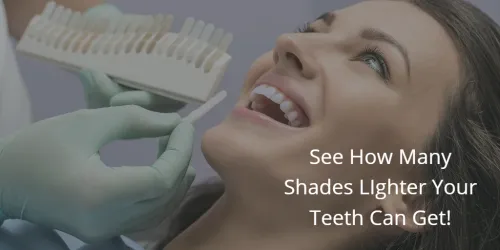
In-office teeth whitening, performed by a dental professional, is one of the fastest and most effective ways to brighten your smile. This method involves applying a high-concentration bleaching agent to your teeth, often activated by a special light or laser to accelerate the process. The entire procedure usually takes about one to two hours, and results are often immediately visible. The dentist will typically protect your gums and soft tissues before applying the whitening agent. Professional in-office whitening is an ideal choice for those seeking rapid results or who have significant tooth discoloration.
Take-Home Whitening Kits
Take-home whitening kits offer a convenient and cost-effective alternative to in-office treatments. These kits typically include custom-fitted trays and a lower-concentration bleaching agent. Your dentist will take impressions of your teeth to create trays designed to fit precisely. You then apply the whitening gel to the trays and wear them for a specified period each day, as instructed by your dentist. The duration of treatment varies depending on the desired results and the concentration of the bleaching agent. Take-home kits provide flexibility, allowing you to whiten your teeth at your convenience. They are a good choice for gradual and controlled whitening.
Whitening Toothpaste and Over-the-Counter Options
Whitening toothpaste and over-the-counter products offer a more accessible approach to teeth whitening. Whitening toothpastes contain mild abrasives or chemicals that help remove surface stains, providing a subtle whitening effect. However, they are not as effective as professional treatments for deeper discoloration. Over-the-counter whitening strips and gels offer a more concentrated whitening treatment compared to toothpaste, with strips being easy to apply and use. While these options can improve tooth appearance, they may not provide dramatic results and are not suitable for everyone. Always follow product instructions and consult with your dentist if you have any questions.
Choosing the Right Teeth Whitening Option
Selecting the right teeth whitening option depends on various factors, including your budget, the severity of your discoloration, and the desired results. It is essential to consider these factors and consult with a dental professional for personalized recommendations. A dentist can assess your oral health, determine the cause of discoloration, and suggest the most appropriate treatment. This consultation ensures that you receive the best possible results while minimizing potential risks and complications. Your dentist can explain the pros and cons of each method, helping you make an informed decision to achieve the smile you desire.
Factors to Consider Before Whitening
Before undergoing teeth whitening, several factors must be considered. First, your dental health is essential. Any existing dental issues, such as cavities or gum disease, should be addressed before whitening. Whitening agents can irritate sensitive teeth or cause discomfort if there are underlying problems. Second, the type and severity of your stains play a role in determining the most effective whitening method. Surface stains are typically easier to treat than intrinsic stains. Third, consider your budget and time commitment. In-office treatments provide immediate results but are more expensive. Take-home kits are more affordable but require consistent use over several weeks. Finally, consult with your dentist to understand the potential risks and benefits based on your unique situation.
Comparing In-Office vs Take-Home Kits
In-office and take-home whitening kits each offer distinct advantages and disadvantages. In-office treatments offer faster results, often achieving several shades lighter in just one visit. However, they are generally more expensive and may cause increased tooth sensitivity. Take-home kits provide a more gradual and controlled whitening experience, offering convenience and affordability. The results may take longer to appear, but you have more control over the process. The best choice depends on your individual needs and preferences. Discuss these options with your dentist to make an informed decision, considering factors such as the speed of results, cost, and sensitivity levels.
The Teeth Whitening Process Step by Step

The teeth whitening process typically involves several steps, whether you opt for an in-office procedure or use a take-home kit. Understanding the procedure helps you to prepare and manage your expectations. From initial consultation to post-whitening care, each step plays a crucial role in achieving optimal results and maintaining a bright, healthy smile. Following the specific instructions provided by your dentist is essential for the best outcomes. Your commitment and attention to detail can significantly impact your results and satisfaction with the treatment.
Initial Consultation and Examination
The initial consultation and examination are vital steps in any teeth whitening process. Your dentist will assess your oral health, including the presence of any cavities, gum disease, or other issues. They will also evaluate the type and severity of your tooth discoloration. This examination helps determine the best whitening method and ensures that the treatment is safe and effective for you. During the consultation, your dentist will discuss your goals, explain the procedure, and answer your questions. This is a chance to express concerns and clarify any uncertainties. This initial assessment is crucial for tailoring the treatment to your individual needs and ensuring a successful outcome.
The Whitening Procedure Itself
The whitening procedure varies depending on the method you choose. For in-office treatments, the dentist will protect your gums and soft tissues before applying a high-concentration bleaching agent to your teeth. The agent may be activated by a special light or laser. For take-home kits, you will apply the whitening gel to custom-fitted trays and wear them for a specific duration, as directed by your dentist. The active ingredient in most whitening agents is hydrogen peroxide or carbamide peroxide. It penetrates the enamel and dentin to break down the stain molecules. Both methods require you to follow the dentist’s instructions precisely to ensure the best results and minimize any potential risks.
Post-Whitening Care and Maintenance

Proper post-whitening care and maintenance are essential to ensure long-lasting results. Immediately after whitening, your teeth may be more susceptible to staining. It is important to avoid foods and drinks known to stain teeth, such as coffee, tea, red wine, and dark-colored sodas. Brushing with a whitening toothpaste can help maintain your results. Regular dental check-ups and professional cleanings are crucial for overall oral health and can help maintain your brighter smile. Maintaining a consistent oral hygiene routine, including brushing, flossing, and regular dental visits, is the key to keeping your teeth looking their best.
Maintaining Your Bright Smile
Maintaining your bright smile requires consistent effort and attention. Good oral hygiene, including regular brushing and flossing, is the foundation. Avoid or limit your intake of staining foods and drinks. Consider using a straw for beverages that can stain your teeth, such as coffee and tea. Regular dental check-ups and professional cleanings help remove surface stains and maintain overall oral health. You may also consider occasional touch-up treatments with your take-home kit or at your dentist’s office. By adopting a comprehensive approach to oral care, you can enjoy your radiant smile for an extended period.
Tips for Long-Lasting Results
To maximize the longevity of your teeth whitening results, follow these tips. Brush your teeth after consuming stain-causing foods and drinks. Use a whitening toothpaste to help maintain brightness and remove surface stains. Consider using a straw for beverages like coffee and tea to minimize contact with your teeth. Avoid smoking and tobacco products, as they can quickly discolor your teeth. Schedule regular dental check-ups and professional cleanings. Your dentist can provide touch-up treatments and monitor your oral health. By incorporating these practices into your daily routine, you can enjoy a dazzling smile for years to come.
Common Mistakes to Avoid

Avoiding common mistakes is crucial for achieving and maintaining your teeth whitening results. One mistake is over-whitening, which can lead to tooth sensitivity or enamel damage. Another mistake is not following your dentist’s instructions. Always use whitening products as directed. Ignoring the effects of staining foods and drinks will undermine your results. Not addressing underlying dental issues, such as cavities or gum disease, before whitening is another common error. Finally, neglecting regular dental check-ups and professional cleanings can diminish the longevity of your brighter smile. By avoiding these pitfalls, you will ensure a safer and more effective teeth whitening experience.
Finding a Trusted Dentist in Omaha
Choosing a trusted dentist in Omaha is crucial for a successful teeth whitening experience. Look for a dentist with experience in cosmetic dentistry and a strong reputation. Consider the dentist’s credentials, reviews, and patient testimonials. Make sure that the dental practice is equipped with the latest technology and offers a comfortable environment. During your initial consultation, assess the dentist’s communication skills and their ability to explain the procedures clearly. A good dentist will prioritize your oral health and offer personalized recommendations tailored to your needs. They will also answer all your questions and address your concerns thoroughly. Finding the right dentist ensures that you will receive high-quality care and achieve the desired results.
Questions to Ask Your Dentist
When consulting with a dentist about teeth whitening, it’s important to ask questions to ensure you have all the necessary information. Inquire about the different types of whitening procedures offered and which one is best for you. Ask about the potential risks and side effects, such as tooth sensitivity, and how they can be managed. Get detailed information about the cost of the procedure and whether the practice offers payment plans. Ask about the expected results and how long they will last. Inquire about post-whitening care instructions and any specific recommendations for maintaining your new smile. Asking these questions ensures that you feel confident and well-informed before proceeding with the treatment.
Reading Reviews and Checking Credentials

Before committing to teeth whitening, research and verify the dentist’s credentials and experience. Check their licensing and professional affiliations. Read online reviews and testimonials from other patients to get insights into their experiences. Websites such as Google Reviews, Yelp, and Healthgrades provide valuable feedback. Pay attention to comments about the dentist’s expertise, communication skills, and the overall patient experience. Contact the dental practice and speak with the staff to gauge their professionalism and responsiveness. By checking these factors, you can make an informed decision and choose a trusted dentist who will provide you with high-quality care and help you achieve your desired smile.
In conclusion, professional teeth whitening in Omaha offers a fantastic opportunity to enhance your smile and boost your confidence. By understanding the causes of tooth discoloration, exploring the various whitening options, and choosing a trusted dental professional, you can achieve a brighter, more radiant smile. Remember to follow post-whitening care instructions and maintain good oral hygiene to ensure long-lasting results. With the right approach, you can enjoy a dazzling smile that leaves a lasting impression. Take the first step towards a brighter smile today by consulting with a qualified dentist in Omaha.