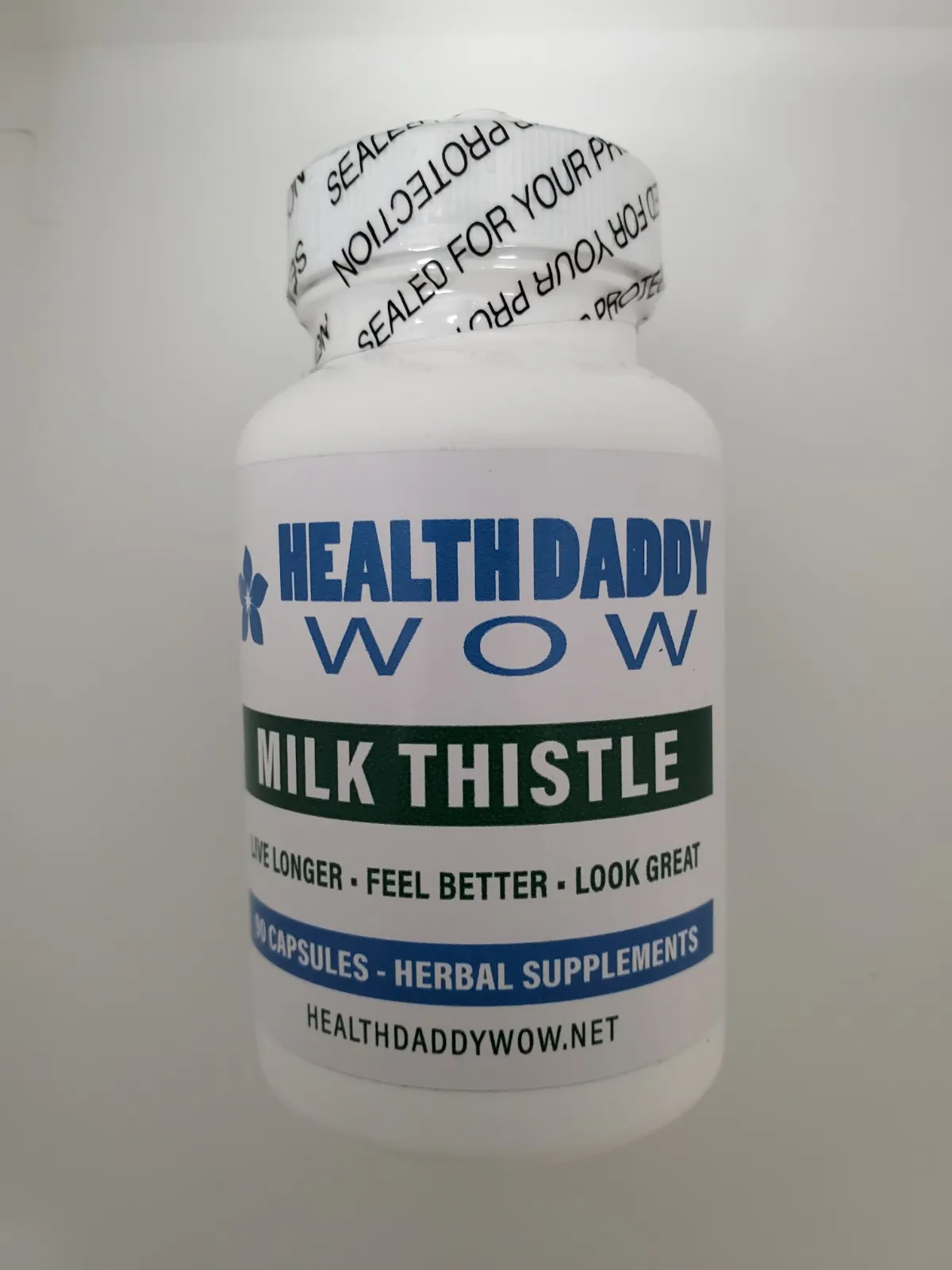
What is Milk Thistle and Skin Whitening
Milk thistle, a plant with a rich history in traditional medicine, is increasingly recognized for its potential benefits in skincare, particularly its role in skin whitening. Its active compound, silymarin, is a powerful antioxidant, offering a range of advantages that can lead to brighter, healthier skin. The idea of skin whitening often conjures up images of harsh chemicals, but milk thistle presents a natural alternative. This article explores the top five benefits of milk thistle for skin whitening, backed by scientific research and practical advice. It’s a gentle yet effective approach to achieving a more radiant complexion, without the risks associated with some conventional methods. Understanding how milk thistle works is the first step towards incorporating it into your skincare routine.
The Antioxidant Power of Milk Thistle
At the heart of milk thistle’s skin-whitening capabilities lies its potent antioxidant properties. Antioxidants are substances that protect cells from damage caused by unstable molecules known as free radicals. These free radicals are a major contributor to premature aging, skin damage, and uneven skin tone. Silymarin, the primary active component of milk thistle, is a complex of flavonoids known for their antioxidant, anti-inflammatory, and anti-aging effects. It works by scavenging free radicals, thereby reducing oxidative stress and preventing cellular damage. This protective action is crucial for maintaining healthy skin and promoting a more even complexion. By neutralizing free radicals, milk thistle helps to keep the skin looking youthful and vibrant. Antioxidants are essential for anyone looking to maintain their skin’s health and radiance.
How Antioxidants Benefit Skin
Antioxidants play a crucial role in skin health by combating oxidative stress, a condition where there’s an imbalance between free radicals and antioxidants in the body. This imbalance can lead to various skin problems, including fine lines, wrinkles, age spots, and uneven skin tone. Antioxidants work by neutralizing these free radicals, thereby preventing and repairing damage. They also help to boost collagen production, which is essential for skin elasticity and firmness. Furthermore, antioxidants have anti-inflammatory properties, which can reduce redness and irritation, and help in skin whitening. By incorporating antioxidants into your skincare routine, you’re essentially fortifying your skin’s defenses against environmental stressors and promoting a healthier, more youthful appearance. Antioxidants are a cornerstone of any effective skincare regimen.
Milk Thistle’s Role in Reducing Hyperpigmentation
One of the key benefits of milk thistle for skin whitening is its ability to address hyperpigmentation. Hyperpigmentation is the darkening of skin patches caused by an overproduction of melanin, the pigment responsible for skin color. This can result from various factors, including sun exposure, inflammation, hormonal changes, and aging. Milk thistle’s antioxidant and anti-inflammatory properties can help reduce the appearance of these dark spots. By protecting the skin from further damage and supporting the natural skin renewal process, milk thistle aids in fading existing hyperpigmentation and preventing new spots from forming. This makes it a valuable ingredient for those seeking a more even skin tone. The gentle approach of milk thistle, addressing the root causes of hyperpigmentation, makes it an attractive alternative to harsh chemical treatments.
The Science Behind Skin Whitening
Skin whitening involves processes that lighten skin tone and reduce the appearance of dark spots or uneven pigmentation. This can be achieved through various mechanisms, including inhibiting melanin production, exfoliating the skin to remove darkened cells, and reducing inflammation. Milk thistle’s effectiveness in skin whitening is primarily attributed to its antioxidant and anti-inflammatory properties. These properties not only protect the skin from damage that can worsen hyperpigmentation but also support the natural processes involved in skin renewal. Studies have shown that antioxidants can help to regulate melanin production, leading to a more even skin tone. The science behind skin whitening is complex, but milk thistle offers a natural and gentle approach to achieving a brighter complexion.
Milk Thistle and Melanin Production

Melanin is the pigment responsible for giving skin its color. Its production is influenced by various factors, including genetics, sun exposure, and inflammation. Overproduction of melanin can lead to hyperpigmentation. Milk thistle can help regulate melanin production indirectly through its antioxidant and anti-inflammatory effects. By protecting the skin from damage and reducing inflammation, milk thistle minimizes the triggers that can lead to excessive melanin production. This helps to maintain a more even skin tone. While milk thistle doesn’t directly bleach the skin, it creates an environment that supports healthy skin function and can reduce the appearance of dark spots over time. This gentle approach makes it suitable for various skin types.
Milk Thistle Benefits Top 5
Benefit 1 Enhanced Skin Brightening
Milk thistle’s antioxidant properties help to combat free radicals that can cause dullness and uneven skin tone. By neutralizing these damaging molecules, milk thistle promotes a brighter and more radiant complexion. This can be achieved over time with consistent use, as the skin’s natural glow is restored. Enhanced skin brightening is one of the most noticeable benefits, offering a healthier and more vibrant appearance. Using milk thistle regularly can help to reveal the skin’s natural luminosity.
Benefit 2 Protection Against Sun Damage

Exposure to the sun is a major contributor to skin damage and hyperpigmentation. Milk thistle’s antioxidant properties provide a degree of protection against UV-induced damage. It helps to neutralize free radicals generated by sun exposure, which can lead to premature aging and dark spots. While milk thistle should not replace sunscreen, it can act as a supplemental defense, supporting skin health and protecting against the harmful effects of the sun. This is a crucial benefit for anyone concerned about maintaining a youthful and even complexion.
Benefit 3 Reduced Inflammation
Inflammation is a common underlying cause of many skin problems, including redness, irritation, and hyperpigmentation. Milk thistle has anti-inflammatory properties that can soothe and calm the skin, reducing redness and irritation. By addressing inflammation, milk thistle helps to create a more balanced and healthy skin environment. This is particularly beneficial for individuals with sensitive skin or conditions like acne and eczema. Reduced inflammation is a key step toward achieving a clearer and more even complexion. This anti-inflammatory action is often at the core of many skin improvements.
Benefit 4 Improved Skin Tone
By combating hyperpigmentation, reducing inflammation, and supporting overall skin health, milk thistle can significantly improve skin tone. It helps to fade dark spots, even out discoloration, and promote a more uniform complexion. This can lead to a more youthful and radiant appearance. Improved skin tone is a key goal for many individuals, and milk thistle offers a natural and gentle way to achieve it. The gradual improvement in skin tone is a testament to the long-term benefits of milk thistle.
Benefit 5 Support for Overall Skin Health

Milk thistle’s antioxidant and anti-inflammatory properties contribute to overall skin health. By protecting the skin from damage, reducing inflammation, and supporting natural skin renewal processes, milk thistle promotes a healthier, more resilient complexion. This includes improved hydration, elasticity, and a stronger skin barrier. Regular use of milk thistle can lead to a noticeable improvement in skin health, making it an excellent addition to any skincare routine. This holistic approach benefits the skin in several ways.
How to Use Milk Thistle for Skin Whitening
Milk Thistle Products to Consider
Milk thistle is available in various forms, including oral supplements, topical creams, serums, and oils. When choosing a product, it’s important to consider your skin type and concerns. For example, individuals with dry skin may benefit from milk thistle oil, while those with oily skin might prefer a serum. Oral supplements can provide systemic benefits, supporting overall skin health from the inside out. Research the product ingredients and choose reputable brands to ensure quality and effectiveness. Understanding the different product options will help you find the best solution for your needs.
Dosage and Application Methods

The recommended dosage and application methods vary depending on the product. For oral supplements, follow the manufacturer’s instructions. For topical products, apply a thin layer to clean skin, following the directions on the product label. It’s often recommended to start with a low concentration or frequency and gradually increase it as your skin tolerates it. Consistency is key, so incorporate milk thistle into your daily skincare routine. Paying attention to your skin’s response is important. Consult a dermatologist if you have any concerns. Proper dosage and application ensure the effectiveness of milk thistle.
Potential Side Effects and Precautions
Milk thistle is generally considered safe for most people, but some individuals may experience side effects. These can include mild digestive upset, such as nausea or diarrhea, especially when taken orally. Topical use can sometimes cause skin irritation or allergic reactions in sensitive individuals. It’s always advisable to perform a patch test before applying a new product to a larger area of skin. If you have any underlying health conditions or are taking other medications, consult your doctor before using milk thistle. Being aware of potential side effects helps ensure a safe and positive experience.
Who Should Use Milk Thistle
Milk thistle is suitable for individuals looking to improve their skin’s brightness, even out skin tone, and protect against environmental damage. It’s particularly beneficial for those concerned about hyperpigmentation, sun damage, and premature aging. People with sensitive skin can often benefit from its anti-inflammatory properties. However, anyone with specific skin conditions or concerns should consult a dermatologist before starting to use milk thistle. This will ensure the best approach for your particular skin needs. Those looking for a natural way to enhance their skin’s health and appearance are prime candidates.
Consulting a Dermatologist

Before incorporating any new skincare ingredient, it’s always wise to consult with a dermatologist. A dermatologist can assess your skin type, identify specific concerns, and provide personalized recommendations. They can also help determine whether milk thistle is a suitable option for you and guide you on how to use it effectively. Dermatologists can offer professional advice and treatment plans tailored to your individual skin needs. Seeking professional advice ensures that you are taking the best approach for your skin. This expert guidance can help you achieve the best results while minimizing the risk of potential side effects.
In conclusion, milk thistle offers a range of benefits for skin whitening, making it a valuable addition to any skincare routine. Its antioxidant and anti-inflammatory properties help to address key concerns like hyperpigmentation, sun damage, and uneven skin tone. By incorporating milk thistle into your skincare regimen, you can promote a brighter, more radiant complexion and support overall skin health. Remember to choose quality products, follow recommended dosages, and consult a dermatologist if you have any concerns. Embrace the power of milk thistle and unlock the secret to glowing skin. This natural approach to skincare offers a gentle yet effective path to a healthier and more luminous complexion.