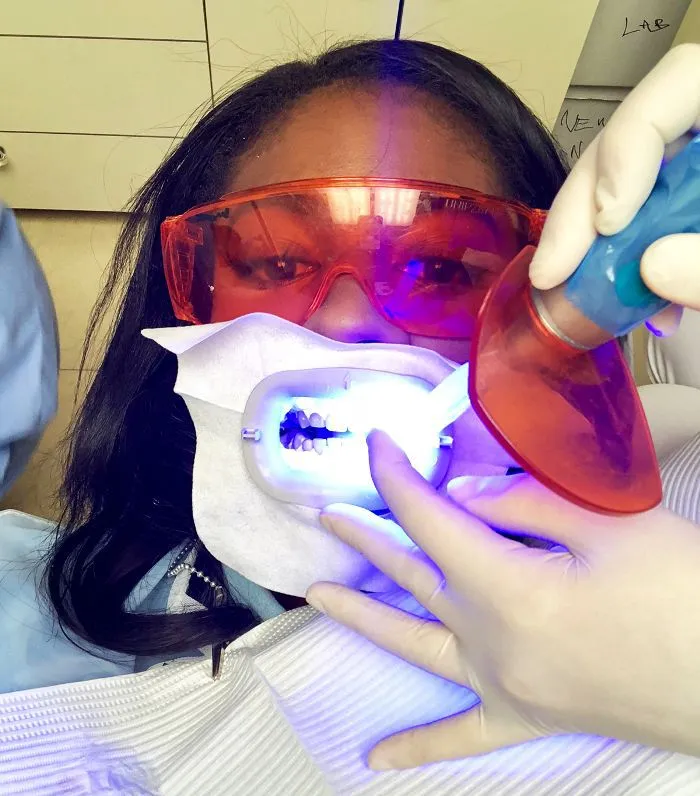
What is Laser Teeth Whitening?
Laser teeth whitening, also known as power whitening, is a cosmetic dental procedure designed to brighten the color of your teeth. This process typically involves the application of a bleaching agent, usually a hydrogen peroxide solution, to the surface of the teeth. A specialized laser light is then directed at the teeth to accelerate the whitening process. This laser light helps to activate the bleaching agent, breaking down stains and discoloration that have accumulated on the enamel over time. The entire procedure is usually completed within a single dental visit, making it a popular choice for those seeking quick and noticeable results. It’s essential to consult with a dental professional to determine if laser teeth whitening is suitable for your specific dental health conditions and aesthetic goals, as the effectiveness and potential side effects can vary from person to person. The overall goal is to achieve a significantly whiter and brighter smile through a relatively fast and efficient process.
How Laser Teeth Whitening Works
The process of laser teeth whitening is fairly straightforward, but it requires the expertise of a trained dental professional. First, the dentist will assess your teeth and gums to ensure you’re a suitable candidate for the procedure. Next, your teeth are cleaned to remove any plaque or debris. Protective measures, such as a rubber dam or gel, are then applied to your gums to shield them from the bleaching agent and the laser light. The whitening agent, often a high-concentration hydrogen peroxide gel, is applied to the surface of your teeth. After the application of the bleaching agent, a laser is used to activate the chemicals. This laser emits a specific wavelength of light that enhances the whitening effect, helping the agent to penetrate the enamel and break down the staining compounds. The laser treatment usually lasts for about 15-30 minutes, and the procedure might be repeated multiple times during the same session to achieve the desired level of whitening. After the procedure, the dentist will provide aftercare instructions and advice to help maintain your newly whitened smile.
Laser Teeth Whitening Side Effects Top 5 Facts

While laser teeth whitening is a popular cosmetic procedure, it’s crucial to be aware of its potential side effects. These side effects can range from mild and temporary to more serious, and understanding them will help you make an informed decision. The most common side effects are usually mild and temporary, often resolving within a few days or weeks. However, it is vital to discuss all potential risks with your dentist before undergoing the procedure. Always weigh the potential cosmetic benefits against the possible health implications to ensure the best outcome for your overall dental health. Being informed is key to a positive experience and maintaining a healthy, bright smile.
Tooth Sensitivity after Laser Whitening
One of the most common side effects of laser teeth whitening is tooth sensitivity. Many patients experience increased sensitivity to hot and cold foods and drinks, often within the first few days after the procedure. This sensitivity occurs because the bleaching agents can temporarily make the enamel more porous. The laser light can also contribute to this sensitivity by slightly dehydrating the teeth during the process. Fortunately, this sensitivity is usually temporary, subsiding within a few days to a few weeks. Your dentist may recommend using a toothpaste designed for sensitive teeth, which contains ingredients like potassium nitrate or stannous fluoride. These ingredients help to block the pathways to the nerve endings in your teeth, reducing discomfort. Avoiding very hot or cold foods and drinks for a short period after the treatment can also help manage the sensitivity. In rare cases, if the sensitivity persists or is severe, consult with your dentist to explore alternative solutions.
Gum Irritation as a Side Effect
Gum irritation, also known as gingivitis, is another potential side effect that can occur after laser teeth whitening. This is usually caused by the bleaching agent coming into contact with the gums during the procedure. Even with protective measures in place, some amount of the bleaching agent might still come into contact with the gum tissue. The hydrogen peroxide in the whitening solution can irritate the delicate tissues, causing redness, swelling, and soreness. The degree of irritation can vary depending on the concentration of the bleaching agent, the duration of the exposure, and individual sensitivity. Patients might experience discomfort while brushing their teeth or when eating. If gum irritation occurs, it typically resolves within a few days to a week. However, it’s important to monitor the condition and seek professional help if the symptoms worsen or do not improve.
How to Deal with Gum Irritation

Dealing with gum irritation post-whitening involves several steps to soothe the inflamed tissues and promote healing. First, use a soft-bristled toothbrush to avoid further irritation to the gums. Avoid aggressive brushing and focus on gentle cleaning, especially near the gum line. Rinsing your mouth with lukewarm salt water several times a day can help reduce inflammation and promote healing, salt water has natural antiseptic properties. Over-the-counter pain relievers, such as ibuprofen, can help manage any discomfort or pain. Avoid foods and drinks that are very hot, cold, or acidic, as they can irritate the sensitive gums. If the irritation is severe or persistent, contact your dentist or healthcare provider. They may recommend a special mouthwash or other treatments to expedite healing. Maintaining excellent oral hygiene is vital during this time to prevent infections and complications. Follow your dentist’s instructions and monitor the condition to ensure a smooth recovery.
Enamel Damage Potential
While laser teeth whitening is generally considered safe when performed by a qualified professional, there’s a potential risk of enamel damage, particularly if the procedure is not carried out correctly or if the bleaching agent is used excessively. Enamel erosion can lead to increased tooth sensitivity, a higher risk of cavities, and a general weakening of the tooth structure. The high concentrations of hydrogen peroxide used in the whitening process can, in some cases, break down the enamel’s mineral composition, making the teeth more susceptible to damage. Furthermore, the laser light itself, if not used properly, could contribute to the process by altering the tooth’s surface. It is very important that you follow the dentist’s instructions to help reduce these risk. If you have enamel erosion, it is advised to avoid getting teeth whitening.
Managing Enamel Damage
If you experience enamel damage, there are several ways to manage and mitigate the effects. First, consult your dentist for a thorough evaluation to determine the extent of the damage. In cases of mild enamel erosion, your dentist might recommend fluoride treatments to help remineralize the enamel and strengthen the teeth. Fluoride can help replace lost minerals and make the enamel more resistant to acid attacks. Using toothpaste and mouthwash that contains fluoride is essential to protect the teeth. For more severe damage, other restorative treatments, such as dental bonding or veneers, may be necessary. These procedures can repair the enamel and restore the tooth’s appearance and function. Regular dental check-ups are crucial to monitor the enamel’s condition and detect any potential issues early. Practicing good oral hygiene, including brushing twice a day and flossing daily, is essential to protect the enamel and prevent further damage. Avoid excessive consumption of acidic foods and drinks. If you experience tooth sensitivity, consult your dentist for suitable treatments to manage the discomfort.
The Impact on Existing Dental Work

Laser teeth whitening only affects the natural enamel of your teeth; it does not whiten existing dental work such as fillings, crowns, bridges, and veneers. This means that if you have these types of restorations, they will remain the same color after the whitening treatment, while your natural teeth become lighter. This can result in a mismatch between your whitened teeth and your dental work. If the difference in color is significant, it might be noticeable, particularly in the front of your mouth. In some cases, you might need to consider replacing your existing dental work to match the new shade of your whitened teeth. It’s essential to discuss this with your dentist before undergoing laser teeth whitening to determine the best course of action. They can assess your dental work and discuss the potential need for replacement or other cosmetic adjustments. They can also help you to choose the right shade for your new dental work, helping to blend your new whiter teeth with your dental work.
Allergic Reactions and Laser Whitening
Although rare, some individuals may experience allergic reactions to the bleaching agents or other materials used during laser teeth whitening. Allergic reactions can range from mild symptoms, such as a rash or itching, to more severe reactions, such as difficulty breathing or swelling. If you have a known history of allergies, particularly to peroxide-based products, inform your dentist before the procedure. They can assess your risk and take necessary precautions. During the procedure, if you experience any signs of an allergic reaction, such as hives, itching, swelling, or difficulty breathing, seek immediate medical attention. Your dentist will be prepared to provide assistance or refer you to a medical professional. The most common ingredients in the whitening solution are typically hydrogen peroxide or carbamide peroxide. In rare cases, other ingredients in the bleaching agent or the protective materials used during the procedure could trigger an allergic reaction. Carefully reviewing the ingredients with your dentist is important if you have known allergies. Being prepared and taking preventative measures can help ensure a safer and more comfortable experience.
Post-Whitening Care and Maintenance
Maintaining your newly whitened smile requires proper post-whitening care and regular maintenance. After the procedure, your teeth will be more susceptible to staining, so it’s crucial to avoid foods and drinks that can stain your teeth, such as coffee, tea, red wine, and dark-colored berries, especially in the first few days. If you consume these items, brush your teeth soon after to minimize staining. Additionally, quit smoking and avoid other tobacco products to prevent discoloration. Regular brushing twice a day and flossing daily are essential to maintain good oral hygiene and keep your teeth bright. Use a whitening toothpaste to help maintain your results, but be careful not to overdo it, as excessive use can lead to enamel abrasion. Schedule regular dental check-ups and cleanings to monitor your results and receive professional advice. Your dentist may also recommend touch-up treatments every few months or years to maintain your desired level of whiteness. Proper care and maintenance will help you enjoy your brighter smile for a more extended period.