Understanding iWhite Teeth Whitening
iWhite teeth whitening products offer a convenient and effective way to brighten your smile from the comfort of your own home. These products have gained popularity for their ease of use and noticeable results. This comprehensive guide will walk you through everything you need to know about iWhite, from understanding its components and application to aftercare and potential side effects. Whether you’re new to teeth whitening or looking to enhance your current routine, this guide provides valuable insights for achieving a dazzling, white smile. Understanding the process and following the guidelines ensures you get the best possible outcomes and maintain the health of your teeth.
What is iWhite Teeth Whitening
iWhite is a brand specializing in teeth whitening products that are designed for home use. Their product range includes pre-filled whitening trays, whitening toothpastes, and other innovative solutions. The primary goal of iWhite is to deliver professional-grade whitening results without the need for a dentist visit. These products typically use a unique formulation that is both effective at removing stains and gentle on tooth enamel. The brand emphasizes ease of use and convenience, making it a popular choice for individuals seeking a brighter smile. iWhite products are a great alternative for people who prefer to whiten their teeth in a comfortable way in their homes.
The Science Behind iWhite

iWhite products generally work by using active ingredients, such as PAP (Phthalimidoperoxycaproic Acid) or similar compounds, that gently lift stains from the surface of your teeth. These ingredients work by oxidizing the staining molecules, breaking them down, and making them less visible, without damaging the enamel. The products are designed to be enamel-safe and are often formulated with additional ingredients that help to strengthen and protect teeth. The effectiveness of iWhite is due to the active ingredients that come into direct contact with the teeth for a certain period, ensuring effective and efficient whitening. This method of action ensures that teeth whitening is accomplished without causing harm to the teeth.
Types of iWhite Products
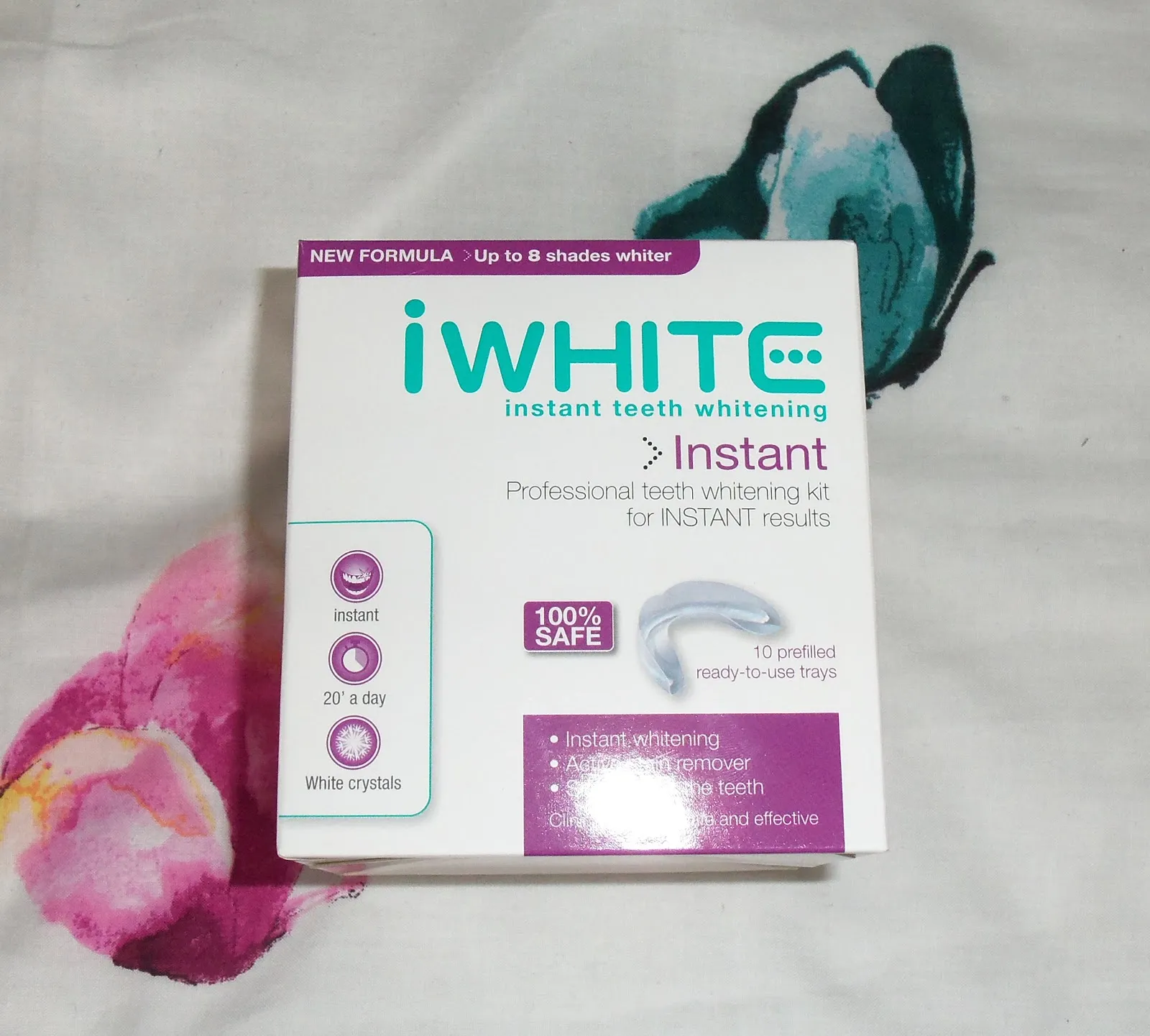
iWhite offers a diverse range of products tailored to different needs and preferences. The most popular product is the iWhite Instant Whitening Kit, which includes pre-filled, ready-to-use trays. These trays are designed for easy application and provide noticeable whitening effects after just one use. Besides, iWhite also offers whitening toothpastes, which are designed for daily use and maintenance of the whitening effect. Other innovative products include whitening mouthwashes and stain removal toothbrushes. Choosing the appropriate product depends on your desired level of whitening and your daily routine. Each product comes with clear instructions to ensure the best results and a safe whitening experience. These are all great choices to consider to maintain the cleanliness of your teeth.
Step-by-Step Guide How to Use iWhite
Using iWhite teeth whitening products is a straightforward process. Following these steps will help you achieve the best results and avoid any potential issues. Before you start, it’s important to read all instructions included with your specific iWhite product. The steps below give you a general idea of how to use it, but specific instructions may vary depending on the product. Make sure you prepare your teeth to guarantee that all steps are executed correctly.
Preparation Before Whitening

Before you begin using iWhite, take some time to prepare. Ensure your teeth are clean by brushing and flossing before the whitening treatment. Also, it is advisable to check the condition of your teeth. If you have any dental issues, such as cavities or gum disease, consult your dentist before starting. Avoid eating, drinking, or smoking immediately before or during the treatment. Make sure you read all the product instructions and become familiar with the steps to be taken. Having everything set up beforehand helps make the whitening process go smoothly and helps achieve better results. It is best to prepare everything to make sure the process is successful.
Step 1 Clean Your Teeth
Brush your teeth thoroughly to remove any plaque and food particles. Use your regular toothpaste and brush for this step. Floss to remove any debris between your teeth. Rinsing your mouth with water can also help to remove any residual toothpaste. This ensures the whitening product can directly contact the tooth surface and work efficiently. Ensuring your teeth are clean is a fundamental first step in any teeth-whitening routine. This will improve the overall outcome of the treatment and helps to avoid any problems during the process. Brushing and flossing your teeth is the best way to remove any debris between the teeth.
Step 2 Apply the iWhite Product
If using iWhite trays, carefully remove them from the packaging. Place the tray in your mouth, ensuring it fits comfortably over your teeth. If using a whitening toothpaste, apply a small amount to your toothbrush and brush your teeth, making sure to cover all surfaces evenly. Make sure that your teeth are fully covered. Follow the instructions provided with your specific iWhite product. For kits, follow the instructions on how long the product should remain in your mouth. Proper application ensures that the whitening agent can reach all areas of your teeth. Avoid swallowing any of the product during this step. Following these instructions is essential to a successful whitening process.
Step 3 Waiting time and procedure

Once the product is applied, follow the recommended waiting time specified in the product instructions. This typically ranges from a few minutes to an hour, depending on the product. During this time, avoid eating, drinking, or smoking. This will help maximize the whitening effects. You can relax and engage in a quiet activity, but avoid anything that might disrupt the process. Once the time is up, remove the trays or rinse your mouth, as directed by the product instructions. Waiting the appropriate time frame is crucial for achieving the best whitening results.
Step 4 Rinsing your teeth
After the recommended time, remove the tray or brush your teeth as instructed. Rinse your mouth thoroughly with water to remove any residual whitening product. Avoid swallowing the rinse. For some products, you might need to brush your teeth with your regular toothpaste to remove any remaining gel. Be careful not to brush too aggressively, as this could cause irritation. If you experience any sensitivity, rinsing with lukewarm water may help. Proper rinsing is essential to remove the whitening agents and any potential residues. This ensures you feel refreshed after each whitening session.
Aftercare and Maintenance
Proper aftercare and maintenance are crucial for preserving your newly whitened smile. Following these guidelines can help you maintain your results for as long as possible. Regular care and maintenance can help ensure that your teeth stay white and healthy for an extended period. It is very important to follow a good oral hygiene routine, which includes cleaning and other steps you may consider. Doing these things will ensure you keep your teeth healthy, not only to maintain the whitening effects but also to avoid oral problems.
Tips for Maintaining Whitened Teeth

To maintain your bright smile, practice good oral hygiene. Brush your teeth at least twice a day with a whitening toothpaste and floss daily. Use a mouthwash to keep your teeth clean and your breath fresh. Schedule regular dental check-ups and cleanings to keep your teeth healthy and prevent stains. You may also want to consider using iWhite maintenance products to further extend your results. Avoid smoking and limit your consumption of staining foods and beverages. Proper oral hygiene and maintenance is essential to help prevent stains and discoloration.
Foods and Drinks to Avoid
Certain foods and drinks can stain your teeth and diminish the effects of whitening treatments. Minimize your intake of coffee, tea, red wine, and dark-colored sodas. Avoid highly pigmented foods like berries, soy sauce, and curries. If you consume these items, rinse your mouth with water afterward or brush your teeth to minimize staining. Smoking also contributes to tooth discoloration. Being mindful of your diet and habits can help you maintain your white smile for longer. Limiting consumption of these kinds of food will prevent staining and discoloration. This will ensure that your teeth stay white and healthy.
Regular Dental Check-ups
Schedule regular check-ups and cleanings with your dentist to maintain optimal oral health. Professional cleanings can remove surface stains and help to keep your teeth looking their best. Your dentist can also assess your overall oral health and recommend additional treatments if needed. Follow your dentist’s recommendations for maintaining your white smile, which may include touch-up whitening treatments. Regular dental visits will ensure that your teeth are healthy and that any potential issues are addressed promptly. They will also help you with maintenance steps and will prevent any serious problems from emerging in the future.
Potential Side Effects and Solutions

While iWhite teeth whitening products are generally safe, some individuals may experience side effects. Understanding these potential issues and how to address them will help you use the products safely and effectively. Always follow the product instructions and consult your dentist if you have any concerns. If you experience any side effects, they should be properly addressed. Understanding the potential side effects is essential to ensure that your teeth whitening experience is as comfortable and successful as possible. This will enable you to achieve a brighter, whiter smile.
Sensitivity
Tooth sensitivity is a common side effect of teeth whitening. You might experience a temporary increase in sensitivity to hot or cold temperatures. To alleviate this, you can use a toothpaste designed for sensitive teeth, which can help block the tubules in your teeth. Avoid overly hot or cold foods and beverages during the whitening process. Consider using the iWhite product less frequently or for shorter durations. If the sensitivity is severe or prolonged, consult your dentist. Experiencing sensitivity may be uncomfortable, and there are a number of ways to overcome this side effect. Ensure that you avoid harsh products, and brush gently.
Irritation
Some individuals may experience mild gum irritation after using iWhite products. This can manifest as redness, swelling, or tenderness of the gums. To minimize irritation, ensure the whitening product does not come into direct contact with your gums. If irritation occurs, discontinue use and consult your dentist. Rinse your mouth thoroughly with water after each application. Using a soft-bristled toothbrush and brushing gently can also help. Making sure the product is properly applied, can help in avoiding any kind of irritation. If the irritation persists or worsens, discontinue use and consult your dentist.
When to Consult a Dentist

While iWhite products are designed for home use, it’s essential to know when to seek professional dental advice. If you experience severe sensitivity, persistent gum irritation, or any other unusual symptoms, consult your dentist. If you have any pre-existing dental conditions, such as cavities or gum disease, it’s best to consult your dentist before starting a whitening treatment. Your dentist can assess your oral health and advise you on the best approach for achieving a whiter smile. They may also recommend professional whitening treatments if needed. It is essential to know when to seek professional help to get the best results.