What is Hydrogen Peroxide Teeth Whitening Overnight
Hydrogen peroxide teeth whitening overnight is a popular DIY method that promises to brighten your smile while you sleep. It involves using a diluted solution of hydrogen peroxide to help remove stains and discoloration from your teeth. This method has gained traction because of its convenience and accessibility. Many people are looking for quick, affordable ways to improve their dental aesthetics without the cost and commitment of professional treatments. The appeal lies in the possibility of achieving a whiter smile with minimal effort overnight, making it a convenient option for busy individuals. However, it’s essential to understand the mechanism behind hydrogen peroxide’s effectiveness and the potential risks involved before trying this method.
How Hydrogen Peroxide Works for Teeth Whitening
Hydrogen peroxide acts as a bleaching agent by penetrating the enamel of your teeth and breaking down the stains. These stains are typically caused by various factors such as coffee, tea, wine, and tobacco use. The chemical reaction, through oxidation, helps to lighten the discolored molecules. This process is fundamentally the same as what dentists use in professional whitening treatments, although the concentrations and methods differ. The effectiveness depends on factors like the concentration of hydrogen peroxide, the contact time, and the type of stain. It’s crucial to dilute the solution correctly to prevent any damage to the teeth or gums. For successful teeth whitening, it is essential to follow safety guidelines and consult with a dentist before trying any new methods.
Understanding the Chemistry Behind It

At a chemical level, hydrogen peroxide (H2O2) is a compound that readily decomposes into water and oxygen. The oxygen released is what provides the bleaching effect. When applied to teeth, the oxygen molecules penetrate the enamel and react with the stain molecules, breaking them apart and making them less visible. The concentration of hydrogen peroxide plays a crucial role in this process; higher concentrations typically lead to faster whitening but also increase the risk of side effects. The effectiveness of this method relies on the proper concentration and duration of application. It is important to note that this method may not work for all types of stains or all individuals and that results can vary. Consult a dental professional for more comprehensive advice.
Fact 1 Overnight Whitening Effectiveness
The effectiveness of overnight hydrogen peroxide teeth whitening can vary widely depending on several factors. For some, it may produce noticeable results, while for others, the impact might be minimal. The degree of whitening depends largely on the type and severity of stains present on the teeth. Surface stains from coffee, tea, or tobacco tend to respond better than deeper, intrinsic stains. The concentration of hydrogen peroxide used, the duration of contact, and the individual’s tooth enamel all play critical roles. Overnight treatments may provide subtle changes over time, but they are generally less effective than professional treatments with higher concentrations. If the objective is dramatic whitening, overnight methods may fall short. It is essential to manage expectations and be aware of the limitations and consult a dentist.
Research and Studies on Overnight Whitening
The scientific literature on the effectiveness of overnight hydrogen peroxide teeth whitening is limited. Most studies focus on professional whitening treatments where higher concentrations of hydrogen peroxide are used under dental supervision. The research that exists suggests that lower concentrations, like those typically used at home, may result in slight improvements over time. However, the results are often less dramatic and consistent compared to professional procedures. More research is needed to fully understand the long-term effects and optimal methods for safe and effective overnight whitening. Therefore, always consider the advice and consult a dental professional before making any changes to your dental care routine.
Fact 2 Safety Considerations

When considering hydrogen peroxide teeth whitening overnight, safety is paramount. Using the incorrect concentration of hydrogen peroxide can lead to significant dental issues. Higher concentrations, such as those used by dental professionals, are typically applied for a limited time, under controlled settings. Overnight application, particularly with a solution that is too strong, can cause damage. Diluting hydrogen peroxide to the appropriate concentration is crucial. It is generally recommended to use a 3% solution, further diluted to minimize the risk of adverse effects. Always consult with a dentist before starting any teeth whitening treatment. They can assess your specific needs and determine whether hydrogen peroxide whitening is appropriate for you.
Potential Side Effects and Risks
The most common side effects of hydrogen peroxide teeth whitening include tooth sensitivity and gum irritation. Some individuals may experience increased sensitivity to hot or cold foods and drinks. Gum irritation can manifest as redness, swelling, or soreness. In rare cases, excessive or prolonged use can lead to more severe issues like enamel erosion. Another potential risk is the uneven whitening of teeth, where certain areas may become brighter than others. This can occur if the application is not uniform or if there are existing dental restorations, such as fillings or crowns. Be aware of the possible side effects and consult with your dentist if any concerns arise. They can help to manage and mitigate these risks effectively.
How to Minimize Risks
To minimize the risks associated with hydrogen peroxide teeth whitening overnight, several precautions should be taken. First and foremost, use a diluted solution of hydrogen peroxide, usually 3%, and further dilute it. Always follow the instructions carefully and avoid exceeding the recommended application time. Consider using a desensitizing toothpaste for a few weeks before starting the whitening process to reduce tooth sensitivity. Applying petroleum jelly to the gums can help protect them from irritation. It is essential to consult with a dentist before starting this or any other teeth whitening method. They can perform an oral examination and advise you on whether this method is suitable for your specific dental health situation. Regular dental checkups are essential throughout the process to monitor your progress and address any issues promptly.
Fact 3 Application Methods

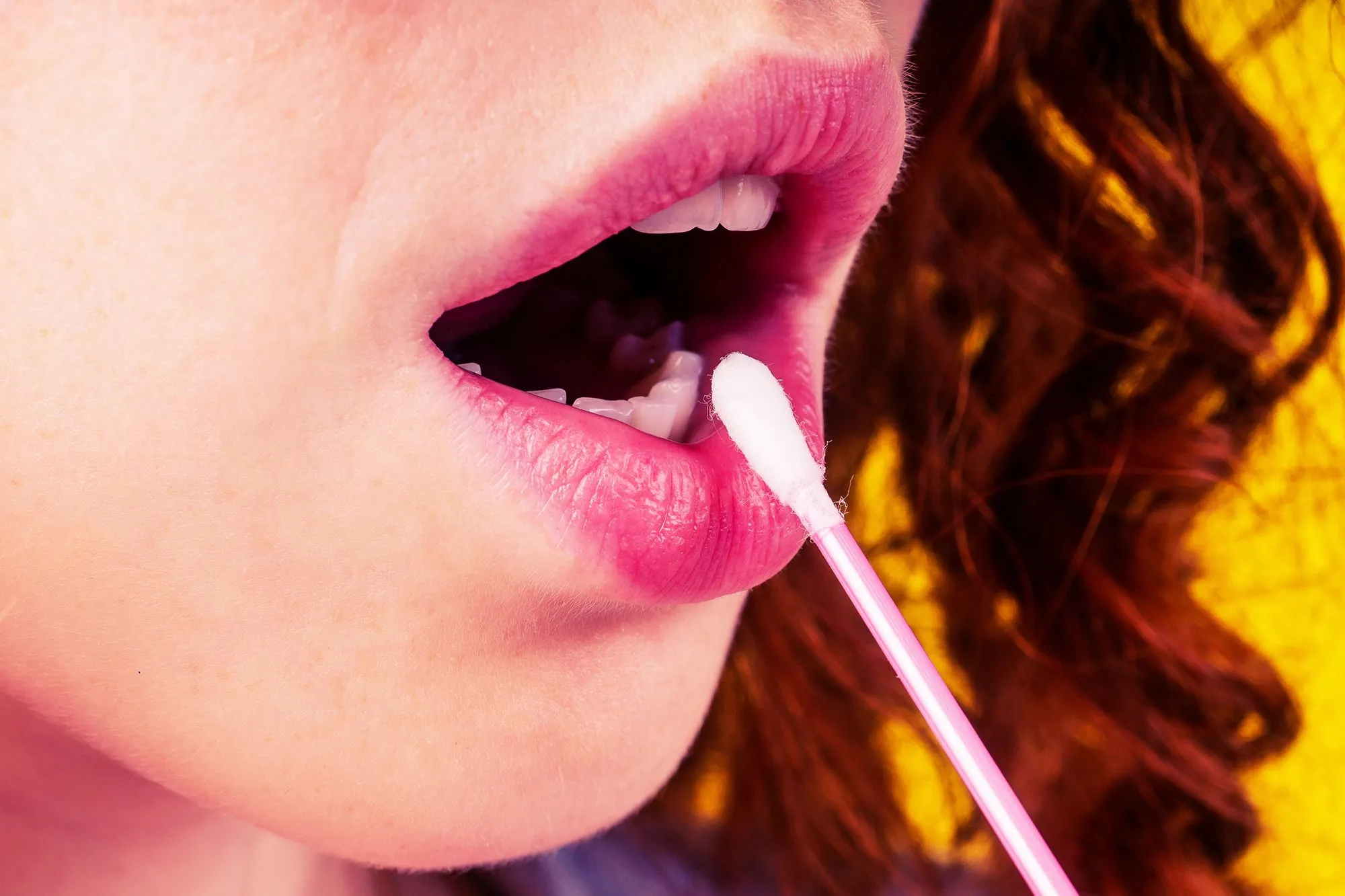
There are several methods for applying hydrogen peroxide to your teeth for overnight whitening. The most popular DIY methods include using a mouth tray, cotton swabs, or a homemade paste. With the mouth tray method, you fill a tray with a diluted hydrogen peroxide solution and wear it overnight. However, this is not commonly recommended, as it can increase the risk of gum irritation. Using cotton swabs is a more localized approach; you can dip the swabs into the diluted solution and apply it to each tooth. Another method involves making a paste of hydrogen peroxide and baking soda and applying it to the teeth. It’s important to ensure that the chosen method provides even coverage and avoids contact with the gums as much as possible. Consider the risks before choosing this method and consult a professional.
DIY Methods with Hydrogen Peroxide
When opting for DIY methods, ensuring the correct dilution of hydrogen peroxide is important to prevent damage to your teeth and gums. Generally, a 3% hydrogen peroxide solution should be diluted further. You can mix a small amount of hydrogen peroxide with water, making sure it is only a very mild concentration before use. Applying this mixture to your teeth can be done with cotton swabs, ensuring that the solution does not touch your gums. Many DIY approaches involve creating a paste with baking soda. While baking soda can help with stain removal, its abrasive nature can potentially damage the enamel if used too frequently or vigorously. Therefore, it’s crucial to use these methods sparingly and cautiously. Always consult a dentist, as DIY methods don’t provide the same level of safety as professional treatments.
Using Hydrogen Peroxide Mouthwash
Hydrogen peroxide mouthwash is a popular and relatively safe option compared to overnight treatments. It involves rinsing your mouth with a diluted hydrogen peroxide solution for a short period. Usually, the solution should be at a low concentration, such as 1.5%. Using hydrogen peroxide mouthwash can help with teeth whitening and provide antibacterial benefits. When used correctly, hydrogen peroxide mouthwash can help to remove surface stains and freshen breath. It is important to follow the product instructions carefully and not swallow the solution. While it is gentler than other methods, it is still essential to consult a dentist to ensure that hydrogen peroxide mouthwash is appropriate for your oral health needs and won’t cause any adverse effects. Regular use may contribute to a whiter smile over time.
Fact 4 Expected Results

The expected results from overnight hydrogen peroxide teeth whitening can vary significantly depending on individual factors. Generally, the results tend to be subtle rather than dramatic. For some, there may be a slight improvement in the shade of their teeth. However, it’s important to manage expectations and not anticipate the same results as with professional whitening treatments. The level of improvement also depends on the type of stains and the frequency of application. Surface stains from foods and drinks are more likely to respond to this method than intrinsic stains. It is important to be realistic about the potential outcomes and understand that the results may take time to become visible. Combining it with good oral hygiene practices can also enhance the effects.
Factors Affecting Whitening Results
Several factors influence the whitening results of hydrogen peroxide teeth whitening. The type of stains is a major determinant. Extrinsic stains, which occur on the tooth’s surface from coffee, tea, and tobacco, are more likely to be removed. Intrinsic stains, those that are embedded within the tooth structure, are more challenging to remove and may not respond well to this method. The concentration of hydrogen peroxide also plays a key role. Lower concentrations, like those used in DIY methods, provide slower results. Furthermore, individual tooth enamel characteristics, such as porosity and thickness, can affect how well the whitening agent penetrates the tooth. The consistency of the treatment is important; irregular applications may lead to inconsistent results. Lifestyle choices, such as diet and smoking habits, can impact the long-term effects of whitening.
How to Maintain Results
Maintaining the results of hydrogen peroxide teeth whitening involves a combination of good oral hygiene practices and lifestyle adjustments. Regular brushing with a whitening toothpaste can help remove surface stains and keep your teeth bright. Avoiding or limiting foods and drinks known to stain teeth, such as coffee, tea, and red wine, is essential. Using a straw can reduce the contact of staining beverages with your teeth. It’s also advisable to quit smoking or reduce tobacco use, as these habits can quickly darken your teeth. Scheduling regular dental checkups and professional cleanings helps maintain your oral health and can prevent stains. Periodic touch-up treatments may be needed to keep your smile looking its best.
Fact 5 Alternatives and Considerations

Before trying overnight hydrogen peroxide teeth whitening, consider the available alternatives. Professional teeth whitening treatments, performed by a dentist, offer faster and more dramatic results. These treatments use higher concentrations of hydrogen peroxide, applied under controlled conditions. Over-the-counter whitening products, such as whitening strips and gels, are also available and typically provide a safer option than homemade solutions. These products often contain lower concentrations of hydrogen peroxide and are designed to be used as directed. Natural alternatives like oil pulling and the use of activated charcoal are also options, although their effectiveness is not as well-established. When weighing your options, it is crucial to weigh your personal needs and your budget, and always consult a dentist.
Professional Whitening Options
Professional teeth whitening offers significant advantages over at-home methods. Dentists can use higher concentrations of hydrogen peroxide or other whitening agents. The process is performed under controlled conditions, reducing the risk of damage to your teeth and gums. Professional treatments can produce dramatic results. Dentists also use specialized techniques such as laser whitening or light-activated whitening to enhance the bleaching process. Before undergoing professional whitening, your dentist will conduct a thorough examination to assess your oral health and ensure that the treatment is appropriate. They also provide instructions on how to care for your teeth after the procedure. While professional whitening can be more expensive, it often provides more consistent and long-lasting results, making it a worthwhile investment for some individuals.
When to Consult a Dentist
Consulting a dentist before attempting any teeth whitening method is highly recommended. A dentist can evaluate your oral health and identify any underlying issues, such as cavities or gum disease, that could be exacerbated by whitening treatments. They can also advise you on the most appropriate whitening method for your specific needs and provide professional teeth cleaning. If you experience any sensitivity, pain, or other adverse effects during your whitening treatment, you should stop immediately and consult your dentist. They can diagnose the problem and recommend treatment. Regular dental checkups are essential to monitor your oral health and ensure the safety and effectiveness of your whitening efforts.