Understanding Hydrogen Peroxide Teeth Whitening
Teeth whitening has become a popular cosmetic procedure, with many people seeking brighter smiles. While professional treatments exist, at-home methods, such as using hydrogen peroxide, offer a more accessible and often cost-effective alternative. However, it’s crucial to approach at-home teeth whitening with caution, understanding both the potential benefits and risks. This guide will delve into the specifics of using hydrogen peroxide for teeth whitening at home, providing you with the knowledge needed to make informed decisions and achieve a healthier, more radiant smile.
What is Hydrogen Peroxide and How Does It Work?
Hydrogen peroxide (H2O2) is a chemical compound with a slightly acidic nature. It’s a common disinfectant and bleaching agent, found in various concentrations in household products. In the context of teeth whitening, hydrogen peroxide works by penetrating the enamel of your teeth and breaking down stain molecules. The oxidation process lightens the discoloration, resulting in a whiter appearance. The effectiveness depends on the concentration of hydrogen peroxide used and the length of time it’s applied. It’s important to note that higher concentrations can pose greater risks, making it crucial to follow safety guidelines.
Hydrogen Peroxide’s Role in Teeth Whitening

Hydrogen peroxide plays a pivotal role in teeth whitening by acting as an oxidizing agent. When applied to the teeth, it releases oxygen molecules that react with the stain compounds on and within the enamel. These reactions break down the stain molecules, effectively lightening the teeth. The strength of the hydrogen peroxide solution determines the speed and intensity of the whitening process. Dental professionals use higher concentrations for in-office treatments, while at-home kits typically use lower concentrations to minimize the risk of side effects. Understanding its mechanism is essential for using it safely and effectively.
Getting Started At-Home Hydrogen Peroxide Teeth Whitening
Before starting any at-home teeth whitening procedure, it’s essential to consult your dentist. They can assess the health of your teeth and gums, ensuring that whitening is a safe option for you. If you have any existing dental work, such as fillings or crowns, your dentist can advise on how the whitening process might affect them. Furthermore, they can provide personalized recommendations for the best approach based on your specific needs and oral health. Remember, professional guidance is crucial to minimize risks and achieve the best results.
What You’ll Need for Whitening
To start your at-home teeth whitening journey, you’ll need a few essential items. First, acquire a food-grade hydrogen peroxide solution, typically a 3% concentration. Higher concentrations are available, but they should be used with extreme caution and under professional guidance. You’ll also need a clean toothbrush, preferably a soft-bristled one to avoid irritating your gums. Additionally, consider using a small mixing bowl or container to prepare the solution, and a cotton swab or cotton balls for application. Finally, it’s advisable to have a timer to accurately track the application time and avoid overexposure.
Step-by-Step Guide How To Whiten Your Teeth

Following a structured approach is essential when using hydrogen peroxide for teeth whitening. This section provides a detailed, step-by-step guide to help you achieve the best results while minimizing potential risks.
Whitening Your Teeth Step 1
Begin by brushing your teeth thoroughly with regular toothpaste. This removes surface debris and food particles, ensuring the hydrogen peroxide can effectively reach the tooth enamel. Rinse your mouth with water after brushing to remove any remaining toothpaste residue. Make sure to use a soft-bristled toothbrush to avoid irritating your gums during the cleaning process. This initial step prepares your teeth for the whitening treatment, optimizing its efficacy.
Whitening Your Teeth Step 2
Pour a small amount of the 3% hydrogen peroxide solution into a clean container. Dip a cotton swab or cotton ball into the solution, ensuring it’s saturated but not dripping. Apply the hydrogen peroxide evenly to the surface of your teeth, making sure to cover all visible areas. Avoid getting the solution on your gums as it can cause irritation. Be meticulous to ensure consistent coverage for the best results. This method ensures that the whitening agent comes into direct contact with your teeth.
Whitening Your Teeth Step 3
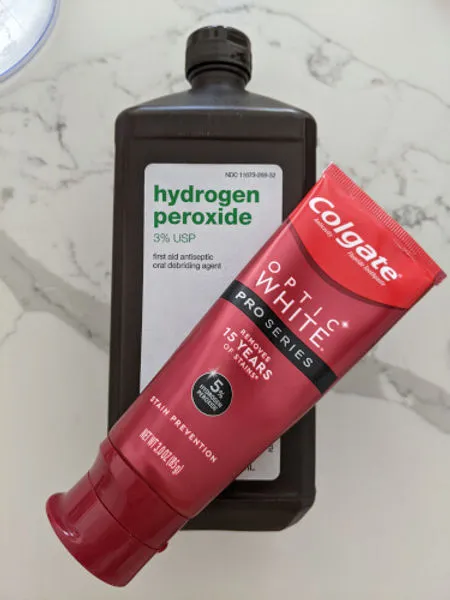
Allow the hydrogen peroxide to sit on your teeth for about 1-2 minutes. Do not exceed this time to avoid potential gum irritation or enamel damage. During this period, refrain from swallowing the solution. You can gently close your mouth, but avoid clenching your teeth tightly. Use a timer to keep track of the duration accurately. This step is critical for allowing the hydrogen peroxide to oxidize the stains on your teeth effectively without causing harm.
Whitening Your Teeth Step 4
After the designated time, rinse your mouth thoroughly with water. Be sure to remove all traces of hydrogen peroxide. You can brush your teeth again with regular toothpaste, but this isn’t strictly necessary unless you prefer it. It’s essential to remove any remaining hydrogen peroxide to prevent prolonged exposure, which can cause sensitivity. This final step completes the at-home whitening process. Observe any changes in your teeth and reassess after a few days.
Important Precautions and Safety Measures
When using hydrogen peroxide for teeth whitening, it’s crucial to prioritize safety. Always use a 3% concentration hydrogen peroxide solution, as higher concentrations can cause severe damage. Avoid swallowing the solution to prevent internal irritation. If you experience any discomfort, such as increased tooth sensitivity or gum irritation, discontinue use immediately and consult your dentist. Store the hydrogen peroxide in a cool, dark place, out of reach of children. Never mix hydrogen peroxide with other chemicals, as this can create dangerous reactions. Careful adherence to these precautions will ensure a safe and effective experience.
Potential Risks and Side Effects

While hydrogen peroxide can effectively whiten teeth, it’s important to be aware of potential risks and side effects. Common side effects include increased tooth sensitivity and gum irritation. In some cases, prolonged use or high concentrations can lead to enamel erosion and increased risk of cavities. If you experience any of these adverse effects, stop using hydrogen peroxide immediately and consult your dentist. Additionally, hydrogen peroxide may not be suitable for everyone, especially those with existing dental issues or sensitive teeth. Always consider consulting with a dental professional before starting.
Dosage and Frequency Guidelines
To minimize risks and achieve the best results, adhere to recommended dosage and frequency guidelines. Generally, you should apply 3% hydrogen peroxide for no more than 1-2 minutes per application. Avoid frequent use; limit the treatment to once or twice a week. Overuse can lead to increased sensitivity and enamel erosion. Monitor your teeth and gums closely for any adverse reactions. If you notice increased sensitivity or any signs of irritation, reduce the frequency or discontinue use. Regular dental check-ups are essential to assess your oral health and adjust your whitening regimen as needed.
Alternative Whitening Methods at Home
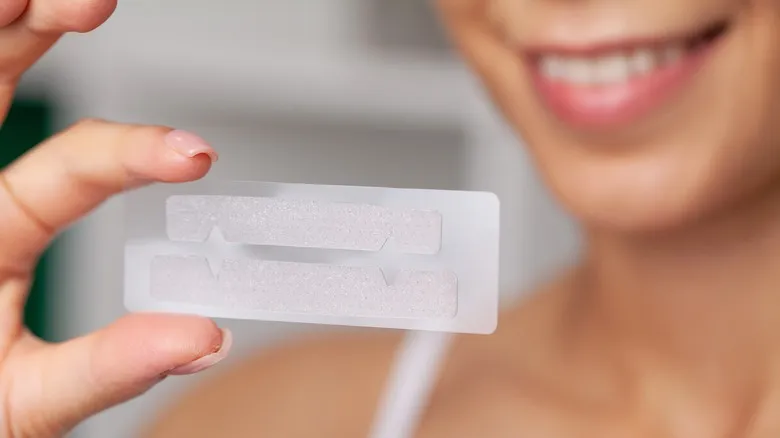
If hydrogen peroxide isn’t the best fit for you, several alternative at-home whitening methods exist. Whitening toothpaste, which contains mild abrasives and/or bleaching agents, can help remove surface stains. Whitening strips are another popular option, offering pre-portioned doses of hydrogen peroxide or other whitening agents. You can also consider using activated charcoal, although its effectiveness is still debated among dental professionals. It is essential to discuss these alternatives with your dentist to determine which method best suits your needs and oral health.
Comparing Hydrogen Peroxide With Other Methods

When comparing hydrogen peroxide to other teeth whitening methods, consider the following. Professional whitening, performed by a dentist, usually involves higher concentrations of bleaching agents and can deliver faster and more dramatic results. However, it is also the most expensive option. Over-the-counter whitening strips are often more convenient than using hydrogen peroxide, but they may not be as effective for stubborn stains. Whitening toothpaste is generally gentle and suitable for daily use, but it only removes surface stains. Evaluate your needs, budget, and desired results to determine the most appropriate teeth whitening method for you.
Maintaining Your Whitened Smile
Maintaining a bright, white smile involves consistent care. Regular brushing and flossing help remove plaque and prevent new stains from forming. Avoid or limit the consumption of stain-causing foods and drinks like coffee, tea, red wine, and dark berries. Consider using a whitening toothpaste to help maintain your results. Regular dental check-ups and professional cleanings are essential to remove any accumulated stains and keep your teeth healthy and bright. These habits combined will ensure your smile remains radiant for as long as possible.
Dietary and Lifestyle Adjustments
Your diet and lifestyle significantly impact the longevity of your whitening results. Minimize your intake of stain-causing foods and drinks like coffee, tea, red wine, and dark-colored berries. If you consume these items, try to rinse your mouth with water immediately afterward. Avoid smoking or using other tobacco products, as these can cause significant staining and discolor your teeth. Following a balanced diet rich in calcium and vitamins is essential to maintaining strong, healthy teeth. These simple adjustments can help protect your investment in a brighter smile.
Regular Dental Check-ups and Professional Care

Regular dental check-ups and professional cleanings are crucial components of maintaining a healthy and bright smile. Your dentist can assess the overall health of your teeth and gums, detect any potential issues early on, and provide professional cleaning to remove plaque and stains. These appointments allow for early detection of problems that could affect your whitening results. Your dentist can also advise on the best whitening methods for your specific needs and provide professional-grade treatments if required. Regular dental care is a fundamental part of keeping your teeth bright and healthy for years to come.