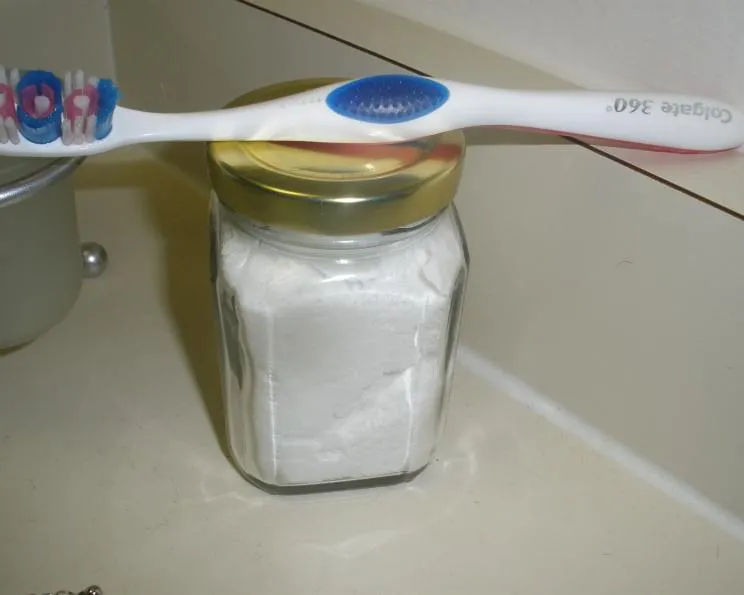
The Science of Tooth Whitening
Understanding how teeth whitening works is the first step toward achieving a brighter smile. Tooth discoloration can occur due to a variety of factors, including the natural aging process, genetics, the consumption of staining foods and beverages such as coffee, tea, and red wine, and even certain medications. The enamel, the hard outer layer of the tooth, is porous and susceptible to absorbing pigments from these substances, leading to a yellow or stained appearance. Whitening treatments aim to remove or break down these stains, either through mechanical abrasion, chemical reactions, or a combination of both. Effective whitening methods typically involve either bleaching agents, like hydrogen peroxide or carbamide peroxide, which penetrate the enamel to oxidize the stain molecules, or abrasive agents that physically scrub away surface stains. The choice of method depends on the severity of the staining and the desired level of whitening.
How Toothpaste Works for Whitening
Toothpaste plays a significant role in maintaining oral hygiene and contributing to a brighter smile. The primary mechanism through which toothpaste whitens teeth is by physically removing surface stains. Many whitening toothpastes contain mild abrasive agents, such as hydrated silica or calcium carbonate, that gently scrub away stains caused by food, drinks, and tobacco. These abrasives are carefully formulated to be effective at removing stains without damaging the enamel. In addition to abrasives, some whitening toothpastes include chemical agents like phosphates and pyrophosphates that help to break down stains and prevent new ones from forming. While over-the-counter whitening toothpastes can be effective for removing surface stains and improving the overall brightness of teeth, they typically cannot lighten the shade of teeth as much as professional whitening treatments that use higher concentrations of bleaching agents.
Types of Toothpaste and Their Whitening Power

The effectiveness of toothpaste in whitening teeth varies depending on its composition and the specific ingredients it contains. There are several types of toothpaste available, each with different formulations and benefits. Whitening toothpastes generally contain higher concentrations of abrasives or special chemical agents designed to remove surface stains. These toothpastes often include ingredients like hydrated silica, calcium carbonate, or baking soda. Some whitening toothpastes also contain stain-removing chemicals like phosphates and pyrophosphates. However, it’s important to note that while these toothpastes can help improve the appearance of your teeth by removing stains, they cannot fundamentally change the color of your teeth. For deeper whitening, professional treatments or products with bleaching agents are usually required. The best type of toothpaste for you depends on your specific oral health needs and preferences, so consulting with a dentist can provide personalized recommendations.
The Role of Milk in Teeth Whitening
Milk, particularly whole milk, can contribute to teeth whitening in several ways. It contains calcium and phosphorus, essential minerals that help strengthen tooth enamel. Stronger enamel is more resistant to stains and discoloration. The proteins in milk, such as casein, can also bind to stain molecules, preventing them from adhering to the teeth’s surface. Furthermore, milk helps to neutralize acids produced by bacteria in the mouth, which can erode enamel and make teeth more susceptible to staining. While milk alone does not actively bleach teeth, its properties support overall oral health and contribute to a brighter smile. Regular consumption of milk, combined with good oral hygiene practices, can help maintain white teeth and protect against future staining. The components of milk work synergistically to provide a protective effect, which aids in teeth whitening and preservation.
The Benefits of Milk for Oral Health
Milk offers a wealth of benefits for oral health, extending beyond just its potential whitening effects. The high calcium content in milk is crucial for building and maintaining strong tooth enamel. Calcium works in conjunction with phosphorus to remineralize teeth, repairing minor damage and fortifying them against the acids produced by bacteria. Milk’s buffering properties help to neutralize these acids, which helps prevent enamel erosion and cavities. The proteins in milk also play a role in oral health; casein, for instance, can help prevent the adherence of plaque to the teeth. Furthermore, milk contains vitamin D, which aids in the absorption of calcium, enhancing its benefits. Milk’s overall composition supports a healthy oral environment, reducing the risk of tooth decay and promoting stronger, whiter teeth. Including milk in your diet and prioritizing good oral hygiene practices significantly contributes to a healthier and brighter smile.
Toothpaste and Milk Whitening Recipe

Combining toothpaste and milk into a DIY teeth-whitening regimen is a method some people explore, though it’s essential to manage expectations regarding its effectiveness. The basic recipe typically involves mixing a small amount of toothpaste with a small amount of milk to create a paste. Some recipes may include other ingredients, like baking soda or lemon juice, but these additions can increase the risk of enamel erosion if used improperly. The rationale behind this method is that the mild abrasives in the toothpaste will help remove surface stains, while the milk provides beneficial nutrients for oral health. However, there is limited scientific evidence supporting the effectiveness of this method compared to professional treatments or even commercially available whitening toothpastes. Consistency is key with any method, and if you choose to try this recipe, it should be incorporated as part of a comprehensive oral hygiene routine, including regular brushing and flossing.
Step-by-Step Guide to Whitening
Whitening teeth using a toothpaste and milk mixture involves a straightforward process that can be easily integrated into your daily routine. The first step is to prepare the mixture. You will need a small amount of toothpaste, preferably a whitening variety, and a small amount of milk. Mix these two ingredients until a paste is formed; the consistency should be similar to regular toothpaste. Before applying the paste, thoroughly brush your teeth with plain toothpaste to remove any loose food particles and plaque. Once your teeth are clean, apply the toothpaste and milk mixture to your toothbrush and brush your teeth gently. It’s crucial to avoid excessive pressure, as this can damage your enamel. Brush your teeth for two minutes, ensuring that all surfaces are covered. After brushing, rinse your mouth thoroughly with water to remove any remaining paste. This process should be repeated regularly as part of your oral hygiene routine to maintain your white smile.
Materials You’ll Need
To start with the process of whitening teeth, you will need a few essential items. The primary materials required are toothpaste and milk. It is recommended to select a whitening toothpaste, as it usually contains mild abrasives and chemical agents designed to remove surface stains, and regular use helps maintain a brighter smile. Any type of milk can be used, but whole milk may be more beneficial due to its higher calcium and protein content, which can assist in strengthening the enamel. In addition to these core components, you’ll need a toothbrush. Ensure it’s a soft-bristled toothbrush to prevent damage to the enamel during the brushing process. Furthermore, a small bowl or container to mix the toothpaste and milk and water for rinsing are handy. While not essential, a timer can be helpful to ensure you brush for the recommended two minutes. Gathering these materials ensures you’re well-prepared to start the process.
Application Process

The application process is essential in the DIY teeth whitening method using toothpaste and milk. Begin by preparing your teeth for the whitening mixture. Start with a thorough brush using your regular toothpaste to remove any surface debris and plaque. This step ensures that the whitening mixture can effectively reach the teeth’s surface. Once your teeth are clean, create the whitening paste. In a small bowl, mix a pea-sized amount of toothpaste with a few drops of milk until you achieve a consistent paste. Apply the paste evenly to your toothbrush. Carefully brush your teeth using the paste for a period of two minutes, making sure all surfaces are reached, but avoid applying excessive pressure. Be gentle to prevent any damage to your enamel. Once the two minutes are up, rinse your mouth thoroughly with water to remove any remaining paste. The method involves repeated brushing with the mixture to see the effects and should be incorporated into your daily routine.
Tips for Optimal Results
To maximize the effectiveness of your teeth whitening routine using toothpaste and milk, several tips can be adopted. First and foremost, consistency is key; incorporate this practice into your daily oral hygiene routine, ideally twice a day. Ensure you brush your teeth gently, using a soft-bristled toothbrush and avoiding excessive pressure, which can harm your enamel. Monitor your diet and limit the consumption of staining foods and beverages, such as coffee, tea, red wine, and berries. Regular dental check-ups and professional cleanings are also essential; these help remove built-up stains and plaque that toothpaste alone cannot remove. Drink plenty of water throughout the day to help rinse away food particles and maintain a healthy oral environment. Consider using a straw when consuming staining beverages to minimize contact with your teeth. Furthermore, be patient, as noticeable results from this method may take time and can vary. The cumulative effect of these practices significantly improves your smile’s brightness.
Potential Risks and Considerations
While the combination of toothpaste and milk is considered a relatively low-risk approach to teeth whitening, it’s important to consider potential risks and limitations. Overusing abrasive toothpastes, even in combination with milk, can lead to enamel erosion over time. Enamel erosion increases tooth sensitivity and makes teeth more susceptible to staining. Those with pre-existing dental issues, such as cavities or gum disease, should consult with a dentist before trying this method. It is important to remember that the effectiveness of this method is limited compared to professional whitening treatments. Individuals expecting dramatic results may be disappointed. The benefits of using toothpaste and milk primarily revolve around the removal of surface stains and the support of overall oral health. Furthermore, certain individuals might experience sensitivity or irritation from some toothpaste ingredients; it’s essential to monitor your mouth for any adverse reactions. Before incorporating this into your routine, consider your oral health condition and desired results.
Who Should Avoid This Method?

While the toothpaste and milk method is generally considered safe for most individuals, certain groups should approach this method with caution or avoid it altogether. People with sensitive teeth may find the abrasive nature of some whitening toothpastes irritating, leading to increased sensitivity. It is crucial for individuals with pre-existing dental conditions like cavities, gum disease, or enamel erosion to consult with a dentist before trying any teeth whitening method, including this one. The dentist can assess the state of your teeth and gums and advise on suitable treatments that will not cause further harm. Furthermore, children’s teeth are particularly susceptible, and it’s advisable to avoid using whitening toothpastes on them without a dentist’s recommendation. Pregnant or breastfeeding women should also consult with their dentist or doctor to ensure the safety of the ingredients in the toothpaste. For anyone with concerns about their oral health, professional guidance is always the best course of action.
Alternative Teeth Whitening Options
If the toothpaste and milk method doesn’t deliver the desired results or is unsuitable for your oral health, several alternative teeth-whitening options are available. Over-the-counter whitening strips and gels are readily accessible and can provide visible whitening results. These products typically use hydrogen peroxide to penetrate the enamel and lighten the teeth. Another option is professional teeth whitening performed by a dentist. These treatments often use stronger bleaching agents and can deliver more significant and faster results. Your dentist can also customize the treatment to meet your specific needs. Other options include whitening toothpastes and mouthwashes, which can help remove surface stains and maintain brightness. However, these are generally less effective than professional treatments. The choice of the best whitening method depends on your teeth condition and desired results, so consulting with a dental professional is essential for a recommendation tailored to your needs.
Maintaining Your White Smile
Maintaining a bright, white smile requires a consistent and comprehensive approach to oral hygiene. After you achieve your desired level of whitening, whether through DIY methods or professional treatments, it’s essential to adopt habits that help preserve your results. Continue practicing excellent oral hygiene by brushing twice a day for two minutes and flossing daily to remove plaque and food particles. Limit or avoid staining foods and beverages such as coffee, tea, red wine, and berries; if you consume these, rinse your mouth with water afterward. Regularly visit your dentist for check-ups and professional cleanings; these help remove surface stains and prevent the buildup of plaque and tartar. Consider using a whitening toothpaste or mouthwash as part of your routine to help maintain your smile’s brightness. Finally, avoid smoking and other tobacco products, as they are significant contributors to teeth discoloration. By consistently practicing these habits, you can extend the longevity of your bright smile and prevent future staining.