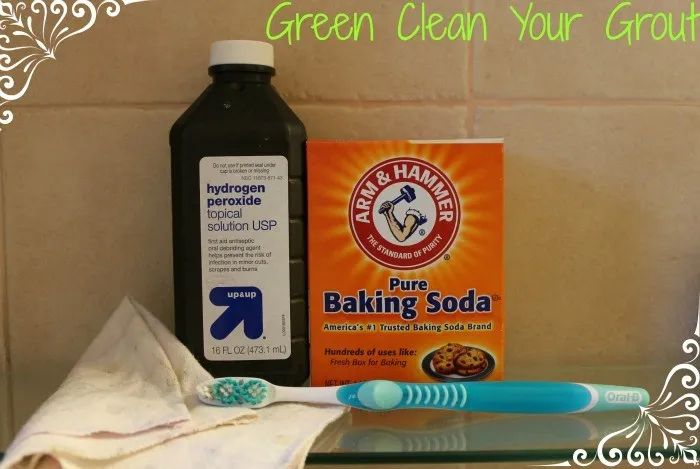
What are Baking Soda and Peroxide?
Baking soda, also known as sodium bicarbonate, and hydrogen peroxide are common household items with a range of uses, including teeth whitening. Baking soda is a mild abrasive that can help remove surface stains from teeth, while hydrogen peroxide is a bleaching agent that can lighten the color of your enamel. Both substances have been used for decades in various cleaning and health applications. The combination of these two can offer a cost-effective and accessible way to potentially brighten your smile. It’s crucial to understand how each component functions and the potential benefits and risks involved before incorporating them into your dental care routine. This will help you to make informed decisions about their safe and effective use.
How Baking Soda & Peroxide Whiten Teeth
Baking soda works by gently scrubbing away surface stains, such as those caused by coffee, tea, and other food and beverages. Hydrogen peroxide acts as an oxidizing agent, breaking down stain molecules and lightening the overall color of the teeth. When these two are used together, the abrasive action of baking soda helps to create a surface more receptive to the bleaching effect of the peroxide. The combination aims to lift the discoloration and restore the natural whiteness of the teeth. While not as powerful as professional treatments, this method provides a gradual, natural approach for achieving a brighter smile. Understanding how these elements work together provides a foundation for their effective and safe use.
The Science Behind Teeth Whitening with Baking Soda and Peroxide

Scientific studies on baking soda and hydrogen peroxide for teeth whitening have shown mixed results. Some research suggests that a combination of baking soda and peroxide can effectively remove surface stains and slightly improve tooth color. Baking soda’s abrasive properties contribute to stain removal, while hydrogen peroxide’s bleaching action helps lighten the enamel. However, the effectiveness can vary depending on the individual, the concentration of peroxide used, and the frequency of application. It is important to consult with a dental professional. Overuse or improper techniques can lead to enamel erosion or gum irritation. More research is needed to determine the long-term efficacy and safety of this method, but understanding the current scientific perspective is key to making informed choices.
Benefits of Using Baking Soda and Peroxide for Teeth Whitening
One of the primary benefits of using baking soda and peroxide is its affordability and accessibility. Both ingredients are readily available at most grocery stores and pharmacies, making it a cost-effective option compared to professional teeth whitening treatments. Furthermore, it is a natural alternative, which appeals to individuals seeking to avoid harsh chemicals. The mild abrasive nature of baking soda helps to remove surface stains, contributing to immediate results. In addition, hydrogen peroxide has antibacterial properties, potentially aiding in overall oral health. The convenience of using these readily available ingredients in your home routine is another significant advantage. These benefits make it an attractive choice for those seeking a budget-friendly, natural approach to teeth whitening.
Easy Steps to Whiten Teeth with Baking Soda and Peroxide
Whiten your teeth naturally with baking soda and peroxide by following simple steps. It is crucial to maintain good oral hygiene. This method should be used cautiously to avoid any potential side effects. Consistency is important, but moderation is key. If you experience any discomfort or sensitivity, discontinue use and consult a dentist.
Step 1 Mixing Baking Soda and Peroxide

In a small bowl, mix one tablespoon of baking soda with two tablespoons of hydrogen peroxide to create a paste. The consistency should be thick enough to stick to your teeth without dripping. Adjust the ratio as needed, ensuring that you have enough mixture to cover all your teeth. Using the correct proportions is key to achieving the desired effect while minimizing any potential irritation. This ensures an even application and maximizes effectiveness. This step sets the foundation for successful teeth whitening by creating the active cleaning and whitening agent.
Step 2 Applying to Your Teeth
Apply the paste evenly to your teeth using a soft-bristled toothbrush. Ensure all surfaces are covered, paying particular attention to stained areas. Avoid applying too much pressure, as this can damage your enamel. Let the mixture sit on your teeth for about one to two minutes. Do not leave it on for longer periods. Carefully monitor your teeth for any signs of sensitivity or discomfort. Gentle application is crucial to prevent any potential harm to your enamel. This part is essential for the whitening process.
Step 3 Brushing and Rinsing
After the paste has set for the appropriate time, brush your teeth gently in a circular motion for about a minute. Rinse your mouth thoroughly with water to remove all traces of the mixture. Follow up by brushing with your regular toothpaste to ensure complete cleaning and remove any remaining residue. This step ensures that all baking soda and peroxide are removed from your teeth. This final step ensures a clean, fresh mouth and reduces the risk of any potential side effects. It is vital to maintaining good oral health practices.
Best Practices for Successful Whitening

To maximize effectiveness and minimize risks, it’s important to adhere to best practices. Use a soft-bristled toothbrush to avoid damaging your enamel. Limit the frequency of use to once or twice a week to prevent enamel erosion and gum irritation. If you experience any sensitivity, reduce the frequency or discontinue use. Be patient; results take time and vary depending on the individual. It’s also crucial to consult with your dentist before starting this or any other teeth whitening regimen. These steps will help to provide you with an effective whitening experience.
Possible Side Effects and Risks
While baking soda and peroxide are generally considered safe, they can cause side effects. Sensitivity is a common concern, as the abrasive nature of baking soda can irritate the gums and enamel. Overuse can lead to enamel erosion, increasing the risk of cavities and tooth decay. Some individuals may experience gum irritation or inflammation. It is essential to monitor your teeth and gums for any adverse reactions. If you experience any side effects, discontinue use immediately and consult your dentist. Being aware of potential side effects is essential for safe and effective usage. Proper use will help you prevent undesirable consequences.
Alternatives to Baking Soda and Peroxide for Teeth Whitening
Several alternatives to baking soda and peroxide offer alternative options. Whitening toothpaste containing hydrogen peroxide can provide a gentler approach. Over-the-counter whitening strips are another convenient option. For professional results, consider in-office whitening treatments or custom-fitted trays from your dentist. These professional options typically use higher concentrations of peroxide and are closely monitored by dental professionals. Selecting the right alternative depends on your personal preferences and the degree of whitening desired. Consulting with your dentist can help you decide the best solution.
In conclusion, whitening teeth naturally using baking soda and peroxide can be a viable method when following the instructions precisely. It provides a budget-friendly and readily accessible solution for achieving a brighter smile. However, it’s essential to use this technique in moderation. The most effective way to maintain optimal oral health and achieve the desired results is to consult your dentist.