Why Baking Soda and Lemon for Teeth Whitening?
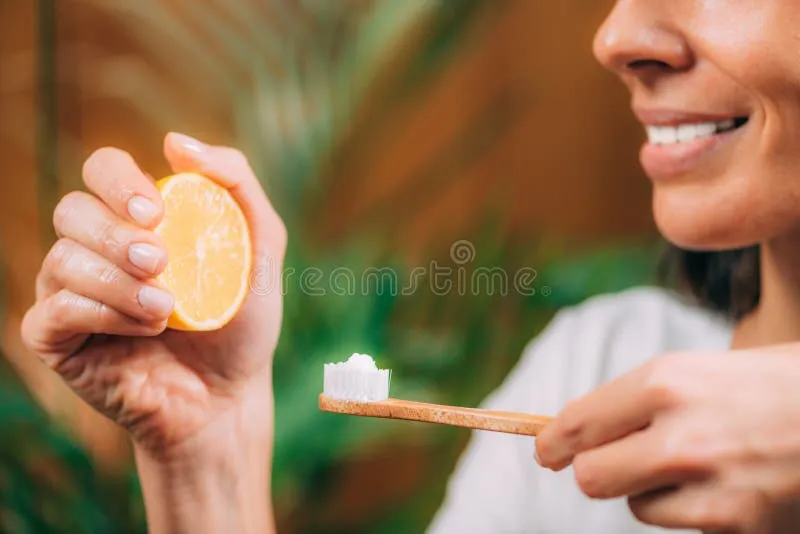
The quest for a brighter smile has led many to explore natural remedies, and among the most popular is the combination of baking soda and lemon for teeth whitening. This method has gained traction because of its accessibility, affordability, and the promise of effective results. Baking soda, a mild abrasive, can help to scrub away surface stains, while lemon, rich in citric acid, acts as a natural bleaching agent. This duo presents a compelling option for those seeking a DIY approach to teeth whitening. However, understanding the science behind this method, alongside its potential risks and benefits, is crucial before incorporating it into your oral hygiene routine. The effectiveness of this method often depends on various factors, including the type and severity of stains, as well as the frequency and manner of application.
The Science Behind Baking Soda’s Whitening Power
Baking soda, chemically known as sodium bicarbonate, is a mild abrasive. This means it has a slightly rough texture that can help to physically remove stains from the surface of your teeth. These stains often accumulate from the consumption of dark-colored foods and beverages, such as coffee, tea, and berries. By gently scrubbing away these stains, baking soda can make your teeth appear whiter. Furthermore, baking soda has mild alkaline properties, which help neutralize acids in the mouth. This can create a less hospitable environment for bacteria, potentially reducing the risk of tooth decay. Its abrasive nature, however, is a double-edged sword. Excessive or improper use can lead to enamel erosion, increasing tooth sensitivity and vulnerability to decay. Therefore, moderation and proper technique are key when using baking soda for teeth whitening.
Understanding Citric Acid’s Role in Whitening

Lemon juice is a natural source of citric acid, a type of alpha-hydroxy acid (AHA) known for its bleaching properties. Citric acid works by breaking down the organic compounds that cause stains on teeth. It can penetrate the enamel and lighten the discolored molecules, leading to a brighter smile. However, the high acidity of lemon juice poses a significant risk to dental health. Frequent exposure to acids can erode tooth enamel, making teeth more susceptible to cavities, sensitivity, and discoloration. Using lemon juice in conjunction with baking soda requires careful consideration and caution. It’s crucial to use it sparingly, and the duration of contact with teeth should be minimized to mitigate potential damage. Always ensure to rinse your mouth thoroughly after application to neutralize the acid and protect your enamel.
How to Prepare the Baking Soda & Lemon Paste
Step 1 Gather Your Supplies
Before you begin, ensure you have all the necessary supplies at hand. You will need baking soda, fresh lemon (or lemon juice), a small bowl, and a soft-bristled toothbrush. It’s also wise to have a glass of water ready for rinsing. Ensure that all the tools are clean to maintain hygiene and prevent the introduction of bacteria into your mouth. Using fresh ingredients is advisable, as they typically contain a higher concentration of active compounds. A small, non-metallic bowl is preferable for mixing, as it will not react with the ingredients. A soft-bristled toothbrush is crucial, as it minimizes abrasion to the enamel, reducing the risk of damage during the whitening process. This preparation step sets the stage for a safe and effective application.
Step 2 Mixing the Ingredients

The key to a successful mixture is the correct ratio. Start by adding a small amount of baking soda to your bowl—about a teaspoon is usually sufficient for one application. Next, add lemon juice, drop by drop, mixing until a paste is formed. The consistency should be thick enough to adhere to your teeth but not so thick that it’s difficult to spread. Avoid making the paste too liquid, as this can increase the risk of the mixture running off your teeth and potentially irritating your gums. The amount of lemon juice you use is crucial, as it directly impacts the acidity of the paste. It’s best to use as little lemon juice as possible to minimize enamel erosion. Careful mixing and consistent monitoring of the paste’s texture are essential for a safe and effective teeth whitening experience.
Step 3 Application Technique
Once your paste is ready, dip your soft-bristled toothbrush into the mixture. Apply a thin layer of the paste to your teeth, ensuring all surfaces are covered, but avoiding the gums as much as possible. The application should be gentle, using small, circular motions. Avoid vigorous scrubbing, as this can damage the enamel. The recommended duration for leaving the paste on your teeth is very brief, typically no more than a minute. Prolonged exposure to the acidic lemon juice can increase the risk of enamel erosion. Monitor your teeth for any signs of sensitivity or discomfort during the application. If you experience any adverse reactions, rinse your mouth immediately and discontinue use. This careful application method is crucial for achieving a brighter smile while minimizing potential risks to your dental health.
The Proper Application Method
After applying the paste, gently brush your teeth using small, circular motions. Focus on each tooth, ensuring all surfaces are covered. It is crucial not to brush aggressively, as this can damage your enamel. The brushing should be gentle and brief, lasting for no more than one minute. During this time, the mild abrasive action of the baking soda works to remove surface stains. However, the primary risk lies in the lemon juice. Its high acidity can erode the enamel. The goal is to maximize the whitening effect while minimizing contact time. Proper application involves a delicate balance between thorough coverage and minimal exposure. This ensures effectiveness while minimizing the risk of enamel damage, maintaining your dental health.
How to Apply the Mixture
Apply the paste to your teeth using your soft-bristled toothbrush. Ensure even coverage across all surfaces, including the front, back, and chewing surfaces of your teeth. Avoid getting the mixture on your gums to prevent irritation. Using gentle, circular motions, brush each tooth. Do not scrub vigorously; the abrasive action of baking soda is sufficient to remove surface stains. The entire process should be swift; aim for approximately one minute to minimize exposure to lemon juice. Proper technique involves light pressure and consistent coverage, ensuring the whitening mixture touches all tooth surfaces. This process is aimed at efficiently whitening your teeth while minimizing the risk of enamel damage.
How to Rinse Your Mouth
After brushing, rinse your mouth thoroughly with water. This step is vital to remove any remaining baking soda and lemon mixture from your teeth and gums. It helps to neutralize the acidity of the lemon and prevent potential irritation. Make sure to rinse all areas, ensuring no residue remains. You can also use a fluoride toothpaste to brush your teeth again after rinsing. Fluoride helps to remineralize the enamel, providing an extra layer of protection against acid erosion. This is a crucial step in safeguarding your teeth. Thorough rinsing is essential, protecting your oral health and promoting a clean, fresh mouth.
Safety Precautions & Potential Risks
While baking soda and lemon offer a natural teeth whitening approach, it is important to acknowledge the safety precautions and potential risks involved. The primary concern is enamel erosion due to the citric acid in lemon juice. Prolonged or frequent exposure can weaken the enamel, making teeth more susceptible to cavities, sensitivity, and discoloration. Another risk is gum irritation. The acidity of lemon juice can irritate the soft tissues of your mouth, leading to redness, swelling, and discomfort. Excessive use can also lead to increased tooth sensitivity to hot and cold temperatures. Therefore, it’s vital to use this method sparingly, limit the application time, and monitor your teeth for any signs of adverse effects. If you experience any discomfort, discontinue use and consult with a dental professional.
Possible Side Effects & How to Avoid Them

Several side effects can arise from using baking soda and lemon for teeth whitening. Tooth sensitivity is a common issue, resulting from enamel erosion. This can lead to discomfort when consuming hot or cold foods and drinks. Gum irritation is another potential side effect, characterized by redness, swelling, and soreness. In rare cases, the prolonged use can lead to increased tooth decay, as enamel erosion makes teeth more vulnerable to cavities. To mitigate these risks, it’s crucial to use the mixture sparingly. Limit application to once or twice a week, and do not exceed the recommended application time of one minute. Ensure you rinse your mouth thoroughly after use. Consult a dentist if you experience any adverse effects, and they can advise on the best course of action.
Consulting a Dentist
Before trying any DIY teeth whitening method, it’s essential to consult with a dentist. A dental professional can assess the health of your teeth and gums and advise whether baking soda and lemon are suitable for your situation. They can also inform you about the potential risks and benefits based on your specific dental health. Your dentist can recommend professional teeth whitening treatments that are both safe and effective. A professional cleaning can remove stains and plaque, providing a brighter smile. If you experience any oral health issues, your dentist can provide appropriate treatment. Regular dental check-ups are crucial for maintaining oral health, regardless of the teeth whitening methods you choose. A dentist offers expert guidance, ensuring your teeth whitening journey is safe and effective.
Alternative Natural Teeth Whitening Methods
If you’re seeking natural teeth whitening alternatives, there are several options to consider. Coconut oil pulling is a popular method believed to reduce plaque and bacteria. Activated charcoal, a mild abrasive, can help remove surface stains, and hydrogen peroxide can provide bleaching properties. Proper oral hygiene practices are fundamental, including regular brushing and flossing. Avoiding staining foods and beverages can also help maintain a brighter smile. Each of these methods offers distinct benefits, and many people incorporate them into their oral health routine. Exploring various options allows you to choose methods that align with your needs and preferences. Always consider consulting your dentist before trying a new method to ensure your oral health.
Oil Pulling for Teeth Whitening

Oil pulling involves swishing oil, typically coconut oil, in your mouth for 15-20 minutes to draw out bacteria and toxins. While it doesn’t directly whiten teeth, it can help reduce plaque buildup and promote healthier gums, which may contribute to a brighter smile. The process is simple: place a tablespoon of oil in your mouth, swish it around, and then spit it out. Some believe that the oil helps to remove stains and impurities. While the scientific evidence supporting oil pulling for teeth whitening is limited, many people find it a beneficial addition to their oral hygiene. The key is to swish the oil thoroughly and consistently. Remember, oil pulling is not a replacement for brushing and flossing, but a complementary practice that can enhance oral health.
Using Activated Charcoal
Activated charcoal is a fine black powder that can be used to whiten teeth. It works by adsorbing stains and impurities from the surface of your teeth. To use it, dip a wet toothbrush into the charcoal powder and brush your teeth gently for about two minutes. Rinse your mouth thoroughly afterward. While activated charcoal is generally considered safe, it’s crucial to choose a reputable brand and use it sparingly. Excessive use can be abrasive and potentially damage the enamel. Some people also find the taste and messiness of charcoal off-putting. However, when used properly, it can be an effective way to remove surface stains and promote a brighter smile. Always consult with a dentist to ensure it’s appropriate for your teeth.
Dietary Adjustments for a Brighter Smile
Diet plays a significant role in maintaining a brighter smile. Certain foods and drinks are notorious for staining teeth, including coffee, tea, red wine, and berries. Reducing the consumption of these items can help prevent stains from forming. Conversely, some foods can naturally whiten teeth, such as apples, celery, and carrots. These foods act as natural abrasives, helping to remove stains. Maintaining a balanced diet with plenty of fruits and vegetables can also support overall oral health. Proper hydration is also important, as drinking water helps to wash away food particles and bacteria. Consider incorporating these dietary adjustments as part of your teeth whitening strategy. This combined approach will help promote a brighter, healthier smile.