Understanding Mold Whitening The Basics
Mold whitening refers to the process of lightening the color of your teeth to make them appear brighter and more aesthetically pleasing. This is achieved through various methods, all aimed at removing stains and discoloration from the enamel surface. The enamel is the outer protective layer of the tooth. It’s important to understand the different techniques to choose the best method to achieve that sparkling smile you’ve always wanted. The methods range from simple at-home solutions to advanced professional treatments. The goal is to help patients confidently display their smiles and improve their overall oral health.
What Are Molds and Why Whiten Them
The term ‘molds’ here refers to teeth. Over time, teeth can become stained or discolored due to various factors, including the consumption of staining foods and drinks like coffee, tea, and red wine, as well as smoking and the natural aging process. Teeth whitening aims to reverse these effects, restoring the natural brightness of your teeth. This not only enhances your smile but also boosts your self-confidence and overall appearance. If you want to achieve the perfect smile, whitening is the first step.
The Importance of a Bright Smile

A bright, white smile can significantly impact your self-esteem and social interactions. It projects an image of health, youthfulness, and attractiveness. Studies have shown that people with whiter teeth are often perceived as more confident and successful. A radiant smile can open doors, improve first impressions, and make you feel more comfortable in social settings. In a world where appearances matter, a white smile can be a powerful asset, enhancing your personal and professional life. This is why taking care of your teeth is important.
Types of Mold Whitening Techniques
There are numerous teeth whitening techniques available, broadly categorized into at-home and professional treatments. At-home methods offer convenience and affordability, while professional options provide faster and more dramatic results. Understanding the different techniques and their pros and cons is essential for choosing the right approach. Factors such as the extent of discoloration, your budget, and your time commitment will influence your decision. Both methods have pros and cons but the goal is to achieve that perfect smile.
At-Home Whitening Methods
At-home whitening methods are popular due to their convenience and cost-effectiveness. These methods typically involve using over-the-counter products that you can use in the comfort of your own home. Common options include whitening strips, toothpastes, and DIY recipes. However, it’s important to follow the instructions carefully and be aware of potential side effects. These options provide a convenient way to improve your smile and are a starting point for those looking to brighten their teeth without professional intervention. Be careful and do not overuse these products.
Whitening with Whitening Strips

Whitening strips are thin, flexible strips coated with a peroxide-based whitening agent. They are applied directly to the teeth and worn for a specified amount of time, usually twice a day for a couple of weeks. Whitening strips are readily available at most drugstores and offer a relatively easy and accessible way to whiten your teeth. They are an effective choice for those looking for a simple, at-home whitening solution. They are also easy to use, but remember to follow instructions to achieve the best results.
Whitening with Whitening Toothpastes
Whitening toothpastes contain mild abrasives that help remove surface stains from your teeth. While they can improve the appearance of your teeth, they are generally less effective than whitening strips or professional treatments. Whitening toothpastes are a good option for maintaining the brightness of your teeth. Use it regularly as part of your daily oral hygiene routine. They’re great for keeping your teeth clean and helping to prevent future stains, but don’t expect dramatic results.
Whitening with DIY Recipes
DIY whitening methods involve using ingredients you can find at home, such as baking soda and lemon juice. While these methods are appealing due to their low cost, their effectiveness is often limited and can be harmful to your teeth. It’s essential to approach DIY recipes with caution. Some ingredients can erode the enamel and cause more damage than good. If you’re considering this route, consult with your dentist. Always discuss DIY whitening methods with a dental professional to avoid any potential risks.
Professional Mold Whitening Options

Professional teeth whitening treatments, performed by a dentist, offer the most effective and fastest results. These treatments use stronger whitening agents and can be tailored to your specific needs. Professional options include in-office whitening and custom whitening trays. Consulting with your dentist is important to determine the best treatment for your individual needs. These professional methods are the most effective way to achieve a significantly brighter smile, especially for stubborn stains.
In-Office Whitening Treatments
In-office whitening treatments involve a dentist applying a high-concentration whitening gel to your teeth. The dentist may use a special light or laser to accelerate the whitening process. These treatments can significantly whiten your teeth in a single session, making them ideal for those seeking immediate results. The treatment is safe and effective when done by a qualified professional, providing a dramatic improvement in the brightness of your teeth in a relatively short amount of time. The dentist can also address any underlying issues.
Custom Mold Whitening Trays
Your dentist can create custom-fitted trays that you fill with a whitening gel and wear at home. These trays are more effective than generic over-the-counter trays because they provide a more snug fit, ensuring even contact of the whitening agent with your teeth. They offer a balance of convenience and effectiveness, and they are more potent than strips. Using trays gives you the option of whitening your teeth over a few weeks, allowing for a gradual, controlled improvement in your smile. Remember, these trays are prescribed by your dentist.
Maintaining Your Whitened Molds
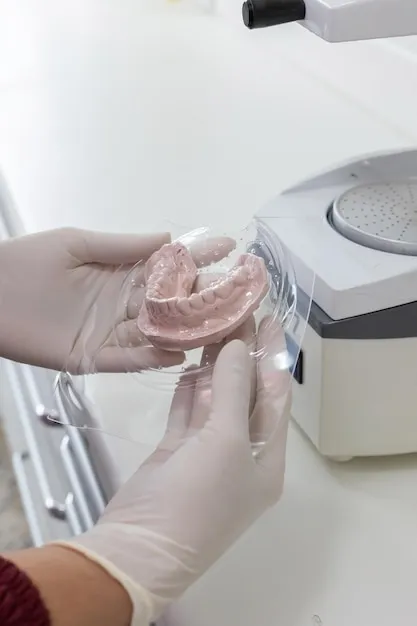
Maintaining your whitened teeth requires ongoing care and attention to your oral hygiene. This includes daily brushing and flossing, avoiding staining foods and drinks, and regular dental check-ups. Proper maintenance helps to prolong the effects of your whitening treatment and keeps your smile looking its best. Following these steps will ensure that your smile stays bright and beautiful for as long as possible, preserving the results of your whitening efforts.
Daily Oral Hygiene Routine
Brushing your teeth twice a day and flossing once a day is essential for maintaining good oral hygiene and preserving the results of your whitening treatment. Use a soft-bristled toothbrush and fluoride toothpaste. Flossing removes plaque and food particles from between your teeth and along the gum line. Consider adding mouthwash to your daily routine to reach areas that brushing and flossing may miss. Maintaining a consistent oral hygiene routine is critical to keeping your teeth white and your mouth healthy.
Foods and Drinks to Avoid
Certain foods and drinks can stain your teeth and diminish the results of your whitening treatment. These include coffee, tea, red wine, dark sodas, and highly pigmented foods like berries and soy sauce. Reducing your consumption of these items, or rinsing your mouth with water after consuming them, can help prevent staining. Being mindful of what you eat and drink is key to maintaining a bright, white smile. Proper diet is vital in preserving the effects of your whitening treatment.
Regular Dental Check-ups

Regular dental check-ups and professional cleanings are essential for maintaining oral health and the brightness of your smile. Your dentist can identify and address any potential issues, such as cavities or gum disease, and remove any surface stains that can accumulate over time. They can also provide professional advice on how to best care for your teeth and maintain the results of your whitening treatment. Aim to visit your dentist every six months for optimal oral health and a consistently bright smile.
Potential Risks and Side Effects
While teeth whitening is generally safe, it can cause some side effects. Understanding these potential risks can help you make an informed decision and take necessary precautions. The most common side effects are usually temporary and can be managed with proper care and attention.
Tooth Sensitivity
Tooth sensitivity is a common side effect of teeth whitening, caused by the whitening agents penetrating the enamel and irritating the nerves in your teeth. This sensitivity is usually temporary and resolves within a few days or weeks after the treatment. If you experience sensitivity, your dentist can recommend desensitizing toothpaste or other remedies to alleviate discomfort. Avoid using whitening treatments too frequently, and discuss any concerns with your dentist.
Gum Irritation

Gum irritation can occur if the whitening agent comes into contact with your gums. This is more likely with at-home whitening methods where the trays may not fit perfectly. Symptoms of gum irritation include redness, swelling, and tenderness. Make sure the whitening agent does not touch the gums. This side effect usually resolves on its own, but using the trays properly is important. To minimize the risk, follow instructions carefully and avoid overusing the product. If irritation persists, see a dentist.
Effectiveness and Results
The effectiveness of teeth whitening depends on several factors, including the type of treatment used, the severity of the discoloration, and your individual teeth characteristics. Understanding these factors can help you set realistic expectations and choose the most appropriate whitening method. Results can vary from person to person, and maintaining those results requires diligent care and maintenance.
Factors Affecting Whitening Results
Several factors can influence the outcome of teeth whitening. The type and extent of the stains play a crucial role. Surface stains caused by coffee and tea are typically easier to remove than intrinsic stains, which are deeper within the tooth structure. Your natural tooth shade, age, and genetics also impact the results. Following the instructions and maintaining good oral hygiene can optimize the outcome and keep your smile bright.
Tips for the Best Results

To achieve the best teeth whitening results, follow these tips. Start with a professional cleaning to remove surface stains. Consult your dentist to determine the most suitable whitening method for your teeth and needs. Carefully follow the instructions of the product. Maintain good oral hygiene by brushing, flossing, and using mouthwash. Avoid consuming staining foods and drinks. Following these recommendations can help you achieve and maintain a beautiful, bright smile, boosting your self-confidence.
Conclusion Transform Your Smile
Whitening your teeth is a great way to enhance your smile, boost your confidence, and improve your overall appearance. By understanding the various whitening techniques, potential risks, and maintenance tips, you can make an informed decision and achieve a brighter, more radiant smile. Whether you opt for at-home treatments or professional options, consistent care and attention to your oral hygiene are critical for maintaining those dazzling results. Embrace the journey to a sparkling smile and enjoy the transformative power of a confident, brighter you.