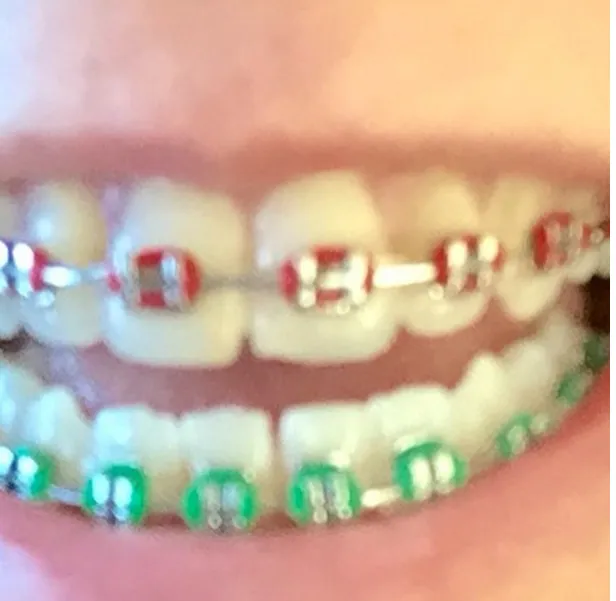
Whitening Strips with Braces Overview
Achieving a brighter smile while undergoing orthodontic treatment can seem like a challenge. Whitening strips are a popular method for teeth whitening, but their use with braces requires careful consideration. This comprehensive guide delves into the intricacies of using whitening strips with braces, providing insights into the science behind teeth whitening, the challenges involved, and the best practices for achieving optimal results. Understanding the interplay between braces and whitening strips is crucial for anyone seeking a dazzling smile during their orthodontic journey. The information provided ensures you’re well-equipped to make informed decisions, maximizing your smile’s potential while wearing braces.
The Science Behind Whitening Strips
Whitening strips typically contain hydrogen peroxide or carbamide peroxide as the active ingredient. These chemicals penetrate the enamel and dentin layers of the teeth, breaking down stain molecules and lightening the tooth color. The effectiveness of whitening strips depends on the concentration of the active ingredient, the duration of application, and the individual’s tooth structure. Understanding this process is key to appreciating the potential of whitening strips and managing expectations. Whitening strips work by oxidation, which means they react with stain molecules, causing them to break down and become less visible. This process effectively brightens the teeth, creating a more radiant smile. Several factors influence the success, including the type and severity of stains, as well as the overall health of the teeth.
How Whitening Strips Work

The active ingredients in whitening strips, usually hydrogen peroxide or carbamide peroxide, work by penetrating the enamel to break down stain molecules. When the active ingredients come into contact with the stained molecules, they cause an oxidation reaction that breaks them down. This reduces the concentration of the stain molecules within the teeth, making them appear lighter. The effectiveness varies based on the concentration of the active ingredient and the application duration. Additionally, the porosity of your enamel plays a vital role, with more porous enamel generally responding quicker. This process doesn’t damage the enamel if used correctly, but it can cause temporary sensitivity. Understanding this process is important to know that you are not stripping away the enamel. It’s simply oxidizing and breaking down stains.
Impact of Braces on Teeth Whitening
Braces create unique challenges for teeth whitening. The brackets and wires cover a significant portion of the tooth surface, preventing uniform application of whitening agents. This can lead to uneven whitening, where the areas covered by the brackets remain darker than the exposed portions of the teeth. Moreover, the presence of braces can trap food particles and plaque, increasing the risk of staining and discoloration. These factors require a more cautious and strategic approach to whitening, making it essential to understand the specific considerations. Braces, while correcting the alignment of your teeth, can also create small spaces where food and plaque can build up, leading to discoloration if not properly maintained. Regular cleaning and careful application of whitening products are vital to achieve the best results.
Challenges of Whitening with Braces
The primary challenge is achieving even whitening. Brackets and wires prevent whitening agents from reaching all tooth surfaces uniformly. This results in the development of spots, where the teeth around the brackets and wires remain darker. This uneven whitening effect can become more pronounced over time. Another challenge is maintaining good oral hygiene. Braces make it more difficult to clean teeth thoroughly, which increases the likelihood of plaque buildup and staining. Food and drinks can easily get trapped around the brackets, causing stains. The process of getting a great whitening is challenging. It’s a challenge to whiten uniformly with braces because you will see the differences between the covered and the uncovered surfaces.
Effective Whitening Strategies While Wearing Braces

The key to successful whitening with braces is to select the appropriate products, understand the best techniques, and manage expectations. The best strategy often involves a combination of professional advice, meticulous oral hygiene, and careful application of whitening agents. Consulting with a dentist or orthodontist is essential to determine the most suitable approach for your specific needs. This expert guidance ensures that you choose the right products and use them in a way that minimizes the risk of adverse effects, such as sensitivity or uneven whitening. Regular dental check-ups and cleanings also play a critical role in maintaining the health of your teeth and maximizing the effectiveness of any whitening efforts. It is essential to approach whitening with braces with patience and diligence.
Types of Whitening Strips to Use
When wearing braces, it’s advisable to choose whitening strips designed for sensitive teeth or those with lower concentrations of hydrogen peroxide. These strips are generally less likely to cause excessive sensitivity and provide a gentler whitening experience. The key is to find products that balance effectiveness with safety. Look for strips that are specifically marketed as suitable for sensitive teeth, or consult your dentist for recommendations. This ensures that you are using a product that will not compromise your dental health. These gentle strips are less likely to cause discomfort, allowing you to incorporate whitening into your routine with greater ease. It’s often better to opt for multiple applications of a gentler product than risk potential sensitivity with a stronger one.
Choosing the Right Whitening Strips
Selecting the right whitening strips involves careful consideration of several factors. First, check the concentration of the active ingredient (hydrogen peroxide or carbamide peroxide). Strips with lower concentrations are often preferable, especially when using braces, as they minimize the risk of sensitivity. Secondly, consider the application time. Shorter application times can be less irritating, allowing for more frequent use without causing discomfort. Thirdly, look for strips with a good fit and adherence. The strips should comfortably cover the visible surfaces of your teeth without excessive overlap, making sure that they stick well to the teeth. Reading reviews and consulting with a dentist can help you select the best product for your unique needs. A good starting point is to opt for lower-concentration strips and to gradually increase the strength if necessary.
Safe Whitening Strips Application Techniques

Proper application is crucial to maximize effectiveness and minimize side effects. The general steps are as follows, preparing your teeth by brushing gently and then patting them dry before applying the strips. This ensures better adhesion and helps the whitening agent to work effectively. Carefully apply the strips, making sure they cover the visible portions of your teeth. Avoid placing the strips over the brackets or wires. If you are unable to avoid the strips to touch the brackets, then try to use cotton swabs to gently dab the excess product. The aim is to apply the strips in a way that maximizes contact with the tooth surfaces. This method helps you achieve the best results while reducing the chance of complications.
Step-by-Step Guide on How to Use Whitening Strips with Braces
Preparing Your Teeth
Before applying the whitening strips, gently brush your teeth to remove surface debris and plaque. Rinse your mouth with water, but avoid using toothpaste immediately before application, as it can create a barrier that reduces the effectiveness of the whitening agent. The key is to ensure the teeth surface is clean, but not overly abrasive. It’s also a good idea to floss thoroughly before brushing. This ensures that your teeth are clean and ready for the whitening process. The aim is to remove any plaque or surface stains that could interfere with the whitening agent’s action. Ensure the teeth are dry before placing the whitening strips on the surface, as this ensures better adhesion and the maximum effectiveness of the strips.
Applying the Strips

Carefully peel the whitening strips from their backing. Apply the strips to your teeth, making sure to align them with the gumline. Avoid placing the strips over the brackets or wires of your braces. If the strips extend over the brackets, trim them with clean scissors to fit better. Gently press the strips onto your teeth, ensuring good contact with the tooth surfaces. The aim is to cover as much surface area of the visible part of your teeth as possible. Make sure there are no air bubbles to ensure the whitening agent can come in full contact with the surface of the teeth. Avoid touching the soft tissue of your gums, as this can increase sensitivity.
Waiting Period
Adhere to the application time recommended on the product packaging. This typically ranges from 10 to 30 minutes, depending on the concentration of the active ingredient and the brand. Avoid exceeding the recommended time to minimize the risk of side effects such as sensitivity. During the waiting period, try to keep your mouth closed to allow the strips to work effectively. Avoid eating, drinking, or smoking while the strips are in place. This ensures that the whitening agent remains in contact with the teeth and prevents the breakdown of the hydrogen peroxide. It is important to follow the manufacturer’s instructions to ensure the effectiveness and safety of the whitening process. The duration is a critical factor in the process.
Removing the Strips
Once the application time is up, carefully remove the whitening strips. Gently peel the strips away from your teeth. Rinse your mouth with water to remove any remaining whitening agent. It is important to ensure you do not swallow any of the product. If you experience any discomfort, such as heightened sensitivity, remove the strips immediately. After removing the strips, you can brush your teeth, but it is important to use a soft-bristled toothbrush and a gentle brushing motion. You may also experience temporary spots in your teeth. This is a very common sign, the spots should disappear within hours or days.
Post-Application Care

After removing the strips, maintain good oral hygiene. Brush and floss your teeth as usual, but use a toothpaste designed for sensitive teeth if needed. Avoid consuming staining foods and drinks, such as coffee, tea, red wine, and berries, immediately after whitening. Staying well-hydrated and drinking plenty of water is always helpful. Continue your regular dental check-ups and cleanings to monitor the health of your teeth and maintain your bright smile. To help your teeth recover, consider waiting a day between whitening strip applications. Post-application care is important to protect your teeth and minimize side effects.
Maximizing Results and Avoiding Side Effects
To maximize the effectiveness of whitening strips while minimizing side effects, it’s important to follow the manufacturer’s instructions carefully. Regular use of whitening strips should be approached with patience, as the results may not be immediately visible. Consistency is important, but do not overdo it. You will likely see results after a few applications. Proper application techniques also help you to avoid the side effects of the products. Careful application of the strips is critical to avoid gum irritation. The goal is to obtain a brighter smile with no discomfort or sensitivity. If you do start to experience sensitivity, the best thing you can do is to stop the process.
Common Side Effects and Solutions
The most common side effects of whitening strips are tooth sensitivity and gum irritation. Sensitivity typically manifests as a temporary ache or discomfort when consuming hot or cold foods and beverages. Gum irritation can cause redness, swelling, or tenderness along the gumline. There are several ways to manage these issues. For tooth sensitivity, use a toothpaste designed for sensitive teeth containing ingredients like potassium nitrate. You may also consider reducing the frequency or duration of whitening strip application. In case of gum irritation, avoid direct contact of the strips with your gums. If the irritation is severe, consult with your dentist or orthodontist. You may also consider waiting a day between whitening strip applications. You can also try a different product with a lower concentration of the whitening agent.
Sensitivity and How to Manage It

Tooth sensitivity is a common side effect, resulting from the penetration of the whitening agent into the enamel and dentin. Sensitivity may last for a day or two after use. The best way to manage it is by using a toothpaste formulated for sensitive teeth. These toothpaste contain ingredients like potassium nitrate, which helps to block the pathways that transmit pain signals to the nerves. Another helpful approach is to reduce the frequency or duration of application. If the sensitivity persists, consider discontinuing the use of whitening strips or consulting your dentist for professional advice. There are also desensitizing agents that can be applied to the teeth to reduce discomfort. Be gentle with your teeth and use a soft-bristled toothbrush.
Uneven Whitening and What to Do
Uneven whitening is a potential side effect when using braces, resulting from the uneven application of the whitening agent due to the presence of brackets and wires. You may notice that the areas around the brackets appear darker than the exposed portions of the teeth. There are some things you can do to address this. First, ensure the strips are applied correctly, avoiding contact with the brackets. You can also trim the strips so that they fit the teeth more precisely. Consider spot-whitening after braces removal to address any unevenness. If you are not getting even whitening, you should talk to your dentist, who can recommend some professional solutions. Professional whitening treatments can help to even out the tone of the teeth more effectively. Regular dental check-ups also allow your dentist to assess the situation and make recommendations.
Alternatives to Whitening Strips While in Braces
While whitening strips offer a convenient option, alternative methods may be more effective and safer when wearing braces. These alternatives include professional teeth whitening procedures and over-the-counter options. Professional treatments are usually performed by a dentist and can provide more uniform and dramatic results, but also have higher costs. Over-the-counter options like whitening toothpastes and mouthwashes can also help to maintain the brightness of your teeth. You can discuss the best option for your specific case with your dentist or orthodontist, who will consider your overall dental health and the type of braces you have. It is important to select the method that gives you the best results while ensuring your braces don’t get in the way.
Professional Whitening Options

Professional teeth whitening treatments, performed by a dentist, are often the most effective way to whiten teeth when wearing braces. These treatments use stronger whitening agents and can provide more dramatic and consistent results. Your dentist can also apply a protective barrier to the gums to minimize sensitivity and irritation. The treatment involves applying a whitening gel to the teeth and using a special light or laser to activate the whitening agent. This process is typically done in a controlled setting, reducing the risk of uneven whitening. Some dentists may also offer take-home whitening kits with custom trays, which can be used after the braces are removed to maintain the results. These treatments are usually more expensive than over-the-counter products, but can deliver better outcomes. The biggest benefit of professional treatments is the control that dentists have over the process.
Over-the-Counter Whitening Toothpastes and Mouthwashes
Over-the-counter whitening toothpastes and mouthwashes are another option for maintaining a brighter smile while wearing braces. These products often contain mild abrasives or chemical agents that help remove surface stains. They may not provide dramatic whitening, but they can help maintain the existing brightness of your teeth. Look for toothpastes that contain fluoride to strengthen your enamel and prevent sensitivity. Regular use of these products can help remove surface stains and prevent new stains from forming. Be cautious when using abrasive toothpastes, as they can potentially damage your enamel if used too frequently or aggressively. Always follow the product instructions and consult with your dentist for recommendations. These options can be used in conjunction with whitening strips, but it is important to note that they are not as effective. The goal is to pick products that do the most good with the least risk.
Maintaining Your Bright Smile After Braces Removal
Once your braces are removed, it’s important to take steps to maintain your bright smile. You can continue with the whitening routine you used before or during the braces treatment, or you can explore other options to keep your teeth looking their best. Regular dental check-ups and cleanings are essential to remove any plaque and surface stains. Continue brushing twice a day and flossing daily. If you had any uneven whitening during your braces treatment, you can consider professional whitening treatments to address any remaining discoloration. Avoiding staining foods and drinks, such as coffee, tea, red wine, and berries, will also help to preserve your white smile. With a good dental hygiene, you can ensure a long-lasting, beautiful smile. Make sure you enjoy the results of all your hard work.