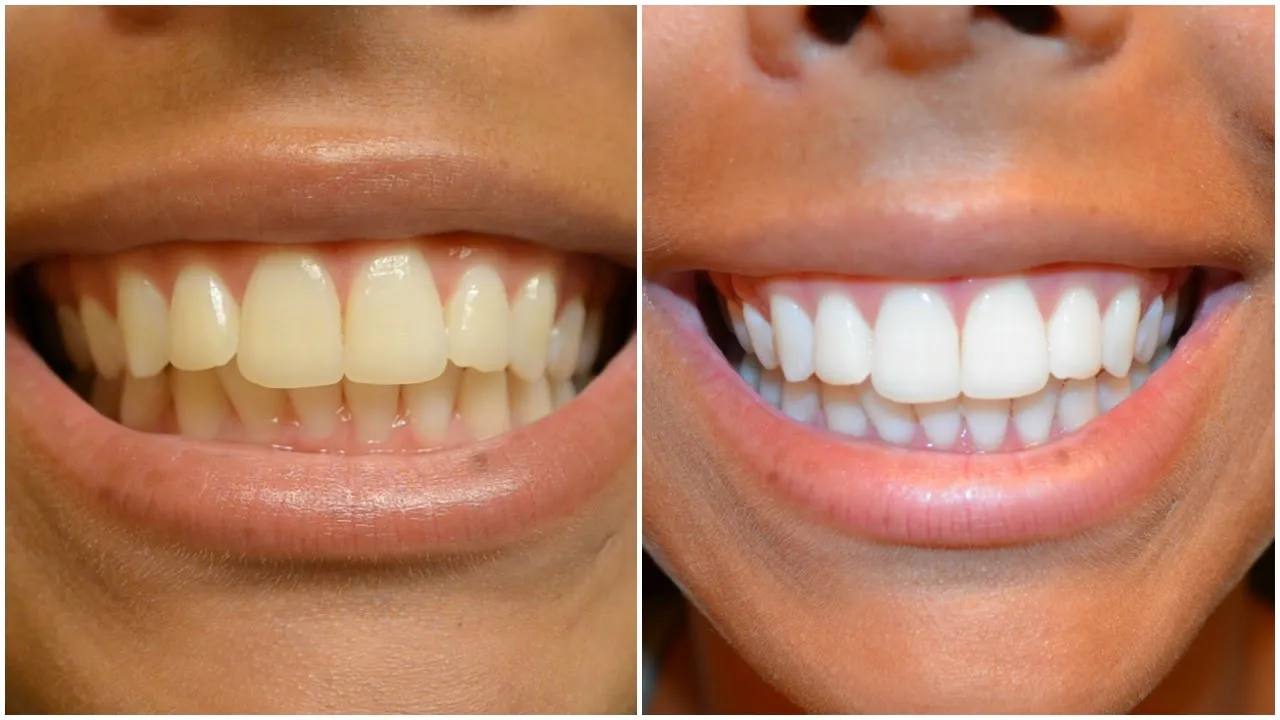
Understanding Whitening Strips
Whitening strips have become a popular and accessible method for enhancing the brightness of one’s smile. They offer a convenient alternative to professional whitening treatments, allowing individuals to improve the appearance of their teeth from the comfort of their homes. This comprehensive guide will delve into the intricacies of whitening strips, equipping you with the knowledge and skills needed to achieve optimal results. The key to a successful whitening experience lies not only in the product itself but also in a thorough understanding of how to use them correctly and how to maintain your brightened smile. This Ultimate Guide will help you achieve a confident, dazzling smile.
What are Whitening Strips?
Whitening strips are thin, flexible strips coated with a peroxide-based whitening agent, typically hydrogen peroxide or carbamide peroxide. These agents are designed to penetrate the enamel of your teeth and break down the stain-causing molecules that cause discoloration. The strips are designed to adhere to the surface of your teeth, ensuring close contact with the enamel. They come in different sizes and shapes to fit the upper and lower teeth. When the peroxide in the strip comes into contact with your teeth, it triggers a chemical reaction that helps to whiten them over time. Regular use, as directed, can lead to a noticeable improvement in the brightness of your smile.
Types of Whitening Strips Available

The market offers a variety of whitening strips, each with different concentrations of the active whitening agent and application durations. Some common types include those with lower peroxide concentrations for sensitive teeth, offering a gentler approach. Other strips are designed for faster results, containing higher concentrations, which may require shorter application times but could also increase the risk of sensitivity. There are also strips that are designed to be used once a day, and some that are designed to be used twice a day for shorter durations. The key is to research and select the type that best suits your teeth’s sensitivity and whitening goals. Furthermore, some strips are specifically formulated to target specific stains or types of discoloration.
Choosing the Right Whitening Strips
Selecting the right whitening strips involves considering factors such as your teeth’s sensitivity, the severity of the stains, and your desired level of whitening. If you have sensitive teeth or gums, opt for strips with a lower concentration of peroxide. Start with a shorter application time to test your sensitivity. For more stubborn stains, you may need to choose strips with a higher concentration, but use them cautiously. Read reviews and compare the application instructions, as well as the recommended duration of the treatment from different brands. Consulting with your dentist can also provide personalized recommendations and ensure the product is safe for your specific oral health. The cost should also be considered, comparing different brands and the number of strips provided.
Preparing Your Teeth for Whitening Strips
Before using whitening strips, proper preparation is crucial for optimal results and minimizing potential side effects. This involves establishing a solid oral hygiene routine, which will help to maximize the effectiveness of the strips. Furthermore, being mindful of your diet before and during the whitening process can prevent new stains and enhance the overall outcome. Preparing your teeth properly allows the whitening agents to work more efficiently, providing you with a brighter, healthier smile.
Brushing and Flossing

Before applying whitening strips, it’s essential to brush and floss your teeth thoroughly. Brushing removes surface debris and plaque, allowing the whitening agent to reach the enamel effectively. Flossing removes food particles and plaque from between your teeth, ensuring that the strips can access all surfaces. However, it is advisable to brush your teeth at least 30 minutes before applying the strips. This allows your saliva to remineralize your enamel, which can reduce sensitivity. Avoid brushing immediately before applying, as this can sometimes increase sensitivity.
Avoiding Certain Foods and Drinks
To prevent new stains and maximize the results of whitening strips, it’s wise to avoid foods and drinks that can stain your teeth. This includes coffee, tea, red wine, and dark-colored juices. Foods such as berries, soy sauce, and curries can also contribute to staining. If you consume these items, it’s best to do so before applying the strips and rinse your mouth with water afterward. Refrain from smoking or using tobacco products, as these significantly stain teeth and reduce the effectiveness of whitening treatments. A balanced diet with plenty of water helps maintain your smile’s brightness.
The Step-by-Step Guide to Using Whitening Strips
Using whitening strips correctly is vital for achieving the desired results safely and efficiently. This involves understanding the proper application technique, adhering to the recommended duration, and following any additional guidelines provided by the manufacturer. This ensures you get the best possible outcome while minimizing the risk of any negative effects.
Applying the Strips Correctly

Start by peeling the strip from its backing and applying the sticky side to your teeth. Align the strip with your gum line, gently pressing it onto the front surfaces of your teeth. Fold the excess strip behind your teeth for a more secure fit, especially for the bottom teeth. Ensure that the strips make full contact with the surface of your teeth. Wash your hands before and after the application of the strips, and avoid touching the strips excessively. The strips should be applied to dry teeth to achieve maximum contact. Avoid touching your tongue or lips to the strips during application to prevent them from being displaced.
Setting the Timer
Adhere to the application time specified by the manufacturer, typically ranging from 30 minutes to an hour. Use a timer to avoid over-application. Avoid leaving the strips on for longer than recommended, as this can increase the likelihood of sensitivity and potential enamel damage. It’s important to stay consistent with the recommended usage schedule. Some strips may have different application times, so read and understand the instructions thoroughly. Regularity in using the strips is crucial for optimal results.
Removing the Strips and Rinsing
Once the timer goes off, carefully remove the strips. Gently peel them off, starting from the back teeth and working your way forward. Dispose of the used strips properly. Rinse your mouth with water to remove any remaining gel from your teeth and gums. Avoid swallowing the gel, as it can cause stomach upset. After rinsing, refrain from eating or drinking for at least 30 minutes to allow the whitening agent to continue working. Consider using a fluoride toothpaste to remineralize your teeth and reduce sensitivity after the treatment.
Tips for Maximizing Results

To get the best results from whitening strips, there are a few key strategies to adopt. Consistency and patience are crucial. In addition, managing potential sensitivity and maintaining your new, brighter smile will ensure you get the best and long-lasting outcome.
Consistency is Key
For optimal results, use the whitening strips consistently, as directed by the manufacturer. Skipping applications can hinder progress, so try to incorporate them into your daily routine. Results vary from person to person, but consistent use is the primary factor in achieving a brighter smile. The amount of time it takes to see noticeable whitening varies depending on the initial shade of your teeth and the severity of the stains. Stay patient and persistent throughout the treatment for the best possible outcomes.
Avoiding Sensitivity
Tooth sensitivity is a common side effect of teeth whitening, but there are steps you can take to manage it. If you experience sensitivity, reduce the application time or the frequency of use. Use a toothpaste designed for sensitive teeth, which contains ingredients like potassium nitrate to help desensitize the nerves. Avoid hot or cold foods and drinks for a period. Consult your dentist for professional advice and potential treatments, like fluoride treatments, that can help to strengthen your enamel and reduce sensitivity.
Maintaining Your Bright Smile

Once you’ve achieved your desired level of whiteness, taking proactive steps to maintain your smile is crucial. This involves adopting good oral hygiene practices and scheduling regular dental checkups. These habits will help to prevent stains, maintain your teeth’s brightness, and ensure long-term oral health.
Oral Hygiene Practices
Continue to brush your teeth twice a day with fluoride toothpaste and floss daily. Consider using a whitening toothpaste or mouthwash to help maintain your results. Rinse your mouth with water after consuming staining foods and drinks. If you are a smoker, consider quitting, as smoking can significantly diminish the effects of whitening treatments and cause additional staining. Regularly cleaning your teeth is the most important part to have a healthy, white smile.
Regular Dental Checkups
Schedule regular checkups and cleanings with your dentist every six months. Your dentist can assess the overall health of your teeth and gums and perform professional cleanings to remove any surface stains. They can also provide personalized advice on how to maintain your bright smile and address any emerging dental issues. Professional teeth whitening treatments are also available at your dentist’s office and can be considered for touch-ups or more dramatic results. Maintain open communication with your dentist about your teeth whitening journey.
In conclusion, achieving a brighter smile with whitening strips is a straightforward process when approached with knowledge and care. By understanding the different types of strips, preparing your teeth correctly, and adhering to the instructions, you can achieve noticeable results from the comfort of your home. Remember to prioritize your oral health, manage any sensitivity, and adopt a consistent maintenance routine to enjoy your dazzling smile for years to come. Consulting with your dentist before starting any whitening treatment is always recommended to ensure it is suitable for your individual needs.