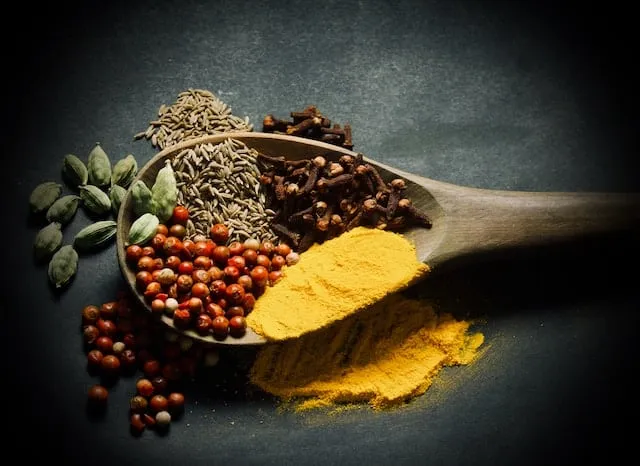
The Power of Turmeric for Face Whitening
Turmeric, a golden spice revered for centuries, is more than just a culinary ingredient; it’s a powerhouse for skincare. Its potential to brighten and whiten the skin has made it a popular ingredient in DIY face masks and beauty treatments. This article explores the effective ways of using turmeric for face whitening, providing a comprehensive guide to help you achieve a brighter, more radiant complexion. We’ll delve into the science behind turmeric’s benefits, explore various DIY recipes, and offer practical tips for safe and effective use. Get ready to unlock the secrets of this ancient remedy and discover how turmeric can transform your skincare routine.
Understanding Turmeric’s Whitening Properties
Turmeric’s efficacy in face whitening stems from its potent antioxidant and anti-inflammatory properties. These characteristics help combat the factors that lead to uneven skin tone, dark spots, and dullness. Turmeric can effectively reduce hyperpigmentation, such as dark spots caused by sun damage or acne scars, and inhibit melanin production, the pigment responsible for skin color. Regular use of turmeric can promote a more even skin tone, revealing a brighter and more youthful complexion. By incorporating turmeric into your skincare regimen, you’re harnessing a natural remedy that not only whitens but also protects and nourishes your skin.
Curcumin the Active Compound

The primary active compound in turmeric, curcumin, is responsible for many of its beneficial effects. Curcumin is a powerful antioxidant and anti-inflammatory agent. It neutralizes free radicals, protecting the skin from environmental damage and premature aging. Moreover, curcumin’s anti-inflammatory properties help soothe irritated skin and reduce redness, contributing to a more even and brighter complexion. This compound can also inhibit tyrosinase, an enzyme that plays a crucial role in melanin production. By blocking tyrosinase, curcumin helps to reduce hyperpigmentation and lighten the skin naturally.
Types of Turmeric to Use
When it comes to using turmeric for face whitening, the choice of turmeric is important. There are two main types available: cooking turmeric and cosmetic-grade turmeric. While both offer potential benefits, cosmetic-grade turmeric is often preferred for skincare due to its higher purity and finer texture, which makes it easier to apply and less likely to stain the skin. Cooking turmeric, commonly found in your kitchen, can still be used, but it’s important to source high-quality, organic turmeric to minimize potential contaminants. Regardless of the type, always perform a patch test before applying a turmeric mask to your entire face.
Choosing the Right Turmeric Powder
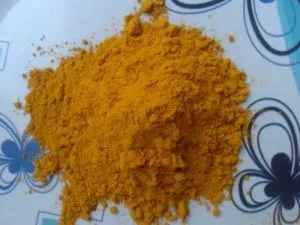
Selecting the right turmeric powder is crucial for achieving the desired results. Look for organic, high-quality turmeric powder that is free from additives and preservatives. The color of the powder should be vibrant, indicating the presence of high levels of curcumin. Ensure that the powder has a fine consistency for easy mixing and application. Some people prefer to use fresh turmeric root, grating it into a paste for their face masks. Fresh turmeric offers the most potent form of curcumin but can also stain the skin more intensely. When choosing turmeric, prioritize purity and quality to ensure the best results and minimize any risks of skin irritation or staining.
DIY Turmeric Face Masks for Whitening
Creating your own turmeric face masks is a cost-effective and customizable way to harness turmeric’s whitening benefits. The key to effective DIY masks lies in combining turmeric with complementary ingredients that enhance its effects and cater to different skin types. Remember to start with a small amount of turmeric and adjust the quantity based on your skin’s sensitivity and desired results. Always perform a patch test before applying any new mask to your entire face to check for any allergic reactions or irritation. Consistency is key; incorporating these masks into your routine regularly will help you achieve a brighter, more even complexion over time.
Turmeric and Honey Mask Recipe
This mask combines turmeric’s whitening properties with honey’s moisturizing and antibacterial benefits. Mix 1 teaspoon of turmeric powder with 1 tablespoon of raw honey. Apply a thin layer to your face and leave it on for 15-20 minutes before rinsing it off with lukewarm water. Honey helps to soothe the skin, reduce inflammation, and provide a natural glow. This mask is suitable for most skin types and offers both whitening and hydrating effects, leaving your skin feeling soft and refreshed.
Turmeric and Yogurt Mask Recipe
Yogurt’s lactic acid content acts as a gentle exfoliant, while turmeric helps whiten the skin. Combine 1 teaspoon of turmeric powder with 2 tablespoons of plain yogurt. Apply the mixture to your face and let it sit for 15-20 minutes. Rinse with lukewarm water. Yogurt’s probiotics also contribute to a healthy skin microbiome. This mask is beneficial for those with uneven skin tone and mild acne, providing gentle exfoliation and promoting a brighter complexion. Be sure to use plain, unsweetened yogurt for best results.
Turmeric and Lemon Juice Mask Recipe

Lemon juice is a natural bleaching agent, making this mask ideal for brightening the skin. Mix 1 teaspoon of turmeric powder with 1 teaspoon of fresh lemon juice. Apply the mask and leave it on for 10-15 minutes. Rinse thoroughly with water. Lemon juice is highly acidic and can be irritating for sensitive skin, so perform a patch test and dilute the lemon juice with water if needed. Use this mask cautiously and avoid sun exposure after application, as lemon juice can increase your skin’s sensitivity to sunlight.
Tips for Applying Turmeric Masks
For effective results, proper application is crucial. Before applying any turmeric mask, cleanse your face thoroughly to remove any makeup, dirt, or impurities. Apply the mask evenly to your face, avoiding the delicate eye area. Let the mask sit for the recommended time (usually 15-20 minutes) to allow the ingredients to penetrate your skin. After rinsing, gently pat your face dry with a soft towel. Consistent application, such as 1-2 times per week, can yield noticeable results over time. Avoid leaving the mask on for extended periods, as this can potentially cause staining or irritation.
Preparing Your Skin
Preparing your skin is essential for maximizing the benefits of a turmeric face mask. Start by cleansing your face with a gentle cleanser to remove any dirt, oil, or makeup. Exfoliate your skin once or twice a week to remove dead skin cells, which can improve the absorption of the mask’s ingredients. You can use a gentle scrub or a chemical exfoliant. Before applying the mask, you can also steam your face for a few minutes to open up your pores. This allows the active ingredients in the mask to penetrate more effectively, leading to better results.
Application Techniques

Apply the turmeric face mask evenly over your face, using a clean brush or your fingertips. Avoid the sensitive eye area. Ensure a consistent layer to achieve uniform results. For a smoother application, mix the mask ingredients thoroughly to remove any lumps. Once the mask is applied, relax and allow it to work its magic. Follow the recommended time for leaving the mask on, which is usually 15-20 minutes. This duration allows the active ingredients to penetrate your skin without causing excessive dryness or irritation.
Frequency and Duration
To achieve noticeable face whitening results, consistency is key. Start by applying the turmeric mask 1-2 times a week. As your skin adjusts and you observe positive changes, you can gradually increase the frequency. However, it’s essential not to overdo it, as excessive use can lead to skin irritation or dryness. The duration of the treatment will vary based on individual skin types and the specific ingredients used. Be patient and monitor your skin’s response. Some people may see improvements within a few weeks, while others may need several months to achieve their desired results.
Enhancing Results and Safety Measures
While turmeric is generally safe for most people, following certain measures can enhance its effectiveness and ensure your safety. Always perform a patch test on a small area of your skin before applying the mask to your entire face to check for any allergic reactions or irritation. Protect your clothes and surroundings, as turmeric can stain fabrics. Rinse the mask thoroughly after the recommended time, and if any staining occurs, use a gentle cleanser or oil to remove it. Always moisturize your skin after using a turmeric mask to prevent dryness. And protect your skin from the sun by applying sunscreen, especially after using a mask containing lemon juice, as it can increase sun sensitivity.
Combining with Other Ingredients

To amplify the whitening and brightening effects of turmeric, consider combining it with other beneficial ingredients. Incorporating ingredients like honey, yogurt, or lemon juice can boost the mask’s efficacy. Honey is a natural humectant that moisturizes and soothes the skin, while yogurt offers gentle exfoliation through lactic acid. Lemon juice, used cautiously, provides natural bleaching properties. These additions not only enhance the mask’s benefits but also cater to different skin needs. Experimenting with these combinations can help you find the perfect recipe for your skin type and desired results. Remember to do a patch test before using any new ingredient.
Precautions and Side Effects
While turmeric is generally considered safe, it’s crucial to be aware of potential side effects and take necessary precautions. Some individuals may experience mild skin irritation, redness, or itching, especially if they have sensitive skin. Always perform a patch test before applying a turmeric mask to your entire face. Staining is another common side effect, particularly if you use fresh turmeric root or leave the mask on for too long. To minimize staining, use a high-quality turmeric powder and rinse your face thoroughly after application. Avoid contact with eyes and mouth. If you experience any adverse reactions, discontinue use immediately and consult a dermatologist.
Maximizing Your Face Whitening Results with Turmeric
Achieving the best face whitening results with turmeric requires a holistic approach. Beyond using turmeric masks, focus on maintaining a healthy skincare routine and lifestyle. Drink plenty of water to hydrate your skin from the inside out. Follow a balanced diet rich in antioxidants, which can further enhance the skin-brightening effects of turmeric. Use sunscreen daily to protect your skin from sun damage, a major contributor to uneven skin tone and dark spots. Be patient and consistent with your skincare routine. While turmeric can deliver impressive results, it takes time and consistent effort to see significant improvements. By combining turmeric treatments with a healthy lifestyle and skincare habits, you can achieve a brighter, more radiant complexion naturally. Embrace the golden spice and unlock your skin’s full potential.