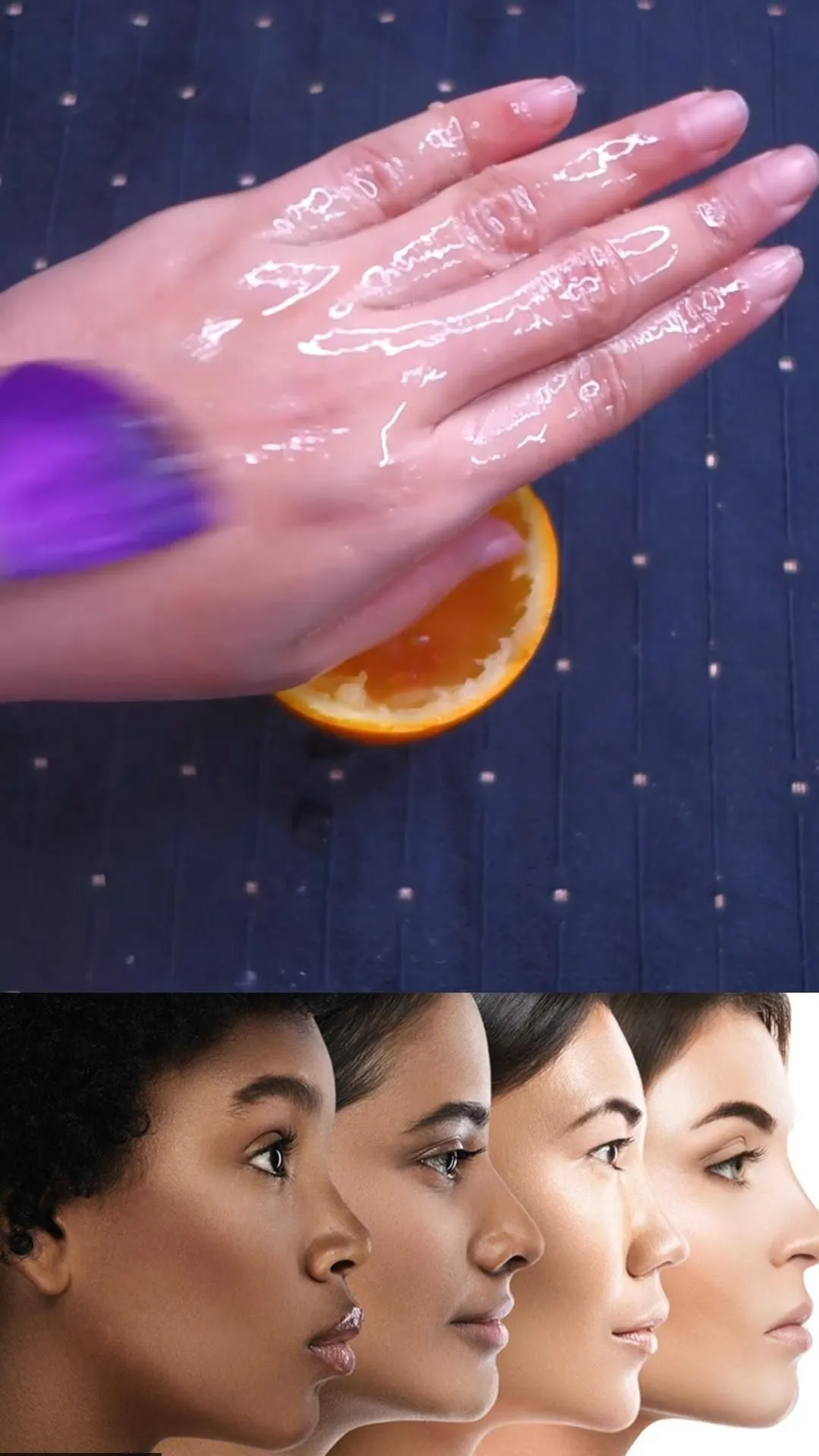
What is Face Whitening
Face whitening, often referred to as skin brightening or lightening, is a skincare practice that aims to reduce hyperpigmentation, even out skin tone, and achieve a lighter complexion. It involves various methods and products, ranging from natural home remedies to clinical treatments. The goal is to diminish the appearance of dark spots, acne scars, sun damage, and uneven skin tone, resulting in a more radiant and youthful appearance. This can be achieved through different mechanisms, such as inhibiting melanin production, accelerating skin cell turnover, or exfoliating the skin to remove dead cells. It is important to approach face whitening with caution, as some methods can be harsh on the skin and may have adverse effects. Always consider your skin type and consult with a dermatologist before starting any new skincare regimen.
The Science Behind Face Whitening
Understanding the science behind face whitening is crucial for achieving desired results safely and effectively. The skin’s color is primarily determined by melanin, a pigment produced by melanocytes. Factors like sun exposure, inflammation, and hormonal changes can trigger increased melanin production, leading to dark spots and uneven skin tone. Face whitening treatments generally target these processes. Some ingredients inhibit tyrosinase, an enzyme essential for melanin synthesis. Others promote exfoliation, removing the pigmented cells from the skin’s surface. Chemical peels and laser treatments work by damaging the skin and stimulating new, lighter skin cells to grow. Natural remedies also have effects, often containing antioxidants and compounds that reduce inflammation or promote gentle exfoliation. The effectiveness and safety of any treatment depend on various factors, including skin type, concentration of active ingredients, and frequency of application.
Top 5 Home Remedies for Face Whitening

While professional treatments offer strong results, home remedies provide a gentle, accessible, and often more affordable approach to face whitening. These remedies typically utilize natural ingredients with properties that promote skin brightening and even tone. Consistency is key, as they often require regular use over time to produce visible effects. These remedies can be easily incorporated into your skincare routine. However, it is crucial to perform a patch test before applying any new treatment to a larger area of your face to check for allergic reactions or sensitivities. It is essential to listen to your skin and adjust the frequency and duration of use. The following are five effective home remedies for achieving a brighter complexion.
Lemon Juice and Honey
Lemon juice is a popular ingredient in face whitening due to its natural bleaching properties and high vitamin C content, which is an antioxidant that helps to brighten the skin. Honey, on the other hand, acts as a moisturizer and has antibacterial properties. To make this remedy, mix fresh lemon juice with honey in equal parts and apply it to the face. Leave it on for 15-20 minutes before rinsing with lukewarm water. Lemon juice can cause sensitivity to the sun, so it’s best to apply it in the evening or wear sunscreen during the day. Remember to do a patch test before applying it to your entire face, as lemon juice can be irritating for some skin types.
Yogurt and Turmeric Mask
Yogurt and turmeric are two ingredients known for their skin-brightening and anti-inflammatory properties. Yogurt contains lactic acid, an alpha-hydroxy acid (AHA) that gently exfoliates the skin. Turmeric is a powerful antioxidant and has been used for centuries in skincare. To prepare this mask, mix plain yogurt with a pinch of turmeric powder. Apply the paste evenly to your face and leave it on for about 20 minutes. Rinse with lukewarm water. This mask can help reduce dark spots, even out skin tone, and give your skin a healthy glow. Be careful, as turmeric can stain clothes and skin temporarily. Always make sure to choose a high-quality turmeric powder.
Aloe Vera for Face Whitening

Aloe vera is a soothing and hydrating ingredient that also possesses skin-brightening properties. It contains compounds that can help reduce hyperpigmentation and lighten dark spots. Aloe vera is also known for its anti-inflammatory and healing properties, making it suitable for various skin types. Extract fresh aloe vera gel from an aloe vera leaf or use a pure aloe vera gel. Apply a thin layer to your face and leave it on for 20-30 minutes before rinsing with water. Aloe vera is a gentle remedy that can be used daily. It can also help soothe and heal sunburned skin and it is a very effective ingredient to include in your routine to improve the overall health of your skin.
Gram Flour and Rose Water
Gram flour, also known as besan, is a natural exfoliant that helps remove dead skin cells. Rose water has soothing and hydrating properties that can improve the complexion. To make this remedy, mix gram flour with rose water to form a smooth paste. Apply it to your face and let it dry for 15-20 minutes. Gently scrub it off with circular motions and rinse with water. This mask can help exfoliate the skin, remove impurities, and even out skin tone. It’s suitable for most skin types. Rosewater is also known for its anti-inflammatory properties, making this a gentle and effective option. This remedy will help you to improve the overall look and feel of your skin.
Papaya and Milk
Papaya contains enzymes that help exfoliate the skin and reduce dark spots. Milk, particularly full-fat milk, has moisturizing properties. Mash a ripe papaya and mix it with a small amount of milk to create a paste. Apply the paste to your face and leave it on for 15-20 minutes. Rinse with water. This mask is excellent for exfoliating the skin, lightening dark spots, and providing hydration. The enzymes in papaya help remove dead skin cells, revealing a brighter complexion. This mask is best for those with normal to dry skin. Regular use will lead to noticeable improvements in the skin’s texture and tone, resulting in a fresh and radiant appearance. This is a great option for anyone looking to achieve a more youthful glow.
Additional Tips for Effective Face Whitening

Besides home remedies, there are other essential tips that can greatly enhance the effectiveness of your face whitening efforts. These tips are not only about the ingredients you use, but also about the overall care and protection of your skin. Incorporating these practices into your routine can maximize the benefits of your chosen remedies and ensure a healthy, radiant complexion. Always approach skincare with patience, consistency, and attention to your skin’s specific needs. Here are some additional tips to support your journey to brighter skin.
Regular Exfoliation
Regular exfoliation is crucial for removing dead skin cells that can make the skin appear dull and uneven. Exfoliation can also help the skin absorb whitening treatments more effectively. Use a gentle exfoliant 1-2 times per week. Avoid over-exfoliating, as this can irritate the skin. Choose exfoliants based on your skin type. For dry or sensitive skin, opt for gentle scrubs or chemical exfoliants like lactic acid. For oily or acne-prone skin, you might use exfoliants containing salicylic acid. Consistent exfoliation will make your skin smoother and brighter. A regular routine will help to speed up cell turnover and improve the skin’s overall texture. Remember, a clean, exfoliated base enhances any skincare routine.
Sun Protection
Sun exposure is one of the major causes of hyperpigmentation and dark spots. Protect your skin from the sun’s harmful rays by wearing a broad-spectrum sunscreen with an SPF of 30 or higher every day, even on cloudy days. Reapply sunscreen every two hours, especially if you are spending time outdoors. Sunscreen is essential for preventing new dark spots from forming and for preserving the results of your whitening treatments. Consider wearing a wide-brimmed hat and protective clothing to further shield your skin from the sun. Sun protection is the most vital step in any face whitening journey. It prevents further damage and enables the skin to heal and lighten. Without adequate sun protection, all other efforts may be undermined.
Hydration and Diet

Proper hydration and a healthy diet are fundamental for maintaining healthy and glowing skin. Drink plenty of water to keep your skin hydrated from the inside out. A diet rich in fruits, vegetables, and antioxidants can help improve skin health. Include foods that are high in vitamin C, such as citrus fruits and berries. Avoid processed foods, excessive sugar, and unhealthy fats, as these can contribute to inflammation and skin problems. The nutrients you consume directly impact your skin’s health and appearance. Hydration ensures your skin cells function optimally, while a balanced diet provides the necessary building blocks for healthy skin. Eating well supports the effectiveness of topical treatments and contributes to a brighter, more radiant complexion.
Consulting a Dermatologist
If you have persistent skin issues, such as severe hyperpigmentation or acne scars, or if you are unsure about which treatments are best for your skin type, consulting a dermatologist is a smart choice. A dermatologist can assess your skin condition and recommend professional treatments tailored to your needs. They can also provide advice on the safe and effective use of home remedies and other skincare products. Professional treatments, such as chemical peels, microdermabrasion, or laser therapy, can be more effective for addressing specific skin concerns. A dermatologist will provide a personalized skincare plan and can monitor your progress to ensure optimal results. Seek professional advice to prevent complications and achieve the best outcome.
In conclusion, achieving face whitening through home remedies is possible with dedication and consistency. By combining effective ingredients like lemon juice, yogurt, aloe vera, gram flour, and papaya with additional tips such as sun protection, exfoliation, and a healthy lifestyle, you can gradually brighten your complexion. Remember that patience and consistency are key. Start with patch tests, listen to your skin, and consult with a dermatologist if needed. With the right approach, you can attain a radiant and glowing skin.