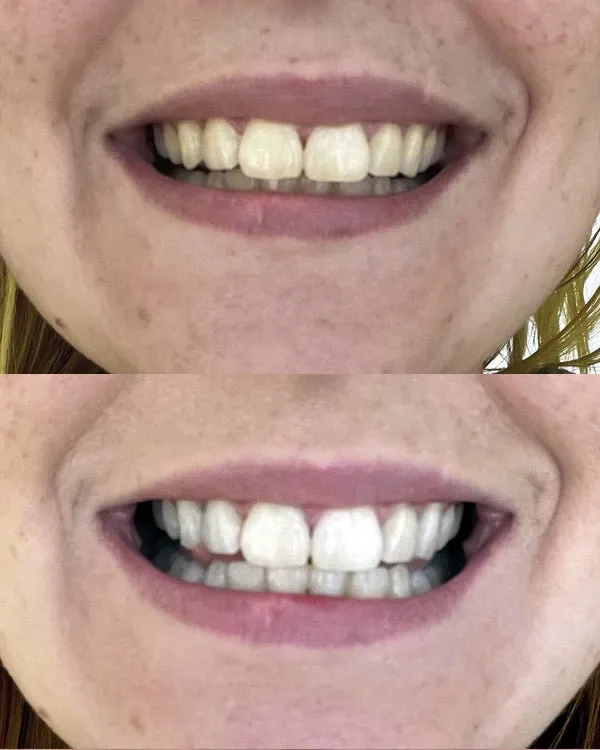
Understanding Teeth Whitening Gel
Teeth whitening gels are a popular and effective way to brighten your smile. These gels contain bleaching agents that penetrate the enamel and dentin of your teeth, breaking down stain molecules and lightening their appearance. The active ingredients in most whitening gels are hydrogen peroxide or carbamide peroxide. The effectiveness of these gels depends on several factors, including the concentration of the active ingredient, the duration of application, and the type of staining you have. Understanding how these gels work and how to use them safely is crucial for achieving the best results without damaging your teeth. Many people turn to these products seeking a brighter, more confident smile, but it’s important to approach the process with informed caution.
Types of Teeth Whitening Gels
Teeth whitening gels come in various formulations, each with different concentrations of active ingredients and application methods. The choice of gel depends on factors such as the desired results, sensitivity of your teeth, and whether you are opting for at-home or professional treatments. Selecting the appropriate type of gel ensures that you achieve optimal results while minimizing potential risks. Different types of gels cater to diverse needs and preferences, offering a spectrum of options from gentle, gradual whitening to more intensive, rapid results. The right choice can significantly impact your teeth whitening experience.
Hydrogen Peroxide-Based Gels

Hydrogen peroxide is a strong oxidizing agent used in many teeth whitening products. It is often found in higher concentrations in professional treatments provided by dentists. Hydrogen peroxide works by breaking down stain molecules, leading to a faster whitening effect. However, the higher concentration can increase the risk of tooth sensitivity and gum irritation. At-home kits often contain lower concentrations to ensure safe usage without professional supervision. Careful adherence to the application guidelines is essential when using hydrogen peroxide-based gels to minimize potential side effects. It is a powerful tool for transforming the shade of your teeth, but its strength also calls for caution and adherence to instructions.
Carbamide Peroxide-Based Gels
Carbamide peroxide is another common ingredient in teeth whitening gels. It breaks down into hydrogen peroxide, offering a similar whitening effect, but at a slower rate. Carbamide peroxide is often used in at-home whitening kits and is generally considered gentler than hydrogen peroxide. This makes it a good choice for individuals with sensitive teeth. Because it releases hydrogen peroxide gradually, it provides a more controlled whitening experience, reducing the likelihood of immediate sensitivity. Carbamide peroxide-based gels are designed for prolonged application, often overnight with custom-fitted trays, providing a gradual whitening effect over time. The key is to follow the instructions for your chosen product and consult your dentist for any concerns.
Concentration Matters
The concentration of the active ingredient (hydrogen peroxide or carbamide peroxide) in teeth whitening gel significantly influences the whitening process. Higher concentrations typically lead to quicker results, but they also increase the risk of side effects such as tooth sensitivity and gum irritation. Lower concentrations are gentler and more suitable for at-home use, but they require longer application times. Professional treatments often use higher concentrations under the careful supervision of a dentist to achieve rapid and dramatic whitening. The concentration level of the active ingredient is a crucial factor that determines both the effectiveness and safety of teeth whitening gel.
How Long to Apply Teeth Whitening Gel

The duration for applying teeth whitening gel varies depending on the type of gel, its concentration, and the method of application. It’s crucial to follow the specific instructions provided with your chosen product or advised by your dentist. Over-application or exceeding the recommended duration can lead to increased tooth sensitivity and gum irritation, while under-application might result in less effective whitening results. The duration is often linked to the concentration of the active ingredient—higher concentrations typically require shorter application times. Always prioritize your oral health and adhere to the guidelines provided by your dental professional or the product manufacturer.
At-Home Whitening with Trays
At-home whitening with custom-fitted trays typically involves applying the gel to the trays and wearing them for a specific duration. This can range from 30 minutes to several hours daily, or even overnight, depending on the concentration of the whitening agent and the instructions provided by your dentist. Custom trays offer a more precise and even application of the gel, ensuring that the entire tooth surface is treated. This method provides consistent results over time. It’s essential to clean the trays thoroughly after each use to maintain hygiene and prevent any build-up of the gel. Consistent use, following the recommended duration, will yield optimal results.
Application Process
The application process typically involves these steps: First, brush and floss your teeth. Next, place a small amount of whitening gel into each tooth impression in the tray. Then, carefully insert the tray into your mouth, making sure it fits snugly around your teeth. Remove any excess gel that may have overflowed. Wear the tray for the duration recommended by your dentist or the product instructions. After removing the tray, rinse your mouth thoroughly with water. Clean the tray with cool water and store it in a safe place. Consistent and correct application is important for achieving the desired whitening effect.
Recommended Duration

The recommended duration varies, but a typical application time ranges from 30 minutes to several hours a day, or overnight, for at-home tray systems. Whitening strips and pens often require shorter durations, typically from 5 to 30 minutes, several times a day. Professional in-office treatments are usually completed in a single session, often lasting from one to two hours. Always refer to the product instructions or consult your dentist for specific recommendations. This duration is crucial for effectively whitening your teeth while minimizing the risk of side effects. Proper duration balances effectiveness with safety, yielding optimal outcomes.
Whitening Strips Duration
Whitening strips are easy-to-use and convenient, and the recommended duration for whitening strips is typically 30 minutes per application, once or twice a day, depending on the product. They are pre-loaded with a thin layer of whitening gel and are designed to adhere directly to the teeth. The duration of use is specified on the product packaging, and it’s critical to adhere to the instructions for optimal results. Overuse can lead to increased tooth sensitivity, whereas underuse may not deliver desired whitening. Strips provide a simple and direct method to brighten your smile, but proper adherence to the duration is essential for both effectiveness and safety.
Whitening Pens Duration
Whitening pens offer a quick and convenient way to apply whitening gel, typically requiring just a few minutes per application. The duration usually ranges from a few seconds to a few minutes, several times a day. The pens are designed for spot treatments and touch-ups. Apply a thin layer of the gel to your teeth and avoid eating or drinking for a specific period, as indicated on the product label. These pens are perfect for people who want to apply quickly, but it’s important to follow the directions for a safer and successful result. The short application time makes them great for on-the-go whitening touch-ups.
Professional Teeth Whitening Duration

Professional teeth whitening procedures performed by a dentist typically involve higher concentrations of bleaching agents. The treatment usually takes one or two hours to complete. The dentist will apply the whitening gel and may use a special light to accelerate the process. The entire process usually involves several fifteen-minute intervals during which the gel remains on your teeth. Your dentist will monitor your progress and ensure your comfort throughout the procedure. Professional whitening offers immediate and dramatic results, making it a popular choice for those wanting significant improvement quickly.
In-Office Whitening Procedures
In-office whitening treatments generally involve the application of a high-concentration whitening gel to the teeth. The dentist will isolate your gums and protect your soft tissues before applying the gel. The gel is left on the teeth for 15-20 minutes, and the process may be repeated multiple times during a single session. A special light or laser may be used to enhance the whitening effect. The entire procedure usually takes between one to two hours. This method is often the fastest way to achieve significant whitening results, under the supervision of a dental professional.
Post-Whitening Sensitivity
Tooth sensitivity is a common side effect of teeth whitening. The whitening process can temporarily make your teeth more sensitive to hot and cold temperatures. Sensitivity levels can vary greatly from person to person. If you experience tooth sensitivity, you might use toothpaste designed for sensitive teeth, which helps block the tubules in your enamel. Avoid overly hot or cold foods and drinks for a few days after the treatment. If the sensitivity is severe or prolonged, consult your dentist. Sensitivity typically subsides within a few days to a week after the treatment is completed. Proper care and avoiding certain triggers can help manage discomfort.
Factors Affecting Gel Duration

Several factors influence how long you should leave teeth whitening gel on your teeth. These include the concentration of the active ingredient, the type of product you are using, the presence of existing dental work, and the degree and type of staining. It’s important to be aware of these factors to ensure safe and effective use of whitening gels. These considerations help tailor your approach to your specific needs.
Tooth Sensitivity
Tooth sensitivity is a significant factor in determining the duration of gel application. If you experience significant sensitivity during the whitening process, reducing the application time or decreasing the frequency can help. Using a lower concentration of the whitening agent can also minimize sensitivity. The goal is to achieve whitening while ensuring your comfort. The key is to adjust the application duration to suit your comfort level and the sensitivity of your teeth. Monitor your teeth and adjust the application duration accordingly.
Staining from Foods and Drinks
The type and degree of staining influence the duration of whitening treatments. Stains caused by coffee, tea, red wine, and tobacco tend to be more challenging to remove and may require longer application times or multiple treatments. Surface stains are usually easier to address than deeper stains. Your dentist can assess the type of staining and recommend the appropriate approach. Dietary habits and consumption of staining substances play a key role. The treatment duration is often adjusted based on the nature and severity of the staining, to achieve optimal whitening results.
The Role of Enamel

The thickness and health of your enamel affect the whitening process. Thinner enamel may be more susceptible to sensitivity, and the underlying dentin can be more visible. The gel duration and concentration will be adjusted accordingly to accommodate. A healthy enamel surface is critical for effective and safe whitening. Your dentist can assess the health of your enamel and recommend an appropriate whitening plan. Enamel condition plays a significant role in determining the ideal application time and strength of the whitening agents.
Maximizing Whitening Results
To maximize your whitening results, follow all product instructions or your dentist’s recommendations precisely. Consistent use is crucial for achieving the desired outcome. Maintain good oral hygiene by brushing and flossing regularly. Avoid consuming staining foods and drinks immediately after treatment. Consider using a whitening toothpaste to maintain your results. Regular dental check-ups and professional cleanings can also help. Following these practices ensures you get the most out of your whitening treatments and maintain a bright, healthy smile.
Avoiding Overuse
Overuse of teeth whitening products can lead to several adverse effects. Excessive use can cause tooth sensitivity, gum irritation, and even damage to the enamel. The use of gels for longer than the recommended duration can exacerbate these problems. It’s important to strictly adhere to the instructions provided by your dentist or the product manufacturer. Using the correct application time is critical for safe and effective whitening. Overuse increases the risk of dental issues. Therefore, following the guidelines is crucial.
Maintaining a Bright Smile
Maintaining a bright smile involves a combination of good oral hygiene, lifestyle choices, and regular dental check-ups. Brush your teeth twice a day with a fluoride toothpaste. Floss daily to remove plaque and debris. Avoid or limit the consumption of staining foods and drinks, such as coffee, tea, red wine, and dark berries. Schedule regular dental cleanings to remove surface stains and keep your teeth healthy. Consider using a whitening toothpaste or mouthwash to maintain the brightness of your teeth. These steps will help you enjoy your brilliant smile for longer.