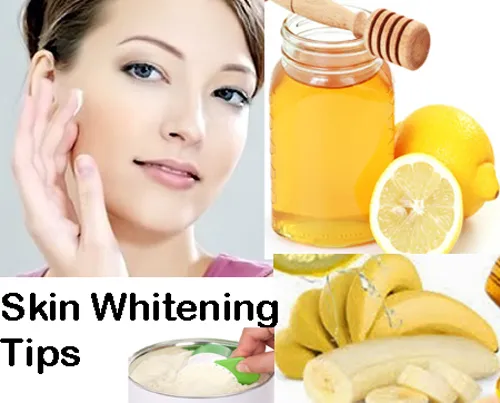
Understanding Face Whitening
Face whitening, in the context of skincare, refers to the process of lightening the skin tone to achieve a fairer complexion. This can involve reducing the appearance of dark spots, blemishes, and uneven skin tone. The pursuit of face whitening is common across cultures, and many individuals seek natural remedies and treatments to achieve their desired results. It’s essential to approach this with realistic expectations and a focus on overall skin health. The goal is often to enhance skin’s natural radiance, improve its texture, and promote an even skin tone, rather than aiming for a drastically different complexion. In Urdu-speaking communities, traditional remedies have been passed down through generations, offering accessible and often affordable solutions.
What Causes Skin Darkening?
Before exploring remedies, it’s crucial to understand the underlying causes of skin darkening. Several factors contribute to uneven skin tone and hyperpigmentation. Understanding these causes helps in selecting the most effective remedies and adopting preventative measures. Addressing the root causes can often enhance the effectiveness of whitening treatments and contribute to long-term results.
Sun Exposure

Prolonged and unprotected exposure to the sun’s ultraviolet (UV) rays is a primary cause of skin darkening. UV radiation stimulates melanin production, which is the pigment responsible for skin color. Excessive sun exposure can lead to sunburn, premature aging, and the development of dark spots, also known as sunspots or age spots. This effect is especially pronounced in individuals with lighter skin tones. Therefore, sun protection is key in preventing further darkening and protecting the skin.
Hyperpigmentation
Hyperpigmentation is a condition where patches of skin become darker than the surrounding areas. It can be caused by various factors, including inflammation, acne scars, and hormonal changes. Post-inflammatory hyperpigmentation (PIH) is a common concern, where dark spots develop after an injury or inflammation, such as acne breakouts. The body’s natural healing process can sometimes lead to an overproduction of melanin in the affected areas. Effective treatments often involve ingredients that inhibit melanin production or promote cell turnover.
Hormonal Changes
Hormonal fluctuations, such as those occurring during pregnancy (melasma), can also cause skin darkening. Melasma, also known as the “mask of pregnancy,” appears as dark patches on the face, particularly on the cheeks, forehead, and upper lip. Birth control pills and hormone replacement therapy can also trigger similar changes. These hormonal effects often require specific treatments, and sometimes fade after the hormonal balance is restored.
Top 7 Face Whitening Remedies in Urdu

In Urdu-speaking communities, there’s a rich tradition of utilizing natural ingredients for skincare, often passed down through generations. These home remedies are valued for their accessibility, affordability, and natural ingredients. The following remedies are commonly used to address skin darkening and promote a brighter complexion, each with its unique benefits and application methods.
Besan (Gram Flour) Mask
Besan, or gram flour, is a staple in many Pakistani and Indian households and is renowned for its exfoliating properties. It helps to remove dead skin cells, unclog pores, and even out skin tone. The fine texture of besan makes it an ideal gentle scrub, and it’s often combined with other ingredients to boost its effectiveness. The natural cleansing action helps to reduce oiliness and can improve the overall texture of the skin, leading to a fresher appearance.
How to Use Besan Mask for Whitening?
Mix two tablespoons of besan with a teaspoon of turmeric powder and enough milk or rose water to form a smooth paste. Apply the paste evenly on the face and neck, and let it dry for about 15-20 minutes. Gently scrub the mask off with wet fingers in a circular motion, and rinse with lukewarm water. This mask can be used 2-3 times a week for best results. This routine contributes to a gentle exfoliation which helps to remove dead skin and brighten the skin tone.
Turmeric and Yogurt Mask

Turmeric, a golden spice, is celebrated for its anti-inflammatory and antioxidant properties. It contains curcumin, a compound that helps to reduce inflammation and can lighten skin tone. Yogurt, rich in lactic acid, acts as a gentle exfoliant and helps to brighten the skin. The combination of turmeric and yogurt creates a potent face mask that not only whitens but also soothes the skin. This mask is suitable for most skin types and is especially beneficial for those with acne-prone skin.
Benefits of Turmeric for Skin
Turmeric is a powerhouse ingredient with many benefits. The anti-inflammatory properties help to calm irritated skin and reduce redness. Antioxidants combat free radicals, which can damage skin cells and accelerate aging. It can also help to fade dark spots and hyperpigmentation, leading to a more even skin tone. Regularly incorporating turmeric into your skincare routine can contribute to a healthy, glowing complexion.
How to Use Turmeric Mask?
Mix half a teaspoon of turmeric powder with two tablespoons of plain yogurt. Apply the mask evenly to the face, avoiding the eye area. Leave it on for 15-20 minutes, then rinse with lukewarm water. Use this mask 1-2 times a week. Be cautious, as turmeric can stain the skin slightly yellow; however, this effect is temporary and usually disappears after a few washes. This mask is known for its soothing and brightening effects.
Lemon Juice and Honey

Lemon juice is a natural bleaching agent, thanks to its citric acid content, which helps to lighten skin tone and reduce dark spots. Honey acts as a natural humectant, moisturizing the skin and balancing the drying effect of lemon. The combination of lemon and honey is a simple yet effective remedy, though it’s important to use it with caution due to lemon’s potential for skin sensitivity.
Precautions when Using Lemon
Lemon juice can make your skin more sensitive to the sun, increasing the risk of sunburn and further darkening. Always apply sunscreen when going outdoors after using lemon juice. Perform a patch test before applying lemon juice to your entire face, as it can cause irritation or redness. If irritation occurs, discontinue use. Always dilute lemon juice with water or honey to reduce its acidity. Limit usage to once or twice a week.
Aloe Vera for Face Whitening
Aloe vera is renowned for its soothing and healing properties. It contains vitamins, minerals, and antioxidants that help to rejuvenate the skin and reduce inflammation. Its moisturizing effect helps to promote a healthy skin barrier, and it can aid in reducing dark spots and blemishes. Aloe vera is a gentle remedy suitable for most skin types, especially those with sensitive skin or those looking for a hydrating treatment.
How to Apply Aloe Vera?

Apply fresh aloe vera gel directly to the face, or mix it with other ingredients for enhanced benefits. For a simple application, extract the gel from an aloe vera leaf and apply it evenly to the skin. Leave it on for 20-30 minutes, then rinse with water. Aloe vera can also be mixed with honey or lemon juice for added benefits. You can use aloe vera daily, especially in the evening, to soothe and hydrate the skin, improving its overall appearance and promoting a healthy glow.
Milk and Honey Mask
Milk contains lactic acid, a gentle exfoliant that helps to remove dead skin cells and brighten the complexion. Honey, as mentioned previously, is a natural humectant that moisturizes and soothes the skin. The combination of milk and honey provides hydration, exfoliation, and nourishment, making it a great remedy for dry or sensitive skin. It gently exfoliates the skin, revealing a brighter, smoother surface.
Benefits of Milk for Skin
Milk is rich in vitamins and minerals that are beneficial for the skin. Lactic acid helps to exfoliate dead skin cells, revealing a fresher, brighter layer. It also helps to reduce the appearance of fine lines and wrinkles, promoting a more youthful complexion. Milk’s moisturizing properties make it an excellent choice for hydrating the skin and restoring its natural glow. Using milk in skincare routines can contribute to softer, smoother, and more radiant skin.
Papaya Face Mask

Papaya contains enzymes, such as papain, that help to exfoliate and lighten the skin. It also has antioxidant properties that protect against free radical damage. The use of papaya in face masks helps to reduce blemishes, dark spots, and uneven skin tone. Papaya masks are suitable for most skin types and are particularly effective in gently exfoliating the skin, leading to a brighter complexion.
How to Make Papaya Mask?
Mash ripe papaya into a smooth paste. Apply the paste evenly to the face and neck. Leave it on for 15-20 minutes, and then rinse with lukewarm water. This mask can be used 1-2 times a week. Papaya’s enzymes work to remove dead skin cells, promoting a brighter, more radiant skin tone, while the antioxidants protect the skin.
Sandalwood Powder and Rose Water
Sandalwood powder is known for its soothing and cooling properties. It helps to reduce inflammation, fade dark spots, and even out skin tone. Rose water adds a hydrating and fragrant element. The combination is a classic remedy for brightening the skin and achieving a more even complexion. This mask is suitable for all skin types, offering both cosmetic and therapeutic benefits.
Importance of Consistency

Consistency is key when using any home remedy. Regular application allows the ingredients to work effectively and gradually produce visible results. It is important to establish a consistent skincare routine to achieve and maintain the desired complexion. Quick fixes might offer temporary results, but a consistent approach is the most effective way to ensure long-term skin health and radiance.
Regular Application
Adhere to a regular schedule for your chosen remedies. Most masks and treatments should be applied 1-3 times a week, depending on your skin type and the specific ingredients used. Avoid overusing any treatment, as this can lead to irritation or dryness. Listen to your skin and adjust the frequency as needed. A consistent schedule supports the remedies to steadily work towards their goals, resulting in a noticeable improvement over time.
Diet and Hydration for Glowing Skin
While topical remedies are essential, a healthy diet and adequate hydration also play a crucial role in achieving and maintaining a fair and glowing complexion. Internal health is a direct reflection of external beauty. The right nutrients and hydration levels can boost the effectiveness of skincare treatments and support overall skin health.
Foods to Include
Incorporate foods rich in antioxidants, vitamins, and minerals into your diet. Fruits like berries, citrus fruits, and papayas provide antioxidants that combat free radicals. Green leafy vegetables and foods rich in vitamin C support skin health and collagen production. Healthy fats, found in avocados and nuts, contribute to skin hydration and elasticity. A balanced diet provides the essential nutrients your skin needs to look and feel its best, supporting overall skin health and aiding in achieving a brighter complexion.
Importance of Water Intake
Drinking an adequate amount of water is crucial for skin health. Water helps to flush out toxins, keep the skin hydrated, and improve its elasticity. Dehydration can lead to dull, dry skin, making imperfections more visible. Aim for at least eight glasses of water a day, or more if you are active or live in a hot climate. Proper hydration supports the effectiveness of skincare treatments and contributes to a healthy, radiant complexion.
Conclusion
Face whitening is a multifaceted process that involves understanding the causes of skin darkening, choosing suitable remedies, and practicing consistency. The Urdu-speaking community boasts a treasure trove of natural remedies that are accessible, affordable, and time-tested. These remedies, combined with a healthy diet, adequate hydration, and sun protection, can significantly contribute to achieving a brighter, fairer complexion. Remember that skin health is a journey, and patience is key. Combining these methods with a mindful approach, you can achieve and maintain healthy, glowing skin. Always prioritize your skin’s health and consult with a dermatologist if you have specific concerns or conditions.